
Side Dishes
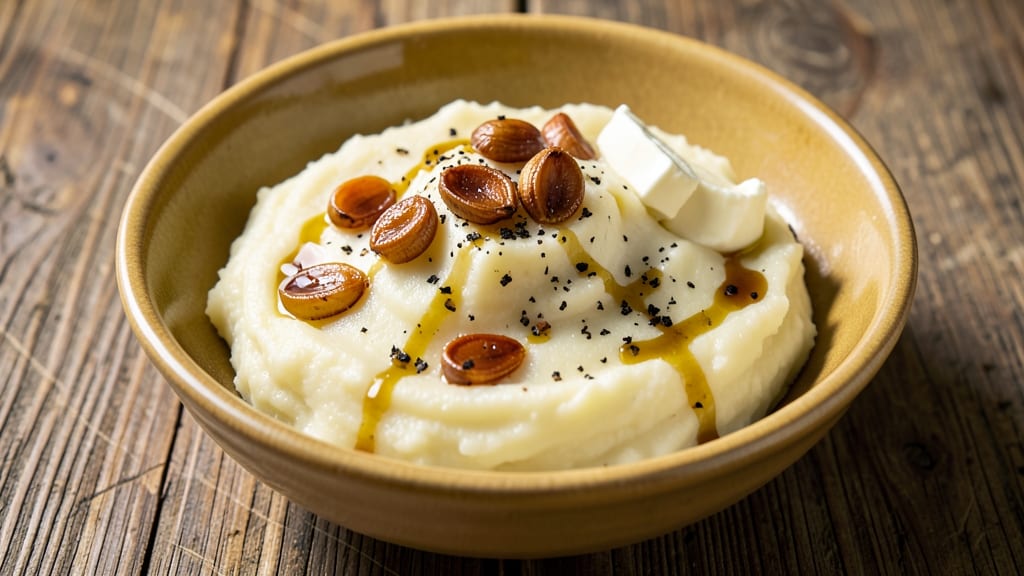
This 2-person mashed potato recipe delivers restaurant-quality creaminess without a single leftover. The secret lies in precise measurements and gentle technique—no lumps, no gummy texture, just velvety smooth potatoes that pair perfectly with any main course.
I developed this after years of struggling with overcooked or watery results, and it now consistently delivers ultra-creamy perfection every time.
What sets this recipe apart is its efficiency for small servings. You'll use just two medium potatoes, which means minimal prep and no wasted ingredients. The process is straightforward: boil, drain, mash with butter and warm milk, then season to taste.
Optional additions like roasted garlic or chives elevate the flavor without complicating the method, making it adaptable to any meal.
By the time you're done, you'll have smooth, fluffy mashed potatoes with a silky texture that clings to every forkful. The key is patience—letting the potatoes cook through completely and mashing them while still warm ensures that creamy consistency.
This isn't just a side dish; it's the kind of mashed potato that turns an ordinary dinner into something special.
The best part? These mashed potatoes reheat beautifully, making them ideal for meal prep or leftovers. Serve alongside grilled steak, roasted chicken, or even as a base for loaded baked potatoes. Here's how to achieve that perfectly creamy result every time.
Ingredients for 2 person mashed potato
Two ingredients transform ordinary potatoes into velvety perfection—just butter and milk.
| Ingredient | Amount | Notes |
|---|---|---|
| Russet Potatoes 🥔 | 2 whole | Medium size for perfect portion |
| Unsalted Butter 🧈 | 4 tbsp | Cold, cut into small cubes |
| Whole Milk 🥛 | ½ cup | Warm for best texture |
| Salt 🧂 | ½ tsp | Kosher or sea salt preferred |
| Black Pepper 🌶️ | ¼ tsp | Freshly ground for best flavor |
| Roasted Garlic Cloves 🧄 | 1 whole | Optional for extra depth |
| Fresh Chives 🌿 | 2 tbsp | Chopped, for garnish |
The potatoes are non-negotiable for texture. Russet potatoes have the highest starch content, which is key for that ultra-creamy result. Buy them a day ahead if possible—they'll keep better and yield more consistent results. Costco or local grocery stores typically carry them year-round, but if you're in a pinch, Yukon Golds work too (though they'll be slightly less fluffy). The secret? Don't peel them until after boiling—this preserves their natural starch and prevents drying out. I always weigh mine after peeling to ensure consistency, but for this recipe, two medium potatoes work perfectly without measuring.
Butter and milk quality directly impact flavor. Plugrá or Land O'Lakes unsalted butter melts beautifully, but any good-quality brand works. For milk, whole milk is essential—it provides the fat needed for creaminess. Skim or almond milk will yield a lighter texture. Want to skip the roasted garlic? Fresh minced garlic at half the amount works in a pinch, but roasting mellows the flavor beautifully. The chives are purely decorative but add a lovely fresh finish—dried chives at a quarter the amount will work if you're out, though the color won't be as vibrant.
This recipe reheats beautifully—just warm gently in the microwave with a splash of milk. Store leftovers in an airtight container for up to 3 days, though I rarely have any. For meal prep, portion into small containers and reheat portions individually. The butter cubes melt perfectly when reheated, so no lumps or dryness. If you're making ahead, mash the potatoes fully and refrigerate—reheat with extra butter as needed. The texture actually improves after resting for an hour, so plan accordingly.
Why You'll Love This Recipe
- I swear by this: just potatoes, butter, and milk. That’s it. No extra steps, no fancy gadgets—just peel, boil, mash, and fold. The simplicity is what makes it my weeknight lifesaver.
- Two Ingredients Only: I swear by this: just potatoes, butter, and milk. That’s it. No extra steps, no fancy gadgets—just peel, boil, mash, and fold. The simplicity is what makes it my weeknight lifesaver.
- Butter So Rich: The way the cold butter melts into the warm potatoes? Pure indulgence. No clumps, no greasy mess—just velvety, creamy perfection with every bite. (Yes, I’ll take seconds.)
- Date Night Ready: Fancy dinner for two? This does the trick. Pair it with roasted chicken thighs or a simple steak, and suddenly you’ve got a restaurant-worthy meal without the fuss. No leftovers? No problem—it’s just enough.
Step-by-step instructions for ultra-creamy mashed potatoes
Perfectly smooth texture with zero lumps—this method guarantees velvety mashed potatoes every time.
Prepare the Potatoes for Even Cooking
Start by scrubbing the 2 whole Russet Potatoes thoroughly under cold water to remove any dirt. Using a sharp chef's knife, cut each potato into 8 equal wedges—this ensures they cook uniformly. The goal is to maximize surface area for even cooking and creamy results.
Place the potato wedges in a medium saucepan and add enough cold water to cover them by about 1 inch. Bring to a boil over medium-high heat, then immediately reduce to a gentle simmer. Cook for 12-15 minutes until a knife slides in easily with minimal resistance. Drain immediately in a colander and return to the pot to prevent drying.
Create a Silky Base with Butter and Milk
While the potatoes steam, warm the 0.5 cup Whole Milk in a small saucepan over low heat until it reaches 120°F—just warm to the touch. This temperature prevents curdling when mixed with the hot potatoes. Keep it warm but not boiling.
Cut the 4 tbsp Unsalted Butter into small cubes and set aside. The cold butter will melt into the potatoes, creating a luxurious, velvety texture. If using the 1 whole Roasted Garlic Clove, squeeze it through a garlic press directly into the warm milk for extra depth of flavor.
Mash to Perfect Creaminess
Return the drained potatoes to the pot and let them sit uncovered for 1 minute to steam off excess moisture. This step is crucial—it prevents watery mashed potatoes. Add the 0.5 tsp Salt and 0.25 tsp Black Pepper directly to the pot.
Using a potato masher or ricer, break down the potatoes completely. Avoid overworking with a food processor—this creates a gluey, gummy texture. The goal is to achieve a smooth, lump-free consistency with a few small lumps remaining for texture. If the mixture looks dry, add 1-2 tablespoons of the warm milk to loosen it.
Incorporate Butter for Luxurious Texture
Add the cold butter cubes and gently fold them in using a wooden spoon. The butter will melt from the residual heat of the potatoes, creating a rich, velvety finish. If the mixture still feels thick, add the remaining warm milk 1 tablespoon at a time until it reaches a smooth, spreadable consistency.
For the final touch, fold in the 2 tbsp chopped Fresh Chives just before serving. The chives add a bright, fresh contrast to the creamy potatoes. Transfer to a serving bowl, cover loosely with plastic wrap, and let rest for 5 minutes before serving to allow flavors to meld.
Pro Tips For Making 2 Person Mashed Potato
- PEEL AND CHUNK SMALL: Russets have thick skins that don’t soften evenly—peel them first, then cut into 1.5-inch chunks. I learned this the hard way when my potatoes stayed unevenly firm because I skipped the extra step.
- BOIL UNTIL TENDER: Drop your potatoes into cold, salted water (yes, even for two servings) and boil until they collapse under a fork—no resistance. Overcooking turns them gluey, but undercooked chunks ruin the texture.
- SALT THE WATER: Add a full tablespoon of salt to the boiling water—it seasons the potatoes from the inside out. Skipping this means you’ll have to over-salt later, and trust me, you’ll taste the difference.
- WARM THE MILK: Heat your whole milk just until it steams (not boil) before mixing—it blends smoother and creates a silkier texture. Cold milk makes lumps, and nobody wants that in their mashed potatoes.
Essential equipment for perfect results
Potato Masher or Ricer
For ultra-smooth results, I recommend using a potato ricer like the OXO Good Grips—it creates a silky texture without overworking the potatoes. If you don’t have one, a wooden potato masher works perfectly.
Avoid electric mixers or food processors—they break down the starches too much, resulting in a gluey, gummy texture. The ricer’s fine holes push the potatoes through, creating that restaurant-quality creaminess we’re after. 🥔
Heavy-Bottomed Pot
A stainless steel or enameled cast iron pot (like a Le Creuset Dutch oven) is ideal for boiling potatoes because it distributes heat evenly. This prevents hot spots that can lead to uneven cooking or burning.
If you don’t have one, a heavy-duty stainless steel saucepan works just as well. Avoid thin aluminum pots—they heat unevenly and can make the potatoes watery or dry out too quickly.
Fine-Mesh Strainer
Draining potatoes properly is key to avoiding a watery mash. Use a fine-mesh colander or stainless steel strainer to remove all excess water after boiling. I like the OXO Good Grips strainer because it’s sturdy and won’t bend under the weight of hot potatoes.
After draining, immediately return the potatoes to the pot to trap in steam and prevent drying out while you finish mashing.
Wooden Spoon
A wooden spoon is essential for folding in butter and milk without tearing the potatoes. Wood distributes heat gently and won’t scratch your pot like metal utensils can. I keep a long-handled silicone spatula on hand too—it’s great for scraping up any stuck-on bits in the pot.
Avoid plastic spoons, as they can melt when exposed to high heat.
Garlic Press (Optional)
If you’re adding roasted garlic, a garlic press makes it easy to squeeze out the cloves directly into the warm milk. The OXO Good Grips garlic press is my go-to—it’s durable and extracts every bit of flavor.
For fresh garlic, simply mince it finely with a knife. The press is optional, but it adds a luxurious depth to the mashed potatoes without extra effort. 🧄
Nutrition facts
Frequently asked questions
Can I use Yukon Gold potatoes instead of Russets?
Yes, but expect slightly different results! Yukon Golds have more moisture and fewer starches, so your mash will be creamier but less fluffy. For best results, boil them 5 minutes less than Russets and add an extra 1 tablespoon butter to compensate for the natural oils. The texture will still be delicious—just not as light and airy.
Why did my mashed potatoes turn out gummy?
Overworking the potatoes is the most common cause! Using a food processor or electric mixer breaks down the starches too much, creating a gluey texture. Instead, mash with a ricer or wooden masher until smooth but slightly lumpy. If it's already gummy, try adding 1 tablespoon cold butter and gently folding it in to restore creaminess.
How do I make these ahead of time?
Mash the potatoes fully, then refrigerate in an airtight container for up to 3 days. To reheat, microwave portions with 1 tablespoon milk or butter for 30-45 seconds until warm. The texture actually improves after resting! For best results, reheat in small batches to maintain creaminess.
Can I substitute cream or sour cream for milk?
For extra richness, replace the milk with ¼ cup sour cream or crème fraîche—just add it at the very end to prevent curdling. Start with 2 tablespoons and adjust to reach your desired consistency. The acidity in sour cream also brightens the flavor beautifully.
What's the best way to serve these mashed potatoes?
These ultra-creamy potatoes pair perfectly with grilled steak, roasted chicken, or even as a base for loaded baked potatoes. For extra flair, top with crispy bacon bits, shredded cheddar, or a dollop of gravy. They also make a great side for vegetarian meals—try pairing with sautéed mushrooms or caramelized onions!