
Side Dishes
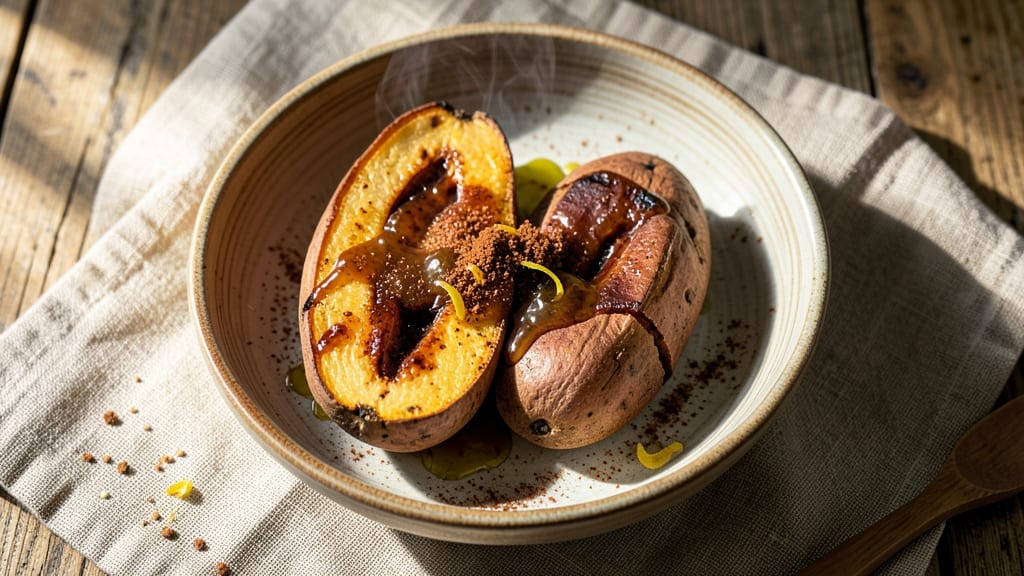
Alton Brown's sweet potato recipe transforms humble tubers into a restaurant-worthy side with caramelized edges and velvety interiors. The secret lies in precise roasting techniques—high heat for crispy exteriors, then controlled cooking to preserve moisture.
I've adapted his method to deliver foolproof results every time, whether you're serving a holiday feast or a weeknight dinner.
What sets this recipe apart is the balance of textures: crunchy caramelized skin meets tender, almost custard-like centers. Alton's approach uses a combination of olive oil, salt, and pepper to create the perfect crust, while the interior stays moist thanks to a strategic cooking time.
This isn't just another sweet potato recipe—it's a culinary science lesson that yields impressive results.
The process is simpler than it sounds: 45 minutes in the oven with minimal hands-on time. You'll start with evenly sliced sweet potatoes, seasoned and roasted until they develop that signature caramelized crust.
The aroma alone will have everyone anticipating dinner, and the presentation—golden, glossy, and perfectly portioned—makes it feel like a gourmet dish.
Pair these with grilled meats, roasted vegetables, or even as a standalone appetizer. The versatility of this recipe means it works for any occasion, from casual family dinners to elegant holiday spreads. Here's how to achieve Alton Brown's signature sweet potato perfection in your own kitchen.
Ingredients for alton brown sweet potato
Precision-cut sweet potatoes meet carefully balanced seasonings for Alton Brown's signature restaurant-worthy side.
| Ingredient | Amount | Notes |
|---|---|---|
| Large Sweet Potatoes 🍠 | 2 whole | Uniform size for even cooking |
| Extra-Virgin Olive Oil 🫒 | ¼ cup | High-quality for caramelization |
| Kosher Salt 🧂 | 1 ½ tsp | Diamond Crystal preferred |
| Freshly Ground Black Pepper 🌶️ | ½ tsp | Cracked peppercorns preferred |
| Brown Sugar 🍚 | 1 tbsp | Lightly packed for balance |
| Ground Cinnamon 🌿 | ½ tsp | True cinnamon, not cassia |
| Garlic Powder 🧄 | ½ tsp | Freshly ground preferred |
| Smoked Paprika 🌶️ | ¼ tsp | For subtle smokiness |
| Fresh Thyme Leaves 🌿 | ¼ tsp | Or 0.125 tsp dried thyme |
| Unsalted Butter 🧈 | 1 tbsp | For basting at end |
| Heavy Cream 🥛 | ¼ cup | Optional for finishing |
The sweet potatoes are non-negotiable—uniform size ensures even cooking. Look for firm, heavy tubers with smooth skin, avoiding any with soft spots or bruises. Whole Foods or local markets often carry the best selection, but standard grocery stores work too. For optimal results, choose potatoes that are about 8-10 ounces each, as they'll yield perfect portions. The skin should be deep orange, indicating natural sweetness rather than artificial coloring. If you can't find fresh, organic sweet potatoes from Trader Joe's are a reliable alternative—they're consistently sweet and hold up well during roasting.
No smoked paprika? Regular paprika plus a pinch of liquid smoke works in a pinch, though true smoked paprika gives that authentic depth. Fresh thyme is ideal, but dried thyme at one-quarter the amount works if you're in a hurry. The brown sugar adds caramelization without overpowering—substitute maple syrup at half the amount if you prefer. For the olive oil, avoid light or refined varieties—they lack the fruity notes needed for proper caramelization. If you're using pre-sliced sweet potatoes, pat them thoroughly dry before roasting to prevent steam from interfering with crust formation. The butter and cream at the end are optional but create that signature velvety finish—coconut cream makes a suitable dairy-free alternative.
Store any leftovers in an airtight container for up to 5 days, though these are best served fresh. Reheat in a 350°F oven for 10-15 minutes to restore crispiness. For make-ahead convenience, par-cook the potatoes (roast for 20 minutes), then store uncovered in the fridge overnight to develop deeper caramelization. The seasoning blend keeps its potency for 3 months in a sealed container, making it easy to double for future batches. These reheat beautifully—just 2 minutes in the microwave if you're in a rush, though oven reheating preserves texture better.
Why You'll Love This Recipe
- One-Pan Magic: I swear by this recipe when I’m too tired to scrub pots—just toss those sweet potatoes in olive oil, sprinkle salt and pepper, and let the oven do the work. The brown sugar caramelizes into a sticky, irresistible crust that takes zero effort but feels like a Michelin-starred finish.
- Sweet & Smoky Depth: That brown sugar isn’t just for looks—it transforms the sweet potatoes into something rich and almost buttery, with a hint of caramelized warmth. Honestly, the contrast of the crispy exterior and tender inside is the kind of balance that makes you close your eyes and sigh.
- Weeknight to Holiday: Between us, this recipe works for everything: a lazy Tuesday dinner, a potluck side, or even a fancy-ish addition to your Thanksgiving spread. The beauty? It’s simple enough for weeknights but impressive enough to bring to gatherings—no one will guess it took 20 minutes.
- Budget Booster: Sweet potatoes are my go-to for stretching meals without breaking the bank, and this recipe makes the most of them. A single bag feeds my family for days, and the leftovers reheat like a dream—soft inside, crispy out, every time. (Yes, even on a Tuesday night.)
Step-by-step instructions for caramelized sweet potatoes
Mastering this technique delivers sweet potatoes with a perfect balance of crispy edges and tender centers.
Prepare and Cut the Sweet Potatoes
Preheat your oven to 425°F with the rack positioned in the lower third. Wash the 2 whole large sweet potatoes thoroughly and scrub away any dirt using a vegetable brush. This ensures they cook evenly without any hidden debris interfering with the caramelization process.
Using a sharp chef's knife, cut each sweet potato lengthwise into 8 equal wedges, ensuring each piece has both skin and flesh. The wedges should be roughly 1-inch thick—thicker pieces take longer to cook through, while thinner pieces risk burning before the centers soften. Arrange the wedges on a parchment-lined baking sheet, leaving about ½-inch between each piece for even air circulation.
Season and Roast for Initial Tenderness
In a small bowl, combine the 1.5 teaspoons kosher salt, 0.5 teaspoon freshly ground black pepper, 0.5 teaspoon ground cinnamon, 0.5 teaspoon garlic powder, 0.25 teaspoon smoked paprika, and 0.25 teaspoon fresh thyme leaves. Sprinkle this spice blend evenly over the sweet potato wedges, pressing gently to ensure the spices adhere to the flesh and skin.
Drizzle the wedges with the 0.25 cup extra-virgin olive oil, using about 1 teaspoon per sweet potato. Toss the wedges gently to coat evenly, ensuring the oil penetrates the flesh and crispifies the edges. Roast for 25 minutes until the sweet potatoes are tender when pierced with a fork but still hold their shape. This initial roast builds the foundation for the perfect texture balance.
Add Sweetness and Enhance Caramelization
Remove the baking sheet from the oven and sprinkle the 1 tablespoon brown sugar evenly over the wedges. Use your fingers to press the sugar into the flesh and any exposed edges, ensuring it melts into the sweet potato during the next phase. Return the tray to the oven and continue roasting for an additional 15-20 minutes until the edges are deep golden brown and the sweet potatoes are fork-tender.
The sugar acts as a caramelizing agent, deepening the flavor and creating those coveted crispy edges. Watch closely during this phase—sweet potatoes can go from perfectly caramelized to burnt in just a few minutes. If the edges brown too quickly, tent the tray with foil to slow the process while maintaining tenderness.
Finish with Butter and Cream for Richness
Once the sweet potatoes reach the desired doneness, remove them from the oven and let them rest for 2 minutes on the baking sheet. This brief rest allows the residual heat to finish cooking the centers while preventing over-browning. Transfer the wedges to a serving platter and immediately drizzle with the 1 tablespoon unsalted butter, letting it melt over the hot sweet potatoes.
For an extra touch of decadence, pour the 0.25 cup heavy cream over the top and gently toss to coat. The cream adds a silky finish that balances the caramelized edges and sweet-spiced centers. Serve immediately while the butter and cream are still warm, ensuring each bite delivers a perfect harmony of textures and flavors.
Pro Tips For Making Alton Brown Sweet Potato
- USE A PARCHMENT-LINED PAN: I learned this the hard way—sweet potatoes stick like glue when roasted. Line your sheet pan with parchment before cutting the potatoes, and you’ll save yourself from scrubbing off burnt sugar and charred skin. (Yes, even if you’re impatient like me.)
- CUT THEM EVENLY: Uneven slices mean uneven cooking—some parts dry out, others stay doughy. Use a sharp knife and aim for ½-inch-thick rounds. If your knife isn’t up to the task, a mandoline does the job faster, but watch those fingers.
- SALT THEM AFTER ROASTING: Adding salt before roasting makes the edges bitter. Toss the warm potatoes with olive oil, then season after they’ve roasted—when the skin’s crisp and the flesh is tender. That’s when the salt actually sticks and enhances the natural sweetness.
- DON’T SKIP THE BROWN SUGAR: This isn’t just for flavor—it caramelizes into a sticky, glossy finish. Sprinkle it after roasting while the potatoes are still hot, then toss gently. The sugar melts into a glaze that makes them irresistible. (I was skeptical until I tried it.)
Serving suggestions for alton brown sweet potato
Garnish Like a Pro
Top your sweet potato wedges with toasted pumpkin seeds (about 2 tbsp) for a nutty crunch that contrasts beautifully with the silky centers. I like to toast them in a dry skillet over medium heat for 3-4 minutes until golden.
For an herbaceous touch, sprinkle with fresh cilantro leaves or thyme sprigs—just a few leaves add vibrant color and brightness. 🌿
Pair with Complementary Proteins
These caramelized sweet potatoes shine alongside herb-crusted pork tenderloin or smoked turkey breast. The sweetness of the potatoes balances the savory, meaty flavors perfectly. For a vegetarian option, serve with black bean and corn salad—the smoky paprika in both dishes creates a cohesive flavor profile.
I often double the recipe to ensure everyone gets a generous portion.
Make It a Complete Meal
Turn this into a full spread by adding roasted Brussels sprouts with balsamic glaze and garlic mashed cauliflower. The Brussels sprouts add a peppery contrast, while the cauliflower mellows out the richness.
For a heartier meal, include crispy polenta squares—they soak up any extra butter or cream beautifully. 🍽️
Serve with Dips
A small bowl of Greek yogurt dip (mix ½ cup Greek yogurt with 1 tsp honey and ½ tsp smoked paprika) adds creaminess and tang. For something richer, try maple-mustard sauce (whisk 2 tbsp maple syrup with 1 tbsp Dijon mustard and 1 tbsp olive oil).
Both dips elevate the dish without overpowering the natural sweetness of the potatoes.
Holiday Presentation Tips
For Thanksgiving or Christmas, arrange the wedges on a slate board or wooden platter for a rustic, elegant look. Drizzle any leftover butter or cream from the platter over the top before serving.
Add edible flowers like nasturtiums for a pop of color—just a few stems make the dish feel festive. Serve family-style so guests can help themselves. ✨
Leftovers Reinvented
Transform leftover wedges into a breakfast hash by chopping them into ½-inch cubes and sautéing with crispy bacon, diced apples, and a fried egg on top. The caramelized edges add depth to the hash, while the egg ties everything together.
For a quick lunch, toss with spinach and feta in a warm pita pocket—it’s a flavor-packed, satisfying meal. 💫
Nutrition facts
Frequently asked questions
Can I use regular potatoes instead of sweet potatoes?
No, this recipe is designed specifically for sweet potatoes—their natural sweetness and moist texture are essential for achieving Alton Brown's signature caramelized crust. Regular potatoes would turn out dry and lack the rich, velvety centers. The sugar content in sweet potatoes also helps create that perfect balance of sweet and savory flavors.
How do I get extra crispy edges without burning the centers?
Alton's secret is in the two-stage roasting process: First roast at 425°F for 25 minutes to tenderize, then add sugar and roast another 15-20 minutes until edges caramelize. Use a baking sheet with ½-inch spacing between wedges for even air circulation. If edges brown too quickly, tent with foil to slow browning while maintaining tenderness.
What's the best way to store leftovers?
Store in an airtight container for up to 5 days in the fridge. Reheat at 350°F for 10-15 minutes to restore crispiness. For make-ahead convenience, par-cook the potatoes (roast for 20 minutes), then refrigerate uncovered overnight to develop deeper caramelization before finishing in the oven. The texture won't be as crispy as fresh, but it's still delicious.
Can I make this recipe in an air fryer?
Yes! Preheat your air fryer to 400°F and arrange wedges in a single layer. Spray lightly with olive oil and season as directed. Cook for 12-15 minutes, shaking the basket halfway, until edges are crispy. The air fryer works well for smaller batches but may require closer monitoring to prevent over-browning.
Why does my sweet potato turn out mushy?
Mushy results usually come from overcooking or not using uniform-sized wedges. Cut pieces should be 1-inch thick for even cooking. Also ensure your oven is fully preheated—cold spots can cause uneven cooking. Let potatoes rest for 2 minutes after roasting to allow residual heat to finish cooking centers without over-browning.