
Side Dishes
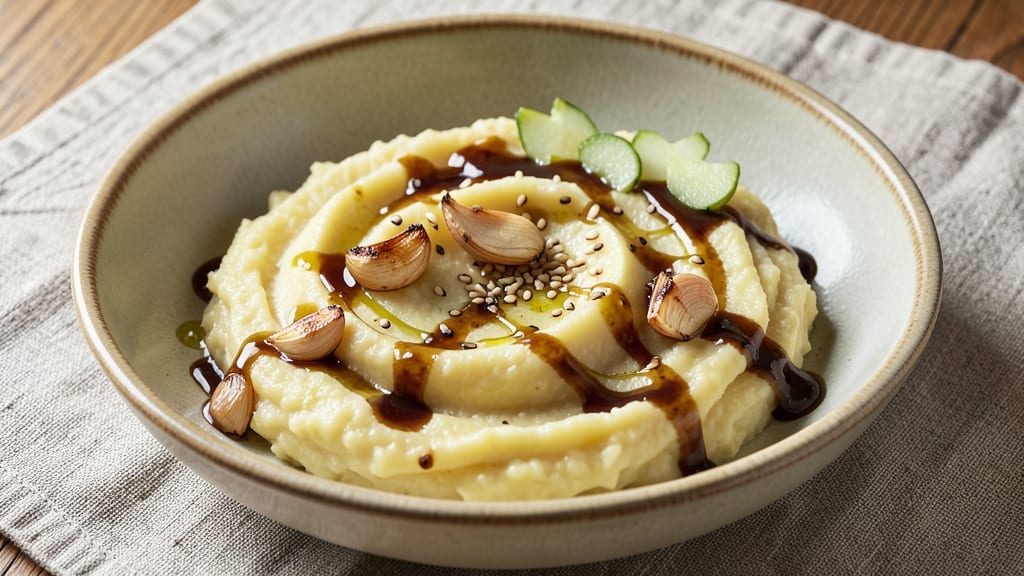
This Asian mashed potato recipe reimagines a classic comfort food with bold umami flavors and aromatic garlic-ginger notes that transform every bite. The secret lies in balancing creamy texture with complex seasoning—sesame oil, soy sauce, and a touch of chili create depth that elevates simple potatoes into something extraordinary.
Perfect for anyone craving familiar flavors with an exciting twist, this dish delivers restaurant-quality results with minimal effort.
What sets this recipe apart is the fusion technique: traditional mashed potatoes meet Asian pantry staples for a harmonious blend of richness and brightness. The potatoes develop a velvety, almost custard-like consistency while absorbing the savory-sweet garlic-ginger marinade and subtle heat from chili flakes.
Unlike standard mashed potatoes, this version stays creamy without requiring butter overload, making it both lighter and more flavorful.
The result is a side dish that steals the show—golden, fragrant, and packed with layers of taste that linger long after the last bite. The aromatic garlic-ginger base infuses the potatoes during cooking, while finishing touches of toasted sesame seeds and green onions add visual appeal and fresh contrast.
This isn't just mashed potatoes; it's a complete flavor experience that pairs beautifully with grilled meats, stir-fries, or even as a standalone dish.
With just 15 minutes of active prep and 20 minutes of cooking time, this recipe proves you can achieve gourmet results without spending hours in the kitchen.
The technique is straightforward but yields professional-quality texture and flavor—ideal for weeknight dinners or special occasions when you want to impress without the fuss.
Ingredients for asian mashed potato
These carefully selected ingredients transform ordinary potatoes into an umami-rich fusion masterpiece.
| Ingredient | Amount | Notes |
|---|---|---|
| Russet Potatoes 🥔 | 2 ½ lb | Yukon gold or red potatoes work too |
| Extra-Virgin Olive Oil 🫒 | ¼ cup | High-quality, fruity variety preferred |
| Sesame Oil 🌿 | 1 tbsp | Toasted sesame oil for authentic flavor |
| Soy Sauce 🥢 | 2 tbsp | Use light or dark soy sauce |
| Garlic Cloves 🧄 | 6 cloves | Minced, for aromatic depth |
| Fresh Ginger 🌿 | 2 tbsp | Finely grated, for zesty brightness |
| Red Chili Flakes 🌶️ | ½ tsp | Adjust for desired heat level |
| Unsalted Butter 🧈 | ½ cup | Cold, cubed for creamy texture |
| Heavy Cream 🥛 | ¼ cup | Full-fat for velvety consistency |
| Toasted Sesame Seeds 🥜 | 1 tbsp | For garnish and nutty aroma |
| Green Onions 🧅 | ¼ cup | Sliced, for fresh contrast |
| Diamond Crystal Kosher Salt 🧂 | 1 tsp | Adjust to taste for seasoning |
| Freshly Ground Black Pepper 🌶️ | ½ tsp | For subtle heat and depth |
The potatoes are the foundation, so choose Yukon Gold or Russet—their starch-to-moisture balance ensures perfect creaminess. For the aromatic base, garlic and ginger should be fresh, with visible moisture and vibrant color. Sesame oil is non-negotiable here; Kadoya brand from Asian markets delivers the most authentic toasted flavor. If using pre-minced garlic, toast it in oil first to deepen its aroma. The soy sauce should be light for brightness or dark for richer umami—Kikkoman is a reliable choice, but Japanese brands like Hoyu offer superior depth.
No sesame oil? Toasted peanut oil works in a pinch, though the flavor profile shifts slightly. Substituting ginger with equal parts ginger powder cuts the freshness, but it’s better than skipping it entirely. For heat, gochugaru (Korean chili flakes) adds smokier notes than standard red chili flakes. The butter-to-cream ratio can be adjusted—use more butter for richness or more cream for lightness, depending on your preference. If you’re avoiding dairy, coconut cream mimics the velvety texture surprisingly well, though it lacks the same depth of flavor.
Freshly cooked potatoes hold their texture best when refrigerated in an airtight container for up to 3 days, though the flavor deepens overnight. For longer storage, portion into freezer-safe containers with a thin layer of oil on top to prevent browning—they’ll keep for 3 months. Garnishes like toasted sesame seeds and green onions should be added fresh before serving, as they lose their vibrant color and crispness when stored. Reheat gently in the microwave with a splash of water to restore creaminess, or bake at 350°F for 15 minutes for a firmer texture.
Why You'll Love This Recipe
- Fewer Ingredients, Bigger Flavor: I swear by this—just potatoes, garlic, and a splash of soy sauce. No heavy cream, no butter overload, yet it’s rich and savory. That sesame oil finish? Pure magic in a tiny drizzle.
- One-Pot, Zero Stress: Peel, chop, boil—then mash with the pan juices. No extra bowls, no sticky mess. Honestly, I’ve made this while scrolling through my phone. The only tool you’ll need is a fork.
- Leftover Hero: This stuff tastes even better the next day. Cold slices in a bento box? Yes. Reheated with a fried egg on top? Absolutely. I’ve fed a crowd with half a batch—no one complained.
- Budget Meal, Restaurant Feel: Russets are cheap, and this recipe feels fancy. The garlic-soy punch makes it taste like you spent hours, not 20 minutes. Between us, my takeout order last week got interrupted by this dish.
Step-by-step instructions for Asian mashed potatoes
Here's how to transform simple potatoes into a luxurious, umami-packed dish with perfect texture and bold flavors.
🍳 Step 1: Boil Potatoes Until Fork-Tender
Place the 2.5 lb russet potatoes in a large pot and cover with cold water by about 2 inches. Add 1 tsp of the diamond crystal kosher salt and bring to a rolling boil over high heat. Once boiling, reduce heat to medium-high and cook for 15-20 minutes until a knife slides in easily with minimal resistance.
The potatoes should be tender throughout but not falling apart. I like to test them at the 15-minute mark—if they're not quite there, give them another 3-5 minutes. Drain immediately in a colander and return to the pot to prevent overcooking. The residual heat helps dry the surface slightly, which is crucial for that velvety texture later.
👨🍳 Step 2: Build the Umami-Packed Base
In a separate skillet, heat 0.25 cup extra-virgin olive oil over medium heat. Add the 6 cloves minced garlic and 2 tbsp finely grated fresh ginger, cooking for 2-3 minutes until fragrant but not browned. Add 1 tbsp sesame oil and 2 tbsp soy sauce, stirring constantly for 1 minute until the aromatics release their oils.
Remove from heat and stir in 0.5 tsp red chili flakes. This aromatic mixture forms the flavor foundation—don't skip the cooking time as raw garlic can make the final dish bitter. The sesame oil adds nutty depth while the soy sauce provides that essential umami punch that distinguishes this from classic mashed potatoes.
🍳 Step 3: Mash with Butter and Cream
Return the drained potatoes to the pot and let them steam dry for 1 minute. Add the 0.5 cup cold cubed unsalted butter and 0.25 cup heavy cream. Using a potato masher or ricer, work the ingredients together until smooth but with some slight texture—this prevents a gluey consistency.
I find using a ricer gives the best texture, but a masher works too. The butter should melt completely while the cream adds luxurious richness. Keep the heat off at this stage—gentle warming is all you need to incorporate these ingredients without breaking down the potatoes further.
🥘 Step 4: Fold in Aromatics and Season
Remove the pot from heat and fold in the garlic-ginger mixture using a wooden spoon. Add the remaining 0.5 tsp freshly ground black pepper and taste—adjust the diamond crystal kosher salt if needed. The mixture should be flavorful but balanced, with the umami from soy sauce complementing the fresh ginger and garlic.
For extra depth, I like to add 1 tbsp toasted sesame seeds directly to the mashed potatoes at this stage. The nutty aroma infuses throughout, creating a more complex flavor profile. The texture should be silky with just a hint of resistance—this indicates proper moisture balance without being watery.
🍽️ Step 5: Finish and Garnish
Transfer the mashed potatoes to a serving dish and smooth the surface with a spatula. Drizzle with any remaining garlic-ginger mixture from the skillet, then garnish with the sliced green onions. The contrast of fresh green onions against the creamy yellow potatoes adds visual appeal and a bright, fresh element to cut through the richness.
Serve immediately while warm, as the texture will thicken slightly as it cools. Each spoonful should deliver that perfect balance of creamy texture, umami depth from the soy sauce, and aromatic complexity from the garlic and ginger. This isn't just mashed potatoes—it's a flavor experience that transforms a simple side dish into something truly special.
Pro Tips For Making Asian Mashed Potato
- Boil Until Fork-Tender: Russets should collapse like butter when pierced—no half-chewed lumps. Start in cold salted water (1 tsp salt per quart), bring to a rolling boil, then simmer until a knife slides in without resistance. I used to overcook them, but now I test at 15 minutes—yes, even if they look underdone.
- Toast the Garlic Right: Smash those cloves flat first, then fry in 1 tsp sesame oil over medium-low until golden and fragrant—no burning, no rushing. The nutty aroma is the soul of this dish, and raw garlic just tastes like a mistake you can’t unmake.
- Whisk Soy Sauce Last: Stir in the soy sauce after the potatoes are mashed, not before. Heat turns it bitter, and you’ll end up with a dish that tastes like a sad takeout leftovers experiment. A splash of warm water thinned with the soy helps it blend smoothly.
- Press, Don’t Stir: Use a potato ricer or fork to mash—don’t pulverize with a mixer. You want texture, not glue. Press out all the starch, then fold in the oil and garlic with a spatula. I learned this after making a gummy mess the first time.
Creative variations of this asian mashed potato
Japanese Garlic-Ginger Twist
Transform this recipe into a Japanese-inspired version by swapping soy sauce for 2 tbsp mirin and 1 tbsp light soy sauce in the aromatic base. Add 1 tsp grated yuzu zest (or sub ½ tsp lemon zest) for a bright citrus note that cuts through the richness.
Finish with 1 tbsp furikake (Japanese seasoning) instead of sesame seeds for a salty, seaweed-infused crunch. 🌿
Korean Gochujang Heat
For a Korean-inspired spicy kick, replace the red chili flakes with 1 tbsp gochujang (Korean chili paste) mixed into the garlic-ginger base. Add 1 tsp honey to balance the heat and 1 tsp toasted sesame oil for depth.
Garnish with thinly sliced scallions and a sprinkle of crushed roasted seaweed flakes for an authentic touch.
Thai Lemongrass Creaminess
Give it a Thai fusion makeover by infusing the butter with 2 stalks bruised lemongrass and 1 tsp fish sauce (like Red Boat) while melting. Stir in 1 tbsp lime zest and 1 tsp palm sugar for a tangy-sweet balance.
Top with cilantro leaves and crushed peanuts for texture. The lemongrass adds a fragrant, citrusy depth that pairs perfectly with grilled meats.
Chinese Five-Spice Glaze
For a Chinese-inspired version, add ½ tsp Chinese five-spice powder to the garlic-ginger base and finish with a drizzle of 1 tbsp hoisin sauce before serving. Garnish with crushed dried tangerine peel (chen pi) and toasted Sichuan peppercorns for a numbing, aromatic finish.
The five-spice blend adds warmth and complexity that complements the creamy texture beautifully.
Vegan Umami Boost
Make it vegan-friendly by replacing butter with ½ cup coconut oil (melted) and heavy cream with ½ cup full-fat coconut milk. Use 1 tbsp nutritional yeast in the aromatic base for a cheesy umami depth.
Add 1 tsp miso paste to the garlic-ginger mixture for extra savory richness. The texture remains velvety, and the flavors stay bold and satisfying. 💚
Spicy Sriracha Swirl
Add a Sriracha-infused twist by mixing 1 tbsp Sriracha into the garlic-ginger base and topping with quick-pickled red onions (toss ¼ cup sliced red onions in 1 tbsp rice vinegar and ½ tsp sugar for 10 minutes).
The tangy, spicy contrast elevates the dish to new heights. Serve with a side of cooling cucumber salad to balance the heat.
Nutrition facts
Frequently asked questions
Can I use sweet potatoes instead of russet potatoes?
Sweet potatoes work beautifully and add natural sweetness that pairs well with the garlic-ginger base! For best results, use 2 medium sweet potatoes (about 1.5 lb) and adjust cooking time to 18-22 minutes—they take slightly longer to soften. The texture will be slightly denser but still velvety when mashed with butter and cream.
How do I make this recipe dairy-free?
Swap the butter for ½ cup coconut oil (melted) and heavy cream for ½ cup full-fat coconut milk. For extra richness, add 1 tbsp nutritional yeast to the garlic-ginger mixture—it adds a cheesy umami depth. The texture remains creamy, though slightly lighter than the original version.
Why does my mashed potato mixture turn out gluey?
Overmixing or using potatoes that aren't fully cooked are the most common causes. Always drain potatoes immediately after boiling and let them steam dry for 1 minute before mashing. Use a ricer or masher instead of a food processor, and work quickly to avoid breaking down the starches. If it's too thick, add 1 tbsp warm milk or cream to loosen.
Can I prep this ahead of time for meal prep?
Store the fully cooked mashed potatoes in an airtight container in the fridge for up to 3 days. Reheat gently in the microwave with a splash of water or bake at 350°F for 15 minutes to restore creaminess. For longer storage, freeze portions in airtight containers for up to 3 months—thaw overnight in the fridge before reheating.
What's the best way to pair this dish?
This umami-rich mashed potato shines with grilled meats like teriyaki chicken or beef skewers, but it's also fantastic as a standalone side. For a complete meal, serve with stir-fried vegetables, miso-glazed salmon, or even as a base for loaded baked potatoes with Asian-inspired toppings like kimchi and fried egg.