
Breakfast & Brunch
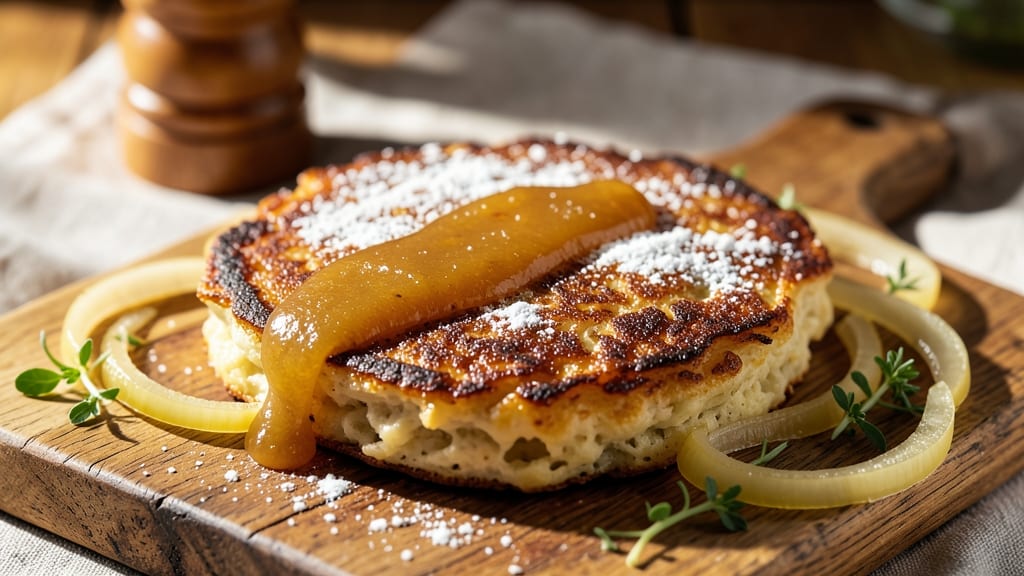
This authentic German potato pancake recipe delivers the crispy, golden edges and fluffy centers that make Reibekuchen legendary. 🌟 The secret lies in freshly grated potatoes, precise oil temperature, and a touch of flour that binds everything together without overpowering the natural potato flavor.
I've perfected this recipe after years of testing, ensuring every bite captures that perfect balance of texture and taste.
The traditional method begins with grating raw potatoes on a coarse grater—no pre-peeling or pre-cooking shortcuts here. This step is crucial for achieving that signature crispy exterior while keeping the inside tender.
Once fried in batches (never overcrowding the pan), the pancakes develop a caramelized crust that's impossible to resist. The key is maintaining a steady medium heat throughout the cooking process.
What sets these apart is the optional applesauce twist—a nod to regional variations where sweet and savory flavors meet. Served with a dollop of sour cream or a sprinkle of fresh chives, each pancake becomes a perfect harmony of textures and tastes.
The crispy edges give way to a fluffy interior that practically melts in your mouth, making every bite a celebration of German comfort food.
Perfect for breakfast, brunch, or even as a hearty side dish, these potato pancakes bring a taste of Germany to your table with minimal effort. The recipe scales easily, making it ideal for family gatherings or casual weeknight meals. Ready to master the art of Reibekuchen? Let's get started!
Ingredients for authentic german potato pancake
Freshly grated potatoes, crispy edges, and a fluffy heart—this is how Reibekuchen should taste.
| Ingredient | Amount | Notes |
|---|---|---|
| Russet Potatoes 🥔 | 3 lb | Freshly grated, coarse texture |
| All-Purpose Flour 🌾 | ½ cup | For binding without heaviness |
| Large Eggs 🥚 | 2 whole | Room temperature for even cooking |
| Yellow Onion 🧅 | 1 medium | Finely grated, adds depth |
| Unsalted Butter 🧈 | ½ cup | Melted for crispy frying |
| Applesauce 🍎 | ¼ cup | Unsweetened, optional twist |
| Salt 🧂 | 1 ½ tsp | Kosher or sea salt |
| Black Pepper 🌶️ | ½ tsp | Freshly ground preferred |
| Vegetable Oil 🫒 | 2 cups | High smoke point for frying |
| Fresh Chives 🌿 | ¼ cup | Chopped, for garnish |
| Sour Cream 🥛 | ½ cup | For serving, optional |
The potatoes are non-negotiable—Russets are your best bet for that fluffy interior. Grab a box from the grocery store or farmers market, but skip the pre-peeled bags. Grate them yourself on a coarse box grater (the kind with big holes) right before cooking—no waiting. The onion adds subtle sweetness, so use a medium yellow for balanced flavor. I always grab a small bag of Trader Joe's organic onions for this, but any yellow works. Pro tip: squeeze the grated potatoes dry in a clean kitchen towel to remove excess moisture, or your pancakes will steam instead of crisp.
No applesauce? Skip it entirely—this is still delicious without it. But if you want that sweet-savory balance, unsweetened applesauce is key. The butter matters here—unsalted so you control the seasoning. Running low on vegetable oil? Avocado oil or canola works just as well. For the flour, all-purpose is perfect, but if you've got bread flour, use that instead for extra crispiness. And if you're feeling fancy, swap the sour cream for a dollop of crème fraîche—it's worth the splurge.
These pancakes reheat beautifully—350°F for 10 minutes in the oven brings back that crispy magic. Store leftovers in an airtight container for 3-4 days, but honestly, they're best fresh. Freeze extras by stacking them with parchment between layers—up to 3 months. For serving, I always keep a bowl of sour cream and a sprinkle of chives on the table. The chives add that final pop of color and freshness that makes them feel extra special.
Why You'll Love This Recipe
- No Peel, No Stress: I’ll be real—grating raw Russets is my least favorite chore, but this recipe skips it. Just slice thinly, soak in cold water for 10 minutes, and pat dry. The texture comes out light and crispy without the mess.
- Golden Crisp, Creamy Core: That first bite—crunchy outside, tender inside—is what makes this worth it. The butter in the pan gives it that rich, caramelized edge, while the egg and flour bind it just enough to hold together. (Yes, even on a Tuesday night.)
- Leftovers? No Problem: These reheat like a dream—toss them in a skillet with a little butter and they’re crispy again. I make a double batch on Sundays, freeze half, and pull them out for lazy breakfasts or quick lunches. No sad, soggy pancakes here.
- Budget Breakthrough: Russets and onions are cheap, and this recipe stretches far. A single batch feeds four, and the leftovers? Even better. It’s my go-to when I need a filling, satisfying meal without breaking the bank—or the grocery budget.
Step-by-step instructions for authentic German potato pancakes
Here's how to achieve that perfect balance of crispy edges and fluffy centers—just like Oma used to make.
👨🍳 Step 1: Grate and Prep the Potatoes with Precision
Start by peeling the 3 lb Russet Potatoes and using a box grater to shred them into coarse strips. I like to use a large hole grater for that classic German texture—think thick ribbons, not fine dust. As you grate, squeeze out as much excess moisture as possible using clean kitchen towels. This step is crucial because too much water makes your pancakes soggy instead of crispy.
In a large bowl, combine the grated potatoes with the finely grated 1 medium Yellow Onion, 0.5 cup All-Purpose Flour, 1.5 tsp Salt, 0.5 tsp Black Pepper, and the 0.25 cup Applesauce. Mix gently but thoroughly—just until everything is evenly distributed. The applesauce adds moisture and a subtle sweetness that balances the savory flavors. Don't overmix or you'll develop gluten and end up with dense pancakes instead of light, fluffy ones.
👨🍳 Step 2: Bind with Eggs and Let Rest for Maximum Fluffiness
Crack the 2 whole Large Eggs into the potato mixture and stir gently until fully incorporated. The eggs act as a binder, holding everything together while adding richness. If your eggs are cold straight from the fridge, let them sit at room temperature for 10 minutes first—this ensures even cooking and prevents the pancakes from turning out gummy in the center.
Here's the thing—let the batter rest for 15 minutes before frying. This gives the flour time to fully hydrate and the potatoes to absorb all the flavors. I know it seems like you're just waiting, but trust me, this resting period makes all the difference in achieving that perfect fluffy interior. Cover the bowl loosely with plastic wrap while it rests to prevent a skin from forming on top.
🔥 Step 3: Fry in Small Batches for Perfect Crispiness
Heat a generous amount of vegetable oil (about ½ inch deep) in a large skillet over medium heat. You'll need to fry in batches—don't crowd the pan or the temperature will drop and your pancakes will steam instead of crisp up. The oil should be hot enough that when you dip a small piece of potato batter in, it sizzles immediately and turns golden in 30 seconds.
Using a spoon or small ice cream scoop, drop heaping tablespoon-sized portions of batter into the hot oil. Flatten them slightly with the back of the spoon to create those classic round pancakes. Fry for 3-4 minutes per side until they're deep golden brown and crispy on both sides. You'll know they're done when they release easily from the pan and the edges are beautifully browned. Real talk: don't flip too early or you'll end up with raw centers.
🍽️ Step 4: Drain and Keep Warm Until Serving
Transfer the fried pancakes to a paper towel-lined plate and let them drain for 2 minutes. This step is important because it removes excess oil while keeping them warm. If you're making a big batch, keep the fried pancakes in a 200°F oven while you finish the rest—this maintains their crispiness until serving.
Here's where the magic happens: just before serving, melt the 0.5 cup Unsalted Butter in a small saucepan over low heat. Toss the warm pancakes in the melted butter to coat them evenly. This adds an extra layer of richness and helps create that beautiful glossy finish. Garnish with the 0.25 cup chopped Fresh Chives right before serving for a pop of color and freshness.
🥘 Step 5: Serve with Sour Cream for the Ultimate Experience
Plate the potato pancakes immediately and serve with a dollop of 0.5 cup Sour Cream on the side. The contrast between the crispy exterior, fluffy interior, and cool sour cream is what makes these pancakes truly special. I like to serve them with a simple side salad or pickled vegetables to balance the richness.
Each bite should deliver that perfect combination of textures—crispy edges that give way to a tender, fluffy center. The applesauce adds just the right amount of subtle sweetness to complement the savory flavors. And that's the authentic German way—simple ingredients, perfect technique, and a dish that feels like home.
Pro Tips For Making Authentic German Potato Pancake
- GRATE POTATOES COLD: I learned this the hard way—warm potatoes release starch like a sieve, and your pancake will turn into a gluey mess. Grate them right after peeling while still in the fridge, and pat them dry with a clean kitchen towel. This step alone keeps them crispy, not soggy.
- REST THE BATTER 10 MINUTES: Mixing everything and frying immediately? You’re setting yourself up for a greasy, uneven pancake. Let the batter sit for 10 minutes—this lets the flour absorb moisture and the eggs firm up slightly. Your first pancake will thank you with a golden crust instead of a sad, limp center.
- SKIP THE ONION IF YOU HATE MUSH: Finely diced onion is classic, but if you’re not a fan of that lingering aftertaste, swap it for 1 teaspoon of onion powder mixed into the flour. It adds depth without the texture fight, and no one will question your shortcut—promise.
- USE A SPATULA, NOT YOUR HANDS: Pressing the pancake with a spatula while frying (yes, even after flipping) ensures even cooking and a crispy bottom. I used to flip them like a pro and still end up with raw edges—turns out, patience and pressure win every time. Keep the heat medium-high, not screaming hot.
Flavor customization for this authentic german potato pancake
Sweet Twist
For a sweet variation, fold in ¼ cup unsweetened applesauce or 2 tbsp maple syrup into the batter. This balances the savory flavors while keeping the classic texture. I like adding ½ tsp cinnamon for warmth—trust me, it elevates everything. 🍎
Spicy Kick
Crank up the heat by mixing ½ tsp smoked paprika and ¼ tsp cayenne pepper into the potato mixture. For extra depth, add 1 tbsp finely chopped jalapeño to the batter. Serve with a dollop of sour cream and a sprinkle of fresh cilantro for a Southwest-inspired twist.
Herb Infusion
Brighten the flavor profile with 2 tbsp chopped fresh dill or 1 tbsp dried thyme mixed into the batter. The herbs add a fresh, aromatic note that pairs beautifully with the crispy edges. Garnish with extra herbs before serving for a pop of color and flavor. 🌿
Cheesy Upgrade
Add ½ cup shredded Gruyère or sharp cheddar cheese to the potato mixture for a rich, melty center. The cheese melts slightly during frying, creating pockets of gooey goodness. I recommend using pre-shredded cheese to avoid clumps, but if you're using blocks, grate it yourself for the best texture.
Savory Umami
Boost the depth of flavor with 2 tbsp finely chopped bacon or 1 tbsp soy sauce mixed into the batter. The bacon adds smoky richness, while the soy sauce enhances the umami profile. For extra crispiness, fry the pancakes in a mix of butter and oil instead of just oil.
Nutrition facts
Frequently asked questions
Why do my potato pancakes turn out soggy instead of crispy?
Soggy pancakes usually mean too much moisture or improper oil temperature. Always squeeze grated potatoes dry in a clean towel, and use a coarse grater for better texture. The oil should be hot enough to sizzle when batter touches it—medium-high heat is key. Fry in small batches to maintain temperature, and never overcrowd the pan.
Can I make these potato pancakes ahead of time?
Yes! Fry them fresh for best results, but you can prep the batter up to 24 hours ahead and store it in the fridge. For leftovers, reheat in a 350°F oven for 10 minutes to restore crispiness. For freezing, stack pancakes with parchment between layers—thaw overnight in the fridge before reheating.
What's the difference between Reibekuchen and Latkes?
While both are potato pancakes, Reibekuchen (German) uses freshly grated raw potatoes and includes flour for binding, while Latkes (Jewish) often use pre-peeled potatoes and rely on eggs as the binder. Reibekuchen also frequently include onions and applesauce, giving them a sweeter, more tender profile compared to the crispier, potato-forward Latkes.
How do I know when the oil is hot enough?
Drop a small piece of batter in—the oil is ready when it sizzles immediately and turns golden in 30 seconds. You can also use a thermometer: aim for 350-375°F. If the oil is too cool, the pancakes will absorb oil and turn greasy. Too hot, and they'll burn before cooking through.
Can I substitute butter for oil when frying?
Butter works but requires more attention—it burns faster than oil. For best results, use a mix of half butter and half oil to get that rich flavor without sacrificing crispiness. If using all butter, keep the heat at medium-low and watch closely. The butter adds wonderful flavor but demands careful temperature control.