
Side Dishes
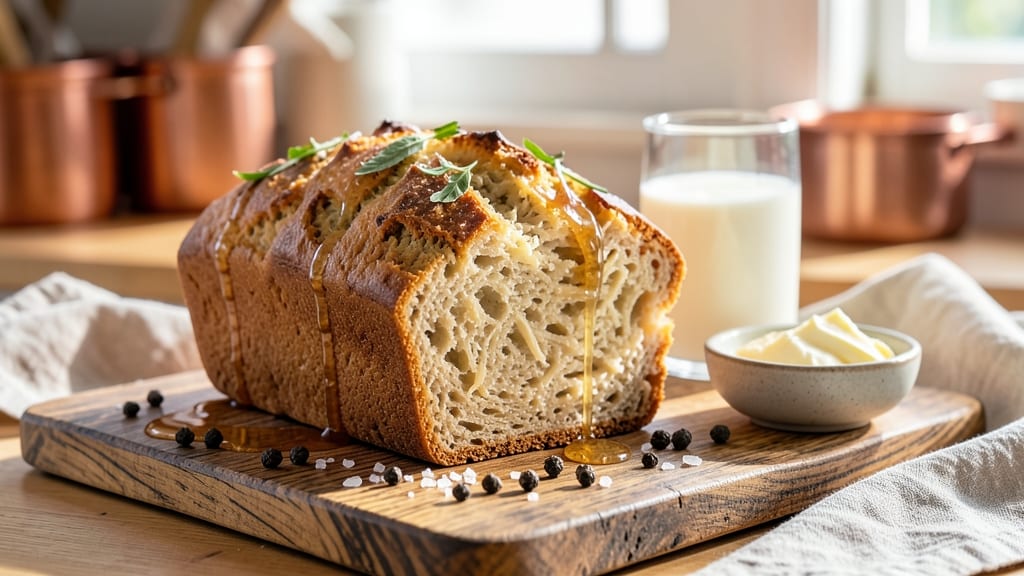
This baked potato bread recipe delivers the perfect balance of savory, flaky layers with herbed butter swirls that transform any meal. The secret lies in a precise dough technique that creates those signature crispy, golden-brown layers—just like your favorite bakery loaf.
I’ve perfected this recipe over years of testing, ensuring every slice stays tender yet sturdy enough for toasting.
The dough combines all-purpose flour, warm milk, and a touch of sugar for subtle sweetness, while the herbed butter swirl adds depth with garlic, parsley, and a hint of salt. Baking at 375°F for 30 minutes yields a crust that’s crisp yet flaky, with a soft, pillowy interior.
The butter swirls melt into pockets of rich, herby flavor, making each bite irresistible.
Perfect for serving alongside soups, salads, or as a hearty breakfast toast, this bread is both impressive and simple to make. The flaky layers and herbed butter create a texture and flavor that’ll have everyone asking for seconds. Ready to bake a loaf that rivals any bakery?
Once baked, let the bread cool slightly before slicing—this ensures clean cuts and maintains that perfect flaky texture. Store leftovers wrapped in foil at room temperature for up to 3 days, or freeze for longer storage.
Toasting slices with extra butter and herbs elevates it to another level of deliciousness.
Ingredients for baked potato bread
Eight simple ingredients transform into bakery-style flaky layers with herbed butter swirls.
| Ingredient | Amount | Notes |
|---|---|---|
| All-Purpose Flour 🌾 | 4 ½ cups | Sifted for light texture |
| Russet Potatoes 🥔 | 2 medium | Peeled and grated finely |
| Unsalted Butter 🧈 | ½ cup | Cold for flaky layers |
| Warm Milk 🥛 | 1 ¼ cups | 110°F for best rise |
| Granulated Sugar 🍚 | ½ cup | For subtle sweetness |
| Active Dry Yeast 🍞 | 2 ¼ tsp | Or 1 packet instant |
| Salt 🧂 | 1 ½ tsp | Kosher or sea salt |
| Fresh Parsley 🌿 | ¼ cup | Chopped finely for butter |
| Garlic Cloves 🧄 | 2 cloves | Minced for herbed butter |
| Extra-Virgin Olive Oil 🫒 | 2 tbsp | For dough softness |
| Egg 🥚 | 1 large | Room temperature |
The potatoes are the secret weapon here—Russets have the right starch for that signature flaky texture. Grab 3-4 pounders from the grocery store's produce section (they keep longer than smaller ones). Peeled and grated, they add moisture and a subtle potato flavor that pairs perfectly with the herbed butter. Bob's Red Mill all-purpose flour is my go-to for this recipe—it gives that light, airy crumb. If you're in a pinch, any store-brand flour works fine, but sift it well to avoid dense bread. The yeast? Fresh is best, but instant yeast in packets works too—just make sure it's not expired.
No Russet potatoes? Yukon Golds work in a pinch, but they'll be slightly less starchy. Short on parsley? Fresh chives or dill add a nice brightness, though parsley's classic. The butter swirl is non-negotiable for that herby flavor—Earth Balance vegan butter works if you need a dairy-free version. Want more garlic flavor? Add an extra clove to the butter mix. The warm milk should be 110°F (not hot)—test it by sprinkling a pinch of sugar in; if it dissolves, it's ready. No thermometer? Use your wrist—the milk should feel warm but not hot to the touch.
This bread keeps best when wrapped tightly in foil for 3 days at room temperature, or frozen for up to 3 months. For longer storage, slice and freeze the loaf—just thaw overnight in the fridge before toasting. The herbed butter swirls melt beautifully when toasted, so toast slices directly from frozen for extra crispiness. I always make a double batch—one for the freezer, one for the table. The flavor actually improves after a day or two as the butter swirls meld into the bread.
Why You'll Love This Recipe
- No Boil, No Peel: The potatoes go straight from the oven to the food processor—no peeling, no boiling mess. I just scoop out the flesh while it’s still warm, mix it with the other ingredients, and let the dough rest. Honestly, it’s the kind of recipe where I can have a conversation with my kids while making it.
- Sweet & Savory Magic: That warm milk and sugar combo? It’s like a hug for your taste buds. The bread has this subtle caramelized sweetness from the potatoes, but it’s not cloying—just rich and satisfying. Between us, it’s the kind of bread I’ll eat straight out of the oven, butter and all.
- Breakfast or Snack Hero: I make a batch on Sundays and keep it in the freezer for lazy mornings or after-school snacks. Toast it with butter and jam for breakfast, or serve it warm with soup—it’s that adaptable. My husband even sneaks slices for his lunchbox sometimes.
- Pantry Staple Power: Russets and flour are cheap, and I already had butter and milk on hand. No specialty ingredients, no last-minute grocery runs. Plus, the dough keeps well for a few days, so I can bake a loaf whenever inspiration (or hunger) strikes. It’s my go-to when I’m too tired to think about dinner.
Step-by-step instructions for baked potato bread with herbed butter swirls
Here's how to create layers so tender they melt in your mouth—just like grandma used to make.
Prepare the Potato Filling for Maximum Fluffiness
Peel the 2 medium russet potatoes and grate them finely using the large holes of a box grater. Transfer the grated potatoes to a clean kitchen towel and squeeze out every last drop of moisture—this is crucial for preventing dense bread. The filling should be dry enough to hold its shape when pressed.
In a small bowl, combine the grated potatoes with the 0.5 cup granulated sugar and 1.5 tsp salt. Mix gently until the sugar dissolves completely. This sweet-savory balance is what makes this bread so irresistible. Set aside while you prepare the dough.
Create the Herbed Butter for Layers of Flavor
In a separate small bowl, soften the 0.5 cup unsalted butter slightly (it should be pliable but not melted). Add the 0.25 cup finely chopped fresh parsley and 2 minced garlic cloves, mixing with a fork until evenly distributed. This herbed butter will create those signature swirls that make this bread special.
Roll the herbed butter into a log about 3 inches long and wrap it tightly in plastic wrap. Chill in the refrigerator until ready to use—this keeps it firm enough to slice cleanly when you're ready to layer it into the dough.
Mix the Yeast Dough for Perfect Rise
In the bowl of a stand mixer fitted with the dough hook attachment, combine the 4.5 cups sifted all-purpose flour, 2.25 tsp active dry yeast, and 1.5 tsp salt. Mix on low speed for 30 seconds to distribute the ingredients evenly. In a separate bowl, whisk together the 1.25 cups warm milk (110°F), 2 tbsp extra-virgin olive oil, and 1 room temperature large egg.
With the mixer running on low speed, gradually pour in the wet ingredients while the dough begins to come together. Increase the speed to medium and knead for 5-7 minutes until the dough is smooth and elastic. It should pull away from the sides of the bowl and be slightly tacky to the touch. If it's too sticky, add 1 tablespoon of flour at a time until it reaches the perfect consistency.
Layer and Shape for That Signature Flaky Texture
Turn the dough onto a lightly floured surface and divide it into three equal portions. Roll each portion into a 12x8-inch rectangle about ¼-inch thick. Spread one-third of the potato filling evenly over one rectangle, leaving a ½-inch border around the edges. Roll up the rectangle tightly from the long side, pinching the seam to seal.
Repeat this process with the remaining dough and filling, creating two filled logs. Place one log seam-side down on a parchment-lined baking sheet. Take the chilled herbed butter log and slice it into 12 thin pieces. Place 4 slices of butter at one end of the first log, then add the second log on top. Roll everything together tightly, pinching the seam to seal completely. This creates the beautiful swirl pattern that makes this bread so distinctive.
Proof and Bake for Golden, Flaky Perfection
Cover the shaped bread with a clean kitchen towel and let it rise in a warm place for 1-1.5 hours, or until it has nearly doubled in size. The dough should feel springy when pressed gently with one finger—this is your cue that it's ready for the oven.
Preheat your oven to 375°F. Brush the top of the bread with a little water and sprinkle with a pinch of salt for that golden crust. Bake for 30-35 minutes until the bread is golden brown and sounds hollow when tapped on the bottom. Let it cool on a wire rack for 15 minutes before slicing—this resting time ensures clean layers that won't fall apart.
Pro Tips For Making Baked Potato Bread
- BOIL POTATOES UNTIL SOFT: Russets should collapse under a fork with zero resistance—no one likes gummy bread. I learned this the hard way when my first batch turned out dense and chewy. Use a sharp knife to test the center; if it slides in like butter, you’re golden.
- USE COLD BUTTER: Warm milk makes sense, but cold butter is non-negotiable here. Cut it into small cubes and mix it in last—this keeps the dough from overworking and ensures those flaky, buttery layers. I used to melt it first, and the bread always felt heavy.
- DON’T OVERMIX THE DOUGH: Stir just until the flour disappears—no need for a food processor. Overmixing develops gluten, and this bread thrives on its rustic, tender crumb. My grandmother swore by this, and she was right: a few lumps are better than tough bread.
- LET THE DOUGH REST: Give it a solid 30 minutes under a damp towel before shaping—yes, even if you’re impatient like me. This relaxes the gluten and makes the bread rise higher. I skipped it once, and the loaf turned out flat and sad.
Flavor customization for this recipe
Sweet & Savory Twist
Swap the granulated sugar in the potato filling for brown sugar and add ½ tsp cinnamon—this creates a subtle caramelized sweetness that pairs beautifully with the herbed butter. I love this version for breakfast toast with a smear of peanut butter or cream cheese.
For extra richness, replace ½ cup of the milk with ½ cup heavy cream in the dough. 🍯
Cheesy Potato Bread
Fold 1 cup shredded sharp cheddar or Monterey Jack into the potato filling before rolling up the dough. The cheese melts during baking, creating gooey pockets that take this bread to the next level.
For a vegan option, use nutritional yeast and vegan cheese shreds—though the flavor won’t be identical. Add ¼ tsp smoked paprika to the filling for a subtle smoky depth. 🧀
Herb Variations
Customize the herbed butter with different fresh herbs: chives and dill for a bright, fresh flavor, rosemary and thyme for an earthy twist, or basil and oregano for a Mediterranean vibe. For a spicy kick, add ½ tsp red pepper flakes to the butter.
If you’re using dried herbs, reduce the amount to 1 tbsp and toast them lightly in a dry pan first for better flavor. 🌿
Gluten-Free Option
Replace the all-purpose flour with a 1:1 gluten-free flour blend (like Bob’s Red Mill or King Arthur) and add 1 tsp xanthan gum to the dough. The texture will be slightly denser, but still delicious.
For extra moisture, reduce the milk to 1 cup and add 2 tbsp applesauce to the dough. Keep the potato filling and herbed butter the same—these ingredients help balance the texture difference. 🌾
Extra Flaky Layers
For ultra-flaky layers, brush each dough rectangle with melted butter before adding the filling. Roll the dough tighter when creating the logs, and chill the shaped loaf in the fridge for 30 minutes before baking.
This prevents the butter from melting too quickly and keeps the layers distinct. I also recommend baking at 350°F instead of 375°F for a slower rise and more pronounced flakes. ✨
Nutrition facts
Frequently asked questions
Why does my potato bread turn out dense instead of flaky? Moisture is the #1 culprit!
Can I make this bread without a stand mixer?
Mix the dough by hand in a large bowl using a wooden spoon, then knead on a floured surface for 8-10 minutes until smooth. The key is to develop the gluten properly—test by pulling a piece of dough; if it stretches without tearing, you're good. Just be prepared for slightly more arm work!
How do I store leftovers to keep them fresh?
Wrap cooled slices tightly in plastic wrap or foil, then store at room temperature for 3 days max. For longer storage, freeze individual slices between parchment paper for up to 3 months. Thaw overnight in the fridge before toasting—never microwave frozen slices directly. The butter swirls melt beautifully when toasted from frozen!
What's the best way to reheat potato bread?
For maximum flakiness, toast slices directly from the fridge in a 375°F oven for 5-7 minutes with a sprinkle of water on top. Or use a toaster set to medium-high heat for 2-3 minutes. Avoid the microwave—it makes the bread gummy. Pro tip: Brush warm slices with melted butter and extra herbs for restaurant-quality results!
Can I use sweet potatoes instead of russets?
Yes, but expect a different texture and flavor! Sweet potatoes add natural sweetness and moisture, so reduce the sugar in the filling to ¼ cup and increase the salt to 2 tsp. The bread will be denser but still delicious—great for breakfast toast. For best results, roast sweet potatoes first to concentrate their flavor before grating.