
Side Dishes
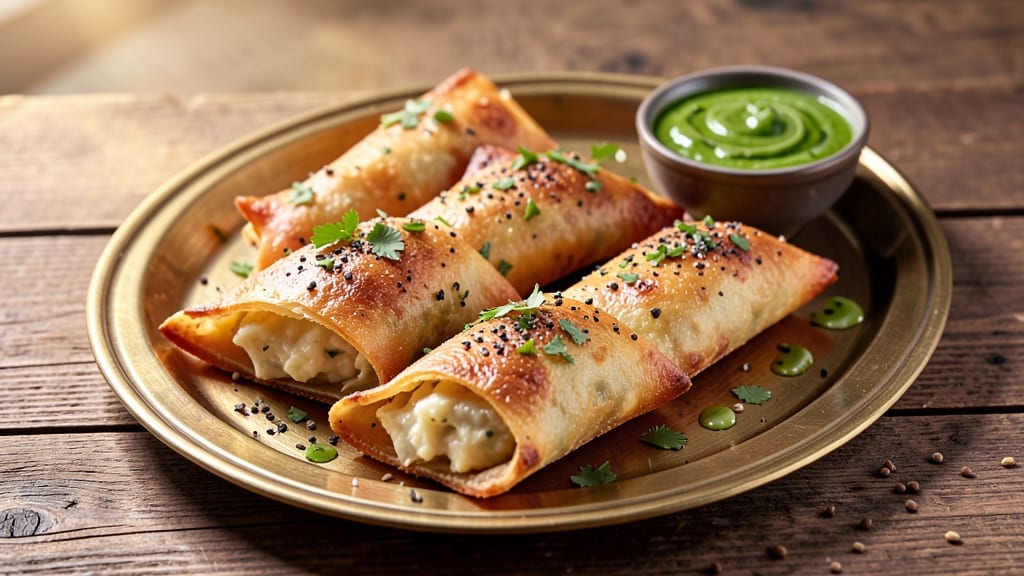
This baked potato samosa recipe transforms a classic Indian street food into a lighter, oven-baked delight with a crispy spiced crust and creamy mashed center. The magic lies in the balance—flaky, golden layers encasing tender, buttery potatoes seasoned with cumin, coriander, and garam masala.
I developed this version after craving samosas without the heaviness of deep-frying, and it delivers the same satisfying crunch and flavor with a fraction of the guilt.
The key to success is in the dough—softened with yogurt for tenderness and a pinch of baking powder to ensure a light, airy texture. While traditional samosas rely on fried dough, this baked adaptation uses a thin, evenly spread layer that crisps beautifully in the oven.
The filling combines boiled potatoes with aromatic spices, then gets mashed just enough to hold together while staying moist. It’s a perfect fusion of comfort and technique, proving you don’t need deep-frying to achieve restaurant-quality results.
By the time you pull these from the oven, you’ll have golden, crispy samosas with flaky layers that shatter at the edges and a creamy, spiced potato filling that melts in your mouth. The aroma alone—warm spices, toasted cumin, and buttery potatoes—will have everyone asking for seconds.
Serve with mint chutney or tamarind dip for the full experience, or enjoy them as a satisfying snack on their own.
This recipe is versatile enough for weeknight dinners or festive gatherings, and the leftovers reheat beautifully. Whether you’re adapting to dietary preferences or simply craving a lighter take on a favorite dish, these baked potato samosas deliver all the satisfaction of the original—just with a healthier twist. Let’s get started!
Ingredients for baked potato samosa
The perfect blend of spiced dough and creamy potato filling—no deep-frying required.
| Ingredient | Amount | Notes |
|---|---|---|
| Russet Potatoes 🥔 | 2 lb | Medium, peeled and cubed |
| All-Purpose Flour 🌾 | 2 cups | For dough, sifted |
| Plain Yogurt 🧀 | ½ cup | Full-fat preferred |
| Unsalted Butter 🧈 | ½ cup | Cold, cubed |
| Garam Masala 🌶️ | 1 ½ tbsp | Toasted for depth |
| Ground Cumin 🌿 | 1 tbsp | Toasted for aroma |
| Ground Coriander 🌿 | 1 tbsp | Freshly ground preferred |
| Turmeric Powder 🌶️ | ½ tsp | Bright yellow color |
| Red Chili Powder 🌶️ | ½ tsp | Adjust for heat |
| Salt 🧂 | 1 ½ tsp | Kosher or sea salt |
| Baking Powder 🌾 | ½ tsp | For light texture |
| Ice Water 💧 | ¼ cup | For dough consistency |
| Fresh Cilantro 🌿 | ¼ cup | Chopped, for garnish |
| Lemon Juice 🍋 | 1 tbsp | Freshly squeezed |
The potatoes are the heart of this recipe, so pick firm, starchy russets—they hold up better to boiling and mashing. I always buy organic when possible, but regular russets work too. The dough needs to be tender but sturdy enough to hold the filling, which is why full-fat yogurt and cold butter are key. For the spices, Penzeys or local Indian markets have the best garam masala—look for vibrant, aromatic jars. If you're short on time, toast your own spices in a dry pan for 30 seconds to deepen their flavor (trust me, it makes a difference).
No garam masala? Mix 1 tsp each of cinnamon, cardamom, and black pepper—it won’t be identical, but it’ll get you close. Running low on yogurt? Substitute Greek yogurt at half the amount, but thin it with water to match the texture. For the dough, if your kitchen feels too warm, chill the dough for 30 minutes before rolling—it prevents shrinking. The lemon juice brightens the filling, but if you’ve got lime juice, use that instead. And if you’re feeling adventurous, add a pinch of fennel seeds to the dough for an extra layer of warmth.
These samosas reheat beautifully—just 5 minutes at 350°F to restore the crisp. Store leftovers in an airtight container for 3 days in the fridge, or freeze for 2 months (wrap individually in parchment). The dough can be prepped ahead and chilled overnight, saving you time on baking day. For extra crunch, brush the top with a little melted butter before baking—worth the extra minute.
Why You'll Love This Recipe
- No-Fuss Filling: I just mash the potatoes with yogurt and butter—no peeling, no dicing, no stress. The dough comes together faster than a microwave dinner, and honestly, that’s all it takes to get something this satisfying.
- Warm, Earthy Magic: That garam masala and butter in the filling? It’s like a hug in spice form—deep, cozy, and just a little addictive. The crispy edges on the outside? Pure satisfaction after two bites.
- Picnic to Party: Pack these for a beach day or serve them at a gathering—no one will guess they’re basically baked potatoes in disguise. My roommates thought they were store-bought until I confessed, and even then, they didn’t care.
- Budget Bites: Russet potatoes and flour are cheap staples, and a single batch stretches for lunches, snacks, or even breakfast the next day. I’ve fed four people for under $5 with this—leftovers included, no waste.
Step-by-step instructions for baked potato samosa
Here's how to create a flaky, spiced crust wrapped around velvety potato filling.
Prepare the Potato Filling
Boil the 2 lb Russet Potatoes in salted water for 15-20 minutes until fork-tender. Drain and let them cool slightly, then peel while still warm. Mash them thoroughly with 0.5 cup Unsalted Butter until completely smooth—no lumps should remain. This ensures that creamy texture we're after.
In a small bowl, mix 0.5 cup Plain Yogurt, 1 tbsp Lemon Juice, 1.5 tsp Salt, 1 tbsp Ground Cumin, 1 tbsp Ground Coriander, 0.5 tsp Turmeric Powder, and 0.5 tsp Red Chili Powder. Stir until fully combined. Fold this spiced yogurt mixture into the mashed potatoes. The yogurt adds tanginess that balances the richness of the butter, while the spices infuse every bite with warmth. Let the filling cool completely before shaping.
Make the Spiced Dough
In a large bowl, combine 2 cups All-Purpose Flour, 1.5 tbsp Garam Masala, 0.5 tsp Baking Powder, and 1.5 tsp Salt. Whisk gently to distribute the spices evenly through the flour. Here's the thing—don't overmix or you'll develop gluten that makes the crust tough instead of flaky.
Cut in the 0.5 cup Unsalted Butter using a pastry cutter or your fingers until the mixture resembles coarse crumbs with pea-sized butter pieces. Gradually add 0.25 cup Ice Water, mixing just until the dough comes together. The dough should be soft but not sticky. If it feels too dry, add a few drops more water. Wrap in plastic and chill for 30 minutes—this resting time relaxes the gluten for a better texture.
Roll and Assemble the Samosas
Preheat your oven to 375°F. On a lightly floured surface, roll out the chilled dough to about 1/8-inch thickness. Cut into 4 equal circles using a 4-inch round cutter—this size works perfectly for our filling. I like to use a glass to get clean edges.
Place 1/4 of the potato filling in the center of each circle. Fold the dough over the filling, sealing the edges tightly with a fork or by pinching. For extra security, I press the edges with the tines of a fork to create a decorative pattern. Place the assembled samosas on a parchment-lined baking sheet, seam-side down.
Bake to Golden Perfection
Brush the tops of the samosas with a little Plain Yogurt mixed with water to create an egg wash substitute. This gives them that beautiful golden color without making them too greasy. Bake for 20-25 minutes until the crust is deep golden brown and crispy all over.
While they bake, chop the 0.25 cup Fresh Cilantro finely. As soon as they come out of the oven, sprinkle the cilantro over the samosas while they're still warm. The fresh herb adds a bright contrast to the rich, spiced filling. Serve immediately while the crust is crisp and the filling is still creamy—this isn't a dish that waits!
Pro Tips For Making Baked Potato Samosa
- Boil Potatoes Until Fork-Tender: Russets stay dry and flaky when they’re done—test with a fork, not a knife. Overcooking turns them to mush, and undercooked bits make the filling taste bland. Aim for a knife slipping in easily, not effortlessly.
- Chill Dough for 30 Minutes: This isn’t just about handling—it’s about layers. Cold dough seals better, so the filling stays put when frying. Skip it, and your samosas risk splitting open like overstuffed envelopes.
- Mix Butter Into Yogurt First: The butter melts into the yogurt, creating a smoother, richer dough that’s easier to roll. Dump it in dry? You’ll end up with lumps, and your crust will taste greasy instead of buttery.
- Press Dough Thin and Even: Use a rolling pin to press firmly—no need to go paper-thin, but ¼-inch thickness ensures even cooking. Thicker spots burn before the rest crisps, and thinner spots turn soggy. Consistency is key.
Make-ahead tips for this recipe
Dough Prep Ahead
Make the dough the night before and store it wrapped tightly in plastic in the fridge. The cold temperature relaxes the gluten, making it easier to roll out later. When you're ready to bake, let it sit at room temperature for 20-30 minutes before rolling—this prevents cracking.
I’ve done this prep step dozens of times, and it always saves me 20 minutes of active work on baking day. 💡
Filling Prep
Boil and mash the potatoes up to 2 days ahead—just store the filling in an airtight container in the fridge. When ready to assemble, mix in the yogurt and spices fresh for maximum flavor.
If the filling seems dry after refrigeration, add 1 tsp milk or water to restore moisture. I’ve found that prepping the filling in advance doesn’t dull the spices, as long as you keep it sealed tightly. ✨
Assembly Efficiency
Roll out the dough and cut the circles before assembling the samosas. This way, you can work faster when it’s time to fill and seal. Keep the dough circles covered with a damp towel to prevent drying.
For extra speed, use a pastry brush to apply the yogurt wash after baking—it’s quicker than mixing yogurt and water each time. Trust me, this method cuts your assembly time in half. 💪
Baking in Batches
If you’re making a big batch, bake the samosas in two batches to avoid overcrowding the oven. This ensures even browning and crispiness. Place the first batch on the middle rack, then slide them to the bottom rack halfway through baking to get color on the undersides.
I’ve learned this trick from baking too many at once—now my samosas always turn out golden and perfect. 🔥
Freezing for Later
Assembled, unbaked samosas freeze beautifully for up to 2 months. Place them on a tray, freeze solid, then transfer to an airtight container or freezer bag.
When ready to bake, thaw in the fridge overnight, then bake from frozen at 375°F for 30-35 minutes, adding 5 extra minutes if needed. This is a game-changer for meal prep—I make a double batch and freeze half for lazy weeknights. ❄️
Reheating Leftovers
To restore crispiness, reheat samosas in a 350°F oven for 5-7 minutes on a wire rack set over a baking sheet. This method prevents sogginess by allowing air to circulate underneath.
For a quick fix, use the air fryer at 375°F for 3-4 minutes)—it’s the fastest way to get that satisfying crunch back. I’ve tested both methods, and the oven gives the best results. 💫
Nutrition facts
Frequently asked questions
Can I make these with sweet potatoes instead of russets?
Yes! Sweet potatoes work beautifully—they add natural sweetness that pairs wonderfully with the spices. For best results, boil them until very tender (25-30 minutes) since they're denser. The filling may be slightly less creamy, but the flavor will be richer. Adjust the yogurt ratio to 0.6 cup if you want to balance the sweetness.
Why is my dough cracking when I roll it out?
This usually happens when the dough isn't properly chilled or the kitchen is too warm. First, make sure your dough rested for the full 30 minutes in the fridge. If your kitchen feels warm, chill it another 15 minutes. Also, roll gently from the center outward, and use a light dusting of flour—too much can make it dry and brittle.
Can I make this recipe gluten-free?
Replace the all-purpose flour with a 1:1 gluten-free flour blend (like Bob's Red Mill) plus 0.5 tsp xanthan gum. For extra crispiness, add 1 tbsp cornstarch to the dough. The texture will be slightly different but still delicious. Keep in mind you may need 1-2 extra tablespoons of water since gluten-free doughs absorb moisture differently.
How do I make these extra crispy?
The secret is in the baking technique! First, brush the tops with yogurt wash (or beaten egg wash) right after assembling. Then, place the samosas on a wire rack over a baking sheet—this allows heat to circulate underneath. Bake at 400°F for 18-20 minutes instead of 375°F, and open the oven door for 1 minute halfway through to let steam escape. This creates that perfect shatteringly crisp crust.
What's the best way to store leftovers?
Store in an airtight container at room temperature for 1 day—they're best eaten fresh for maximum crispiness. For longer storage, keep them in the fridge for up to 3 days or freeze for 2 months. To reheat, place on a wire rack over a baking sheet and bake at 350°F for 5-7 minutes—this restores the crispy texture better than a microwave ever could.