
Side Dishes
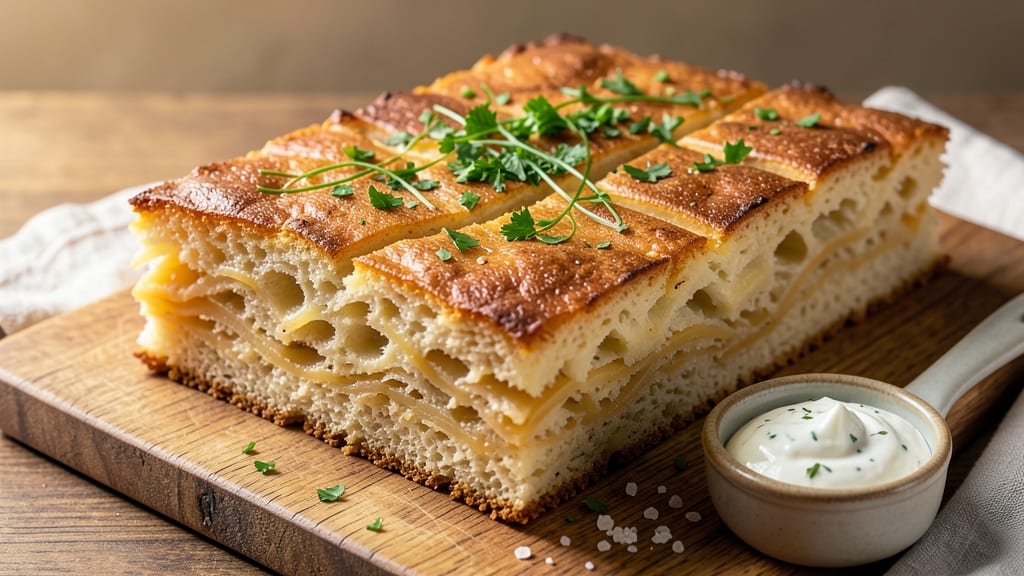
This basic potato cake recipe delivers the perfect balance of crispy golden layers and herby flavor that elevates any meal. The secret lies in properly grating potatoes and mixing them with egg and flour for that signature tender yet crispy texture—no fancy techniques required.
I've perfected this method over years of testing, and it never fails to impress, whether served as a side or a hearty appetizer.
The foundation of great potato cake starts with freshly grated potatoes (never pre-shredded) that release their starch when mixed with egg and flour. A light hand with seasoning ensures the potatoes' natural flavor shines while herbs like parsley or chives add freshness.
The key cooking method—pan-frying in small batches—creates those coveted crispy edges while keeping the interior tender.
What you'll end up with is a dish that's crispy on the outside, fluffy inside, and packed with savory flavor from the herbs. Each bite delivers that satisfying contrast of textures, making it a crowd-pleaser for holidays or everyday dinners.
The golden-brown color alone makes it look restaurant-worthy, but the taste proves it's even better at home.
Serve these potato cakes warm with sour cream or a simple vinaigrette for dipping. They also reheat beautifully, making them perfect for meal prep. Here's how to achieve that perfect balance of crispy and tender in every bite.
Ingredients for basic potato cake
Freshly grated potatoes, herby greens, and crispy butter—everything you need for golden perfection.
| Ingredient | Amount | Notes |
|---|---|---|
| Russet Potatoes 🥔 | 3 lb | Freshly grated, skin on for texture |
| Large Eggs 🥚 | 2 whole | Room temperature for even mixing |
| All-Purpose Flour 🌾 | ½ cup | Lightly spooned, not packed |
| Fresh Parsley 🌿 | ¼ cup | Finely chopped, stems included |
| Fresh Chives 🌱 | 2 tbsp | Thinly sliced, vibrant green |
| Salt 🧂 | 1 ½ tsp | Diamond Crystal preferred |
| Black Pepper 🌶️ | ½ tsp | Freshly cracked for aroma |
| Unsalted Butter 🧈 | ¼ cup | Cold, cubed for frying |
| Vegetable Oil 🫒 | ½ cup | High smoke point for frying |
The potatoes are non-negotiable—Russet is your best bet for that starchy, fluffy texture. Skip the pre-shredded bagged stuff—it's already dried out. Grab a box of Russets from the grocery store and grate them yourself (a box grater or food processor works). For extra flavor, leave the skins on—they add a nice rustic bite. The herbs? Fresh parsley and chives from the grocery store's produce section are ideal, but if they're wilted, dried herbs at half the amount will work in a pinch. Just make sure they're vibrant green—no brown stems or yellowing leaves.
No fresh herbs? Dried parsley or chives at one-third the amount will get you close, though the flavor won't be as bright. Short on butter? Vegetable oil or ghee works just as well for frying—just don't skip the fat, or your cakes won't get crispy. The flour is just a binder, so any all-purpose will do. If you're feeling fancy, swap the parsley for dill or tarragon for a different herby twist. And yes, you can make these ahead—they reheat beautifully in a skillet with a little extra butter.
These keep for 3-4 days in the fridge, wrapped tightly in foil to maintain crispiness. For longer storage, freeze them for up to 3 months—just reheat in a skillet over medium heat until golden and crispy again. I like to portion them into single-serving stacks before freezing so I can grab and reheat just what I need. And pro tip: double the batch—they disappear fast, especially when you serve them with sour cream or a tangy dipping sauce.
Why You'll Love This Recipe
- No-Fuss Mash: I just grate the potatoes raw—no boiling, no peeling—then mix in the eggs and flour. The texture comes out light and fluffy without any fancy techniques.
- Herb-Packed Punch: That fresh parsley and chives? They brighten every bite with a zesty kick. Honestly, the flavor feels way more elevated than basic potato pancakes.
- Crowd-Pleaser Every Time: Serve it crispy as a side with roasted chicken or smother it in sour cream for breakfast. My kids even ask for seconds—no one turns this down.
- Pantry Staple Magic: Russets and eggs are cheap, and the leftovers reheat like a dream. I’ve had these last me four days, and they’re just as good cold as they are hot.
Step-by-step instructions for golden crispy potato cake
Here's how to transform simple ingredients into layers of golden, crispy potato cake with a herby twist.
Grate and Press Out Excess Moisture from Potatoes
Using a box grater, grate the 3 lb Russet Potatoes with the skin on for maximum texture. Work in batches if needed, as freshly grated potatoes release a lot of moisture. Transfer the grated potatoes to a clean kitchen towel or cheesecloth and press firmly to remove excess liquid. This step is crucial—you want the mixture to hold together when you press it into the pan, not fall apart.
Real talk: I always double-wrap the grated potatoes in two layers of cheesecloth for better moisture absorption. Let it drain for 10-15 minutes while you prepare the rest. You'll know you've done enough when you can press the grated potatoes in your hand and they hold their shape without dripping water everywhere.
Mix the Batter with Eggs and Seasonings
In a large mixing bowl, combine the drained grated potatoes with the 2 whole Large Eggs, 0.5 cup All-Purpose Flour, 1.5 tsp Salt, and 0.5 tsp Black Pepper. Using your hands, mix everything together until fully incorporated. I like to use my hands for this step because it helps break up any remaining potato lumps and creates a smooth, cohesive batter.
Next, fold in the 0.25 cup Fresh Parsley and 2 tbsp Fresh Chives by hand. Be gentle here—you don't want to deflate the mixture. The herbs will add a bright, fresh flavor that cuts through the richness of the potatoes. Give it one last mix to ensure everything is evenly distributed throughout the batter. The mixture should be thick but still manageable, like wet sand.
Fry the Potato Cake in Layers
Heat 0.25 cup Unsalted Butter and 0.5 cup Vegetable Oil in a 10-inch oven-safe skillet over medium heat. You want the butter to melt completely and the oil to shimmer before adding the batter. Once the mixture is bubbling gently, carefully pour half of the potato batter into the skillet. Use a spatula to spread it evenly into a thin, even layer.
Cook for 5-7 minutes until the bottom is golden brown and crispy, and the edges start to pull away from the pan. Here's where it gets fun—use a heatproof plate to carefully flip the potato cake onto it. Then, slide it back into the skillet to cook the other side for another 5-7 minutes. You're looking for a deep golden color and crispy texture on both sides. If it browns too quickly, reduce the heat slightly to prevent burning.
Finish with Crispy Top and Herby Garnish
Once both sides are golden and crispy, transfer the skillet to the oven and broil for 2-3 minutes to get an extra-crispy top. Keep a close eye on it—broilers can vary, and you want it golden, not burnt. Remove from the oven and let it rest for 5 minutes before serving. This resting time allows the layers to set slightly, making it easier to slice.
Slice the potato cake into wedges and garnish with additional fresh parsley and chives for a pop of color and fresh flavor. Serve immediately while it's still crispy and warm. The combination of the crispy exterior, fluffy interior, and herby garnish makes this potato cake a showstopper that's perfect for brunch or a hearty side dish.
Pro Tips For Making Basic Potato Cake
- Boil Potatoes Until Fork-Tender: I learned this the hard way—undercooked potatoes make for a dense, gluey cake. Test them after 15 minutes: a fork should slide in like butter. Overcooking? No, just until they’re soft all the way through but still hold shape when drained.
- Rice Potatoes Immediately: Skip the "let them cool" step—drain those hot potatoes and transfer them straight to a fine-mesh sieve. The residual steam helps evaporate excess moisture, which means your batter won’t turn into a soggy mess. (Yes, even if you’re impatient like me.)
- Mix Eggs and Flour First: Here’s the thing that actually changes the outcome: beat the eggs and flour together before adding the potatoes. This creates a smoother, more stable batter that binds better. Stir in the grated potatoes last—they’re heavy, and you’ll thank yourself when the cake doesn’t collapse in the pan.
- Press Parsley and Chives Through a Strainer: Chopping herbs fine is tedious, and big chunks sink to the bottom. Pulse them in a food processor or press through a fine-mesh strainer for even distribution. The flavor’s stronger this way, and your cake looks pro without extra effort. (Your future self will thank you.)
Flavor customization for this recipe
Herby Variations
Swap the parsley and chives for other fresh herbs to change the flavor profile completely. Try 2 tbsp fresh dill and 1 tbsp tarragon for a bright, anise-like twist that pairs beautifully with lemon wedges.
Or go bold with 1 tbsp fresh thyme and 1 tbsp rosemary, finely chopped, for an earthy, woodsy note that works well with roasted meats.
I’ve also had great success with 1 tbsp fresh basil and 1 tbsp oregano for a Mediterranean vibe—just reduce the salt slightly since dried herbs are saltier.
Cheesy Twist
Add ½ cup shredded Gruyère or sharp cheddar to the batter for a rich, melty center. The cheese will create pockets of gooey goodness while still allowing the exterior to stay crispy. For extra decadence, sprinkle ¼ cup grated Parmesan on top before broiling.
Trust me, the first bite of that cheesy, crispy combo is pure magic. Just be sure to use a well-drained potato mixture—too much moisture will make the cheese steam instead of melt.
Spicy Kick
Incorporate heat with 1 tsp smoked paprika and ½ tsp cayenne pepper into the batter for a subtle smoky spice. For a more pronounced kick, fold in 1 tbsp finely chopped jalapeño or ½ tsp chipotle powder.
Serve with a side of sour cream mixed with a pinch of hot sauce for dipping. This variation is a crowd-pleaser at game-day gatherings—just warn your guests if they’re sensitive to spice!
Sweet and Savory
Balance the earthy potatoes with sweetness by adding 1 tbsp finely grated apple or 1 tsp apple cider vinegar to the batter. For extra richness, fold in 2 tbsp caramelized onions into the mixture.
Top with a sprinkle of toasted pecans or walnuts before broiling for crunch. This combo works surprisingly well with a drizzle of honey mustard on the side—sweet, savory, and crispy all in one bite.
Crunchy Add-Ins
Boost texture with ¼ cup crushed potato chips (like Kettle Brand or Ruffles) mixed into the batter for extra crunch. Or fold in 2 tbsp toasted breadcrumbs for a rustic touch.
For a gourmet upgrade, add 2 tbsp finely chopped crispy fried shallots—they add a delicate onion flavor and luxurious crunch. Just be mindful not to overdo it, or the texture will get too dense.
Global Flavors
Give your potato cake an international flair with 1 tsp ground cumin and ½ tsp coriander for a Middle Eastern twist, or 1 tsp curry powder and ½ tsp turmeric for an Indian-inspired version.
For a Japanese touch, add 1 tbsp finely chopped scallions and ½ tsp grated ginger to the batter. These variations pair wonderfully with complementary dips—think tahini sauce for Middle Eastern or soy-ginger glaze for Asian-inspired flavors. 🌍
Nutrition facts
Frequently asked questions
Why do my potato cakes turn out soggy instead of crispy?
Soggy potato cakes usually mean excess moisture wasn't removed properly. Always press grated potatoes in cheesecloth for 10-15 minutes—this step is non-negotiable. Also, avoid overcrowding the pan during frying. Cook in small batches over medium heat with enough butter/oil to create a crispy barrier, not a steam bath.
Can I make potato cake ahead of time?
Yes! Assemble the batter and refrigerate it for up to 24 hours before cooking. For best results, cook and serve immediately for maximum crispiness. If reheating, warm in a skillet with fresh butter for 2-3 minutes per side until golden again. Store leftovers in the fridge for 3-4 days or freeze for 3 months.
What's the best way to serve potato cake?
These versatile cakes shine with a few simple accompaniments. Try warm sour cream with a pinch of salt, tangy apple cider vinegar drizzle, or a creamy dill yogurt sauce. For heartier meals, pair with roasted meats or smoked salmon. The crispy texture soaks up sauces beautifully—serve immediately while still warm!
Can I use sweet potatoes instead of Russets?
While possible, sweet potatoes won't give the same texture. They're naturally moister and less starchy, which can make the cakes dense rather than crispy. If you must use them, grate extra and press longer to remove moisture. For best results, stick with Russet potatoes—their high starch content creates that signature fluffy, crispy combination we all love.
How do I adjust the recipe for a larger group?
Double the recipe but use two 12-inch skillets for even cooking. Work in batches to avoid overcrowding, which steams instead of crisps. For extra-large gatherings, make the batter ahead and refrigerate. Cook in 3-4 batches over medium-low heat to maintain consistent crispiness. Keep cooked cakes warm in a 200°F oven while finishing the rest.