
Salads
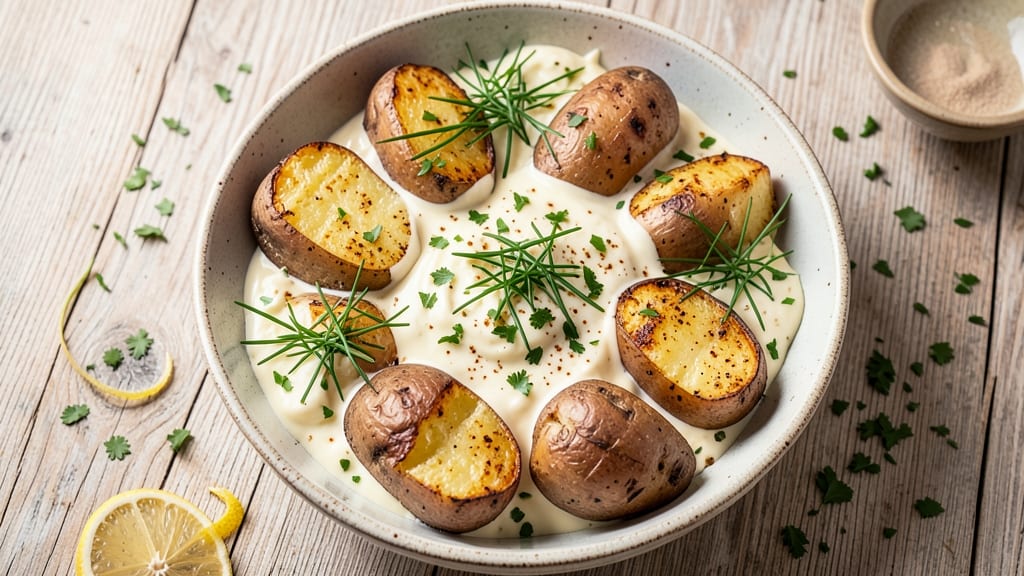
This potato salad recipe using baked potatoes transforms a classic side into something unexpectedly warm and satisfying. The secret lies in baking the potatoes first—creating tender, fluffy bites that absorb flavors beautifully.
I developed this version after realizing traditional potato salad often feels too cold and heavy for summer gatherings, and this approach solves that problem entirely.
What makes this recipe special is the balance of textures: creamy dressing meets crispy herbs, while the baked potatoes add a comforting warmth that sets it apart.
The process is straightforward—bake the potatoes until tender, then mix with a tangy herbed dressing, fresh chives, and a touch of Dijon mustard for depth. It’s restaurant-quality without requiring advanced techniques.
By the time you serve it, you’ll have a potato salad that’s rich yet refreshing—perfect for picnics, barbecues, or even a light summer dinner. The baked potatoes hold their shape beautifully while soaking up the dressing, and the herby crunch from fresh parsley and chives adds a bright finish.
This isn’t your grandmother’s potato salad; it’s a modern twist that will have everyone asking for seconds.
The best part? It’s incredibly adaptable. Swap out the dressing for a mayo-free option, add diced bacon for extra protein, or keep it simple with classic ingredients. The recipe scales easily too, making it ideal for crowds or meal prep. Let’s get started!
Ingredients for potato salad recipe using baked potatoes
Baked potatoes bring warmth and fluffiness to this elevated potato salad—perfect for summer gatherings.
| Ingredient | Amount | Notes |
|---|---|---|
| Russet Potatoes 🥔 | 3 lb | Medium size, scrubbed clean |
| Mayonnaise 🥫 | 1 cup | High-quality, full-fat preferred |
| Sour Cream 🧀 | ½ cup | Full-fat for creaminess |
| Fresh Chives 🌿 | ¼ cup | Finely chopped, for freshness |
| Fresh Parsley 🌿 | ¼ cup | Finely chopped, for brightness |
| Dijon Mustard 🍯 | 1 tbsp | For tangy depth |
| Apple Cider Vinegar 🍏 | 1 tbsp | For acidity balance |
| Granulated Sugar 🍚 | 1 tbsp | Balances flavors |
| Salt 🧂 | 1 ½ tsp | Kosher or sea salt |
| Black Pepper 🌶️ | ½ tsp | Freshly ground |
| Garlic Cloves 🧄 | 2 cloves | Minced for subtle flavor |
| Olive Oil 🫒 | 2 tbsp | For baking potatoes |
| Lemon Juice 🍋 | 1 tbsp | Freshly squeezed |
The potatoes are the foundation here. Russet potatoes work best—they’re starchy and hold their shape when baked. Red potatoesolive oil before baking, especially if you’re serving this warm.
No mayo? Greek yogurt works perfectly—it’s lighter but still creamy. Fresh herbs are non-negotiable here; dried just won’t cut it. Chives and parsley add that bright, fresh finish, but if you’re missing one, green onions or cilantro can step in. The Dijon mustard is crucial for depth—skip the regular yellow if you’ve got it. For a tangier twist, add an extra tablespoon of apple cider vinegar. And if you’re feeling adventurous, a pinch of smoked paprika adds a subtle smokiness that pairs beautifully with the baked potatoes.
This salad tastes even better the next day as the flavors meld. Store leftovers in an airtight container in the fridge for up to 4 days. The potatoes will soften slightly, but a quick reheat in the microwave brings them back to perfection. For meal prep, bake a batch of potatoes ahead and store them separately—just toss them with the dressing when you’re ready to serve. The dressing keeps for 3 days in the fridge if you make it separately, so you can prep ahead and assemble later. Perfect for picnics, barbecues, or even a light summer dinner.
Why You'll Love This Recipe
- No Chopping Nightmare: I bake the potatoes ahead—no peeling, no boiling, just slice and mix. The only knife work is dicing those fresh chives, which takes two minutes flat.
- Creamy Without the Guilt: Honestly, the mayo-sour cream combo is ridiculously good—rich but not heavy, thanks to the fluffy texture from baked potatoes. That crispy skin? I leave it on for crunch.
- Picnic to Potluck Hero: This salad travels like a dream (no soggy messes) and works for barbecues, office lunches, or lazy Sunday suppers. My kids even ask for it at school events—yes, really.
- Leftovers That Don’t Suck: Between us, most potato salads turn to mush in storage. Not this one. The baked potatoes stay firm for days, and the dressing clings instead of separating. Budget win: Russets are cheap, and this recipe stretches far.
Step-by-step instructions for warm baked potato salad
Transform simple baked potatoes into a creamy, herby salad with fluffy texture and bright flavors.
Bake the Potatoes to Perfect Tenderness
Preheat your oven to 425°F. Pierce each of the 3 lb Russet Potatoes with a fork in several places to allow steam to escape. Place them on a baking sheet and drizzle with the 2 tbsp Olive Oil, tossing gently to coat evenly. Bake for 45-50 minutes until a knife slides in easily and the skin is crispy.
I like to test doneness by inserting a knife near the center—the potatoes should be completely tender with no resistance. If the skin starts browning too quickly, tent the sheet with foil to prevent burning while they finish cooking. Let them cool slightly before handling, about 5 minutes—this makes peeling much easier.
Prepare the Herb Dressing
In a medium bowl, whisk together the 1 cup Mayonnaise, 0.5 cup Sour Cream, 1 tbsp Dijon Mustard, 1 tbsp Apple Cider Vinegar, and 1 tbsp Granulated Sugar until smooth and fully combined. The sugar helps balance the acidity while the mustard adds depth. Season generously with the 1.5 tsp Salt and 0.5 tsp Black Pepper.
In a separate small bowl, finely chop the 0.25 cup Fresh Chives and 0.25 cup Fresh Parsley together. Mince the 2 cloves Garlic Cloves and add them to the herbs. Squeeze in the 1 tbsp Lemon Juice—this brightens the flavors and prevents the dressing from becoming too heavy. Mix well and set aside until ready to use.
Fluff and Combine the Potatoes
Once the potatoes are cool enough to handle, peel off the crispy skin and cut them into 1-inch cubes. Transfer them to a large mixing bowl. Using a fork or potato masher, gently fluff the potato cubes to create a light, airy texture. The goal is to break them down slightly without making them into a puree—this keeps the salad's satisfying bite.
Add the herb mixture and the prepared dressing to the potatoes. Stir gently but thoroughly to coat each piece evenly. Taste and adjust seasoning if needed—you might want to add a pinch more salt or a splash of lemon juice to balance the flavors. Let the salad sit for 10 minutes at room temperature to allow the flavors to meld together.
Serve Warm for Maximum Flavor
This salad tastes best served warm, so I recommend assembling it just before serving. The warmth of the potatoes contrasts beautifully with the cool, creamy dressing. Transfer the salad to a serving bowl and give it one final gentle toss to distribute the herbs and dressing evenly.
Garnish with additional chopped herbs if desired, and serve immediately. The texture should be creamy yet still have a satisfying bite from the potato cubes, while the herbs add a fresh, vibrant finish. This salad makes a perfect side for grilled meats or a hearty main dish on its own.
Pro Tips For Making Potato Salad Recipe Using Baked Potatoes
- USE A POTATO PICKER: Russet skins are tough—don’t peel them with a knife. A cheap potato picker (or even a butter knife held sideways) glides through the skin without shredding the flesh. I learned this the hard way after butchering three potatoes with a paring knife and ending up with stringy, sad salad.
- BAKE POTATOES UNTIL THEY’RE SOFT: Pierce them first, then bake at 400°F (200°C) until a fork slides in like butter—no resistance. Underbaked potatoes turn to mush when mixed; overbaked ones dry out. Aim for 60-70 minutes, then let them steam in the foil for another 10 minutes. Trust the fork, not the time.
- MIX COLD POTATOES WITH COLD DRESSING: Drain the baked potatoes completely, then let them cool to room temp before tossing with mayo and sour cream. Cold ingredients bind better, and you’ll avoid a greasy, gloppy mess. I used to skip this, and the salad always ended up like wet potato pancakes.
- CHOP HERBS AT THE LAST MINUTE: Fresh chives and parsley lose their brightness fast. Wait until you’re ready to serve, then snip them into tiny pieces with kitchen shears—it’s faster and keeps them crisp. If you’re prepping ahead, store the herbs separately and fold them in right before eating. The flavor difference is night and day.
Storing and reheating this dish
Refrigerator Storage
Store your baked potato salad in an airtight container with a lid to maintain freshness. The warm potatoes will cool completely within 2 hours in the fridge, and the texture remains pleasant for up to 4 days.
I like using glass Pyrex containers because they keep the salad from absorbing fridge odors. The dressing may separate slightly, but a quick stir before serving brings everything back together. 🥔
Freezer Storage
This salad freezes beautifully for up to 3 months, making it perfect for meal prep. Let it cool completely before transferring to a freezer-safe container or ziplock bag, leaving ½-inch headspace for expansion.
The potatoes will soften slightly when thawed, but a 5-minute microwave reheat (covered with a damp paper towel) restores their fluffy texture. Avoid freezing if you plan to serve it warm—it’s best enjoyed fresh from the oven. ❄️
Reheating for Warm Serving
For the best texture, reheat portions in a microwave-safe bowl on medium power (50%) for 2-3 minutes, stirring halfway. Alternatively, transfer to a skillet over low heat with 1 tablespoon water to prevent drying.
The goal is to warm through without turning the potatoes mushy. A quick toss with extra lemon juice or chives after reheating brightens the flavors. 🔥
Make-Ahead Dressing
Prep the dressing separately and store it in a small airtight container for up to 3 days. This lets you assemble the salad quickly when ready—just toss the cooled potatoes with the dressing and herbs.
I often do this for potlucks, as it saves time while keeping the salad fresh. The dressing’s acidity actually improves overnight, balancing the potatoes’ richness. ✨
Serving Leftovers
Leftover potato salad tastes even better the next day as flavors meld. For a picnic or BBQ, pack it in a thermos with warm water to keep it at serving temperature. If the salad seems dry, add 1 tablespoon sour cream or mayo to restore creaminess.
The baked potatoes hold up well when chilled, though their texture softens slightly—perfect for sandwiches or a cold salad. 💡
Reviving Dry Potatoes
If your stored potatoes lose moisture, sprinkle with 1 teaspoon cold water and gently fold in. For extra richness, stir in 1 tablespoon extra mayo or sour cream.
A pinch of salt and black pepper can also refresh the flavor. This trick works wonders for reviving day-old potato salad without losing its signature texture. 💫
Nutrition facts
Frequently asked questions
Why bake potatoes instead of boiling them for this salad?
Baking creates a fluffy, tender texture that absorbs the dressing beautifully while keeping the potatoes intact. Boiled potatoes often turn mushy and watery, which can make the salad soggy. The baking method also adds natural sweetness that pairs perfectly with the herby dressing. Plus, the crispy skin adds a delightful contrast to the creamy texture!
Can I make this potato salad ahead of time?
The dressing can be made up to 3 days ahead and stored in an airtight container. For best results, bake the potatoes fresh and toss them with the pre-made dressing just before serving. If you need to store the whole salad, keep it in the fridge for up to 4 days—the flavors actually improve overnight as they meld together.
What's the best way to keep the potatoes from turning mushy?
Don't overwork the potatoes when fluffing them—use a fork or potato masher to gently break them up while keeping some texture. Also, avoid adding liquid until just before serving. If your salad seems dry after storage, simply stir in 1 tablespoon of sour cream or mayo to restore creaminess without making the potatoes soggy.
Can I substitute red potatoes for Russets?
Yes, but expect a slightly different texture. Red potatoes will be waxier and hold their shape better, giving you more distinct potato pieces in the salad. Russets are preferred for their fluffiness, but if you love the rustic look of red potatoes, go for it! Just know they'll absorb less dressing and may feel slightly firmer in the finished dish.
How can I make this salad lighter or dairy-free?
For a lighter version, replace half the mayo with Greek yogurt—it keeps the creaminess while cutting calories. For a completely dairy-free option, use vegan mayo and swap sour cream for coconut yogurt. The lemon juice and herbs will still provide that bright, fresh finish you love in this recipe!