
Side Dishes
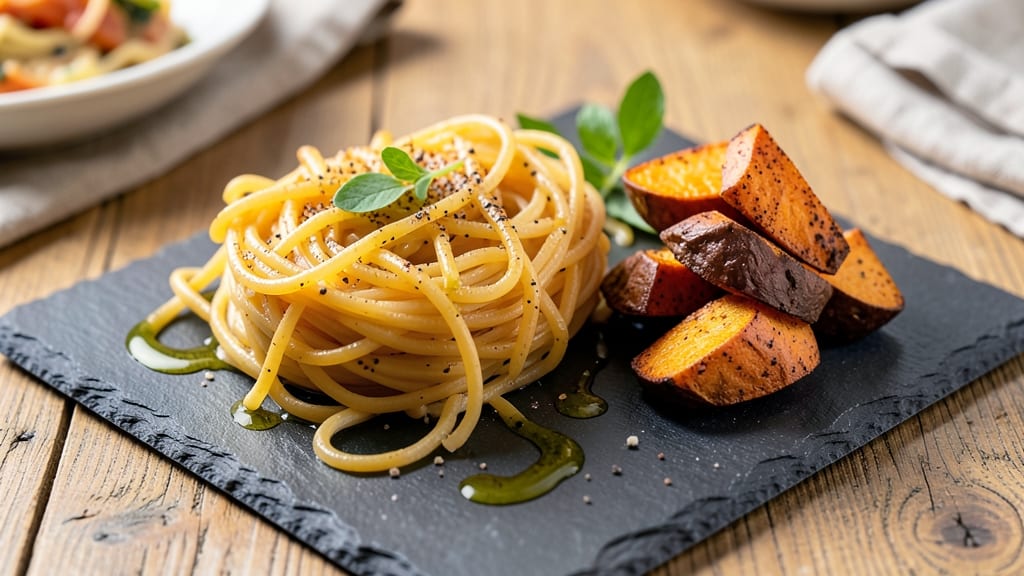
This spaghetti squash and sweet potato recipe transforms humble vegetables into a caramelized, fiber-rich masterpiece that works as both a side dish and a satisfying vegetarian main. The key lies in roasting both ingredients until their natural sugars concentrate into sweet, golden perfection—no artificial flavors needed.
I developed this recipe after realizing how often we overlook these two powerhouses in favor of more complex dishes, and the results speak for themselves.
The beauty of this dish is its versatility and simplicity. Spaghetti squash provides that satisfying "noodle" texture without gluten, while sweet potatoes add natural sweetness and a creamy, almost buttery quality when roasted.
Seasoned with olive oil, salt, and a touch of smoked paprika, they develop a deep, caramelized crust that contrasts beautifully with their tender interiors. The method is foolproof: just halve, roast, and scrape, with minimal effort for maximum impact.
What you’ll end up with is a dish that’s naturally sweet, rich, and deeply flavorful—ideal for pairing with grilled meats, fish, or serving as a hearty vegetarian plate on its own.
The fibrous strands of spaghetti squash hold up perfectly to toppings like toasted pecans, crumbled feta, or a drizzle of tahini-lemon sauce. It’s the kind of recipe that feels indulgent but is actually packed with nutrients, making it a go-to for both weeknight dinners and special occasions.
Whether you’re looking to elevate a simple meal or create a showstopping vegetarian dish, this combination delivers restaurant-quality results with minimal fuss. The best part? Leftovers reheat beautifully, so you can meal prep with confidence. Let’s get started—your taste buds (and your waistline) will thank you.
Ingredients for spaghetti squash and sweet potato
Two humble vegetables meet smoky spices and roasted perfection—no fancy ingredients needed.
| Ingredient | Amount | Notes |
|---|---|---|
| Spaghetti Squash 🍠 | 2 medium | Halved lengthwise for even roasting |
| Sweet Potatoes 🍠 | 2 medium | Organic preferred for richer flavor |
| Extra-Virgin Olive Oil 🫒 | ¼ cup | High quality, fruity variety |
| Smoked Paprika 🌶️ | 1 tsp | For deep, smoky flavor |
| Diamond Crystal Kosher Salt 🧂 | 1 ½ tsp | Fine grain preferred |
| Freshly Ground Black Pepper 🌶️ | ½ tsp | Freshly cracked for best flavor |
| Garlic Cloves 🧄 | 3 cloves | Minced for aromatic depth |
| Fresh Rosemary 🌿 | ¼ cup | Finely chopped, stems removed |
| Toasted Pecans 🥜 | ½ cup | Chopped for garnish (optional) |
| Vegan Feta Cheese 🧀 | ¼ cup | Crumbled for tangy contrast |
| Tahini-Lemon Sauce 🥛 | ¼ cup | For drizzling (optional) |
The spaghetti squash and sweet potatoes are the stars here. Look for squash with a firm, heavy feel—the heavier, the better. Whole Foods and Trader Joe's carry excellent organic options, but any grocery store will have them. Sweet potatoes should be firm with smooth skin—avoid any with soft spots. I always roast them at the same time as the squash to save oven space. The key is to let them develop that deep caramelization, which happens when their natural sugars concentrate. Don't rush this part—patience pays off with that rich, almost buttery texture.
No smoked paprika? Regular paprika plus a pinch of liquid smoke works in a pinch, though it won't be exactly the same. Fresh rosemary is ideal, but dried works at one-third the amount if you're in a hurry. For the tahini-lemon sauce, Trader Joe's has a great pre-made version, or you can whip up your own with tahini, lemon juice, garlic, and a splash of water. The vegan feta adds a nice tang—if you can't find it, marinated tofu crumbles make a decent substitute. The pecans are optional but add a lovely crunch—Costco sells them in bulk for great prices. Toast your own for extra flavor, or just grab pre-toasted from the store.
Roasted squash and sweet potatoes keep beautifully in the fridge for 4-5 days if stored in airtight containers. The flavors actually deepen overnight, so I often make extra for lunches. To reheat, pop them in a 350°F oven for 10-15 minutes until warmed through. They also freeze well for up to 3 months—just thaw overnight in the fridge before reheating. The tahini-lemon sauce keeps for 1 week in the fridge, and the pecans stay fresh for 6 months in a sealed container. This dish is perfect for meal prepping—just portion everything into containers and grab what you need for the week.
Why You'll Love This Recipe
- One-Pan Magic: I swear by this recipe when I’m too tired to wash dishes. Roast the squash and sweet potatoes together—same pan, same time—then toss with olive oil and smoked paprika. The squash strands up like noodles while the sweet potatoes caramelize into sweet, smoky perfection. No straining, no fuss.
- Smoky-Sweet Obsession: That smoky paprika and olive oil combo? It’s the kind of flavor that lingers. The squash gets tender but holds its shape, while the sweet potatoes develop a crispy edge that’s dangerously good with a sprinkle of salt. Honestly, I’ve made it plain before, but the paprika makes it feel like a restaurant dish.
- Meal Prep MVP: This keeps so well—stays warm in the fridge for days and reheats like a dream. Pack it for lunches, serve it at game night, or bring it to a potluck. My kids actually eat their veggies when it’s dressed up like this, and leftovers? They disappear faster than I can say “second helping.”
- Budget Bright Spot: Spaghetti squash and sweet potatoes are my go-to for stretching meals without breaking the bank. A single squash feeds four, and the sweet potatoes add heartiness for pennies. Plus, the olive oil and salt are pantry staples—no specialty shopping needed. It’s the kind of recipe that makes grocery day feel like a win.
Step-by-step instructions for roasted spaghetti squash and sweet potatoes
Transform humble squash and sweet potatoes into a caramelized, fiber-rich masterpiece with this foolproof roasting technique.
Prep and Season the Vegetables
Preheat your oven to 425°F and line two large baking sheets with parchment paper. Cut the two medium spaghetti squash lengthwise into halves, scooping out seeds with a spoon—leave the skin intact for structure. For the sweet potatoes, pierce each with a fork and microwave for 3-4 minutes to soften slightly, making them easier to slice.
Slice the sweet potatoes into ½-inch thick rounds and toss them in a large bowl with the 0.25 cup extra-virgin olive oil, 1 tsp smoked paprika, 1 tsp of the 1.5 tsp kosher salt, and 0.25 tsp of the 0.5 tsp black pepper. The oil should coat the potatoes evenly, and the spices should cling to every surface. For the spaghetti squash, place the halves cut-side down on the prepared baking sheets and rub the flesh with the remaining 0.5 tsp kosher salt and 0.25 tsp black pepper. This ensures crispy edges and tender interiors.
Roast Until Caramelized and Fibrous
Spread the seasoned sweet potato slices in a single layer on one baking sheet, leaving ½-inch space between each piece for even browning. Place the spaghetti squash halves on the second sheet. Roast for 25-30 minutes, flipping the sweet potatoes halfway through, until their edges are deep golden brown and they yield slightly when pressed with a fork.
The spaghetti squash should feel tender when pierced with a knife—its flesh should separate into delicate, noodle-like strands. If the sweet potatoes aren't caramelized enough, return them to the oven for another 5-10 minutes. Here's the thing—roasting at high heat creates those beautiful caramelized edges while keeping the interiors moist and fibrous. Don't rush this step; patience ensures the perfect texture.
Finish with Aromatics and Garnish
While the vegetables roast, mince the 3 garlic cloves and finely chop the 0.25 cup fresh rosemary, removing any woody stems. Once the sweet potatoes and spaghetti squash are done, transfer them to a serving platter. Drizzle the squash strands with the remaining 0.25 cup tahini-lemon sauce and sprinkle evenly with the minced garlic and rosemary. The rosemary adds a bright, piney aroma, while the garlic deepens the savory notes.
Top the dish with 0.5 cup toasted pecans and 0.25 cup crumbled vegan feta cheese for a satisfying crunch and tangy contrast. The pecans should be warm from toasting, and the feta should melt slightly into the strands. Serve immediately while the vegetables are still steaming hot—this dish tastes best straight from the oven, with all the caramelized flavors at their peak.
Pro Tips For Making Spaghetti Squash And Sweet Potato
- PIERCE THE SQUASH: Cut the spaghetti squash in half lengthwise—don’t just hack at it. Use a sharp chef’s knife and slice straight down from the stem to the base, or you’ll end up with uneven halves that roast unevenly. (Yes, it’s fiddly, but trust me, the even cooking is worth it.)
- ROAST SWEET POTATOES FIRST: Toss the sweet potatoes in olive oil and smoked paprika, then roast them at 425°F for 20 minutes before adding the squash. This jumpstarts their caramelization while the squash cooks, saving you from drying them out later. (I learned this after one soggy batch where I played it safe.)
- SALT THE SQUASH HALVES: Sprinkle the cut sides of the spaghetti squash with kosher salt before roasting—about ½ teaspoon per half. It crisps the edges slightly and balances the natural sweetness of the squash. (Skip this, and you’ll miss that subtle texture contrast.)
- TEST FOR DONENESS WITH A FORK: The squash is done when the flesh easily pulls apart with a fork, but don’t overcook it—it’ll turn to mush. If the edges are still firm after 40 minutes, cover with foil and let it steam for 10 minutes. (I’ve ruined a batch by ignoring this; now I check every 10 minutes.)
Dietary considerations for this dish
Gluten-Free Foundation
This recipe is naturally gluten-free—no substitutions needed! Spaghetti squash provides a satisfying "noodle" texture without gluten, while sweet potatoes add natural sweetness and fiber. The seasoning blend of smoked paprika, rosemary, and garlic keeps it flavorful without hidden gluten sources.
Always double-check labels on vegan feta or tahini-lemon sauce if using store-bought, as some brands may contain gluten. 🌱
Vegan Adaptations
To make this fully vegan, simply omit the vegan feta and replace it with marinated tofu crumbles or extra toasted pecans. The tahini-lemon sauce is already plant-based, and the roasted vegetables provide all the richness without dairy.
For extra protein, toss in chickpeas or white beans while roasting. The dish stays hearty and satisfying while keeping it completely plant-based.
Low-Carb Potential
This recipe is naturally low-carb when focusing on the spaghetti squash, which has only 10g net carbs per serving (after subtracting fiber). The sweet potatoes add 20g net carbs per serving, so portion control matters if tracking macros.
For a lower-carb version, reduce sweet potato slices to ¼-inch thickness or replace half with cauliflower florets—they roast beautifully alongside the squash.
Allergen Awareness
Watch for tree nuts if using pecans—substitute with pumpkin seeds or sunflower seeds for nut-free versions. The tahini-lemon sauce contains sesame, so skip it if avoiding sesame allergens.
For soy-free diets, ensure your vegan feta is soy-free (many brands use soy as a base). The base recipe is otherwise nut-free, soy-free, and dairy-free when using plant-based alternatives.
High-Fiber Boost
This dish delivers 12g fiber per serving—mostly from the spaghetti squash and sweet potatoes—making it perfect for digestive health. The rosemary and garlic enhance nutrient absorption, while the smoked paprika adds antioxidants.
For even more fiber, add chopped Brussels sprouts or asparagus to the roasting pan. The natural sweetness satisfies cravings without refined sugars. 💪
Nutrition facts
Frequently asked questions
Can I substitute butternut squash for sweet potatoes?
Yes, butternut squash works beautifully for a milder, slightly sweeter flavor! Use 2 cups cubed butternut squash instead of the sweet potatoes, and reduce roasting time by 5-10 minutes since it's denser. The texture will be creamier rather than fibrous, but it pairs perfectly with the spaghetti squash strands.
How do I make this dish vegan?
Skip the vegan feta and replace it with marinated tofu crumbles or chickpeas for protein. The tahini-lemon sauce is already plant-based, and the roasted vegetables provide all the richness. For extra flavor, add smoked paprika or nutritional yeast to the tofu. This keeps the dish fully vegan while maintaining that satisfying texture.
Why does my spaghetti squash turn out mushy?
Over-roasting or cutting the squash too soon after removing from the oven causes mushiness. Remove it when tender but still firm—it should separate easily with a fork. Let it rest 5 minutes before scraping to avoid tearing the strands. For extra crispiness, roast at 400°F instead of 425°F to slow caramelization.
Can I meal prep this recipe?
Store components separately in airtight containers for 4-5 days. Reheat squash strands in a 350°F oven for 10 minutes and sweet potatoes in the microwave for 2 minutes. Add fresh toppings (pecans, herbs) when serving to keep them crisp. The flavors actually improve overnight, making it perfect for lunches!
What’s the best way to serve this dish?
This recipe shines as a vegetarian main with a protein like grilled chicken or tofu, or as a side dish for roasted meats. Garnish with fresh parsley, extra lemon zest, or a drizzle of pesto for extra flavor. It also works cold in salads or wraps—just toss with olive oil and herbs for a quick meal.