
Side Dishes
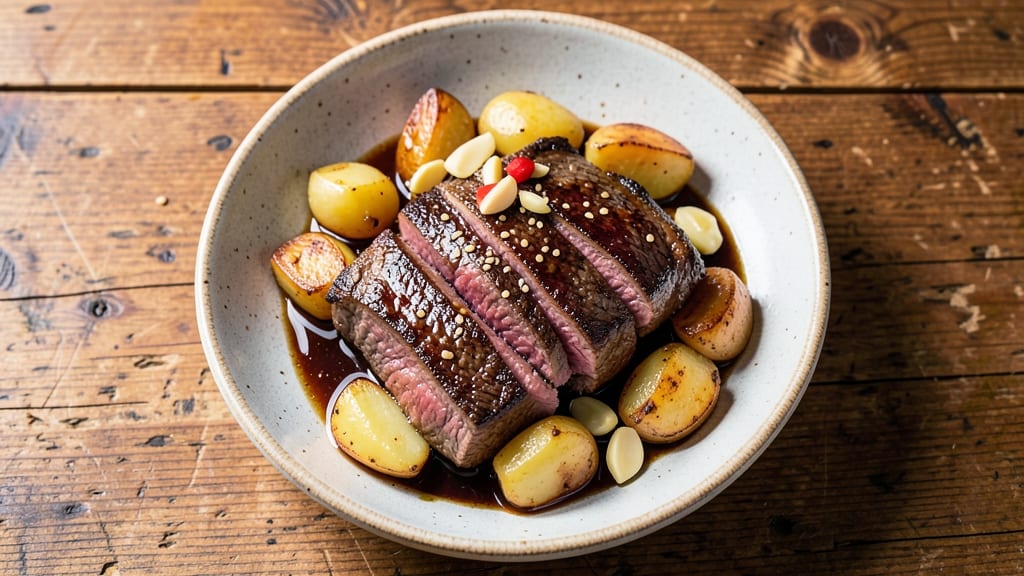
This steak and potato stir fry recipe delivers restaurant-quality results with crispy edges and juicy bites—all in under 30 minutes. The secret lies in high-heat searing for the steak and proper potato prep to achieve that perfect tender-crisp texture.
I developed this recipe after years of testing stir-fry techniques, and it never fails to impress.
What sets this dish apart is the balance of flavors and textures: tender steak strips with a caramelized crust, golden potatoes that stay crispy without turning mushy, and a savory sauce that ties everything together.
The key is using a wok or large skillet to ensure even cooking and maximum flavor development through proper searing.
By the time you're done, you'll have a dish that's hearty enough to stand alone but still light enough for a weeknight dinner. The steak remains juicy inside while developing a delicious crust, and the potatoes achieve that ideal crispy exterior with a soft center that's impossible to resist.
Serve with steamed greens or a side of rice to complete the meal. Here's how to make it perfectly every time.
Ingredients for steak and potato stir fry
Pantry staples plus a few specialty touches for that wok-fired magic.
| Ingredient | Amount | Notes |
|---|---|---|
| Ribeye Steak 🥩 | 1 ¼ lb | Thinly sliced against grain, 1/4-inch thick |
| Yukon Gold Potatoes 🥔 | 1 ½ lb | Cut into 1-inch cubes, parboiled 5 minutes |
| Sesame Oil 🫒 | 1 tbsp | For aroma, not cooking |
| Vegetable Oil 🫒 | ½ cup | High smoke point for searing |
| Fresh Ginger 🌿 | 2 tbsp | Finely minced, peeled |
| Garlic Cloves 🧄 | 6 cloves | Minced, peeled |
| Low-Sodium Soy Sauce 🍶 | ⅓ cup | Kikkoman preferred |
| Honey 🍯 | 1 tbsp | For balance, not too thick |
| Rice Vinegar 🍶 | 2 tbsp | For brightness |
| Sesame Seeds 🌾 | 1 tbsp | Toasted for garnish |
| Diamond Crystal Kosher Salt 🧂 | 1 ½ tsp | For seasoning |
| Freshly Ground Black Pepper 🌶️ | ½ tsp | Cracked peppercorns preferred |
| Green Onion 🧅 | 3 whole | Sliced thin, white and green parts |
The steak makes or breaks this dish. Ribeye is ideal—it's marbled enough to stay juicy but not so fatty it gets greasy. Grab a 1.25 lb pack from the butcher counter (they'll slice it for you) or buy pre-sliced at Whole Foods. If you're slicing yourself, cut against the grain for tender bites. Yukon Gold potatoes are the secret weapon here—they're waxy enough to stay crispy but creamy inside. I like to parboil them first so they don't turn to mush in the wok. Costco
No sesame oil? Toasted peanut oil works in a pinch, but it's not the same. The sauce is where you can get creative—swap the honey for maple syrup if you're vegan, or add a splash of sriracha for heat. Low-sodium soy sauce is key here; regular soy sauce will overpower everything. Fresh ginger and garlic are non-negotiable for flavor, but if you're in a bind, paste works at double the amount. The potatoes? Baby potatoes work great if you're short on time—just halve them before parboiling. And for the love of stir-fry, don't skip the rice vinegar—it cuts through the richness. Steak and potatoes reheat like a dream—just toss them in a hot skillet with a splash of oil. 3 days max in the fridge, though. The sauce keeps for 1 week in the fridge, but it's best fresh. I always double the sauce because it's perfect over rice or noodles. For leftovers, store the steak and potatoes separately—they stay crispier that way. Freeze the sauce in ice cube trays for easy single-use portions. And if you're prepping ahead, parboil the potatoes the night before—they'll be ready to stir-fry in minutes.
Why You'll Love This Recipe
- One-Pan Magic: I swear by this for nights when I don’t want to wash a million dishes. The ribeye and potatoes go in together, and by the time the steak hits medium-rare, those Yukon Golds are caramelized just enough to make the whole pan smell like a restaurant kitchen. Honestly, it’s the kind of meal that makes me feel like a home chef without the fuss.
- Ginger-Sesame Kick: That fresh ginger? It’s the secret weapon here—sharp, bright, and cutting through the richness of the ribeye like a knife. A quick toss with sesame oil at the end ties everything together with this nutty, toasty aroma that makes the whole dish taste like it’s been simmering for hours. (Yes, even on a Tuesday night.)
- Lunchbox Hero: Between us, this is my go-to for meal prep. The leftovers reheat like a dream—crispy edges on the potatoes, still tender steak—so I can pack it for work or lunch with my kids. I’ll be real: my daughter picks out the biggest chunk of steak first, but still asks for seconds. That’s the real test.
- Budget Steakhouse Feel: Ribeye doesn’t have to break the bank. By cutting the steak thin against the grain and stir-frying it fast, you get that restaurant-quality texture without the price tag. Plus, Yukon Golds are cheaper than fingerling potatoes but just as satisfying—especially when they’re crispy on the outside and buttery inside. It’s the kind of meal that makes me feel fancy without the guilt.
Step-by-step instructions for wok-fired steak and potatoes
Here's how to deliver that perfect balance of crispy edges and tender centers in every bite.
Parboil and Season the Potatoes
Start by placing the 1.5 lb Yukon Gold Potatoes in a pot of boiling salted water for 5 minutes. You want them partially cooked—just tender enough to hold their shape but still firm to the bite. Drain immediately and transfer to a bowl of ice water to stop the cooking process. This prevents them from turning mushy during the stir-fry.
While they cool, season them generously with 1.5 tsp Diamond Crystal Kosher Salt and 0.5 tsp Freshly Ground Black Pepper. Toss them gently with 1 tbsp Sesame Oil to enhance their flavor and prevent sticking. Let them sit at room temperature for 10 minutes before cooking—this ensures even heating in the wok.
Slice and Marinate the Steak
Take the 1.25 lb Ribeye Steak and slice it thinly against the grain into ¼-inch thick strips. The grain direction is crucial—look for the muscle fibers and cut perpendicular to them. This ensures each bite is tender, not chewy.
In a bowl, combine the sliced steak with 0.33 cup Low-Sodium Soy Sauce, 1 tbsp Honey, and 2 tbsp Rice Vinegar. Let it marinate for 10 minutes—just enough time for the flavors to penetrate without over-softening the meat. Don't skip this step; the marinade adds depth and helps create that signature caramelized crust during cooking.
Build the Wok Base and Cook the Potatoes
Heat a wok or large skillet over high heat until it's screaming hot. Add 0.5 cup Vegetable Oil and let it shimmer. Toss in the minced 2 tbsp Fresh Ginger and 6 cloves Garlic Cloves, cooking for 30 seconds until fragrant. This is your aromatic foundation—don't let it burn, or you'll taste bitterness.
Add the seasoned potatoes and stir-fry for 4-5 minutes, tossing constantly, until they develop golden brown spots on the edges. The potatoes should be heated through but still hold their shape. Remove them to a plate and set aside—keeping them warm while you cook the steak.
Sear the Steak to Perfection
Working quickly, add the marinated steak strips to the wok in a single layer. Let them sear undisturbed for 1-2 minutes until they develop a deep golden crust. This is where the magic happens—don't move them around or you'll steam instead of sear.
Stir-fry for an additional 2-3 minutes until the steak reaches medium-rare (internal temperature of 130-135°F). The edges should be caramelized, and the centers should still be slightly pink. Remove the steak to a plate and tent loosely with foil to keep it warm.
Combine and Finish with Flavor
Return the potatoes to the wok and add the cooked steak back in. Pour in any remaining marinade from the bowl, scraping up any browned bits from the bottom—this adds incredible depth of flavor. Stir-fry for 1-2 minutes until everything is heated through and coated in the sauce.
Finish with the 3 whole Green Onion, sliced thin, and 1 tbsp Sesame Seeds for texture and aroma. Taste and adjust seasoning if needed—you might want to add a splash more soy sauce or a drizzle of honey for balance. Serve immediately while everything is still sizzling hot, with extra sesame seeds sprinkled on top for that final restaurant-quality touch.
Pro Tips For Making Steak And Potato Stir Fry
- CUT STEAK AGAINST THE GRAIN: Thin slices—about ¼-inch thick—cook faster and stay tender, but only if you slice perpendicular to the muscle fibers. I used to ignore this and ended up with chewy, rubbery steak. A sharp knife and a steady hand make all the difference here.
- PARBOIL POTATOES UNTIL FIRM: Yukon Golds need a 5-minute head start in boiling water—just until a knife slides in easily but doesn’t fall apart. Overcooking turns them mushy, and undercooking means they’ll never crisp in the stir-fry. Drain well, then shock in ice water to stop cooking.
- USE HIGH HEAT FOR CRUST: The wok or pan should be screaming hot before the steak hits—no waiting around. I learned this after watching my first batch turn out greasy instead of caramelized. Let the oil shimmer, then work fast: 30 seconds per side max for perfect sear.
- GINGER: GRATE, DON’T CHOP: Fresh ginger loses its punch when chopped, but a microplane or fine grater releases its oils and aroma instantly. Toss it in at the end with the sesame oil—just before serving—to keep the flavor bright. (Yes, even if it looks like confetti.)
Common mistakes when making great steak and potato stir fry
Overcrowding the Wok
This is the #1 mistake I see home cooks make—adding too much to the wok at once. When you overcrowd, the steak and potatoes steam instead of sear, resulting in soggy potatoes and pale, flavorless meat. The wok should only be ⅓ full when you start cooking.
If you're working with large batches, cook in two batches—first the potatoes, then the steak. I promise you'll taste the difference in that crispy crust. 🔥
Skipping the Parboil
Many people try to stir-fry potatoes straight from raw, thinking they'll get away with it. Big mistake! Potatoes release starch when cooked, and without pre-cooking, they'll turn to mush in the wok.
The 5-minute parboil is non-negotiable—it ensures your potatoes stay firm on the outside while cooking through. Trust me, your stir-fry will thank you later.
Uneven Heat Distribution
Not all stovetops are created equal, and using the wrong heat setting can ruin your dish. If your wok isn't hot enough, the steak will release juices that turn the potatoes soggy. If it's too hot, you'll burn the garlic and ginger before the potatoes even brown.
Keep your wok over high heat the entire time, and use a 14-inch carbon steel wok (like Made In wok) for even heat distribution. Preheat it for 5 minutes before adding oil.
Ignoring the Marinade Time
Some cooks rush the marinade step, thinking it's not important. But those 10 minutes of marinating make all the difference—the soy sauce and vinegar tenderize the steak slightly while adding layers of flavor. If you skip it, your steak will be tougher and less flavorful.
Pro tip: If you're short on time, marinate for at least 5 minutes, but don't exceed 15 minutes or the steak will get mushy.
Cutting Steak With the Grain
This is a classic mistake that turns tender steak into chewy disappointment. Always slice against the grain—look for the muscle fibers and cut perpendicular to them. If you cut with the grain, you'll end up with long, fibrous bites that feel like chewing on shoe leather.
Take your time here; it's worth the extra effort for that melt-in-your-mouth texture. 💪
Using the Wrong Oil
Not all oils are created equal for high-heat cooking. If you use olive oil or butter, they'll burn and create bitter flavors. Stick with a high-smoke-point oil like avocado oil or vegetable oil for searing.
Sesame oil is for finishing only—never use it for cooking. I keep a bottle of Mazola vegetable oil on hand specifically for stir-fries because it handles the heat without breaking down.
Nutrition facts
Frequently asked questions
Can I use frozen potatoes for this stir-fry?
Fresh potatoes are ideal for the perfect texture, but you can use frozen if needed. Thaw them completely first, then pat dry thoroughly to prevent excess moisture in the wok. For best results, parboil them for an extra 2 minutes to ensure they're fully cooked through.
What's the best way to cut steak for stir-fry?
Slice the steak against the grain into ¼-inch thick strips. Look for the muscle fibers and cut perpendicular to them. This ensures each bite is tender, not chewy. A sharp knife and steady hand make all the difference!
Can I make this recipe without a wok?
Use a 12-inch cast iron skillet or large nonstick pan. The key is maintaining high heat and cooking in batches to avoid overcrowding. A carbon steel skillet works best for that authentic wok texture.
How do I adjust the heat level for different preferences?
For medium-rare steak, cook for 2-3 minutes after initial searing. For medium, add 1 more minute. Well-done steak isn't ideal for stir-fry, but if needed, cook until internal temp reaches 160°F. The potatoes will stay crispy regardless of steak doneness.
What's the secret to crispy potatoes?
The 5-minute parboil followed by proper seasoning and high-heat stir-frying creates that perfect texture. Never skip the ice bath after parboiling—it stops cooking and preserves crispness. Toss with sesame oil before cooking to enhance flavor and prevent sticking.