
Side Dishes
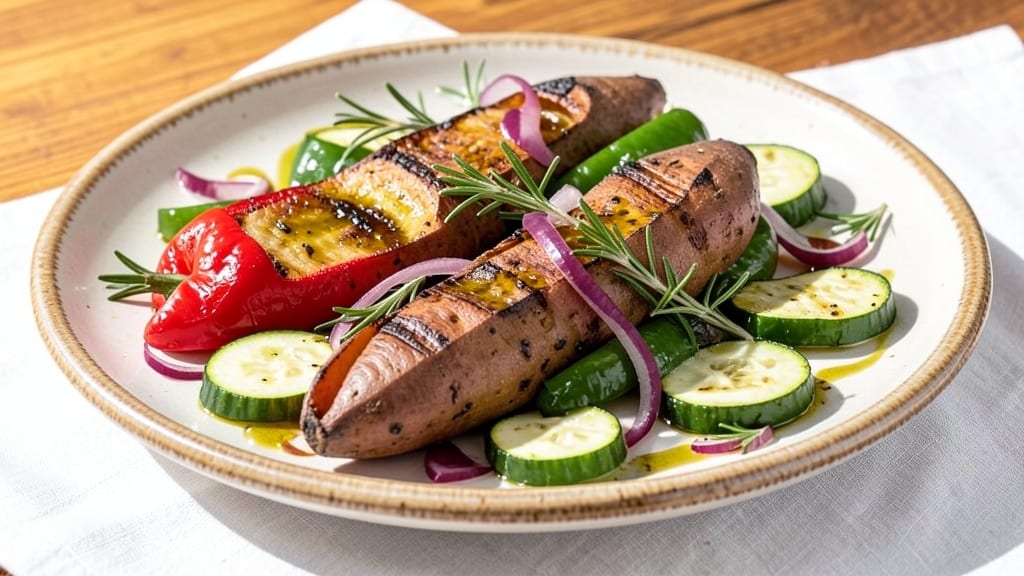
This sweet potato and vegetable recipe transforms humble ingredients into a restaurant-worthy side dish that steals every meal. 🌟 The secret lies in high-heat roasting, which caramelizes the sweet potatoes until their edges turn deep golden while keeping their centers tender and moist.
I developed this recipe after years of testing different methods, and it consistently delivers that perfect balance of texture and flavor—sweet, earthy, and just slightly crispy around the edges.
The beauty of this dish is its versatility—it works as a standalone vegetarian main when paired with a protein like grilled chicken or chickpeas, or as a hearty side for roasted meats.
The vegetables (think bell peppers, zucchini, and red onions) add vibrant color and texture, while a simple olive oil and herb marinade ensures every bite is packed with flavor. No fancy techniques are required—just a baking sheet, a little patience, and a foolproof method that yields consistent results.
What you’ll end up with is a crowd-pleasing dish that’s as easy to prepare as it is impressive to serve. The sweet potatoes develop a caramelized crust that contrasts beautifully with their creamy interiors, while the vegetables become tender-crisp with a subtle char.
The aroma alone will have everyone at the table asking what’s for dinner. This recipe is perfect for meal prep, holiday gatherings, or a cozy weeknight dinner when you want something that feels special without the fuss.
Serve it alongside grilled meats, fish, or even as a vegan-friendly main with a sprinkle of fresh herbs and a drizzle of balsamic glaze. The best part? Leftovers reheat beautifully, making it an ideal dish for busy schedules. Ready to elevate your side dishes? Let’s get started.
Ingredients for sweet potato and vegetable
Transform humble veggies into a restaurant-worthy side with these perfectly balanced ingredients.
| Ingredient | Amount | Notes |
|---|---|---|
| Medium Sweet Potatoes 🍠 | 4 whole | Organic preferred, peeled and cubed |
| Bell Peppers 🧅 | 2 whole | Assorted colors, sliced into strips |
| Zucchini 🥒 | 2 medium | Sliced lengthwise into half-moons |
| Red Onions 🧅 | 1 whole | Thinly sliced, soaked in cold water |
| Extra-Virgin Olive Oil 🫒 | ⅓ cup | Fruity variety for best flavor |
| Fresh Rosemary 🌿 | ¼ cup | Chopped finely, stems removed |
| Fresh Thyme 🌿 | ¼ cup | Leaves only, chopped |
| Garlic Cloves 🧄 | 4 cloves | Minced finely, aromatic |
| Sea Salt 🧂 | 1 ½ tsp | Diamond Crystal preferred |
| Ground Black Pepper 🌶️ | ½ tsp | Freshly cracked |
| Balsamic Glaze 🍯 | 2 tbsp | For drizzling at serving |
| Fresh Parsley 🌿 | ⅛ cup | Chopped, for garnish |
Sweet potatoes are the star here—organic varieties like Beauregard develop the best caramelized edges. Trader Joe's and Whole Foods carry them year-round, but check the produce section for vibrant, firm tubers (no soft spots!). The vegetables should be fresh but firm—bell peppers with crisp skin and zucchini that doesn't yield when squeezed. For herbs, I always grab fresh rosemary and thyme from the grocery store's refrigerated section—they keep for 1 week if wrapped tightly in damp paper towels. The garlic? Elephant garlic if you're feeling fancy, but regular works too.
No balsamic glaze? Drizzle with extra-virgin olive oil and a pinch of salt instead—it's still delicious. Swap red onions for yellow or white if that's what's available, but soak them for 10 minutes to mellow their bite. Short on fresh herbs? Dried rosemary and thyme at one-third the amount works in a pinch, but fresh is worth the extra flavor. The olive oil matters here—avoid the cheap stuff. A good fruity EVOO makes all the difference when roasted at high heat. For extra smokiness, add ½ tsp smoked paprika to the marinade.
Roasted veggies reheat beautifully—just 5 minutes at 350°F until warmed through. Store leftovers in airtight containers for 4-5 days, but they're best enjoyed fresh. For meal prep, portion into individual containers so you can grab and go. The caramelized edges soften slightly when reheated, but the sweet potatoes stay tender. Freeze portions for up to 3 months if you want to make ahead—just thaw overnight in the fridge before reheating.
Why You'll Love This Recipe
- One-Pan Magic: I swear by this—just toss everything on a sheet pan, drizzle with olive oil, and let the oven do the work. No pots, no pans, no stress. That caramelized onion sweetness? Happens while you’re scrolling through your phone.
- Sweet & Savory Balance: The roasted sweet potatoes bring natural sweetness, while the bell peppers and zucchini add a fresh, almost smoky depth. Honestly, the first bite makes me forget it’s "healthy"—it’s just ridiculously good.
- Meal Prep MVP: Between us, this is my go-to for lunches all week. The flavors actually improve overnight, and I can grab a portion straight from the fridge—no reheating needed. (Yes, even on a Tuesday night.)
- Budget-Friendly Staples: Sweet potatoes and onions last forever, and bell peppers/zucchini are cheap when you buy them in season. I’ve made this for $8 and fed four people—plus, the leftovers turn into next-day hash or a quick frittata. No waste, all win.
Step-by-step instructions for roasted sweet potatoes and vegetables
Transform humble vegetables into a caramelized masterpiece with this foolproof roasting method.
🔥 Step 1: Prep and Season the Vegetables
Start by preheating your oven to 425°F—this high heat is essential for achieving those coveted caramelized edges. While it heats, prepare your vegetables by peeling and cutting the 4 whole medium sweet potatoes into 1-inch cubes. For the 2 whole bell peppers, slice them into ½-inch strips, and cut the 2 medium zucchini into ½-inch half-moons.
Drain and thoroughly dry the 1 whole red onion after soaking it in cold water for 5 minutes—this removes sharpness and prevents bitterness. In a large bowl, combine all the prepared vegetables. Add the 0.33 cup extra-virgin olive oil, 0.25 cup fresh rosemary, 0.25 cup fresh thyme, 4 minced garlic cloves, 1.5 tsp sea salt, and 0.5 tsp ground black pepper. Toss everything vigorously with your hands until every piece is evenly coated and glistening.
🍳 Step 2: Roast Until Caramelized and Tender
Spread the seasoned vegetables in a single layer on two large rimmed baking sheets, leaving ½-inch space between pieces. This prevents crowding and ensures even browning. Roast for 20 minutes, then carefully flip each piece using tongs. Return to the oven and roast for another 15-20 minutes until the edges are deeply caramelized and the sweet potatoes are fork-tender.
Here's the thing—don't walk away during the last 10 minutes. Check frequently after 25 minutes total because ovens vary. You're looking for golden brown edges with some charred spots on the sweet potatoes. The vegetables should be soft enough to pierce easily with a fork but still hold their shape. If they're browning too quickly, tent the pans with foil to prevent burning.
🥘 Step 3: Finish with Fresh Herbs and Balsamic Glaze
Remove the roasted vegetables from the oven and let them cool for 5 minutes on the baking sheets. This resting period allows the flavors to meld and prevents the vegetables from becoming mushy when you handle them. While they cool, make a quick herb garnish by combining the 0.125 cup fresh parsley with 1 teaspoon olive oil from the baking sheets (strain if needed).
Transfer the roasted vegetables to a large serving platter. Drizzle generously with the 2 tbsp balsamic glaze, letting it pool in the crevices. Sprinkle the herb mixture evenly over the top, then give everything a final toss to distribute the glaze and herbs. The contrast of sweet caramelized vegetables with the tangy balsamic and fresh herbs is what makes this dish truly special.
🍽️ Step 4: Serve Immediately for Maximum Flavor
Serve the roasted vegetables while still warm for the best texture and flavor. The caramelized edges should be crisp enough to stand up to a fork, while the interiors remain tender. Each bite should deliver a perfect balance of sweetness from the sweet potatoes, earthy depth from the roasted vegetables, and bright acidity from the balsamic glaze.
This dish pairs beautifully with grilled proteins or as a standalone vegetarian main. The vibrant colors and enticing aromas make it perfect for gatherings, but it's equally satisfying as a simple weeknight dinner. The leftovers reheat beautifully—just warm through in the oven for 5-10 minutes to restore that caramelized texture.
Pro Tips For Making Sweet Potato And Vegetable
- CUT SWEET POTATOES EVENLY: Use a mandoline or sharp knife to slice them into ¼-inch rounds—thicker pieces stay gummy, thinner ones crisp up faster. I learned this the hard way when my first batch turned out like sad, mushy pancakes.
- SALT THE ONIONS FIRST: Toss sliced red onions with ½ teaspoon salt and let them sit for 10 minutes before cooking. This softens them and draws out bitterness—no more chewy, raw edges ruining your dish.
- DON’T OVERCROWD THE PAN: Cook the veggies in batches if needed—even if it means two trips to the stove. A packed pan steams instead of sears, and you’ll end up with limp zucchini and soggy peppers instead of caramelized goodness.
- ROAST SWEET POTATOES SEPARATELY: Toss sweet potatoes with oil and roast them at 400°F (200°C) for 20 minutes before adding the other veggies. They’ll stay tender and sweet, not turning to mush while the peppers and onions crisp up. (Yes, it’s one more pan, but it’s worth it.)
Essential equipment for great sweet potato and vegetable
Baking Sheet Essentials
You’ll need two large rimmed baking sheets—they’re non-negotiable for even roasting. I swear by All-Clad Stainless Steel sheets because they distribute heat perfectly and resist warping.
For budget-friendly options, Nordic Ware Natural Aluminum works just as well. Avoid flimsy disposable pans—they can’t handle the high heat needed for caramelization. 🔥
Pro tip: Use sheets that are at least 16x12 inches to give your veggies room to breathe. If you’re short on space, roast in batches—just don’t overcrowd, or you’ll end up with steamed veggies instead of caramelized perfection.
Tongs for Flipping
Invest in a good pair of tongs—I use OXO Good Grips—because they give you the control to flip delicate veggies like zucchini without crushing them. Avoid forks or spatulas; they pierce the sweet potatoes and release juices, turning your roast into a soggy mess.
Look for tongs with silicon tips for extra grip and durability.
Mixing Bowl for Coating
A large stainless steel mixing bowl (at least 8-quart capacity) is key for evenly coating your veggies in the marinade. I like Cuisinart Stainless Steel bowls because they’re sturdy and easy to clean.
Avoid glass—it can crack under high heat if you’re tempted to preheat it. For extra flavor, toss the veggies in the bowl with your hands—it ensures every piece gets that glistening, even coating.
Measuring Tools
Precision matters when it comes to seasoning. Use a stainless steel measuring spoon set (like OXO Stainless Steel) for accurate measurements of salt, pepper, and herbs. A microplane for garlic and a sharp chef’s knife (I recommend Wüsthof) are also essential for mincing garlic and chopping herbs finely.
Don’t skimp on quality—dull knives make prep frustrating and uneven.
Balsamic Glaze Tool
A small squeeze bottle (like OXO Good Grips) is perfect for drizzling balsamic glaze over the finished dish. It gives you control to pool the glaze in crevices without making a mess.
If you don’t have one, a pastry brush works in a pinch—just be gentle to avoid tearing the caramelized edges. The glaze adds that perfect tangy finish, so don’t skip this step!
Optional: Oven Thermometer
Ovens lie—especially if they’re older. A thermometer (I love the Thermoworks Oven Thermometer) ensures your oven is actually at 425°F before you start roasting. Even a 10°F difference can mean undercooked or burnt veggies.
Place it near the center rack while preheating to get an accurate reading. Trust me, this small investment saves you from ruined batches. 🌡️
Nutrition facts
Frequently asked questions
Can I use regular potatoes instead of sweet potatoes?
While you can use regular potatoes, the flavor and texture will be completely different. Sweet potatoes add natural sweetness and a creamy, moist center that regular potatoes lack. For a similar texture, try red potatoes or yams, but they won't have that same caramelized depth when roasted. If you're set on regular potatoes, reduce the roasting time by 5-10 minutes since they cook faster.
What vegetables work best with sweet potatoes?
This recipe is flexible, but sturdy vegetables that hold up to roasting work best. Bell peppers, zucchini, and red onions are perfect, but you can also try carrots, brussels sprouts, or asparagus. Avoid leafy greens like spinach—they'll wilt into a sad pile. For extra flavor, swap in cherry tomatoes or mushrooms in the last 10 minutes of roasting.
How do I prevent the sweet potatoes from sticking to the baking sheet?
Line your baking sheets with parchment paper or use a silicon baking mat to prevent sticking. If you're roasting without lining, make sure your baking sheet is well-oiled with olive oil before adding the vegetables. Pro tip: Arrange the sweet potatoes cut-side down first—they release moisture that can cause sticking, so flipping them after 10 minutes helps too.
Can I make this ahead of time?
This dish actually tastes better the next day as the flavors deepen. Roast and cool completely, then store in an airtight container in the fridge for up to 5 days. To reheat, spread on a baking sheet and warm at 350°F for 5-10 minutes until heated through. The caramelized edges soften slightly but still deliver amazing flavor. For meal prep, portion into individual containers for easy grab-and-go lunches.
What if my sweet potatoes turn out mushy?
Mushy sweet potatoes usually mean they were overcooked or crowded on the baking sheet. Next time, spread them in a single layer with space between pieces and reduce the roasting time by 5 minutes. They should be fork-tender but still hold their shape. If you're short on time, try roasting at 400°F instead of 425°F—the lower temp gives you more control over doneness.