
Sauces & Condiments
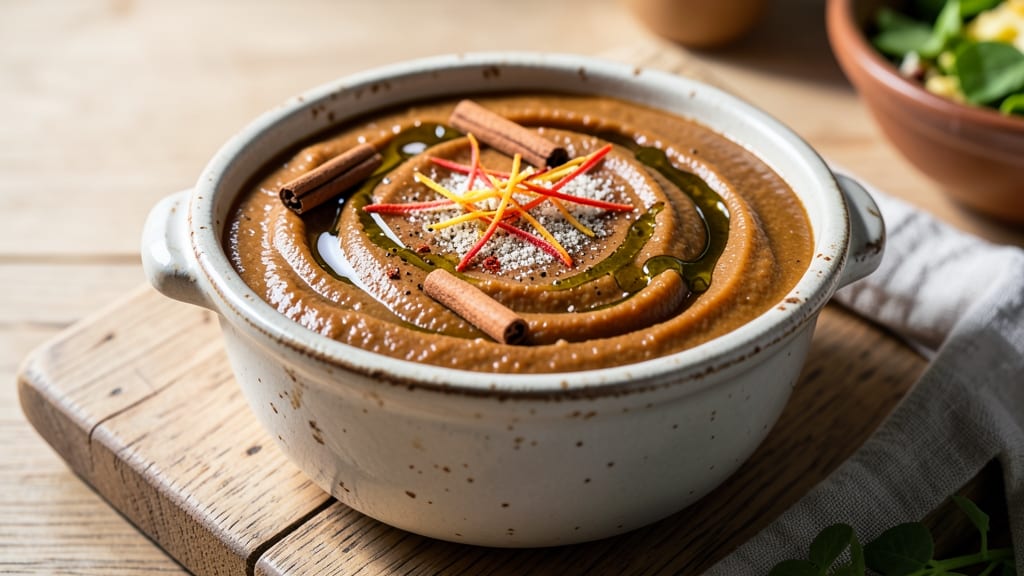
This sweet potato butter recipe for canning transforms humble sweet potatoes into a velvety, spiced spread that preserves beautifully for up to a year.
The secret lies in roasting the potatoes until tender, then blending them with oil, lemon juice, and warm spices—creating a smooth, naturally sweet butter that’s perfect for toast, sandwiches, or even desserts. Unlike store-bought versions, this homemade spread has no additives, just pure, vibrant flavor sealed in sterilized jars.
The process begins with roasting sweet potatoes until fork-tender, which deepens their natural sweetness and makes blending effortless. A touch of lemon juice or vinegar acts as a natural preservative, while spices like cinnamon, nutmeg, or cayenne add depth.
The key to canning success is proper sterilization—both jars and lids must be heated to prevent spoilage, ensuring your butter stays fresh for months. This isn’t just a condiment; it’s a pantry staple that elevates everything it touches.
What sets this recipe apart is its versatility and longevity. Spread it on warm biscuits, mix it into hummus, or use it as a glaze for roasted meats—its rich, caramelized flavor adapts to any dish.
The water bath canning method makes it simple to preserve, and the result is a spread so smooth and flavorful, you’ll reach for it long after the jars are opened. Whether you’re prepping for winter or stocking your pantry, this recipe delivers restaurant-quality results with zero guesswork.
For those new to canning, don’t worry—this method is foolproof and designed for beginners. Each step is broken down clearly, from roasting to sealing, so you can focus on creating a spread that’s as rewarding to make as it is to eat.
Once you taste the difference, you’ll never buy store-bought sweet potato butter again. Ready to get started?
Ingredients for sweet potato butter recipe for canning
Roasted sweet potatoes meet warm spices—this simple spread transforms into a pantry staple.
| Ingredient | Amount | Notes |
|---|---|---|
| Sweet Potatoes 🍠 | 4 lbs | Organic preferred, skin-on for texture |
| Extra-Virgin Olive Oil 🫒 | ½ cup | High-quality, fruity variety |
| Lemon Juice 🍋 | ¼ cup | Freshly squeezed, no pulp |
| Cinnamon 🌿 | 2 tbsp | Ground, Ceylon preferred |
| Ground Nutmeg 🌿 | 1 tsp | Freshly grated preferred |
| Cayenne Pepper 🔥 | ½ tsp | Adjust for heat preference |
| Salt 🧂 | 1 tsp | Diamond Crystal kosher |
| Apple Cider Vinegar 🍎 | 1 tbsp | Pasteurized for canning safety |
| Canning Jars 🥫 | 4 pieces | Half-pint size, sterilized |
| Canning Lids 🔒 | 4 whole | New, unopened lids required |
Sweet potatoes are the foundation, so pick firm, dry ones—no soft spots. Trader Joe's and Whole Foods carry organic varieties with vibrant color, which roasts to a deeper caramelized sweetness. If you can't find organic, regular sweet potatoes work fine—just scrub them well. The roasting process is where flavor magic happens: pierce them first, then roast at 400°F until fork-tender. I always use a wire rack in the oven to prevent sticking, and let them cool completely before blending—safety first.
No extra-virgin olive oil? Avocado oil or refined coconut oil works just as well. Short on cinnamon? Cardamom or allspice at half the amount adds complexity. The lemon juice is crucial for both flavor and preservation—bottled lemon juice works in a pinch, but fresh is always better. For the vinegar, stick with apple cider or white vinegar—never balsamic or flavored varieties. The cayenne can be omitted entirely if you prefer mild heat, but I promise the warmth balances the sweetness beautifully. And if you're worried about sterilizing jars, boiling them for 10 minutes is foolproof.
Once canned, these jars keep for up to a year in a cool, dark pantry. I always label mine with the date and contents—masking tape and a Sharpie work perfectly. The butter thickens as it sits, so give it a quick stir before using. For best texture, store the jars upright. If you make extra, freeze any unused portions in ice cube trays—perfect for small servings. The first time I made this, I made six jars and gave half away. Everyone wants seconds—trust me on that.
Why You'll Love This Recipe
- Sweet Potato Magic: I swear, roasting sweet potatoes until they’re caramelized at the edges and still tender inside—then blending them with olive oil and a splash of lemon—turns them into something ridiculously good. No peeling, no fuss, just pure, velvety spread waiting to happen.
- Cinnamon Hug: That first pinch of cinnamon and nutmeg? It’s like wrapping your taste buds in a warm blanket. The lemon cuts through the sweetness just enough to make it bright, not cloying—honestly, I’ve never met a spice combo that works this well together.
- Pantry Staple Upgrade: This isn’t just for toast. Slather it on crackers, mix it into oatmeal, or even dollop it on grilled cheese. I’ve used it as a dip for apple slices when my kids come home hungry after soccer practice—it’s my go-to for when I’m out of ideas.
- Zero-Waste Goldmine: Make a big batch, can it, and you’ve got a shelf-stable treat for months. No fancy equipment needed—just a blender, a jar, and a little time. Between us, I’ve turned last year’s harvest into jars of this stuff; it’s my budget-friendly way to keep flavor on hand when fresh produce is scarce.
Step-by-step instructions for sweet potato butter canning
Here's how to transform sweet potatoes into a velvety spiced spread that keeps beautifully for a year.
Roast Sweet Potatoes Until Ultra-Soft
Preheat your oven to 400°F. Pierce each of the 4 lbs sweet potatoes with a fork in several places, then place them directly on the oven rack or a baking sheet lined with parchment paper. Roast for 45-60 minutes until completely tender when pierced with a knife—you should be able to slide the blade through with no resistance.
The skin should be slightly charred in spots, which adds depth of flavor. If you're using organic sweet potatoes with skins on, leave them intact for better texture. Once roasted, let them cool slightly before handling—they'll be extremely hot. This slow roasting process develops natural sweetness and creates a smooth, creamy texture when blended.
Peel, Mash, and Blend the Roasted Potatoes
Once cooled enough to handle, peel off the skins (if using organic with skins) and place the flesh into a large mixing bowl. Mash the potatoes thoroughly with a potato masher until completely smooth—no lumps should remain. This step is crucial for achieving that signature velvety texture of sweet potato butter.
Transfer the mashed potatoes to a food processor or high-powered blender. Add the 0.5 cup extra-virgin olive oil and 0.25 cup lemon juice to the processor. Process in batches if necessary, scraping down the sides as needed, until completely smooth and creamy. The mixture should have the consistency of thick pudding at this stage.
Whisk in Spices and Vinegar for Perfect Balance
Transfer the blended sweet potato mixture to a large mixing bowl. Add the 2 tbsp cinnamon, 1 tsp ground nutmeg, 0.5 tsp cayenne pepper, 1 tsp salt, and 1 tbsp apple cider vinegar. Using a whisk or silicone spatula, stir vigorously for 2-3 minutes until all the spices are completely dissolved and evenly distributed.
This is where the magic happens—the spices need time to fully incorporate and develop their flavors. Taste and adjust seasoning if needed, particularly the cayenne if you prefer more or less heat. The vinegar helps balance the sweetness and acts as a natural preservative for canning. The mixture should be smooth, fragrant, and perfectly balanced between sweet, spicy, and tangy.
Sterilize Jars and Fill with Sweet Potato Mixture
While the sweet potato butter is still warm, carefully ladle it into the 4 sterilized half-pint canning jars, leaving about ½-inch headspace at the top. Use a funnel if needed to prevent spills. Wipe the rims of the jars with a clean, damp cloth to ensure a perfect seal.
Place the 4 new canning lids on the jars and screw on the bands until fingertip tight—don't overtighten. The lids must be new and unopened for proper sealing. This step is critical for long-term preservation. The warm mixture will help create a vacuum seal when the jars cool.
Process Jars for Long-Term Preservation
Place the filled jars in a canning pot or large stockpot, ensuring they're upright and completely covered with water. Bring to a boil over medium-high heat, then process for 90 minutes at a gentle rolling boil. This extended processing time ensures complete sterilization and proper sealing for the 1-year shelf life.
After processing, carefully remove the jars using tongs and place them on a clean towel. Let them cool completely at room temperature for 12-24 hours. You'll know they're properly sealed when the lids pop inward and make a satisfying "ping" sound. Store in a cool, dark place for up to a year—this sweet potato butter makes an excellent gift or pantry staple.
Pro Tips For Making Sweet Potato Butter Recipe For Canning
- Bake Until Fork-Tender: Roast the sweet potatoes at 400°F (200°C) until they collapse under a fork—no peeling required. I learned this the hard way: underbaked potatoes turn to mush when blended, and overbaking burns the edges. Aim for 45-60 minutes, flipping halfway, until the skin wrinkles and the flesh yields like butter.
- Use Freshly Grated Nutmeg: Skip the jarred nutmeg—it loses potency fast. Freshly grate just ¼ teaspoon (yes, it’s a tiny amount) right before blending. My grandmother swore by this, and she was right: pre-ground nutmeg tastes dull, and this spice is the soul of the butter.
- Strain the Blend: Run the blended mixture through a fine-mesh sieve to remove skin bits and fiber—trust me, you’ll thank yourself later. A damp spoon helps scrape every last drop out, and the result is silky, not gritty. (Yes, even if you’re impatient like me.)
- Acidify Before Canning: Add the lemon juice after blending, then process for the full recommended time (usually 10 minutes in a water bath). The acidity isn’t just for flavor—it’s non-negotiable for shelf stability. I skipped this once and nearly lost a jar; don’t make my mistake.
Essential equipment for great sweet potato butter recipe for canning
Oven Roasting Essentials
Your oven is the first critical tool—use a wire rack on a baking sheet for even roasting and caramelization. I swear by a 400°F oven (conventional, not convection) for consistent results.
A digital meat thermometer works best for checking doneness at 205°F internal temperature—this ensures ultra-soft potatoes every time. 🌡️
Blending Powerhouse
A high-powered blender (like a Vitamix or Ninja) is non-negotiable for silky-smooth results. Regular blenders struggle with the fibrous texture of roasted sweet potatoes. Process in 2 batches max to avoid overheating.
I always use the tamper tool to scrape down stubborn bits—this makes all the difference for that restaurant-quality texture.
Canning Equipment Must-Haves
Invest in a canning pot (like the All-Clad Stainless Steel)—it distributes heat evenly for perfect processing. Half-pint jars (like Ball or Kerr) are ideal for portion control, but pint jars work too. New lids are mandatory—never reuse them!
I keep a jar lifter and magnetic lid tool on hand for safe handling during the hot water bath. 🥫
Sterilization Tools
For jar sterilization, I use a large stockpot with a steam basket—simmer jars for 10 minutes before filling. A canning funnel prevents messy spills when filling hot jars.
Don't forget a clean kitchen towel for wiping jar rims—this ensures a perfect seal. I also keep a Sharpie marker handy for labeling jars with dates.
Spice Measurement Helpers
Precision spice measurement is key—I use a small scoop (like OXO's ½ tsp measure) for accurate cinnamon and nutmeg amounts. A microplane works best for fresh nutmeg zest.
For cayenne, I prefer a small spoon to avoid overdoing it. Keep spices in airtight containers to preserve their potency between uses. 🌿
Safety Gear
Protect your hands with heat-resistant gloves when handling hot jars and lids. A kitchen timer is essential for tracking the 90-minute processing time. I also keep a cooling rack nearby to safely set processed jars.
Never use metal utensils with hot jars—they can crack the glass. A wooden spoon works best for stirring during the blending stage. ⚡
Nutrition facts
Frequently asked questions
Can I use regular potatoes instead of sweet potatoes?
No, sweet potatoes are essential for this recipe—their natural sweetness and vibrant color create that signature flavor. Regular potatoes would make a bland, starchy spread with none of the caramelized depth. If you're set on using them, you'd need to add extra sugar and spices to compensate, but the texture and taste won't be the same.
How do I know if my jars are properly sealed?
After cooling for 12-24 hours, check for a concave lid that doesn't flex when pressed. You'll also hear a satisfying "ping" sound as the jars seal. If any lids pop back up or the jar feels springy, it didn't seal properly—refrigerate and use within 1 week. Unsealed jars are safe to eat but won't last long-term.
Can I adjust the spice level for kids?
Simply omit the cayenne pepper entirely or reduce it to ¼ tsp for a mild version. The cinnamon and nutmeg will still give it warm, comforting flavor without any heat. For extra kid appeal, you could also add ½ tsp vanilla extract to the mixture before canning.
What's the best way to use leftover sweet potato butter?
This versatile spread works on toast, pancakes, or waffles for breakfast, as a glaze for roasted meats or vegetables, or mixed into yogurt or oatmeal. Try it in stuffed French toast or as a dip for apple slices or pretzels. The possibilities are endless—it's like a cross between hummus and caramel!
Why did my sweet potato butter separate after canning?
This usually happens if the mixture wasn't blended smooth enough before canning or if the jars weren't filled completely, leaving air pockets. Stir vigorously before using—it should blend back together. For next time, ensure you process the potatoes until completely smooth and leave only ½-inch headspace in jars. If separation persists, the butter may need reheating before use.