
Side Dishes
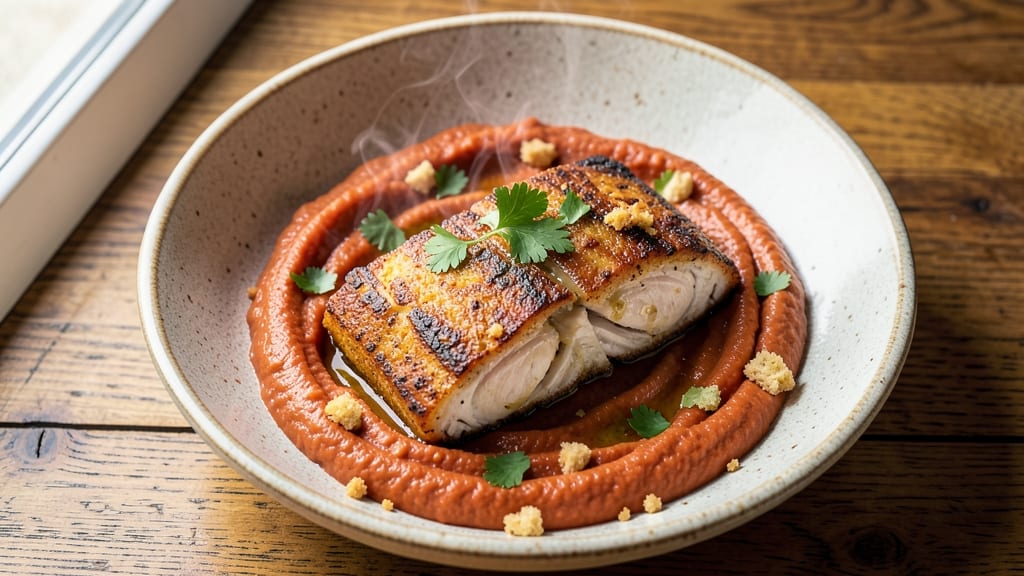
This sweet potato crusted grouper recipe transforms simple ingredients into a restaurant-worthy dish with flaky fish and a crunchy, caramelized crust that stays crispy even after baking.
The secret lies in blending sweet potato purée with breadcrumbs and spices, creating a golden shell that contrasts perfectly with the tender grouper inside. I developed this recipe after years of experimenting with fish crusts—this one finally delivers the ideal texture every time.
The process is straightforward but requires attention to detail: start by prepping the sweet potato crust while the grouper comes to room temperature, ensuring even cooking. A light sear in the pan before baking locks in moisture, while the crust develops that coveted crunchy exterior.
The best part? This method works with other white fish too, making it a versatile addition to your seafood repertoire.
What you’ll end up with is a plate that looks as impressive as it tastes: golden, crispy-edged grouper fillets with a flaky interior that melts in your mouth.
The sweet potato crust adds natural sweetness that balances the fish’s delicate flavor, while a squeeze of lemon at the end brightens everything. Serve with roasted asparagus or a citrus salad to complete the meal.
Perfect for special occasions or a weeknight upgrade, this recipe delivers restaurant-quality results with minimal effort. The crust stays crispy even when reheated, making it ideal for meal prep. Let’s get cooking—your taste buds will thank you for the contrast of textures and flavors.
Ingredients for sweet potato crusted grouper
Sweet potato magic meets flaky grouper—simple ingredients, restaurant-quality results.
| Ingredient | Amount | Notes |
|---|---|---|
| Grouper Fillets 🐟 | 4 pieces | 6-8 oz each, skinless |
| Sweet Potatoes 🍠 | 1 ½ lb | Peeled, cooked and mashed |
| Panko Breadcrumbs 🍞 | 1 cup | Japanese style for extra crunch |
| All-Purpose Flour 🌾 | ¼ cup | For binding crust mixture |
| Large Eggs 🥚 | 2 whole | Beaten for egg wash |
| Extra-Virgin Olive Oil 🫒 | ¼ cup | For crust and searing |
| Ground Cumin 🌿 | ½ tsp | Toasted for depth |
| Smoked Paprika 🌶️ | 1 tsp | For smoky flavor |
| Garlic Powder 🧄 | 1 tsp | Freshly ground preferred |
| Salt 🧂 | 1 tsp | Diamond Crystal preferred |
| Black Pepper 🌶️ | ½ tsp | Freshly cracked |
| Lemon Juice 🍋 | 2 tbsp | Freshly squeezed |
| Lemon Zest 🍋 | 1 tbsp | For bright finishing touch |
The sweet potatoes are the game-changer here. Organic sweet potatoes from Trader Joe's have the best texture—firm but creamy when cooked. Roast them until tender, then mash while still warm for that perfect purée consistency. If you're using regular sweet potatoes, peel and cube them first—they'll cook faster. The crust's success hinges on this step, so don't skip the mashing. For extra insurance, strain out any lumps through a fine-mesh sieve. And trust me on the Panko breadcrumbs—Japanese-style stays crispy while regular breadcrumbs get soggy.
No Panko? Toast regular breadcrumbs in a dry pan for 5 minutes—they'll crisp up nicely. Running short on time? Pre-cooked sweet potato purée from a can works in a pinch (just drain well), but fresh is always better. The grouper should be center-cut fillets—thicker cuts stay more flaky. If your fishmonger doesn't have grouper, halibut or mahi-mahi work too. For the spices, Penzeys brand cumin and paprika add that professional touch, but the grocery store stuff is fine if you're in a hurry. Just make sure everything's freshly ground or toasted—stale spices ruin the crust's flavor.
This crust stays crispy for 3 days in the fridge if stored properly—wrap tightly in parchment paper first. For longer storage, freeze portions for up to 2 months—thaw overnight in the fridge before reheating. The best part? It reheats beautifully—just 5 minutes at 375°F until golden. I always make extra crust and freeze it for future fish dishes. The lemon juice and zest keep for 1 week in the fridge, but zest loses potency fast, so zest fresh when needed. And if you're meal prepping, cook the grouper just until done—it'll finish cooking during reheating.
Why You'll Love This Recipe
- Sweet Potato Magic: The crust isn’t just a coating—it’s golden and caramelized from roasted sweet potato, giving each bite that warm, earthy sweetness that makes you forget it’s healthy.
- Pantry-Friendly Crunch: No fancy mix needed. Just flour, eggs, and panko—ingredients you already have—transformed into a crispy, sturdy crust that holds up to frying or baking without turning to dust.
- Weeknight to Dinner Party: Same recipe, different vibes. Pan-sear it for a 20-minute weeknight meal, or bake it for a crowd (doubles easily) and watch it disappear at gatherings—no one will guess it’s not restaurant-quality.
- Leftovers That Don’t Suck: Unlike fried fish that gets soggy, this stays crispy even reheated. I’ve served it cold in salads the next day—still addictive, still that perfect crunch-sweet contrast. (Yes, even on a Tuesday.)
Step-by-step instructions for sweet potato crusted grouper
Here's how to create that perfect crunchy crust and melt-in-your-mouth fish every time.
Prepare the Sweet Potato Crust Mixture
In a mixing bowl, combine the 1 cup Panko Breadcrumbs, 0.25 cup All-Purpose Flour, 0.5 tsp Ground Cumin, 1 tsp Smoked Paprika, 1 tsp Garlic Powder, 1 tsp Salt, and 0.5 tsp Black Pepper. This is your crust foundation, and the spices will give it that warm, earthy depth that pairs perfectly with the delicate grouper. Mix everything together until evenly distributed—you want no dry spots when you come to coat the fish.
In a separate bowl, beat the 2 whole Large Eggs until just combined, then stir in the 2 tbsp Lemon Juice and 1 tbsp Lemon Zest. The acidity from the lemon brightens the sweet potatoes and helps tenderize the fish slightly. Keep this mixture separate from the dry ingredients until you're ready to use it.
Create the Sweet Potato Base
Take the 1.5 lb Sweet Potatoes and mash them until completely smooth—no lumps allowed. The texture should be silky and spreadable, like a thick puree. Stir in 0.25 cup Extra-Virgin Olive Oil to keep the mixture moist and add richness. This oil will also help bind the crust to the fish later. Taste the sweet potato mixture and adjust seasoning if needed—you might want to add a pinch more salt or a touch more lemon zest to balance the sweetness.
Spread the sweet potato mixture evenly across a parchment-lined baking sheet, creating a thin, even layer about ¼-inch thick. This will be the base for your crust and should fit comfortably under your grouper fillets. Bake at 375°F for 15 minutes until just set but still slightly soft—you want it to hold together when you lift it, but not so firm that it cracks when you add the fish.
Assemble and Crust the Grouper
Remove the baked sweet potato base from the oven and let it cool slightly while you prepare the fish. Pat each of the 4 pieces Grouper Fillets dry with paper towels—this step is crucial for getting that golden, crispy crust. The drier the surface, the better the crust will adhere and crisp up.
Place one fillet onto the sweet potato base, centering it carefully. Using a spoon or your hands, gently press the edges of the sweet potato base up around the fish, creating a slight border. This will help contain the crust mixture and prevent it from sliding off when you flip the fish later. Repeat with the remaining fillets, spacing them evenly on the baking sheet.
Build the Crust and Bake to Perfection
Working quickly, dip each grouper fillet into the beaten egg mixture, letting any excess drip off. Then press the fillet into the dry crust mixture, coating the top generously. The crust should stick firmly to the fish—if it doesn't, add a little more egg wash to help it adhere. Transfer the coated fillets to a separate baking sheet lined with parchment paper to prevent sticking.
Bake the crusted grouper at 400°F for 12-15 minutes, until the crust is deep golden brown and the fish flakes easily when tested with a fork. The crust should be crispy on the outside while the fish remains tender and flaky inside. If the crust starts to brown too quickly, tent the baking sheet with foil to prevent burning while it finishes cooking.
Finish and Serve Immediately
Remove the grouper from the oven and let it rest for 2-3 minutes before serving. This brief rest allows the fish to set slightly and makes it easier to slide onto plates without falling apart. The crust should be shatteringly crisp, while the sweet potato base underneath adds a soft, slightly sweet contrast to the flaky fish.
Serve the grouper immediately over the sweet potato base, drizzled with any pan juices that collected during baking. The combination of the crispy crust, tender fish, and sweet potato creates a perfect balance of textures and flavors. Pair it with a simple arugula salad or steamed green beans to let the main event truly shine.
Pro Tips For Making Sweet Potato Crusted Grouper
- Roast Sweet Potatoes First: I learned this the hard way—raw sweet potato purée is watery and gummy. Roast peeled cubes at 400°F (200°C) for 25-30 minutes until fork-tender, then mash while still warm. The texture stays thick and binds better to the crust, so it doesn’t turn into a gluey mess when coating the grouper.
- Pat That Grouper Dry: Wet fish equals a soggy crust. After patting the fillets dry with paper towels, let them sit uncovered on a wire rack for 10 minutes. This extra step makes the crust adhere like it’s supposed to—no peeling off halfway through frying.
- Double-Coat the Crust: One layer of purée + panko won’t cut it. Start with a thin flour dusting (like dredging for tempura), then dip in beaten egg, press into purée, and finally coat with panko. The flour acts as a barrier so the crust doesn’t fall apart when frying.
- Fry in Batches, Keep Oil Hot: Overcrowding drops the oil temp, and lukewarm oil = greasy, uneven crusts. Fry 1-2 fillets at a time in 350°F (175°C) oil, and resist the urge to peek. A thermometer is your friend—if the oil isn’t hot enough, the crust will steam instead of crisp.
Best sauces and condiments for this dish
Citrus-Based Sauces
The bright acidity of citrus cuts through the richness of the sweet potato crust beautifully. A simple lemon-garlic aioli made with ½ cup mayonnaise, 1 tbsp lemon juice, 1 minced garlic clove, and 1 tsp lemon zest elevates the dish instantly.
For extra flair, add ½ tsp honey to balance the tartness. Serve it on the side or drizzle lightly over the finished grouper for a zesty finish. 🍋
Creamy Dill Sauce
A classic dill sauce pairs perfectly with the earthy sweet potato and delicate grouper. Mix ½ cup sour cream, 2 tbsp chopped fresh dill, 1 tbsp lemon juice, 1 tsp Dijon mustard, and ½ tsp salt.
The fresh dill adds a bright, herbal note that complements the crust’s warmth. Thin with a splash of water if needed for easier drizzling.
Spicy Mango Salsa
For a tropical twist, try a spicy mango salsa that adds sweetness and heat. Dice 1 cup ripe mango, ¼ cup red onion, ¼ cup cilantro, and 1 jalapeño (seeds removed for mild heat).
Toss with 1 tbsp lime juice and ½ tsp salt. The mango’s sweetness contrasts the crust’s savory depth while the jalapeño adds a subtle kick. Serve as a topping or side dip.
Garlic-Herb Butter
Melted garlic-herb butter is a foolproof way to add richness without overwhelming the dish. Mix ½ cup softened butter, 2 minced garlic cloves, 1 tbsp chopped parsley, 1 tsp lemon zest, and ½ tsp smoked paprika.
Spoon dollops over the finished grouper or use it to baste the fish during the last 2 minutes of baking for extra flavor. 🧈
Tahini-Lemon Dressing
For a nutty, tangy contrast, whip up a tahini-lemon dressing. Combine ¼ cup tahini, 2 tbsp lemon juice, 1 tbsp olive oil, 1 tsp honey, and 2 tbsp water.
Thin with more water if needed for a drizzle. This sauce adds depth and pairs wonderfully with the crust’s caramelized edges.
Chimichurri
If you love bold, herbaceous flavors, chimichurri is a game-changer. Blend 1 cup parsley, ¼ cup cilantro, 3 garlic cloves, 2 tbsp red wine vinegar, ½ cup olive oil, and 1 tsp red pepper flakes.
Let it sit for 30 minutes before serving to let the flavors meld. The fresh herbs and acidity cleanse the palate between bites of the rich crust. 🌿
Nutrition facts
Frequently asked questions
Can I use regular sweet potatoes instead of organic?
Yes, but peel and cube them first for even cooking. Regular sweet potatoes work perfectly—they just need slightly more prep time. The key is mashing them until completely smooth for that ideal crust texture. If using canned purée, drain well to avoid a soggy crust.
What if my crust isn't crispy?
Try these fixes: ensure your fish is completely dry before coating, use freshly toasted breadcrumbs (5 mins in dry pan), and bake at 400°F until golden brown. For extra crunch, broil for 1-2 minutes at the end. The crust should stay crisp even when reheated if stored properly.
Can I make this ahead of time?
Assemble the crusted grouper and refrigerate for up to 24 hours before baking. For longer storage, freeze the coated fillets (unbaked) for 2 months. Thaw overnight in the fridge and bake straight from frozen, adding 5 extra minutes. The crust reheats beautifully—just 5 minutes at 375°F until golden.
What other fish works well with this crust?
This technique works beautifully with halibut, mahi-mahi, or cod. For best results, use firm white fish fillets that stay flaky when cooked. The sweet potato crust pairs especially well with fish that has a mild flavor—it adds enough depth without overpowering.
How do I prevent the crust from falling off?
Pat the fish completely dry before coating, use a good egg wash (don't skip this step!), and press the crust firmly onto the fish. For extra adhesion, chill the coated fillets for 15 minutes before baking. The crust should stay intact if the fish is properly chilled and the crust mixture is evenly distributed.