
Side Dishes
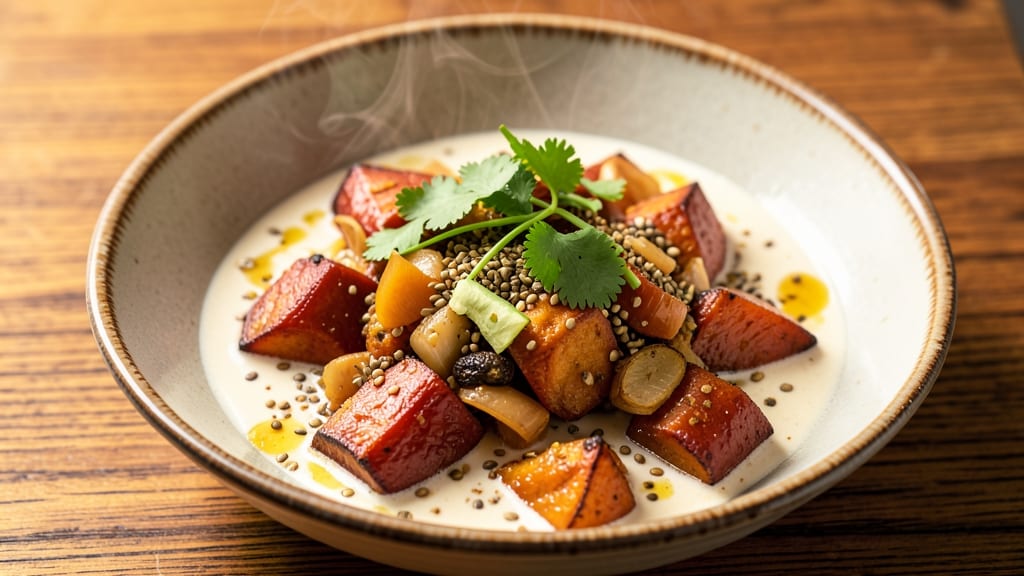
This vegan sweet potato curry delivers restaurant-quality depth in just 30 minutes, proving plant-based meals can be rich, aromatic, and deeply satisfying without dairy or meat.
The secret lies in slow-sautéed spices that bloom into fragrant layers, while coconut milk creates a velvety base that clings to tender sweet potatoes. I developed this recipe after years of testing vegan curries—most either taste bland or rely on heavy coconut cream that overpowers the dish.
The foundation is a balanced spice blend of cumin, coriander, and turmeric, toasted until fragrant before adding garlic and ginger for depth. Sweet potatoes roast until caramelized at the edges while simmering in the fragrant sauce, absorbing all those warm, earthy flavors.
The coconut milk isn't just a base—it's the star, providing natural creaminess without dairy while keeping the dish light enough to pair with rice or naan.
What you'll end up with is a curry that's naturally sweet, subtly spiced, and impossibly creamy—the kind that makes people ask if it contains dairy. The sweet potatoes develop a tender yet slightly firm texture, perfect for soaking up every drop of that aromatic sauce.
This recipe proves vegan cooking can be just as bold and comforting as traditional curries, without any compromises.
Serve it with basmati rice for the full experience, or drizzle with fresh cilantro and a squeeze of lime for brightness. The leftovers reheat beautifully, making this an ideal meal prep option that still tastes fresh hours later. Let's create this flavorful, plant-based centerpiece that everyone will request.
Ingredients for sweet potato curry recipe vegan
Spiced coconut cream meets roasted sweet potatoes for a vegan curry that rivals dairy-rich versions.
| Ingredient | Amount | Notes |
|---|---|---|
| Sweet Potatoes 🍠 | 2 lbs | Medium, peeled and cubed |
| Coconut Milk 🥥 | 1 can (13.5 oz) | Full-fat, unsweetened |
| Garlic Cloves 🧄 | 6 cloves | Minced, fresh preferred |
| Fresh Ginger 🌿 | 2 tbsp | Grated, peeled root |
| Ground Cumin 🌶️ | 1 ½ tbsp | Toasted for depth |
| Ground Coriander 🌿 | 1 ½ tbsp | Freshly ground preferred |
| Turmeric Powder 🧂 | 1 tbsp | High-quality, vibrant |
| Garam Masala 🌶️ | 1 tsp | Store-bought or homemade |
| Onion 🧅 | 1 medium | Yellow, finely diced |
| Tomato Paste 🍅 | 2 tbsp | Squeeze tube preferred |
| Vegetable Broth 💧 | 1 cup | Low-sodium preferred |
| Coconut Oil 🫒 | 2 tbsp | For sautéing |
| Fresh Cilantro 🌿 | ¼ cup | Chopped, for garnish |
| Lime 🍋 | 1 whole | Juiced, for brightness |
| Salt 🧂 | 1 ½ tsp | Diamond Crystal preferred |
| Black Pepper 🌶️ | ½ tsp | Freshly ground |
The sweet potatoes are non-negotiable—organic sweet potatoes from Whole Foods or your local market have the best flavor and texture. Look for vibrant orange flesh, firm to the touch. For the coconut milk, Thai Kitchen brand is my go-to for its perfect balance of creaminess and lightness. The garam masala should be freshly ground if possible, but Penzeys brand works beautifully out of the box. Toast your cumin and coriander in a dry pan for 30 seconds before adding oil—this deepens their flavor exponentially. Fresh ginger and garlic are essential; pre-minced varieties often contain preservatives that mute the flavor.
No full-fat coconut milk? Light coconut milk plus 1 tbsp coconut cream mimics the texture. Substitute garam masala with equal parts cinnamon, cardamom, and cloves if needed. For extra depth, add 1 tsp smoked paprika to the spice blend. The tomato paste can be replaced with 1/4 cup diced tomatoes, but paste provides better thickening power. Vegetable broth? Low-sodium is key—otherwise, you'll need to adjust the salt at the end. Fresh cilantro is ideal, but dried oregano at 1/4 the amount works in a pinch. The lime should be freshly juiced; bottled lime juice lacks brightness.
This curry reheats beautifully—3-4 days in the fridge or 3 months frozen. Portion into airtight containers with a layer of coconut milk on top to preserve moisture. For meal prep, store the sauce and sweet potatoes separately, then combine when reheating to maintain texture. The flavors actually improve overnight as the spices meld further. Garnish with extra cilantro and lime zest just before serving to maximize freshness. Serve with jasmine rice or naan for the full experience.
Why You'll Love This Recipe
- One-Pot Magic: I swear by this recipe because it’s literally one pot—no chopping boards, no extra pans, just sweet potatoes roasting in their own juices while the coconut milk and spices simmer into a rich, velvety sauce. Honestly, the only thing I measure is the cumin, and even then, I eyeball it after the first time.
- Cumin-Kissed Comfort: That earthy cumin toasted in coconut milk? It’s the kind of flavor that makes you pause mid-bite. The ginger and garlic don’t just hint at warmth—they demand seconds, especially when the sweet potatoes get that caramelized edge from the slow simmer.
- Meal Prep MVP: Between us, this curry tastes better the next day—like a cozy hug in a jar. I make a big batch on Sundays, and it’s my go-to for lunches, potlucks, or even a lazy Friday night when I’m too tired to cook. Just reheat, add a squeeze of lime, and boom—dinner’s solved.
- Budget-Friendly Luxury: Sweet potatoes and coconut milk stretch this into four or five servings without breaking the bank, and the spices? A little cumin and ginger go a long way. I’ll be real: it’s the kind of recipe that makes me feel fancy without the grocery bill to prove it.
Step-by-step instructions for sweet potato coconut curry
Transform humble sweet potatoes into a velvety, aromatic curry using these precise techniques.
Sauté Aromatics Until Fragrant
Heat the 2 tablespoons coconut oil in a large, heavy-bottomed pot over medium heat. Add the 1 medium finely diced onion and cook for 5 minutes until softened and translucent. I press down gently with a wooden spoon to ensure even cooking—this prevents burning.
Add the 6 cloves minced garlic and 2 tablespoons grated fresh ginger, stirring constantly for 1 minute until the garlic becomes golden and fragrant. The moment the garlic starts to brown, immediately add the 1.5 tablespoons ground cumin and 1.5 tablespoons ground coriander. Stir for 30 seconds to toast the spices—this releases their essential oils and deepens the flavor profile.
Build the Spiced Base
Reduce heat to medium-low and add the 1 tablespoon turmeric powder, 1 teaspoon garam masala, 1.5 teaspoons salt, and 0.5 teaspoon black pepper. Stir for 1 minute until the spices are fully incorporated and the mixture smells earthy and complex. This is where the curry's soul develops—don't rush this step.
Add the 2 tablespoons tomato paste and cook for 2 minutes until it darkens slightly and becomes aromatic. This step forms the flavor foundation that will carry through the entire dish. If the mixture starts to stick, add 1 tablespoon vegetable broth to loosen it—this prevents burning while maintaining depth.
Simmer Sweet Potatoes Until Tender
Add the 2 pounds cubed sweet potatoes and stir to coat them evenly in the spice mixture. Pour in the 1 cup vegetable broth and bring to a gentle simmer. Cover and cook for 12-15 minutes until the sweet potatoes are fork-tender but still hold their shape. You'll know they're ready when you pierce one with a knife and it slides in easily with slight resistance.
I like to check for doneness at the 12-minute mark—your oven and stove heat can vary. If they're not quite tender, continue cooking uncovered for another 2-3 minutes. The sweet potatoes should be soft enough to mash slightly between your fingers but still maintain their structure.
Create the Coconut Cream Sauce
Pour in the 1 can (13.5 oz) full-fat coconut milk and stir gently to combine. Increase heat to medium-high and bring to a simmer. Let it cook uncovered for 8-10 minutes until the sauce thickens slightly and coats the back of a spoon. The coconut milk should reduce enough to create a velvety consistency while still maintaining a creamy texture.
Here's the thing—don't overcook the coconut milk. You want it to thicken just enough to coat the sweet potatoes beautifully, not reduce into a heavy paste. Taste the sauce and adjust seasoning if needed—this is your final flavor checkpoint before serving.
Finish and Garnish
Remove from heat and stir in the juice of 1 whole lime. This bright citrus note cuts through the richness of the coconut milk and balances the spices. Let the curry sit covered for 5 minutes—this resting period allows the flavors to meld completely and the sauce to thicken slightly from residual heat.
Garnish with 0.25 cup chopped fresh cilantro just before serving. The cilantro adds freshness and visual appeal, while the lime juice enhances the overall brightness. Serve immediately with steamed basmati rice or warm naan bread to soak up that luscious coconut cream.
Pro Tips For Making Sweet Potato Curry Recipe Vegan
- Parboil First: Toss peeled sweet potato chunks into boiling water for 3-4 minutes before adding to the curry—this guarantees they soften evenly without turning to mush. I learned this the hard way when my first batch disintegrated into a sad, watery porridge.
- Toast the Cumin: Dry-toast the ground cumin in a hot pan for 30 seconds until it smells nutty and aromatic before adding other spices—this deepens its flavor more than just stirring it in cold. Skip this, and your curry will taste like it’s missing something.
- Simmer Slowly: Reduce the heat to medium-low once the coconut milk is added, and let it bubble gently for at least 20 minutes—rushing this step makes the curry taste raw and thin. Sounds boring, but it works every time.
- Use Full-Fat Coconut: Grab the can of full-fat coconut milk, not the light version—it adds richness that cuts through the sweetness of the potatoes and balances the spices. Light coconut milk is for smoothies, not curry.
Regional styles of sweet potato curry recipe vegan
Indian South Style
In South India, sweet potato curries often incorporate tamarind for tanginess and mustard seeds for a distinctive aroma. Replace the tomato paste with 2 tbsp tamarind paste dissolved in ¼ cup warm water, and add 1 tsp mustard seeds when sautéing the onions.
I like to finish with ½ cup coconut milk and a pinch of asafoetida (hing) for depth. Serve with steamed rice and a side of cucumber raita to balance the richness. 🌶️
Thai-Inspired Adaptation
Thai curries use red or green curry paste instead of ground spices. Replace the cumin and coriander with 2 tbsp Thai red curry paste (like Maesri brand) and add 1 stalk lemongrass, finely chopped, with the garlic and ginger.
Swap the coconut milk for 1 can (13.5 oz) light coconut milk and finish with 1 tbsp fish sauce (use vegan fish sauce like Red Boat brand) for umami. Garnish with Thai basil and lime wedges.
Jamaican Jerk Fusion
For a Caribbean twist, add 1 tbsp jerk seasoning (like Caribbean Jerk brand) when toasting the spices, along with 1 scotch bonnet pepper (seeds removed for less heat). Replace garam masala with ½ tsp allspice and ½ tsp cinnamon.
Use 1 can (13.5 oz) coconut milk and finish with 1 tbsp soy sauce for depth. Serve with grilled plantains and black rice for a bold, spicy profile. 🔥
German-Swedish Sweet Potato Curry
This Nordic-inspired version swaps garam masala for 1 tsp caraway seeds and ½ tsp cardamom, toasted with the onions. Use 1 cup vegetable broth and ½ cup apple cider instead of coconut milk for a lighter sauce.
Top with crispy fried onions and a sprinkle of fresh dill. Serve with mashed potatoes or crusty rye bread for a hearty, comforting dish. Perfect for cooler climates!
Mexican Mole-Inspired Twist
Blend 1 roasted poblano pepper, 1 tbsp cocoa powder, and ½ tsp cinnamon into the spice mix for a mole-inspired depth. Replace tomato paste with 1 tbsp chipotle paste and add 1 cup diced tomatoes.
Finish with ½ cup cashew cream (blended soaked cashews) for richness. Garnish with cilantro and lime zest. Serve with corn tortillas or cilantro-lime rice. 🌶️
Japanese Miso-Glazed Version
For a Japanese-inspired take, replace garam masala with 1 tbsp white miso paste and 1 tsp grated ginger. Use 1 cup dashi broth (vegan version with kombu and shiitake) instead of vegetable broth.
Finish with 1 tbsp mirin and a drizzle of sesame oil. Garnish with toasted sesame seeds and scallions. Serve with steamed jasmine rice and pickled ginger.
Nutrition facts
Frequently asked questions
Can I use regular potatoes instead of sweet potatoes?
Regular potatoes work, but they'll change the dish completely. Sweet potatoes add natural sweetness and a creamy texture that pairs perfectly with the coconut sauce. If you must substitute, use yams or orange-fleshed potatoes for similar flavor. Regular russet or red potatoes will make the curry less rich and more starchy.
How do I make this curry spicier?
Add ½-1 teaspoon cayenne pepper when toasting the spices, or stir in 1 tablespoon chili paste with the tomato paste. For heat without dryness, include 1-2 chopped fresh chili peppers (like jalapeños) when sautéing the aromatics. Always taste first—you can adjust later, but you can't remove excess spice!
What's the best way to store leftovers?
Store in an airtight container for up to 4 days in the fridge. For longer storage, freeze portions for 3 months. Reheat gently on low heat with 1-2 tablespoons water or coconut milk to prevent drying. The sauce will thicken further when reheated—add a splash of liquid if needed.
Can I make this curry in an Instant Pot?
Yes! Sauté the onions, garlic, and spices as directed, then add all remaining ingredients except coconut milk. Pressure cook for 8 minutes on high, then quick-release. Stir in coconut milk and simmer on low heat for 5 minutes to thicken. The Instant Pot version cooks 20 minutes faster but may need extra lime juice to brighten the flavors.
Why did my curry turn out too thin?
This usually happens from overcooking the coconut milk or not reducing the sauce enough. For thicker curry, simmer uncovered for 5-8 extra minutes or stir in 1 teaspoon cornstarch mixed with 1 tablespoon water. If using light coconut milk, always use full-fat for better thickening power.