
Side Dishes
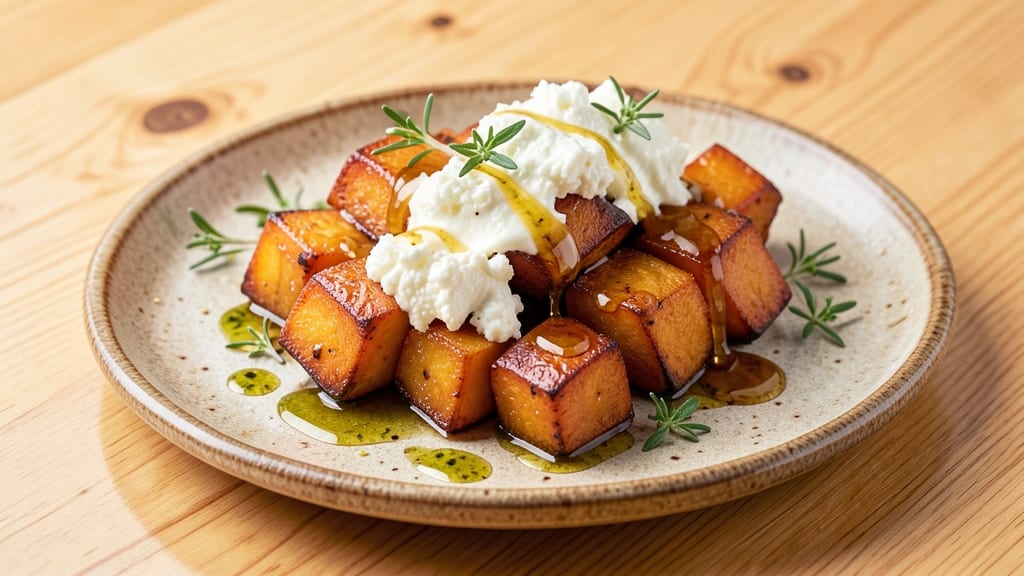
This sweet potato feta cheese recipe transforms humble ingredients into a restaurant-worthy side dish that balances caramelized sweetness with salty, crumbly feta. The secret lies in roasting sweet potatoes until tender and golden, then topping them with briny feta and a touch of honey for depth—simple yet undeniably elegant.
I developed this after realizing how often sweet potatoes needed a flavor upgrade, and this combination delivers every time.
What makes this dish special is its versatility and foolproof technique—no fancy equipment required. You'll start with cubed sweet potatoes roasted until caramelized, then finish with a sprinkle of feta, fresh herbs, and a drizzle of honey or balsamic glaze.
The contrast between the sweet potatoes' natural sweetness and the feta's saltiness creates a perfect bite, while the crispy edges add texture that keeps everyone reaching for seconds.
The result is a dish that's equally at home on a holiday table or weeknight dinner, with minimal effort. The roasted sweet potatoes develop a deep caramelized crust, while the feta adds a satisfying crunch and tangy punch.
Serve it alongside grilled meats, roasted chicken, or even as a standalone vegetarian main with a fresh salad. This recipe proves that simple ingredients can create something truly special.
Optional additions like toasted nuts, extra herbs, or a balsamic reduction elevate it further, but the core recipe is perfect as-is. The best part? It comes together in under 45 minutes, making it ideal for busy cooks who still want impressive results. Let's get started on this crowd-pleaser!
Ingredients for sweet potato feta cheese
Transform simple sweet potatoes into restaurant-quality bites with this elegant feta cheese pairing.
| Ingredient | Amount | Notes |
|---|---|---|
| Sweet Potatoes 🍠 | 2 lbs | Medium, cubed into 1.5-inch pieces |
| Extra-Virgin Olive Oil 🫒 | ¼ cup | For roasting, high quality preferred |
| Feta Cheese 🧀 | 8 oz | Crumbled, aged for maximum saltiness |
| Honey 🍯 | 2 tbsp | Wildflower or clover preferred |
| Fresh Thyme Leaves 🌿 | ¼ cup | Chopped, stems removed |
| Fresh Rosemary 🌿 | ½ oz | Finely chopped, fresh preferred |
| Garlic Cloves 🧄 | 3 cloves | Minced, fresh preferred |
| Kosher Salt 🧂 | 1 ½ tsp | Diamond Crystal preferred |
| Black Pepper 🌶️ | ½ tsp | Freshly ground for best flavor |
| Balsamic Glaze 🍷 | 2 tbsp | Reduction for drizzling, optional |
| Toasted Walnuts 🥜 | ¼ cup | Optional crunchy topping |
The sweet potatoes are the star—look for firm, vibrant orange ones with smooth skin. Trader Joe's and Whole Foods carry the best varieties, but any medium-sized sweet potatoes will work. Cut them into even 1.5-inch cubes so they roast uniformly. For extra caramelization, toss them with a pinch of salt before roasting. The feta should be aged and crumbly—Kalamata feta adds a nice brininess, but any good-quality feta will do. If you're feeling fancy, grab a wedge from the deli counter for the freshest crumble.
No honey? Maple syrup works beautifully—just use the same amount. Fresh herbs wilt fast, so if you're prepping ahead, store them separately in a damp paper towel until ready to use. For the balsamic glaze, Trader Joe's or Whole Foods carry excellent reductions in squeeze bottles—no measuring required. Want more texture? Toast the walnuts in a dry pan until golden, then sprinkle over the top. The garlic can be pre-minced to save time, but fresh is always better. If you're short on time, dried thyme works at one-third the amount, though fresh is ideal for that bright aroma.
Roasted sweet potatoes keep well in the fridge for 4 days—reheat in a 350°F oven for 10 minutes. The feta stays fresh for 2 weeks if stored in its original packaging, but once crumbled, it's best used within 3 days. For meal prep, assemble the dish just before serving to keep the feta from getting soggy. The honey and balsamic glaze can be stored at room temperature for 6 months. This dish freezes beautifully—just roast the sweet potatoes ahead, store them separately, and assemble when ready to eat.
Why You'll Love This Recipe
- Here’s what sold me: the honey cuts through the feta’s tang while the olive oil makes the sweet potatoes irresistibly crispy. It’s the kind of dish where every bite feels like a reward—no guilt, just pure satisfaction.
- One-Pan Magic: I swear by this recipe when I’m too tired to scrub pots—just roast those sweet potatoes until tender, crumble the feta on top, and drizzle. That’s it. The olive oil caramelizes into gold, and the thyme leaves perfume the whole kitchen.
- Sweet & Salty Balance: Here’s what sold me: the honey cuts through the feta’s tang while the olive oil makes the sweet potatoes irresistibly crispy. It’s the kind of dish where every bite feels like a reward—no guilt, just pure satisfaction.
- Weeknight to Dinner Party: Between us, I’ve served this to my book club and my exhausted self on a Tuesday night. The same ingredients work for a simple salad topper or a showstopping platter. (Yes, even on a Tuesday.)
Step-by-step instructions for sweet potato feta bake
Here's how to transform humble sweet potatoes into a showstopping dish where caramelized edges meet tangy feta and aromatic herbs.
Roast the Sweet Potatoes to Perfection
Preheat your oven to 425°F and line two large baking sheets with parchment paper. Toss the 2 lbs sweet potatoes (already cubed into 1.5-inch pieces) with 0.25 cup extra-virgin olive oil, 1 tsp kosher salt, and 0.25 tsp black pepper until evenly coated. Spread them in a single layer, leaving space between each piece.
Roast for 25-30 minutes until the edges are deep golden brown and the centers yield slightly when pierced with a fork. Here's the thing—don't overcrowd the pan. If you do, you'll end up with steam instead of crispy edges. I like to rotate the pans halfway through for even browning. The potatoes should be tender but still hold their shape when done.
Create the Feta-Herb Mixture
While the potatoes roast, crumble the 8 oz feta cheese into a medium bowl. Add the 0.25 cup chopped fresh thyme leaves, 0.5 oz finely chopped fresh rosemary, 3 minced garlic cloves, remaining 0.5 tsp kosher salt, and remaining 0.25 tsp black pepper. Mix gently with a fork just until combined—you want the herbs to be evenly distributed but still visible.
This is where the magic happens. The feta's saltiness will intensify as it melts, while the herbs release their aromatic oils. I press the mixture lightly with the back of a spoon to help the flavors meld. Don't overmix—you want those pretty herb specks throughout the feta. Set this mixture aside while the potatoes finish roasting.
Assemble the Bake
Once the potatoes are roasted, transfer them to a large oven-safe skillet or baking dish. Drizzle evenly with the 2 tbsp honey and toss gently to coat. The honey will caramelize beautifully on those crispy edges, adding another layer of sweetness that balances the salty feta.
Sprinkle the feta-herb mixture evenly over the potatoes, pressing down gently to help it adhere. The heat from the potatoes will begin melting the feta immediately, so work quickly. This is the moment that matters—distribute it evenly so every bite gets that perfect ratio of sweet potato to creamy feta.
Bake Until Bubbly and Golden
Transfer the skillet to the oven and bake at 375°F for 15-20 minutes until the feta is fully melted and bubbly, and the top is lightly golden brown. You'll see the feta pulling away from the edges slightly—that's your signal it's ready. If it's browning too quickly, tent loosely with foil to prevent burning while it melts.
Real talk: this is where patience pays off. If you rush it, you'll end up with rubbery feta instead of that perfect creamy texture. The potatoes should be piping hot underneath, with the feta forming a glossy, slightly crispy crust on top. Remove from the oven and let it rest for 5 minutes before serving—this helps everything set properly.
Finish with Garnishes
Drizzle the entire dish with the 2 tbsp balsamic glaze and sprinkle with the 0.25 cup toasted walnuts. The balsamic adds a tangy contrast that cuts through the richness, while the walnuts provide that satisfying crunch. I like to serve this immediately while the feta is still warm and gooey—it's the perfect balance of textures and temperatures.
Here's the thing about this dish—it's even better the next day when the flavors have had time to meld. The feta continues to develop its salty depth, and the sweet potatoes absorb all those beautiful aromatics. Serve with a simple arugula salad or crusty bread to soak up all that delicious sauce.
Pro Tips For Making Sweet Potato Feta Cheese
- Roast Until Collapse: Sweet potatoes should give just slightly when pressed—not rock-hard, not mushy. I used to pull them out too soon, thinking they’d soften more later. They won’t. Aim for 45-50 minutes at 400°F (200°C) with a fork test: pierce the thickest part, then press the fork tip. If it bends but doesn’t squish, you’re golden.
- Crumble Feta Fresh: Don’t use pre-crumbled feta—it’s often dried out and clumps weirdly. Buy a block, tear it with your hands into uneven pieces, then let it sit at room temp for 10 minutes before adding. The texture stays bright and the honey clings better. (Yes, even if you’re impatient like me.)
- Drizzle Honey Last: Heat softens honey’s texture, turning it syrupy and dull. Save the drizzle for the very end, right after plating. If you’re serving warm, let the dish cool for 2 minutes first—hot sweet potatoes steam the honey, making it pool instead of glaze.
- Toast the Thyme: Crush the thyme leaves between your palms before adding them—this releases their oils and makes the aroma pop. I skip this half the time, and the dish still works, but the difference is noticeable when you’re serving it to people who notice these things. (They do.)
Common mistakes when making perfect results
Overcrowding the Pan
This is the #1 mistake I see with roasted sweet potatoes—they end up steamed instead of caramelized. When you crowd the baking sheet, the potatoes release moisture and create steam, which prevents that beautiful Maillard reaction that gives them crispy edges.
Instead of a perfect golden crust, you'll get soggy, unevenly cooked potatoes. 🔥
My solution? Use two baking sheets and spread the potatoes in a single layer with 1-2 inches between each piece. If you're short on space, roast them in batches. I promise you'll notice the difference immediately—they'll be perfectly tender inside with crispy, caramelized edges.
Skipping the Resting Time
I can't tell you how many times I've seen people pull this dish straight from the oven and serve it immediately. Big mistake! The 5-minute rest before serving lets the feta set properly and redistributes the juices in the sweet potatoes.
Without it, you'll end up with a runny, messy dish where the feta slides off the potatoes instead of clinging to them.
Think of it like resting a steak—the flavors meld and the textures firm up. During that time, the feta also develops its full salty depth. Trust me, those extra 5 minutes make all the difference in the final presentation and texture.
Using Pre-Shredded Feta
Pre-shredded feta is convenient, but it's coated with anti-caking agents that prevent it from melting properly. When you bake with it, you'll end up with dry, crumbly bits instead of that creamy, gooey texture we all love.
The feta should be crumbled by hand for the best results—this removes any additives and creates larger pieces that melt beautifully.
I recommend buying a block of feta and crumbling it yourself. If you're in a hurry, look for feta that's labeled "block-style" or "crumbled" in the dairy section. The difference in texture is night and day—your guests won't even know it's a shortcut!
Overmixing the Feta-Herb Mixture
When you mix the feta with herbs, it's tempting to stir vigorously to distribute everything evenly. But overmixing releases too much moisture from the herbs, which can make the feta turn out watery instead of creamy.
The goal is to gently combine them so the herbs are visible throughout—this adds visual appeal and bursts of flavor with each bite.
I use a fork and press the mixture lightly with the back of a spoon. This helps the flavors meld without overworking the feta. The herbs should be visible as little specks throughout, not completely blended in. This technique ensures the perfect balance of textures in every bite.
Underseasoning the Sweet Potatoes
Many recipes call for minimal salt when roasting sweet potatoes, but I've found that a little extra goes a long way. The 1.5 tsp kosher salt in this recipe might seem like a lot, but it's crucial for enhancing the natural sweetness of the potatoes and balancing the salty feta.
If you skip it or use too little, the dish will taste flat and lack depth.
I like to add the salt directly to the oil before tossing the potatoes. This ensures even distribution and helps the potatoes develop that perfect caramelized crust. Taste one of the roasted potatoes before adding the feta—if it needs more salt, add a pinch more.
The feta's saltiness will intensify during baking, so don't overdo it initially.
Rushing the Baking Process
The final baking step at 375°F is where many home cooks rush the process. They want that bubbly, golden feta immediately, so they crank up the heat or check the oven too frequently. This leads to uneven cooking—some parts of the feta might burn while others remain undercooked and rubbery.
Patience is key here. The feta needs time to melt gently and develop its creamy texture. I check it every 5 minutes starting at the 10-minute mark. When you see the feta pulling away from the edges slightly and forming bubbles, it's ready.
If it's browning too quickly, tent it loosely with foil to prevent burning while it finishes melting.
Nutrition facts
Frequently asked questions
Can I use regular potatoes instead of sweet potatoes?
Sweet potatoes are ideal for their natural sweetness and creamy texture, but you can substitute regular potatoes if needed. Use Yukon Golds for the best flavor and texture—just expect a less sweet profile. The roasting time will be slightly shorter (20-25 minutes at 425°F), and you may want to add an extra 1 tsp honey to compensate for the lack of sweetness.
How do I make this dish vegetarian or vegan?
For a vegetarian version, simply omit the feta and replace it with 8 oz vegan feta or crumbled tofu feta. For extra flavor, add 1 tbsp nutritional yeast to the herb mixture. For a completely vegan option, use cashew cheese (soaked cashews blended with lemon juice, salt, and herbs) instead of feta. The dish will still be delicious with these substitutions!
Can I make this ahead of time?
Roast the sweet potatoes 1 day ahead and store them in an airtight container in the fridge. When ready to serve, reheat them at 350°F for 10 minutes, then top with fresh feta, herbs, and honey. The flavors actually improve overnight as the sweet potatoes absorb the aromatics. For the feta topping, assemble it just before baking to keep it from getting soggy.
What are the best sides to serve with this?
This dish pairs beautifully with grilled meats like chicken or pork, but it also works as a standalone vegetarian main. Try serving it with a simple arugula salad (drizzled with lemon vinaigrette), crusty bread to soak up the feta sauce, or steamed green beans for a complete meal. The sweetness of the potatoes balances well with tangy or acidic sides.
Why is my feta not melting properly?
This usually happens when using pre-shredded feta (which contains anti-caking agents) or when the baking temperature is too high. Always use block feta that you crumble yourself, and bake at 375°F—not higher. If your oven runs hot, tent the dish with foil to prevent burning while the feta melts. Patience is key—let it bake until bubbly, not just golden.