
Side Dishes
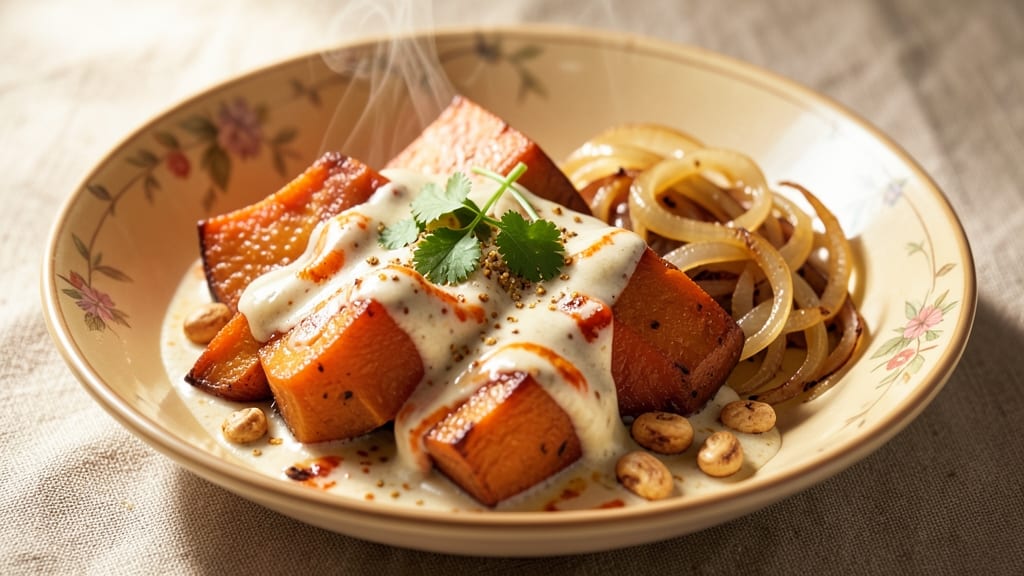
This sweet potato korma recipe transforms humble sweet potatoes into a velvety, spice-infused masterpiece that rivals any Indian restaurant dish. 🌟 The secret lies in slow-cooking the sweet potatoes in a rich coconut gravy, where warm spices like cinnamon, cardamom, and cumin meld into a fragrant, aromatic symphony that coats every bite.
What makes this recipe special is how it balances sweetness with earthy, spiced depth—creating a dish that's both comforting and sophisticated.
The process begins with gently sautéing whole spices until fragrant, then building layers of flavor with onions, garlic, and ginger before introducing coconut milk for creaminess. The sweet potatoes absorb the spiced gravy beautifully, developing a tender yet slightly caramelized texture that pairs perfectly with basmati rice or warm naan.
This vegetarian dish is not only hearty and satisfying but also packed with natural sweetness that appeals to both kids and adults alike.
By the time you serve this korma, your kitchen will be filled with the intoxicating aroma of toasted spices and coconut, while the dish itself delivers a creamy, golden-hued curry with just the right balance of sweetness and warmth.
The slow simmering process ensures the sweet potatoes stay tender while soaking up all the rich, spiced flavors—resulting in a restaurant-quality meal that's surprisingly easy to recreate at home.
Whether you're serving it as a main dish alongside rice or as a flavorful side to complement grilled meats, this sweet potato korma is a versatile addition to any meal.
The recipe scales effortlessly, making it perfect for both weeknight dinners and special occasions. Let's dive into the steps to create this comforting, spice-kissed masterpiece.
Ingredients for sweet potato korma
These aromatic spices and velvety coconut milk create a restaurant-quality sweet potato korma.
| Ingredient | Amount | Notes |
|---|---|---|
| Sweet Potatoes 🍠 | 2 lb | Medium-sized, peeled and cubed |
| Coconut Milk 🥥 | 1 can | Full-fat, 13.5 oz can |
| Onions 🧅 | 1 whole | Yellow or red, finely chopped |
| Garlic Cloves 🧄 | 6 cloves | Minced, fresh preferred |
| Ginger 🌿 | 1 tbsp | Fresh, grated |
| Ground Cumin 🌶️ | 1 tbsp | Toasted for deeper flavor |
| Ground Coriander 🌿 | 1 tbsp | Freshly ground preferred |
| Turmeric Powder 🧂 | ½ tsp | High-quality, vibrant color |
| Ground Cardamom 🌿 | ½ tsp | Freshly ground preferred |
| Cinnamon Sticks 🍃 | 2 whole | Broken into small pieces |
| Black Peppercorns 🌶️ | 1 tsp | Crushed, whole preferred |
| Tomato Paste 🍅 | 2 tbsp | Squeeze tube or canned |
| Vegetable Oil 🫒 | ½ cup | High smoke point preferred |
| Salt 🧂 | 1 ½ tsp | Diamond Crystal preferred |
| Fresh Cilantro 🌿 | ¼ cup | Chopped, for garnish |
The coconut milk is non-negotiable here—full-fat, 13.5 oz cans from Thai Kitchen or Native Forest deliver the richest texture. For the spices, Penzeys or local Indian markets offer the freshest ground varieties, but don't compromise if you can't find them—the regular grocery store spices will work just fine. The sweet potatoes should be firm and vibrant orange, with no soft spots. I always peel and cube them into even 1-inch pieces for consistent cooking. The ginger and garlic? Fresh is essential—dried or powdered just won't cut it in this dish.
No coconut milk? Substitute with a mix of light coconut milk and a splash of heavy cream for richness, though the texture will differ slightly. Running low on ground spices? Whole spices toasted and ground work beautifully—cardamom pods, cumin seeds, and coriander seeds all toast up wonderfully in a dry pan for 2-3 minutes before grinding. The tomato paste can be squeeze tube from Trader Joe's for convenience, but canned works too. For extra depth, add a pinch of asafetida powder if you're feeling adventurous—it's a common Indian curry enhancer.
Store the cooked korma in an airtight container with a thin layer of coconut milk on top to preserve freshness. Keeps 4-5 days in the fridge, though it reheats best when warmed gently on low heat. For longer storage, freeze portions for up to 3 months. The spices lose potency over time, so replace ground spices every 6 months and store whole spices in airtight containers away from light. Fresh cilantro wilts quickly—store it wrapped in damp paper towels in a sealed container for up to 5 days.
Why You'll Love This Recipe
- One-Pot Magic: I swear by this for lazy nights—just chop, simmer, and let the coconut milk do the heavy lifting. No extra pots, no fuss, and the sweet potatoes melt into that creamy sauce like they’re begging to be eaten.
- Garlic-Ginger Kiss: That raw garlic and ginger paste? It’s the secret weapon—sharp, fragrant, and lingers just enough to make every bite sing. Honestly, I double the amount if I’m feeling extra.
- Meal Prep MVP: This keeps perfectly for days—better, if you ask me, as the flavors deepen. Pack it for lunches, freeze portions for busy weeks, or reheat it when you’re too tired to cook.
- Budget Comfort: Sweet potatoes and coconut milk stretch this dish into a whole meal without breaking the bank. Between us, it’s my go-to when I need something hearty but won’t drain my wallet.
Step-by-step instructions for sweet potato korma
Here's the method for a velvety coconut curry with perfectly balanced sweet-spicy depth.
🍳 Step 1: Bloom the Spices in Vegetable Oil
Heat the 0.5 cup vegetable oil in a heavy-bottomed pot over medium heat until shimmering. Add the 2 whole cinnamon sticks and 1 tsp crushed black peppercorns, toasting for 30 seconds until fragrant. This releases their essential oils and forms the aromatic base.
Next, add the 1 whole finely chopped onions and cook for 5-6 minutes until golden brown and caramelized. This deepens the flavor profile significantly—don't rush this step. The onions should be almost dry, with just a little oil remaining in the pot.
🍳 Step 2: Add Aromatics and Ground Spices
Stir in the 6 cloves minced garlic and 1 tbsp grated ginger, cooking for 1 minute until fragrant but not browned. Add the 1 tbsp ground cumin, 1 tbsp ground coriander, 0.5 tsp turmeric powder, and 0.5 tsp ground cardamom, stirring constantly for 30 seconds to toast the spices.
This creates a spice paste that forms the flavor foundation. You'll notice the spices release their oils and fill your kitchen with an intoxicating aroma. Immediately add the 2 tbsp tomato paste and stir for 1 minute to cook it down and deepen the color of the sauce.
🍳 Step 3: Cook the Sweet Potatoes Until Tender
Add the 2 lb peeled and cubed sweet potatoes and 1.5 tsp salt, stirring to coat evenly with the spice mixture. Pour in ½ cup water (from the can of coconut milk) and bring to a simmer. Cover and cook for 15-18 minutes until the sweet potatoes are fork-tender but not falling apart.
I check for doneness by piercing a cube with a fork—it should slide in easily but still offer slight resistance. The sweet potatoes should absorb the spice mixture but retain their shape. If they're cooking too quickly, reduce the heat to medium-low to prevent burning.
🥘 Step 4: Build the Creamy Coconut Base
Open the 1 can full-fat coconut milk and pour in ½ cup (reserve the remaining ½ cup for later). Stir well and bring the mixture to a gentle simmer over medium heat. Let it cook uncovered for 10-12 minutes until the sauce thickens slightly and coats the back of a spoon.
Here's where the magic happens—the coconut milk reduces slightly, creating a velvety texture while allowing the spices to meld. You'll see the sauce transform from thin to rich and creamy. If it's too thick, add the reserved ½ cup coconut milk 1 tablespoon at a time until you reach your desired consistency.
🔪 Step 5: Finish and Garnish
Remove from heat and stir in the 0.25 cup chopped fresh cilantro. Let the korma rest for 5 minutes to allow the flavors to fully integrate. Taste and adjust seasoning—you may need an additional pinch of salt or a dash of turmeric to achieve perfect balance.
Serve immediately over steamed basmati rice or with warm naan bread. The sweet potatoes should be tender with just a slight bite, swimming in a creamy, aromatic sauce that's perfectly balanced between sweet, spicy, and earthy notes. The cilantro adds a bright finish that cuts through the richness.
Pro Tips For Making Sweet Potato Korma
- SOFTEN POTATOES FIRST: Peel and cut sweet potatoes into 1-inch chunks, then boil them for 8-10 minutes until just tender—not mushy. Overcooking turns them to mush in the sauce, and you’ll end up with a watery korma instead of creamy, velvety texture. Drain well, but don’t rinse—those starchy juices are flavor gold.
- SAUTÉ ONIONS LOW: Cook onions on medium-low heat until deep golden, not browned. I used to rush this, and the onions would taste bitter. A gentle simmer for 10-12 minutes builds sweetness—no need to rush, even if you’re impatient like me.
- SKIP THE RAW GINGER: Finely grate ginger (no need to peel) and cook it with garlic for 2 minutes until fragrant. Raw ginger adds a sharp bite that fights the coconut milk’s creaminess. A quick sizzle softens it into the background where it belongs.
- STIR IN COCONUT MILK LAST: Simmer your spiced onions and potatoes until the liquid reduces by half, then add coconut milk. Pouring it in too soon dilutes the depth of the spice base. Let the flavors concentrate first—this is the thing that makes a real difference in restaurant-quality taste.
Serving suggestions for sweet potato korma
Rice Pairings
Steamed basmati rice is the classic companion to sweet potato korma, as its delicate, floral aroma complements the creamy coconut sauce beautifully. Use a 1:1.5 rice-to-korma ratio—for every 1 cup uncooked basmati rice, prepare about 1.5 cups of korma.
I recommend Tilda brand basmati rice for its long grains and subtle nutty flavor. 💛
For a heartier option, try jasmine rice with its fragrant, slightly sweet profile. Cook it in broth instead of water (I use low-sodium chicken or vegetable broth) to enhance its natural flavors.
The extra moisture from the broth prevents the rice from drying out when paired with the korma's rich sauce.
Bread Sides
Warm, freshly baked naan bread is a must—its soft, pillowy texture soaks up the creamy sauce perfectly. I love using store-bought naan from the Indian section (like Tasty Bite brand) and warming it in a dry skillet for 30 seconds per side until crispy.
For extra flair, brush with garlic butter before serving.
For a gluten-free option, try garlic naan made with almond flour or serve with warm roti or paratha. If you prefer a crunchier texture, add toasted pita chips or crispy papadums on the side. These add a satisfying contrast to the soft sweet potatoes and creamy sauce.
Fresh Vegetable Contrast
A simple cucumber-raita balances the richness of the korma beautifully. Mix 1 cup plain yogurt with ½ cup grated cucumber, 1 tbsp chopped mint, and a pinch of salt. This cooling side cuts through the coconut's richness while adding a refreshing element. 🥒
For a lighter option, serve with a mango-avocado salad—toss 1 diced mango, ½ avocado, and 1 tbsp lime juice with a pinch of chili powder. The sweetness of the mango enhances the korma's natural sweetness, while the avocado adds creaminess without overpowering the dish.
Protein Additions
While this dish is vegetarian, you can easily add grilled chicken or paneer for extra protein. For chicken, marinate 1 lb boneless thighs in 1 tbsp yogurt, 1 tsp garam masala, and ½ tsp turmeric for 30 minutes before grilling.
The smoky char pairs wonderfully with the korma's creamy sauce. 🍗
For a plant-based option, pan-fry ½ lb cubed paneer in 1 tbsp ghee until golden brown, then toss with 1 tsp chaat masala and 1 tbsp chopped cilantro. The paneer adds a satisfying texture and absorbs the korma's flavors beautifully.
Garnish Finishes
Fresh cilantro and toasted cashews elevate the dish with a pop of color and crunch. Just before serving, sprinkle 2 tbsp chopped cilantro and 1 tbsp toasted cashews over the top. For extra heat, add a dash of red chili powder or a few drops of hot sauce. 🌶️
For a smoky touch, drizzle with 1 tsp smoked paprika or a few drops of smoked sea salt on top. These finishes add depth and complexity, making the dish feel even more restaurant-worthy.
Nutrition facts
Frequently asked questions
Can I substitute regular potatoes for sweet potatoes in this korma?
While you can technically use regular potatoes, sweet potatoes bring a unique caramelized sweetness and vibrant color that enhances the dish. For the best results, stick with sweet potatoes—their natural sugars meld beautifully with the coconut and spices, creating a more complex flavor profile. If you must substitute, use Yukon Golds for a slightly sweeter option than russets.
How can I make this korma less creamy if I prefer a lighter texture?
Simply reduce the coconut milk by half—use ½ can instead of 1 can and replace the remaining ½ can with vegetable broth or water. This keeps the spiced flavor while creating a lighter, brothier consistency. You can also add 1 tbsp cornstarch mixed with water to thicken the sauce after cooking if needed.
What's the best way to reheat leftover sweet potato korma?
Reheat gently on the stovetop over low heat with a splash of water or coconut milk to prevent drying out. Stir frequently and add more liquid 1 tbsp at a time if the sauce thickens too much. Avoid microwaving—it can make the sauce watery and lose its velvety texture. For best results, reheat only until warmed through.
Can I make this korma in an Instant Pot?
Yes! Sauté the onions, garlic, ginger, and spices as directed, then add the sweet potatoes, tomato paste, and 1 cup coconut milk. Secure the lid, cook on High Pressure for 3 minutes, then quick-release. Finish with the remaining ½ cup coconut milk and cilantro. The pressure cooker cuts the cooking time significantly but may require slightly more coconut milk to achieve the same creamy texture.
Why does my korma taste too sweet or too spicy?
Too sweet? Balance with ½ tsp black salt (kala namak) or a pinch of lemon juice to cut through the natural sweetness. Too spicy? Add 1 tbsp plain yogurt or ½ cup heavy cream to cool the heat. Taste as you go—you can always adjust, but it's harder to remove excess sweetness or spice once added. Start with half the recommended spices if you're sensitive to heat.