
Side Dishes
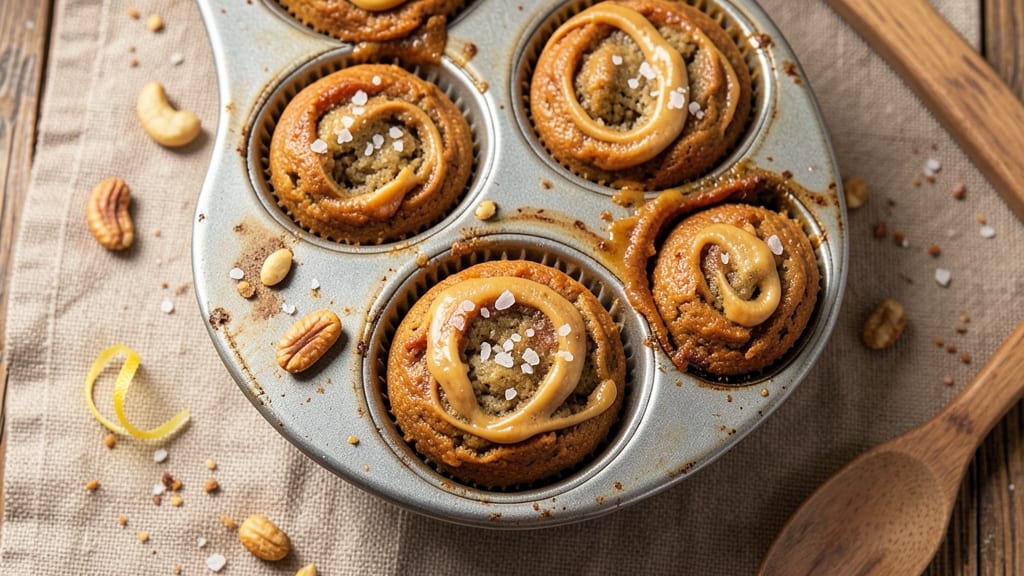
This sweet potato peanut butter muffin recipe transforms humble ingredients into moist, nutty-sweet bites that sneak in veggies without sacrificing flavor. The secret lies in blending sweet potato puree with rich peanut butter for a texture that's dense yet tender—perfect for breakfast or snacking.
What makes these muffins special is how the natural sweetness of roasted sweet potato pairs beautifully with the deep nuttiness of peanut butter, creating a balance that's both comforting and slightly sophisticated.
The recipe uses simple pantry staples like all-purpose flour, eggs, and vanilla extract to complement the star ingredients, while a pinch of cinnamon and baking powder ensures just the right amount of warmth and lift.
Baking at 350°F for about 20 minutes guarantees muffins with a golden crust and a moist interior that stays fresh for days. This isn't just another veggie-loaded recipe—it's a delicious treat that even peanut butter skeptics will love.
What you'll end up with are muffins that are rich, slightly chewy, and packed with natural sweetness from the sweet potato, all while hiding a serving of vegetables in every bite.
The peanut butter adds a satisfying depth of flavor, making these muffins a perfect choice for meal prep or a quick snack. They're also versatile enough to adapt for dietary needs—think vegan substitutions or gluten-free flour blends—without compromising on taste.
Whether you're looking for a healthier muffin option or simply a new favorite recipe to add to your rotation, these sweet potato peanut butter muffins deliver on both fronts.
The combination of textures and flavors creates a bite that's irresistibly comforting, and the simplicity of the recipe makes it easy to bake a batch whenever you crave something sweet yet nutritious. Let's get baking!
Ingredients for sweet potato peanut butter muffin
Twelve simple ingredients blend sweet potato's natural sweetness with peanut butter's richness for muffins that taste indulgent yet pack veggie nutrition.
| Ingredient | Amount | Notes |
|---|---|---|
| Roasted Sweet Potato Puree 🍠 | 1 cup | Homemade or store-bought, unsweetened |
| Natural Creamy Peanut Butter 🥜 | ¾ cup | No added sugar, smooth texture |
| All-Purpose Flour 🌾 | 2 cups | Spray sifter for even distribution |
| Granulated Sugar 🍚 | ½ cup | Light brown sugar for deeper flavor |
| Large Eggs 🥚 | 2 whole | Room temperature for even mixing |
| Vanilla Extract 🌿 | 1 tbsp | Pure, no alcohol added preferred |
| Cinnamon 🌶️ | 1 ½ tsp | Ground, for warm spice notes |
| Baking Powder 🍞 | 1 tsp | Diamond Crystal preferred |
| Salt 🧂 | ½ tsp | Fine sea salt for balance |
| Unsweetened Applesauce 🍎 | ¼ cup | For moisture and natural sweetness |
| Plain Greek Yogurt 🥛 | ¼ cup | Full-fat for creaminess |
| Chopped Peanuts 🥜 | ¼ cup | Toasted for added crunch |
| Vegetable Oil 🫒 | ¼ cup | For tender crumb texture |
The sweet potato puree is non-negotiable for moisture and flavor. Roast your own—simmer peeled cubes for 20 minutes at 400°F, then blend until silky—it's worth the effort. For convenience, Trader Joe's and Whole Foods carry high-quality unsweetened puree in tubes, but check labels for added oils or sugars. Natural peanut butter is essential here; brands like Smucker's Natural or Jif Natural deliver the right balance of creaminess without artificiality. The Greek yogurt adds subtle tang that brightens the sweetness, so full-fat Fage or Chobani are ideal choices for optimal texture.
No sweet potato puree? Roast and mash a medium sweet potato—it's the closest substitute, though texture will differ slightly. Swap brown sugar for white if needed, but the cinnamon's warmth pairs better with the molasses notes in light brown. Eggs can be replaced with flax eggs (2 tbsp ground flaxseed + 6 tbsp water) for vegan versions, though texture may be slightly denser. For nut-free adaptations, omit the chopped peanuts and add 1 tsp sunflower seed butter to the batter instead. The baking powder must be fresh—test with vinegar (if it fizzes, it's active) to ensure proper rise. Vegetable oil can be swapped for melted coconut oil, but it may impart a slight coconut flavor.
Store baked muffins in an airtight container at room temperature for 3 days or refrigerate for 1 week to maintain freshness. For longer storage, freeze individual muffins wrapped in plastic wrap for up to 3 months. Reheat in a 300°F oven for 5-7 minutes to restore moisture. These muffins also make excellent breakfast prep—portion into muffin liners before baking, then freeze. The peanut butter and sweet potato flavors actually intensify slightly after baking, making them even more satisfying the next day.
Why You'll Love This Recipe
- Here’s what sold me: they stay fresh for days, and the flavor only gets better. Freeze extras for a quick grab-and-bake morning, or stash them in the pantry for when you’re too tired to bake. Plus, using pantry staples like flour and sugar keeps costs low—no specialty ingredients needed.
- No Mixer Needed: I swear by this recipe when my mixer’s out of commission. Just stir the roasted sweet potato puree into the peanut butter batter—it’s thick but smooth, no lumps, no fuss. The eggs bind everything together so effortlessly, even if you’re not a baker by trade.
- Peanut Butter Magic: That first bite? Pure comfort. The roasted sweet potato adds natural sweetness and a velvety texture, while the peanut butter gives it this rich, nutty depth—like a cookie and a muffin had a delicious baby. Honestly, I’ve seen people eat these straight from the pan.
- Breakfast or Snack: Between us, these muffins work for everything. Pack them in lunchboxes for protein-packed fuel, toss one in your bag for a midday pick-me-up, or serve them warm with a drizzle of honey for a lazy weekend brunch. They’re the ultimate crowd-pleaser, no matter the occasion.
Step-by-step instructions for sweet potato peanut butter muffins
Here's how to create moist, nutty muffins with hidden veggie goodness.
Combine Wet Ingredients for Perfect Texture
In a large mixing bowl, whisk together the 1 cup roasted sweet potato puree, 0.75 cup natural creamy peanut butter, 0.25 cup vegetable oil, and 0.5 cup granulated sugar until fully blended. The sweet potato puree adds natural sweetness and moisture while keeping the muffins dense and tender. I like to use a hand mixer for this step to ensure everything is thoroughly combined and no peanut butter clumps remain.
Next, add the 2 whole large eggs one at a time, whisking well after each addition. Then stir in the 1 tbsp vanilla extract, 0.25 cup unsweetened applesauce, and 0.25 cup plain Greek yogurt. The applesauce and yogurt work together to create a light, airy texture without making the muffins too moist. The mixture should be smooth and well incorporated, with a thick but pourable consistency.
Sift and Mix Dry Ingredients for Even Distribution
In a separate medium bowl, sift together the 2 cups all-purpose flour, 1.5 tsp cinnamon, 1 tsp baking powder, and 0.5 tsp salt. Using a sifter ensures the baking powder and salt are evenly distributed throughout the flour, which prevents pockets of dryness or overly salty spots in your muffins. I find that sifting also helps create a lighter crumb structure.
Make a well in the center of the dry ingredients and gradually pour in the wet mixture. Using a spatula, gently fold everything together just until combined—avoid overmixing. Overmixing develops gluten, which can make the muffins tough. You'll know you're done when there are no more streaks of flour visible, but the batter still looks slightly shaggy.
Fold in Chopped Peanuts for Added Crunch
Using the same spatula, gently fold in the 0.25 cup chopped peanuts until evenly distributed throughout the batter. I like to do this in two additions to ensure the peanuts are well incorporated without breaking them up too much. The peanuts will add texture contrast and a nutty depth of flavor that complements the sweet potato and peanut butter.
At this stage, the batter should be thick but still pourable. If it appears too thick, you can gently stir in 1-2 tablespoons of milk (not listed in ingredients) to help with the baking process, but the current recipe should work perfectly without it. The batter should hold its shape when dropped from a spoon but still flow smoothly.
Divide and Prepare Muffin Tins for Even Baking
Preheat your oven to 375°F and line a standard muffin tin with 12 paper liners—this recipe makes exactly 12 muffins. Divide the batter evenly among the liners, filling each about ¾ full. I use a small ice cream scoop for this to ensure uniform size and even baking. Tap the muffin tin gently on the counter a few times to release any air bubbles that may have formed.
For extra browning and texture, I sprinkle a light dusting of 0.25 cup chopped peanuts on top of each muffin before baking. This adds an appealing visual contrast and enhances the nutty flavor. Bake for 18-22 minutes, or until a toothpick inserted into the center comes out clean. The muffins should be golden brown on top and slightly domed.
Cool and Serve for Perfect Texture
Remove the muffins from the oven and let them cool in the pan for 5 minutes. Then transfer them to a wire rack to cool completely. This cooling period is crucial—it allows the muffins to set properly and prevents them from becoming gummy. The internal temperature should drop to about 100°F before serving for the best texture.
Serve the muffins warm or at room temperature. They're best enjoyed fresh but can be stored in an airtight container at room temperature for 2-3 days or frozen for up to 3 months. The combination of sweet potato, peanut butter, and cinnamon creates a flavor profile that's both comforting and slightly exotic, making these muffins perfect for breakfast or as a snack.
Pro Tips For Making Sweet Potato Peanut Butter Muffin
- STEAM THE SWEET POTATO: I learned this the hard way—roasting sweet potatoes for puree often leaves them dry or uneven. Instead, microwave them whole in a bowl with 2 tablespoons water for 8-10 minutes (pierced with a fork), then roast at 400°F (200°C) for 20-25 minutes. The steam keeps them moist and makes mashing easier—no grainy texture in your batter.
- WEIGH THE FLOUR: I used to scoop flour straight from the bag, and my muffins always turned out dense. For this recipe, use a kitchen scale—spoon the flour into the measuring cup, level it off, then weigh it. Aim for 220g (about 1¾ cups) of all-purpose flour. The difference in texture is noticeable, especially with the peanut butter’s natural oils.
- FOLD IN PEANUT BUTTER: Don’t just stir the peanut butter into the batter like you’re making peanut butter toast. Use a spatula to gently fold it in—start with a few strokes at the bottom, then cut through the center, and repeat. Overmixing develops gluten and makes the muffins tough. Keep it loose, like a thick pancake batter.
- BAKE UNTIL SPRINGY: The muffins will look done before they are. Press one lightly—if it springs back slowly, pull them out. If it leaves a dent, bake another 2-3 minutes. I used to pull them too soon, and they’d turn gummy in the center. A toothpick test works too, but the spring test is more reliable for this dense batter.
Essential equipment for this recipe
Muffin Tin Essentials
You'll need a standard 12-cup muffin tin with liners—I swear by Wilton non-stick liners because they prevent sticking and create a clean release. If you don’t have liners, lightly grease the tin with vegetable oil or baking spray (like Pam) to ensure easy removal.
For extra browning, I recommend a dark aluminum muffin tin—it conducts heat differently and gives those tops a gorgeous golden hue. 🔥
Mixing Tools Matter
A hand mixer (like KitchenAid stand mixer attachments) is my go-to for blending the wet ingredients—it eliminates peanut butter clumps and creates a silky batter. For the dry ingredients, a fine-mesh sifter (like OXO Good Grips) ensures even distribution of baking powder and salt, which prevents dense spots.
A rubber spatula with a flexible edge helps fold in those chopped peanuts without overmixing the batter.
Oven Prep for Even Baking
Always preheat your oven for 15 minutes before baking—this ensures consistent results. Place a baking sheet on the middle rack to catch any potential drips (especially if your batter is extra wet).
For optimal heat distribution, I use a digital oven thermometer (like Thermoworks Oven Thermometer) to confirm your oven is actually at 375°F—many ovens run hot or cold, and this small tool saves you from under- or over-baked muffins.
Peanut Butter Prep
Natural peanut butter can be stubborn—always soften it at room temperature for 15-20 minutes before measuring. If it’s too thick, microwave it for 10 seconds to loosen, then stir until smooth.
I like to press it through a fine-mesh sieve (like Microplane) to remove any skin or oil separation, which keeps the batter ultra-smooth. Pro tip: Use Smucker’s Natural or Jif Natural—they’re less likely to have additives that alter texture.
Cooling Rack & Storage
A wire cooling rack (like OXO Good Grips) is non-negotiable—it prevents muffins from sitting in residual heat, which can make them soggy. For storage, I use glass airtight containers (like Pyrex) with a layer of parchment paper between muffins to preserve moisture.
If freezing, wrap each muffin individually in plastic wrap before placing in a freezer bag—this prevents freezer burn and makes reheating a breeze.
Nutrition facts
Frequently asked questions
Can I substitute sweet potato puree with another vegetable?
Sweet potato puree is key for both moisture and flavor, but you can try 1 cup pumpkin puree or 1 cup mashed butternut squash as alternatives. These will work similarly, though the flavor profile will differ slightly—sweet potato gives a deeper, earthier sweetness. Avoid starchy veggies like potatoes, as they won't provide the same texture or natural sweetness.
Why do my muffins turn out dense instead of moist?
Overmixing the batter is the most common cause—stop folding when just combined to avoid developing gluten. Also ensure your baking powder is fresh (test with vinegar) and that you're using room-temperature eggs. If the batter seems too thick, add 1-2 tablespoons of milk before baking. The sweet potato puree and applesauce are your moisture allies, so measure them accurately.
How can I make these muffins vegan?
Replace the 2 eggs with 2 flax eggs (2 tbsp ground flaxseed + 6 tbsp water, mixed and rested for 5 minutes). Use vegan Greek yogurt (like Silk) and swap the honey for maple syrup if needed. For extra richness, add 2 tbsp melted coconut oil to the wet ingredients. The texture will be slightly denser but still delicious!
Can I add chocolate chips to these muffins?
Fold in ½ cup dairy-free chocolate chips (like Enjoy Life brand) along with the peanuts. For classic versions, use semi-sweet chocolate chips. Keep in mind this will make the muffins slightly sweeter, so you might reduce the sugar by 1 tablespoon if desired. The chocolate pairs beautifully with the peanut butter and cinnamon!
How do I prevent the tops from browning too quickly?
Try tenting the muffin tin with aluminum foil after 10 minutes of baking. Alternatively, place the tin on the lower oven rack where temperatures are slightly cooler. For even browning, use a light-colored muffin tin instead of dark aluminum. The key is monitoring closely—these muffins should have a golden top but not be over-browned.