
Side Dishes
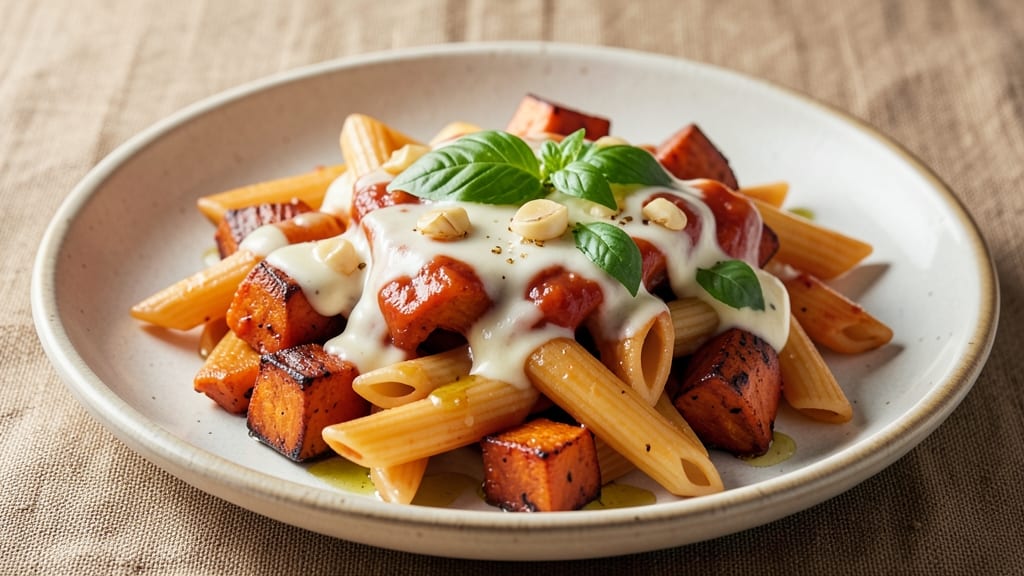
This sweet potato penne pasta recipe transforms humble ingredients into a creamy, hearty dish that balances earthy sweet potatoes with rich tomato pesto. The secret lies in roasting sweet potatoes until they're tender and caramelized, then blending them into a velvety sauce that coats every strand of penne perfectly.
I developed this recipe after years of experimenting with ways to make sweet potatoes feel luxurious—not just another side dish, but the star of the plate.
The beauty of this recipe is its simplicity: one-pot simplicity, where roasted sweet potatoes, garlic, and basil blend into a sauce that simmers with tomato paste and heavy cream.
The result is a pasta dish that's rich yet balanced, with the natural sweetness of the potatoes shining through while the pesto adds a bright, herby contrast.
It's the kind of meal that feels indulgent but comes together in under 45 minutes—perfect for weeknights when you crave something substantial.
What makes this dish truly special is how the flavors meld together. The roasted sweet potatoes add a deep, caramelized sweetness, while the tomato pesto brings tangy, garlicky depth. The pasta absorbs the sauce beautifully, leaving you with creamy, clingy strands that are impossible to resist.
Serve it with a sprinkle of parmesan, fresh basil, or even a protein like grilled chicken to turn it into a full meal.
This recipe is foolproof—no advanced techniques required, just a few key steps to ensure the sweet potatoes roast evenly and the sauce emulsifies perfectly. Whether you're feeding a family or treating yourself to a cozy dinner, this sweet potato penne pasta delivers restaurant-quality comfort with minimal effort.
Let's get cooking!
Ingredients for sweet potato penne pasta
Roasted sweet potatoes and creamy tomato pesto transform simple penne into a luxurious weeknight dinner.
| Ingredient | Amount | Notes |
|---|---|---|
| Sweet Potatoes 🍠 | 1 ½ lb | Medium, peeled and cubed |
| Penne Pasta 🍝 | 12 oz | Dry weight, medium or rigatoni |
| Heavy Cream 🥛 | ½ cup | Full-fat for richness |
| Tomato Paste 🍅 | 2 tbsp | High-quality, canned preferred |
| Fresh Garlic 🧄 | 4 cloves | Minced for depth of flavor |
| Fresh Basil Leaves 🌿 | 1 cup | Packed, stems removed |
| Extra-Virgin Olive Oil 🫒 | ½ cup | High-quality, fruity |
| Parmesan Cheese 🧀 | ½ cup | Freshly grated, aged |
| Salt 🧂 | 1 ½ tsp | Diamond Crystal kosher |
| Black Pepper 🌶️ | ½ tsp | Freshly ground |
| Red Pepper Flakes 🔥 | ¼ tsp | Optional, for heat |
| Butter 🧈 | 2 tbsp | Unsalted, for finishing |
| Lemon Juice 🍋 | 1 tbsp | Freshly squeezed |
The sweet potatoes are the foundation—choose vibrant orange ones with firm texture, not shriveled or soft spots. Trader Joe's and Whole Foods carry the best quality, but any grocery store's organic section works. Roasting them until caramelized unlocks their natural sweetness, which balances the tangy tomato pesto. For even cooking, cut them into 1-inch cubes—smaller pieces burn faster. Toss them with olive oil and salt before roasting to maximize flavor development. The key is patience: 450°F for 30 minutes gives you that perfect tender-caramelized texture.
No fresh basil? Dried oregano at one-third the amount works in a pinch, though fresh is ideal for that bright, herby punch. Substituting heavy cream with whole milk plus 2 tbsp butter keeps the sauce creamy without breaking the bank. For a dairy-free option, full-fat coconut milk adds richness (though texture will differ slightly). The tomato paste can be swapped for 1 cup crushed tomatoes, but you'll lose that concentrated depth. If you prefer less acidity, reduce the lemon juice to 1 tsp—it brightens the dish but shouldn't overpower the sweet potatoes' natural sweetness.
Roasted sweet potatoes keep 3 days in the fridge, wrapped tightly in foil. The cooked pasta reheats beautifully—just add a splash of water or broth to prevent drying. For meal prep, store the sauce and pasta separately; toss with fresh pasta when ready to eat. The sauce freezes well for 3 months, though texture may separate slightly upon thawing. To reheat, warm gently on low heat, stirring frequently. Always finish with a drizzle of olive oil and fresh basil—that last-minute garnish makes all the difference.
Why You'll Love This Recipe
- Sweet Potatoes Do the Work: I peel and roast them once—no chopping, no peeling every time. Those caramelized cubes stay flavorful for days, so I just toss them straight into the pan with the pasta.
- Creamy Without the Fuss: Heavy cream and tomato paste team up for a sauce that’s rich but not heavy, with that deep, slightly sweet undertone from the sweet potatoes. Honestly, it’s the kind of dish where you don’t even miss the cheese.
- Weeknight to Potluck Hero: Make a big batch on Sunday—it reheats beautifully for lunches or doubles as a hearty side for dinner guests. (Yes, even on a Tuesday night.)
- Budget-Friendly Luxury: Sweet potatoes and penne stretch this recipe farther than you’d think, and the garlic and cream make it feel special without breaking the bank. My wallet and taste buds win.
Step-by-step instructions for sweet potato penne pasta with creamy tomato pesto
Here's how to create a rich, creamy pasta dish where roasted sweet potatoes meet vibrant tomato pesto.
Roast the Sweet Potatoes to Perfection
Preheat your oven to 425°F and line a baking sheet with parchment paper. Toss the 1.5 lb sweet potatoes (peeled and cubed) with 2 tablespoons extra-virgin olive oil, 1 teaspoon salt, ¼ teaspoon black pepper, and ¼ teaspoon red pepper flakes. Spread them in a single layer on the baking sheet.
Roast for 25-30 minutes, stirring halfway through, until the sweet potatoes are tender when pierced with a fork and have developed caramelized edges. The sweet aroma filling your kitchen signals they're ready. Let them cool slightly before using—this prevents the pesto from turning watery when combined.
Cook the Penne Pasta Al Dente
Bring a large pot of water to a rolling boil and add 12 oz penne pasta. Season the water generously with ½ teaspoon salt (it should taste like the sea). Cook the pasta until it's 1 minute shy of the package's al dente time—you'll finish cooking it in the sauce.
Reserve 1 cup of the pasta water before draining, then drain the pasta completely. The starchy water is essential for creating a silky, creamy sauce. Keep the pasta warm while you prepare the pesto—it shouldn't sit uncovered for more than a few minutes, or it'll dry out.
Create the Creamy Tomato Pesto Base
In a food processor, combine the 1 cup fresh basil leaves, 4 cloves minced fresh garlic, 2 tablespoons tomato paste, ¼ cup extra-virgin olive oil, ¼ cup parmesan cheese, ½ teaspoon salt, and ¼ teaspoon black pepper. Pulse until the mixture is finely chopped but still slightly textured.
With the processor running, slowly drizzle in the remaining ¼ cup extra-virgin olive oil and ½ cup heavy cream until the pesto reaches a smooth, creamy consistency. Taste and adjust seasoning if needed—this is your flavor foundation. The sauce should be vibrant green with a rich, velvety texture.
Combine All Ingredients for Maximum Flavor
In a large skillet over medium heat, melt the 2 tablespoons butter and add the roasted sweet potatoes. Toss them to coat evenly in the butter, allowing them to heat through for 2-3 minutes while their caramelized edges deepen in flavor.
Add the cooked pasta and tomato pesto to the skillet, tossing vigorously to combine. If the sauce seems too thick, add ¼ cup of the reserved pasta water at a time until it reaches your desired consistency—it should cling beautifully to each strand of pasta. The sweet potatoes should be evenly distributed throughout the dish.
Finish and Serve with Bright Acidic Notes
Remove the skillet from heat and stir in the 1 tablespoon lemon juice. This final touch brightens the dish, cutting through the richness of the cream and sweetness of the roasted potatoes. Taste again and adjust seasoning if needed—this is where the dish comes together.
Serve immediately while the pasta is hot and the sweet potatoes are still warm. The creamy tomato pesto should coat every bite, with tender sweet potatoes adding natural sweetness and texture. Garnish with additional fresh basil leaves and grated parmesan cheese for an elegant presentation that matches the dish's sophisticated flavors.
Pro Tips For Making Sweet Potato Penne Pasta
- ROAST SWEET POTATOES UNTIL SOFT: Sweet potatoes should give slightly when pierced with a fork—no need to mash them into oblivion. I learned this the hard way after turning my sauce into a gluey mess from over-mashed tubers. Roast at 400°F (200°C) for 45-55 minutes, flipping halfway, until they’re tender but still hold shape.
- PEEL GARLIC AFTER SMASHING: Fresh garlic is easier to work with if you smash the whole clove with the flat side of your knife first—then peel the skins off. This keeps the flavor potent and prevents those stubborn cloves from rolling away while you’re chopping. (Yes, even if you’re impatient like me.)
- COOK PASTA AL DENTE, THEN REST: Boil penne until it’s just firm—about 1 minute less than package instructions. Drain and toss with a splash of pasta water, then let it sit covered for 2 minutes. This prevents a gummy finish and gives you time to actually assemble the sauce without rushing.
- TEMPER THE CREAM: Warm the heavy cream gently (just until steaming) before adding it to the tomato paste and roasted sweet potatoes. Cold cream will curdle your sauce faster than you can say “disaster.” Stir in slowly while keeping heat low—this keeps the sauce silky, not scrambled.
Common mistakes when making your sweet potato penne pasta
Over-Roasting Sweet Potatoes
Roasting sweet potatoes too long turns them dry and mealy instead of tender and caramelized. I’ve ruined more than one batch by leaving them in the oven past 30 minutes—trust me, it’s a flavor killer. The ideal texture should be fork-tender with slightly crisp edges.
To prevent this, set a timer and check at 25 minutes. If they’re not quite done, return for 5-minute intervals instead of leaving them unattended. 🍠
Skipping the Pasta Water
Reserving pasta water is non-negotiable for a creamy sauce. I’ve made this mistake and ended up with a stiff, clumpy mess. The starchy water helps emulsify the sauce, binding everything together. Always reserve 1 cup before draining, and keep it nearby while you finish the dish.
If the sauce still feels too thick, add it 1 tablespoon at a time until it reaches a silky consistency.
Using Low-Quality Ingredients
Cheap olive oil, old garlic, or wilted basil can turn this dish from gourmet to generic. I learned this the hard way when I used store-brand olive oil—it lacked the fruity depth needed to balance the sweet potatoes.
Invest in high-quality extra-virgin olive oil, fresh garlic, and vibrant basil. If you must use dried herbs, double the amount and add them at the end for maximum flavor impact.
Overcooking the Pasta
Penne pasta should be cooked until al dente—just 1 minute shy of the package’s recommended time. Overcooking makes it mushy and ruins the texture. Test a piece by biting into it—it should have a slight bite.
Finish cooking it in the sauce to ensure it absorbs all those delicious flavors without turning to mush. 🍝
Ignoring the Lemon Juice
That final splash of lemon juice is what ties the dish together. Without it, the sauce can taste flat or overly sweet. I once served this pasta without adding it and got blank stares—my husband said it “needed something.”
Always finish with 1 tablespoon lemon juice to brighten the flavors and cut through the richness. Trust me, it’s a game-changer.
Underseasoning the Sauce
Taste as you go! I’ve made this mistake by assuming the sweet potatoes and tomato paste would carry enough flavor. The sauce needs salt, pepper, and sometimes a pinch of red pepper flakes to round out the flavors.
Adjust seasonings gradually—it’s easier to add more salt than to fix an oversalted dish. A well-balanced sauce is the key to a restaurant-worthy meal.
Nutrition facts
Frequently asked questions
Can I substitute regular potatoes for sweet potatoes in this recipe?
While you can technically use regular potatoes, the flavor and texture will be completely different. Sweet potatoes add a natural sweetness and creamy texture that regular potatoes lack. If you must substitute, try purple potatoes for a slightly sweeter profile, but roast them for 5-10 minutes longer to achieve similar tenderness.
How do I make this dish vegetarian?
This recipe is already vegetarian-friendly! Simply omit any meat additions like chicken or bacon. For extra protein, consider adding sautéed mushrooms, white beans, or crispy chickpeas. The creamy tomato pesto and sweet potatoes provide plenty of hearty satisfaction on their own.
Can I make this pasta ahead of time?
Yes, but with a few key adjustments. Cook the pasta and sauce separately, then refrigerate for up to 2 days. When ready to serve, reheat the sauce gently and toss with fresh pasta. The texture won't be as creamy as when made fresh, but it's still delicious. For best results, finish with fresh basil and lemon juice right before serving.
What's the best way to store leftovers?
Store leftovers in an airtight container in the refrigerator for up to 4 days. To reheat, warm in a skillet over medium-low heat with a splash of water or pasta water to restore creaminess. For freezing, portion the sauce separately from the pasta (freezes for 3 months) and reheat gently, adding fresh pasta when serving.
Why did my sauce turn out too thick?
This usually happens when you skip the reserved pasta water or don't add enough while combining ingredients. The starchy water is essential for creating a silky sauce. If your sauce is too thick, stir in 1-2 tablespoons of pasta water at a time until it reaches your desired consistency. For next time, reserve 1.5 cups of pasta water to ensure you have enough.