
Side Dishes
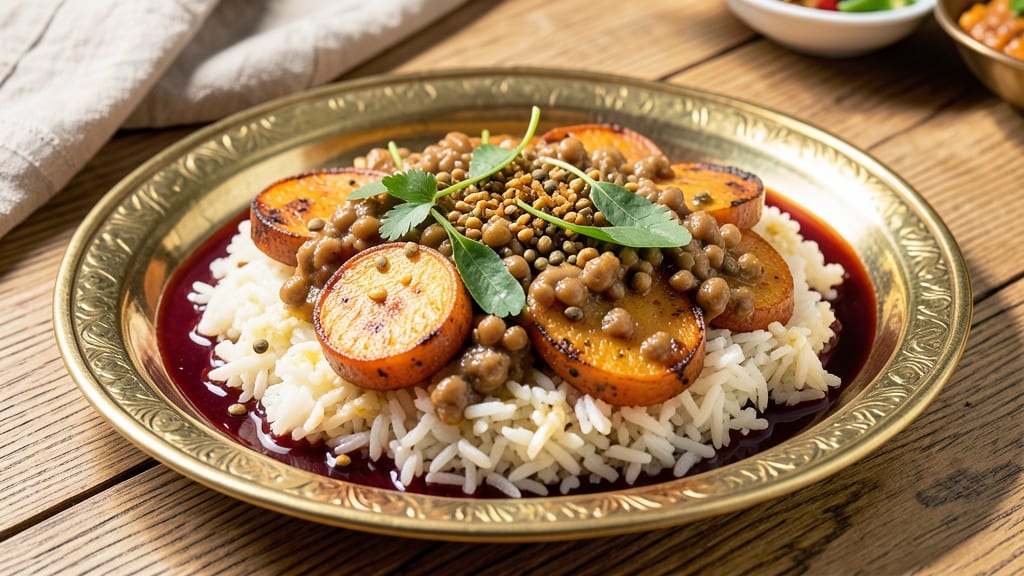
This sweet potato pulusu recipe brings the comforting flavors of South India to your kitchen table—where tender sweet potatoes, hearty lentils, and aromatic spices create a one-pot wonder. 🌟 The dish is a staple in Tamil Nadu, often served with rice or roti, and its tangy tamarind base balances the earthy sweetness of the potatoes perfectly.
What makes this recipe special is the layering of flavors through slow cooking and tempering, which transforms simple ingredients into something deeply satisfying.
The beauty of pulusu lies in its simplicity and adaptability. You’ll start with rice and lentils simmered together until tender, then add sweet potatoes that absorb the rich, spiced broth.
The tempering—where mustard seeds, curry leaves, and dried red chilies are toasted in oil—adds a fragrant kick that elevates every bite. This dish is not just a side but a complete meal, packed with protein and fiber, making it ideal for lunch or dinner.
By the time you finish cooking, you’ll have a lentil stew that’s creamy, slightly tangy, and bursting with flavor—each spoonful offering a mix of textures and tastes. The sweet potatoes become soft and caramelized, while the lentils hold their shape, creating a harmonious balance.
Serve it with yogurt or a side of coconut chutney to enhance the experience, and you’ll have a dish that feels both nostalgic and fresh.
Perfect for meal prep or a cozy family dinner, this recipe is a testament to South Indian home cooking—where every ingredient plays a role, and every bite tells a story. Let’s bring this classic dish to life in your kitchen.
Ingredients for sweet potato pulusu
Sweet potatoes, lentils, and tamarind create a tangy, comforting South Indian stew.
| Ingredient | Amount | Notes |
|---|---|---|
| Sweet Potatoes 🍠 | 2 lb | Medium-sized, peeled and cubed |
| Rice 🍚 | 1 cup | Uncooked, long-grain preferred |
| Toor Dal (Split Pigeon Peas) 🌾 | 1 ½ cups | Rinsed thoroughly |
| Tamarind Paste 🍋 | 2 tbsp | Adjust for tanginess preference |
| Mustard Seeds 🌿 | 1 tbsp | Brown or yellow variety |
| Curry Leaves 🌿 | ¼ cup | Fresh, packed |
| Dried Red Chilies 🌶️ | 4 whole | Adjust for spice preference |
| Asafoetida (Hing) 🌿 | ¼ tsp | Pinch for aroma |
| Coconut Oil 🥥 | ½ cup | For tempering and richness |
| Cumin Seeds 🌿 | 1 tsp | Toasted for depth |
| Turmeric Powder 🌿 | ½ tsp | Freshly ground preferred |
| Salt 🧂 | 1 ½ tsp | Adjust to taste |
| Water 💧 | 4 cups | For cooking |
| Fresh Coriander Leaves 🌿 | ¼ cup | Chopped for garnish |
The tamarind paste is the heart of this dish—look for blocks at Indian grocery stores or use paste from the international aisle. If you can’t find tamarind, lemon juice or vinegar in a pinch (but it won’t be the same). The toor dal is key for that creamy texture, and rinsing it well removes bitterness. Sweet potatoes should be firm and vibrant—orange-fleshed ones work best. For the curry leaves, fresh is non-negotiable—dried just won’t cut it. If you’re short on time, Trader Joe’s often carries them frozen.
No mustard seeds? Skip them entirely—this dish still shines. The dried red chilies can be swapped for Kashmiri chilies if you prefer less heat. For extra richness, add 1 tbsp coconut milk at the end. If your tamarind paste is too sour, balance it with a pinch of jaggery or sugar. The cumin seeds can be pre-toasted in a dry pan for 30 seconds to deepen their flavor—worth the extra minute. And if you’re feeling fancy, ghee instead of coconut oil adds a luxurious touch.
This stew tastes even better the next day—reheats beautifully from the fridge. Keeps for 4-5 days in an airtight container, or freeze portions for up to 3 months. For meal prep, double the batch and store in glass jars. The tamarind paste and curry leaves can be prepped ahead—store them separately in the fridge for up to a week. Garnish with fresh coriander just before serving to keep it bright.
Why You'll Love This Recipe
- One-Pot Magic: I swear by this recipe—just toss the sweet potatoes, dal, and rice into one pot, and let the tamarind and mustard seeds work their flavor spell. No switching pans, no extra bowls, and honestly? That’s my kind of cooking.
- Tamarind Tang Kick: That tangy tamarind paste cuts through the sweetness of the potatoes like a bright citrus note in a rich dish. The mustard seeds add a tiny, satisfying crunch that makes every bite feel special—no fancy ingredients, just pure flavor.
- Lunchbox Hero: Between us, this is my go-to for packed lunches. The dal keeps it hearty, the rice makes it filling, and the sweet potatoes? They reheat beautifully without turning mushy. My kids actually eat their veggies this way—no complaints.
- Pantry Stretch: Toor dal and sweet potatoes are cheap, and this recipe stretches them into a meal that feeds four for under $5. I’ll be real: it’s my budget-friendly answer to "What’s for dinner?" when I’m low on groceries but still want something satisfying.
Step-by-step instructions for sweet potato pulusu
Here's how to make this comforting South Indian lentil stew with tender sweet potatoes and tangy tamarind.
🍳 Step 1: Cook the Toor Dal and Rice Together
In a large pressure cooker or heavy-bottomed pot, combine the 1.5 cups toor dal and 1 cup rice with 4 cups water. Bring to a rolling boil over medium-high heat until it reaches a full boil.
Add 0.5 tsp turmeric powder and 1.5 tsp salt, stirring well. If using a pressure cooker, seal and cook for 3 whistles on medium heat. For stovetop, simmer uncovered for 15-18 minutes until the dal and rice are tender but still hold their shape. The mixture should be slightly thick but not mushy.
Real talk: The key here is not overcooking. You want the dal and rice to be soft but still distinct—this creates the perfect texture for the pulusu. If using a regular pot, check after 15 minutes as cook times vary by stove.
🍳 Step 2: Prepare the Sweet Potato Base
While the dal and rice cook, heat 0.5 cup coconut oil in a separate pan over medium heat. Add 1 tsp cumin seeds and let them sizzle for 30 seconds until they turn golden and fragrant.
Add the 2 lb cubed sweet potatoes and cook for 5-6 minutes, stirring occasionally, until they begin to soften slightly. Pour in 2 tbsp tamarind paste and mix well. The tamarind will dissolve and create a tangy base for your stew.
Here's the thing—don't rush this step. The sweet potatoes need to soften enough to absorb the tamarind flavor but shouldn't turn mushy. You're building the flavor foundation, so take your time stirring and letting the tamarind mingle with the oil and spices.
🔥 Step 3: Create the Tempering (Key Flavor Layer)
Increase heat to medium-high and add 1 tbsp mustard seeds to the sweet potato mixture. Let them pop for 30 seconds—this is where the magic happens. Add the 4 whole dried red chilies and 0.25 cup curry leaves, cooking for another 1 minute until the curry leaves turn crisp.
Sprinkle in the 0.25 tsp asafoetida (hing) and stir immediately—it releases an intense aroma that's essential for authentic flavor. The chilies should darken slightly but not burn. This tempering is the soul of your pulusu, so don't skip it.
I press down gently on the sweet potatoes during this step to ensure even contact with the spices. This prevents them from floating and ensures maximum flavor absorption. The mixture should smell rich, spicy, and slightly sweet from the caramelizing sweet potatoes.
🥘 Step 4: Combine and Simmer to Perfection
Carefully transfer the cooked dal-rice mixture to the sweet potato pan, mixing everything together thoroughly. The combination should look like a thick, vibrant stew with chunks of sweet potato throughout.
Simmer the entire mixture uncovered over low heat for 10-12 minutes, stirring occasionally. You're looking for the flavors to meld together—watch for the sweet potatoes to soften completely while the dal maintains its slight texture. The stew should coat the back of a spoon but still hold its shape.
If it looks too thick, add 2-3 tablespoons water to reach your preferred consistency. The ideal pulusu should be thick enough to coat a spoon but still spoonable. Taste and adjust salt if needed—the tamarind can make the flavors more concentrated than expected.
🍽️ Step 5: Garnish and Serve Warm
Remove from heat and let the pulusu rest for 5 minutes. This resting period allows the flavors to settle and the sweet potatoes to absorb any remaining liquid. Stir in the 0.25 cup chopped fresh coriander leaves just before serving.
Serve immediately with steamed rice or as a standalone dish. The perfect bowl of sweet potato pulusu should have tender sweet potatoes, soft dal, and a perfect balance of tangy tamarind and spicy notes. Each bite should deliver warmth from the coconut oil tempering and a satisfying heartiness from the lentils and sweet potatoes.
Pro Tips For Making Sweet Potato Pulusu
- SOAK DAL PROPERLY: Boil your toor dal for exactly 12-15 minutes—not until it’s mushy, but until it’s tender with a slight bite. I learned this the hard way after serving mushy dal that turned into a gluey mess. Drain immediately and rinse with cold water to stop cooking—this keeps the texture perfect for the pulusu’s tangy balance.
- PEEL SWEET POTATOES AFTER COOKING: Skip peeling raw sweet potatoes—it’s a pain and wastes good flavor. Boil them whole (pricked with a knife), then peel and mash while still warm. The skin slides off easily, and you retain more natural sweetness and color. (Yes, even if you’re impatient like me, wait until they’re cool enough to handle.)
- CONTROL THE TAMARIND HEAT: Start with half the tamarind paste called for, then adjust to taste. Sweet potato pulusu needs acidity, but too much tamarind can overpower the dal’s earthiness. Dilute it in warm water first—this lets you taste and tweak before committing. (Your future self will thank you when the dish isn’t puckery.)
- TEMPER MUSTARD LAST: Add mustard seeds to hot oil only after the dal and sweet potatoes are simmering. If you temper them first, the raw seeds can scorch and turn bitter before the dal absorbs the flavor. A splash of water while tempering (just before adding spices) also prevents splattering—this isn’t the prettiest method, but it’s the tastiest.
Pro cooking tips for this recipe
Pressure Cooker Perfection
If you're using a pressure cooker, this is your secret weapon for tender sweet potatoes and perfectly cooked dal. I always use a 6-quart Instant Pot for this recipe because it handles the thick texture beautifully.
Start by cooking the toor dal and rice together with 4 cups water—the pressure cooker will build up to 3 whistles in about 8-10 minutes on high pressure.
The key is to let the steam release naturally for 10 minutes before opening to avoid a sudden pressure drop that could make the dal mushy. 💫
Tempering Timing Tricks
The tempering—where mustard seeds, curry leaves, and dried chilies sizzle in oil—is non-negotiable for authentic flavor. I like to add the cumin seeds first to the sweet potatoes because they toast quickly and infuse the oil with warmth.
When the mustard seeds start popping, that’s your cue to add the dried red chilies and curry leaves. The moment the curry leaves turn crisp and darken slightly, they release their full aroma.
This usually takes 45-60 seconds on medium-high heat—don’t walk away! The asafoetida (hing) should be sprinkled in last and stirred immediately to capture its pungent aroma before it dissipates. 🌶️
Sweet Potato Texture Control
Sweet potatoes can turn mushy if overcooked, so I recommend cutting them into 1.5-inch cubes for even cooking. When you add them to the tempered oil, cook them for just 5-6 minutes until they begin to soften at the edges but still hold their shape.
If you’re worried about uneven cooking, I suggest parboiling them for 3 minutes before adding them to the pan. This ensures they absorb the tamarind and spices evenly without turning to mush. The goal is tender yet firm sweet potatoes that hold up in the stew. 🍠
Tamarind Tang Balance
Tamarind paste is the soul of this dish, but it’s easy to overdo it. I always taste the paste before adding it to the sweet potatoes—it should be slightly sweet and tangy, not overly sour.
If your tamarind paste is too strong, balance it with ½ tsp jaggery or sugar while simmering. For a milder version, reduce the tamarind to 1.5 tbsp and add 1 tbsp lemon juice instead. The tamarind should enhance the sweetness of the potatoes, not overpower them.
Trust your taste buds here—this is where the magic happens. 🍋
Low-and-Slow Simmering
Once you combine the dal-rice mixture with the sweet potatoes, the final simmer is where the flavors meld together. Keep the heat at low and let it cook uncovered for 10-12 minutes, stirring occasionally. This slow cook ensures the sweet potatoes soften completely while the dal retains its texture.
If the mixture looks too thick, add 2-3 tbsp water to loosen it up. The ideal consistency should be thick enough to coat the back of a spoon but still spoonable. Patience here pays off—rushing will result in a dry, grainy texture. ⏰
Garnish Like a Pro
Fresh coriander leaves are the finishing touch that brightens the dish. I always chop them finely and stir them in just before serving—this keeps their vibrant color and fresh aroma intact.
For an extra layer of flavor, I sometimes add a sprinkle of roasted cumin powder or a drizzle of coconut milk on top. The contrast of the fresh herbs against the rich, spiced stew is what makes this dish feel restaurant-quality.
Garnish generously—it’s the little details that elevate the dish! 🌿
Nutrition facts
Frequently asked questions
Can I make sweet potato pulusu without tamarind?
Yes, but the tangy flavor will be different. Use 1.5 tbsp lemon juice instead of tamarind paste, or try 1 tbsp vinegar for a similar brightness. If you want to stay closer to the traditional taste, look for tamarind concentrate in Indian grocery stores—it’s more concentrated than paste and works perfectly.
How do I adjust the spice level in this recipe?
The dried red chilies control the heat, so adjust them based on your preference. For mild: reduce to 2-3 chilies or remove seeds. For extra spice: add 1 tsp red chili powder during the final simmer. Always taste before serving—you can reduce heat by adding more sweet potatoes or coconut milk.
Can I use regular potatoes instead of sweet potatoes?
Regular potatoes will work, but the flavor and texture won't be the same. Sweet potatoes add natural sweetness and creaminess that balances the tangy tamarind perfectly. If you must substitute, use Yukon gold potatoes and reduce the tamarind to 1 tbsp—they’re less sweet and starchier.
Why did my pulusu turn out too watery?
This usually happens from overcooking the dal-rice base or adding too much water. For next time, cook the dal and rice until just tender (not mushy), then simmer the final mixture uncovered on low heat for exactly 10-12 minutes. If needed, thicken with 1 tbsp cornstarch mixed with water at the end.
Can I make this recipe in a slow cooker?
Cook the dal and rice first (they’ll take about 2 hours on low), then add the sweet potatoes and tempering ingredients. Simmer on low for 3-4 hours until the sweet potatoes are tender. The slow cooker’s gentle heat helps prevent the potatoes from turning mushy.