
Desserts
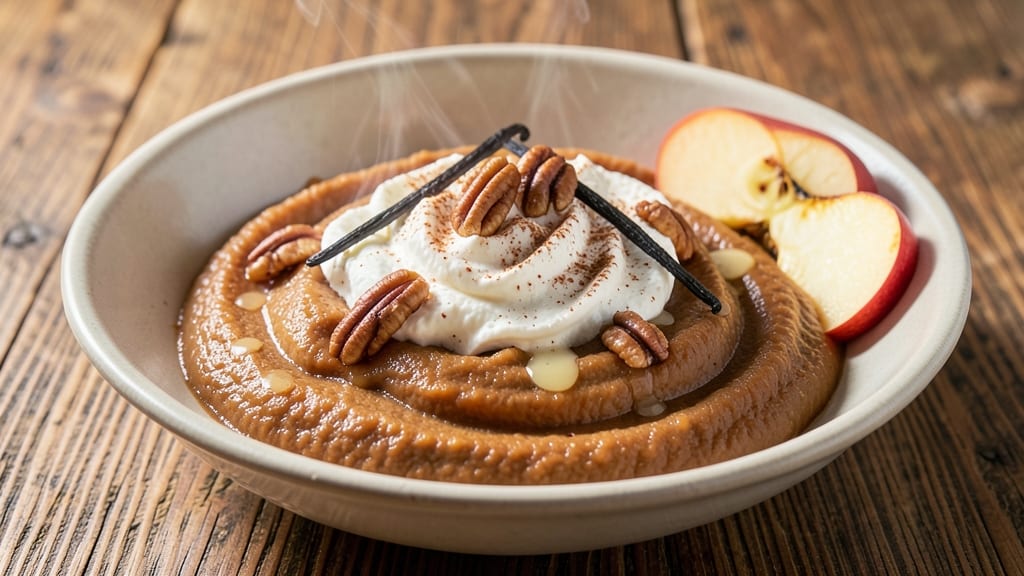
Sweet potato puree recipe combinations aren’t just for savory sides—they’re the secret weapon behind some of the most unexpected desserts you’ll ever try. 💛 I’ve spent years perfecting ways to transform its natural sweetness and velvety texture into decadent treats, from silky cheesecakes to rich ice cream bases.
The key is balancing its natural sugars with complementary flavors that elevate rather than compete.
What makes this puree so versatile is its ability to adapt to both classic and modern desserts. You can use it as a filling for pies, a swirl in cakes, or even a base for vegan-friendly mousses.
The technique is simple: roast the sweet potatoes until tender, then blend with a touch of fat (like butter or coconut oil) to achieve that signature smooth, spreadable consistency. No special equipment needed—just patience and a few key ingredients.
Imagine a spiced sweet potato cheesecake with a gingersnap crust, or a creamy ice cream topped with candied pecans. The possibilities are endless, and the best part? These desserts are foolproof—no one will guess they’re secretly packed with nutrition.
Whether you’re baking for a crowd or treating yourself to a single serving, this puree delivers restaurant-quality results with minimal effort.
Ready to transform your dessert game? Let’s explore how to use this puree in everything from no-bake bars to elegant trifles. The only limit is your imagination—and trust me, it’s a blank canvas waiting for your creativity.
Ingredients for sweet potato puree recipe combinations
Sweet, velvety, and packed with flavor—these ingredients turn humble sweet potatoes into dessert magic.
| Ingredient | Amount | Notes |
|---|---|---|
| Sweet Potatoes 🍠 | 1 ½ lb | Orange-fleshed, peeled and cubed |
| Unsalted Butter 🧈 | ½ cup | Cold, cubed for roasting |
| Granulated Sugar 🍚 | ¼ cup | Adjust to taste for sweetness |
| Cinnamon 🌿 | 1 tsp | Ground, for warmth |
| Ground Nutmeg 🌿 | ¼ tsp | Freshly grated preferred |
| Vanilla Extract 🍯 | 1 tbsp | Pure, high-quality |
| Heavy Cream 🥛 | ½ cup | Cold, for smooth texture |
| Gingersnap Crumbs 🍪 | 1 cup | For crust or swirls |
| Candied Pecans 🥜 | ½ cup | Toasted, for topping |
| Salt 🧂 | ¼ tsp | Fine sea salt |
| Maple Syrup 🍁 | 2 tbsp | For extra richness |
| Egg Yolks 🥚 | 2 whole | For cheesecake-style texture |
| Graham Cracker Crumbs 🍞 | ½ cup | For alternative crust |
| Lemon Zest 🍋 | 1 tbsp | Brightens flavors |
| Coconut Oil 🥥 | 2 tbsp | For vegan option |
Sweet potatoes are the star here. Orange-fleshed varieties like Jewel or Beauregard have the best natural sweetness. Trader Joe's and Whole Foods usually carry them pre-peeled for convenience, but roasting your own skin-on gives deeper flavor. Look for firm, smooth skins with no soft spots—those are your telltale signs of freshness. I love using organic sweet potatoes when possible, but conventional works too. The key is roasting them until fork-tender before blending. If you're short on time, microwave-steaming in a bowl with a damp paper towel works too (just poke holes first).
No butter? Coconut oil or olive oil works perfectly for a dairy-free option. Want extra spice? Swap the nutmeg for cardamom at half the amount. The vanilla extract can be imitation, but pure Madagascar bourbon vanilla makes all the difference. For the candied pecans, store-bought is fine, but homemade is worth it—toss pecans with maple syrup and a pinch of salt, then bake at 300°F for 10 minutes. The graham cracker crumbs? Crush them yourself for better texture than pre-packaged mixes. And if you're making a vegan version, skip the egg yolks and use 1 tbsp cornstarch mixed with 3 tbsp water per yolk for binding.
Roasted sweet potatoes keep in the fridge for 3 days if stored in an airtight container. The puree itself? 5 days in the fridge or 3 months frozen. For best results, let it cool completely before sealing. The candied pecans stay crisp for 1 week if stored in a sealed container. I always make extra puree—it’s perfect for swirling into coffee cakes or blending into smoothies later. Freeze in ice cube trays for single-serving portions, then transfer to a bag. Thaw overnight in the fridge before using.
Why You'll Love This Recipe
- Foolproof Roast: I swear by roasting the sweet potatoes first—it caramelizes the edges just enough to make that first bite unreal. No peeling, no fuss, just poke a fork in, roast until tender, then mash with butter while it’s still hot. That’s it. No stress, no waiting for water to boil.
- Spiced Like Home: Between us, cinnamon and nutmeg aren’t just spices—they’re the secret handshake of this puree. A pinch of each turns it from basic to ridiculously good, like a hug in dessert form. (Yes, even on a Tuesday night.) The sugar? Just enough to balance the earthiness without tasting cloying.
- Every Meal’s Sidekick: This stuff is my secret weapon for breakfast, lunch, or dinner. Swap it for mashed potatoes at Thanksgiving, dollop it on toast with a fried egg, or serve it warm with roasted chicken. It’s the chameleon of purees—always welcome, never overpowering.
- Budget Magic: Sweet potatoes are cheap, and this recipe stretches them far. A single bag feeds my family for days, and the leftovers? Freezer-friendly for weeks. Plus, butter and spices cost pennies compared to store-bought purees. It’s the kind of dish that makes you feel fancy without breaking the bank.
Step-by-step instructions for sweet potato puree dessert combinations
Transform your puree into decadent desserts with these creative twists.
🍳 Step 1: Roast the Sweet Potatoes Until Tender
Preheat your oven to 400°F. Toss the 1.5 lb cubed sweet potatoes with 2 tablespoons coconut oil (or 0.25 tablespoon melted butter if avoiding coconut), 0.25 teaspoon salt, and 1 teaspoon cinnamon. Spread them on a baking sheet in a single layer.
Roast for 25-30 minutes until the edges are deep golden brown and a fork slides in easily. The cubes should be soft enough to mash but still hold their shape slightly—this ensures a smooth puree without grittiness. Real talk: if they're still firm, roast another 5-10 minutes; overcooking turns them mushy.
👨🍳 Step 2: Create the Base Puree
Transfer the roasted sweet potatoes to a food processor or blender. Add 0.5 cup heavy cream, 0.25 cup granulated sugar, 1 tablespoon vanilla extract, 0.25 teaspoon ground nutmeg, and 1 tablespoon lemon zest. Pulse until completely smooth, scraping down the sides as needed.
For extra richness, stir in 2 tablespoons maple syrup and 0.25 tablespoon salt. Here's the thing—taste as you go. You can always add more sugar or vanilla, but you can't take it out. The puree should be creamy, fragrant, and just sweet enough to balance the nutmeg's warmth. If it's too thick, add 1-2 tablespoons warm milk to reach a pudding-like consistency.
🥘 Step 3: Build the Cheesecake-Style Layer
In a separate bowl, whisk together the 2 whole egg yolks until smooth. Slowly whisk in 0.25 cup melted butter (or 0.25 cup coconut oil for vegan option) and 0.5 cup heavy cream. Fold this mixture into the sweet potato puree until fully combined—this creates a luscious, cheesecake-like texture.
Divide the mixture evenly among 4 ramekins or small baking dishes. For a graham cracker crust, press 0.5 cup graham cracker crumbs mixed with 0.25 cup melted butter into the bottom of each dish. For gingersnap lovers, use 1 cup gingersnap crumbs mixed with 0.25 cup melted butter instead. This step is the moment that matters: the crust needs to be firmly packed to prevent crumbling during baking.
🔥 Step 4: Bake Until Set
Bake at 350°F for 25-30 minutes until the edges are set but the centers still jiggle slightly. A toothpick inserted should come out with a few moist crumbs—not wet batter. This ensures a creamy, not rubbery, finish. If the tops brown too quickly, tent loosely with foil after 15 minutes.
Remove from the oven and let cool for 10 minutes before refrigerating for at least 2 hours. This chilling time is crucial—it lets the flavors meld and the texture firm up. While cooling, toast the 0.5 cup candied pecans in a dry skillet over medium heat for 2-3 minutes until fragrant. Sprinkle them over the top just before serving for crunch and sweetness.
🍽️ Step 5: Serve with Creative Toppings
Run a knife around the edges to loosen, then invert onto plates. Drizzle with additional maple syrup or a swirl of carmelized cream (heat 0.25 cup heavy cream with 1 tablespoon sugar until thickened). Garnish with extra lemon zest, a sprinkle of cinnamon, or a dollop of whipped cream for contrast.
Each bite should deliver a perfect balance: the smooth sweet potato base, the creamy cheesecake texture, and the crunchy pecan topping. I know it seems like a lot of steps, but trust me—this dessert is worth every minute. Serve warm for a comforting treat or chilled for a sophisticated dessert.
Pro Tips For Making Sweet Potato Puree Recipe Combinations
- BOIL THEM HALF-COVERED: Sweet potatoes steam themselves when submerged—steer clear of a waterlogged, gluey mess. Use a pot big enough so they’re submerged by 1 inch, then cover with a lid loosely placed. You’re not making soup; you’re cooking roots, not boiling them into mush.
- PEEL WHEN COOL: Hot sweet potatoes are slippery devils—drop them into ice water first, then peel. I learned this the hard way when my knife kept slipping and I nearly took a finger with it. A quick ice bath also stops the cooking, so peeling is cleaner and safer.
- SALT THE WATER: Skip this, and your puree will taste bland no matter how much butter or sugar you add later. Add 1 tablespoon of salt to the boiling water—yes, even if you’re using unsalted butter afterward. The potatoes absorb it, and the flavor stays balanced.
- MASH HOT, NOT STEAMY: Let the cooked potatoes sit in the pot for 5 minutes after draining—just until they’re cool enough to handle but still piping hot. Mashing them while they’re steaming makes the puree gummy. Hot potatoes break down smoothly, and the butter blends in like a dream.
Serving suggestions for sweet potato puree recipe combinations
Sweet Potato Cheesecake
This is my go-to dessert when I want something rich but still light. After baking the puree in 4 ramekins with a gingersnap crust, I let it chill for 3 hours before serving.
The key is topping it with warm caramelized cream—just heat ½ cup heavy cream with 1 tbsp brown sugar until thickened. The contrast of warm and cool layers is pure magic. 💫
Vegan Sweet Potato Mousse
For a plant-based option, blend the puree with ½ cup coconut cream and 2 tbsp maple syrup until silky. Chill for 4 hours> to set, then layer with toasted coconut flakes and fresh mango slices.
The natural sweetness of the mango cuts through the earthiness of the sweet potato beautifully. I often make this in individual cups for easy portioning.
Spiced Sweet Potato Bars
Press the puree into a 9x13-inch baking dish> lined with a graham cracker crust, then swirl in ½ cup melted white chocolate> before baking at 325°F for 25 minutes. The chocolate melts into the puree, creating pockets of gooey sweetness.
Top with a sprinkle of cinnamon sugar while warm for extra crunch. These bars keep well for 5 days in the fridge.
Sweet Potato Ice Cream
Blend the puree with 1 cup coconut milk> and 2 tbsp vanilla extract, then churn in an ice cream maker. For extra indulgence, fold in ½ cup crushed Oreos> before freezing. The texture is creamy yet light, with a subtle spice note from the nutmeg.
I love serving it in mini waffle cones> for a fun twist on classic ice cream. Freeze for 4 hours> before scooping.
Sweet Potato Trifle
Layer the puree with vanilla pound cake cubes> and whipped cream> in a trifle dish. Add a splash of bourbon or rum> (just 1 tbsp>) for depth, then chill for 2 hours>.
Top with toasted pecans> and a dusting of cocoa powder. The layers create a perfect balance of textures—creamy, crumbly, and crunchy. This is my crowd-pleaser for holiday gatherings.
Sweet Potato Panna Cotta
Heat the puree with 1 cup heavy cream> and 1 tbsp gelatin> until dissolved, then pour into 4 ramekins>. Chill until set (4 hours>), then drizzle with raspberry coulis> (blend 1 cup raspberries> with 1 tbsp sugar>).
The silky texture and bright berry flavor make this feel like a gourmet dessert. Serve with a sprinkle of edible gold leaf> for an elegant touch.
Nutrition facts
Frequently asked questions
Can I use regular potatoes instead of sweet potatoes for this puree?
While you can use regular potatoes, the flavor and texture will be completely different. Sweet potatoes bring natural sweetness and a velvety, almost custard-like consistency that regular potatoes lack. For a similar texture, try blending roasted yams, but they’ll be less sweet and more starchy. If you’re set on a potato puree, russets or Yukon Golds work best—but they’ll taste more like a classic mashed potato than a dessert base.
How do I adjust the sweetness for different dietary needs?
For less sugar, reduce the granulated sugar by 1-2 tablespoons and boost natural sweetness with extra vanilla extract (½ tbsp) or maple syrup (1 extra tbsp). For diabetic-friendly versions, swap sugar for monk fruit sweetener or erythritol (use half the amount). The puree’s natural sugars are already balanced by spices like cinnamon and nutmeg—so don’t overdo it! Taste as you go, and remember: you can always add more sweetness later.
Can I make this puree ahead of time for meal prep?
The puree keeps in the fridge for 5 days in an airtight container, or freeze it for 3 months for long-term storage. For best results, cool it completely before sealing. When reheating, warm gently in the microwave (stirring every 30 seconds) or on the stovetop over low heat. If it thickens after freezing, thin with a splash of warm milk or cream. Pro tip: Freeze in ice cube trays for single-serving portions—perfect for swirling into coffee cakes or blending into smoothies later.
What’s the best way to fix a puree that’s too thick or too thin?
Too thick? Add 1-2 tablespoons warm milk or cream at a time, blending until smooth. Too thin? Simmer the puree in a saucepan over low heat for 5-10 minutes, stirring often, until it thickens. For a quick fix, mix 1 teaspoon cornstarch with 1 tablespoon cold water, stir into the puree, and heat until thickened. The goal is a spreadable, pudding-like consistency—like hummus but sweeter! Always taste as you adjust.
Are there gluten-free crust alternatives for the cheesecake-style desserts?
Yes! Swap graham crackers for almond flour (mix 1 cup with ¼ cup melted butter and press into the pan) or crushed gluten-free cookies (like gluten-free shortbread or rice cakes). For a nut-free option, use crushed cornflakes or gluten-free oatmeal mixed with butter. The key is pressing the crust firmly to prevent crumbling. These alternatives add a delightful crunch without the gluten—perfect for dietary restrictions!