
Desserts
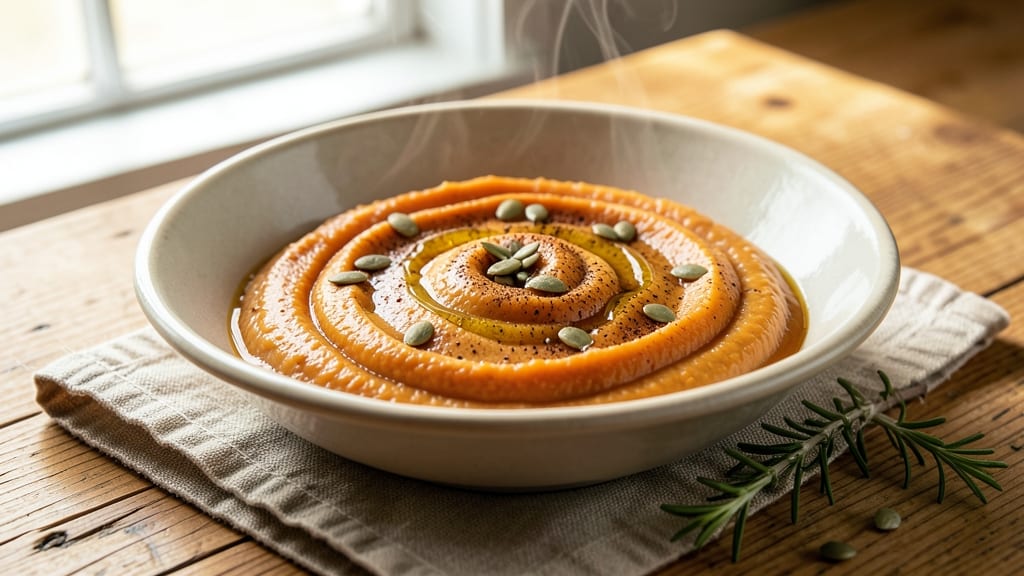
Sweet potato puree recipe ideas aren’t just a side—they’re a versatile canvas for both sweet and savory dishes that elevates everything it touches. 💛 I developed these recipes after realizing how underrated this ingredient is, especially when transformed into a smooth, velvety base.
Whether you’re whipping up a luscious vegan cake, a creamy soup, or a spiced mashed side, the possibilities are endless.
The beauty of sweet potato puree lies in its adaptability. You can keep it simple with a pinch of salt and butter, or get creative with spices like cinnamon and nutmeg for desserts, or smoked paprika and garlic for savory applications.
The key is roasting the potatoes first—this step deepens their natural sweetness and ensures a silky texture that’s impossible to achieve otherwise.
What makes this puree truly special is how it transforms ordinary meals into something extraordinary. A drizzle of maple syrup turns it into a dessert topping, while a splash of coconut milk creates a tropical-inspired soup.
The possibilities are limited only by your imagination, and the best part? It’s foolproof—no fancy techniques required.
From vegan brownies to creamy bisques, these recipes prove that sweet potato puree deserves a place in every kitchen. Let’s get started with ideas that will inspire you to use this ingredient in ways you never thought possible.
Ingredients for sweet potato puree recipe ideas
Roasted sweet potatoes transform into this velvety base—versatile for desserts, soups, and everything in between.
| Ingredient | Amount | Notes |
|---|---|---|
| Sweet Potatoes 🍠 | 2 lbs | Organic, vibrant orange preferred |
| Extra-Virgin Olive Oil 🫒 | ¼ cup | High-quality, fruity variety |
| Water 💧 | ½ cup | For roasting and blending |
| Salt 🧂 | 1 tsp | Diamond Crystal kosher salt |
| Ground Cinnamon 🌿 | 1 tsp | For sweet applications |
| Smoked Paprika 🌶️ | ½ tsp | For savory applications |
| Fresh Garlic Cloves 🧄 | 2 cloves | Minced for savory variations |
| Pure Maple Syrup 🍯 | 2 tbsp | Grade A for sweetness |
| Unsweetened Almond Milk 🥛 | ½ cup | For creaminess in soups |
| Coconut Oil 🥥 | 1 tbsp | For vegan butter substitute |
| Nutritional Yeast 🧀 | 2 tbsp | For cheesy flavor in savory |
| Fresh Orange Juice 🍊 | ¼ cup | For citrus brightness |
| Ground Nutmeg 🌿 | ¼ tsp | Freshly grated preferred |
| Lemon Zest 🍋 | 1 tbsp | Brightens both sweet/savory |
The sweet potatoes are the star—organic, vibrant orange ones from Whole Foods or your local farmers' market pack the most flavor. Skip the pre-cut bags; whole potatoes roast more evenly. For extra-smooth puree, pierce them first with a fork. The key is roasting until tender—about 45 minutes at 400°F—so they mash effortlessly. If you're short on time, microwave them first (10 minutes) to speed up the process. For sweet applications, cinnamon and nutmeg are non-negotiable; for savory, smoked paprika and garlic add depth without overpowering.
No fresh garlic? Garlic powder at half the amount works in a pinch, but fresh is worth it. Running low on maple syrup? Agave nectar is a 1:1 swap, though it lacks that same caramel note. The almond milk can be swapped for coconut milk (richer) or oat milk (lighter), but stick to unsweetened versions. For the coconut oil, avocado oil is a neutral alternative, though it lacks the same subtle coconut aroma. Nutritional yeast can be omitted if you're avoiding that cheesy note, but it's a game-changer for savory dishes like vegan mac and cheese or bisques. The lemon zest is optional but adds a bright pop—zest only the outer layer for maximum flavor.
This puree keeps beautifully—5 days in the fridge or 3 months frozen. For freezing, portion into ice cube trays first, then transfer to a bag. Thaw overnight in the fridge before using. The roasted potatoes can be prepped ahead and stored in the fridge for 3 days before pureeing. If you make a big batch, divide it into containers: one for sweet applications (add cinnamon, maple syrup), one for savory (smoked paprika, garlic, nutritional yeast). The possibilities are endless—drizzle over vegan brownies, swirl into coffee, or blend into creamy soups—so make extra while you're at it.
Why You'll Love This Recipe
- No Peel Required: I swear by this shortcut—just scrub those sweet potatoes, toss them whole into boiling water, and let the skin slip right off when they’re done. No peeling mess, no wasted time.
- Warm Spice Magic: That pinch of cinnamon? It’s the secret weapon—earthy, cozy, and just sweet enough to make you crave more. The olive oil ties it all together like a hug in a bowl.
- Weeknight Meal Base: Spread it on toast, stir it into oatmeal, or use it as a soup thickener. Honestly, I keep a jar in the fridge for lazy days when I need flavor fast.
- Budget-Friendly Staple: Sweet potatoes are cheap, and this recipe stretches for days. Freeze leftovers for smoothies or mashed potatoes later—no waste, all win.
Step-by-step instructions for sweet potato puree variations
Transform humble sweet potatoes into velvety bases—sweet or savory—with these versatile techniques.
🔥 Step 1: Roast Sweet Potatoes for Perfect Texture
Preheat your oven to 400°F and line a baking sheet with parchment paper. Pierce the 2 lbs sweet potatoes with a fork in 4-5 places per potato to release steam. Place them on the sheet and drizzle with 0.25 cup extra-virgin olive oil, tossing gently to coat evenly. Roast for 45-50 minutes until a knife slides in easily and the edges are slightly caramelized.
Here's the thing—roasting develops deeper sweetness than boiling. I press down gently on the potatoes during the first 20 minutes to prevent them from curling and ensure even contact with the hot pan. When they're done, they should feel tender but still hold their shape when pierced. Let them cool for 10 minutes before peeling—the skin will slip off easily after roasting.
🍳 Step 2: Blend into Silky Puree with Flavor Variations
For the sweet version, transfer the peeled sweet potatoes to a high-speed blender. Add 0.5 cup water, 1 tsp salt, 1 tsp ground cinnamon, 2 tbsp pure maple syrup, 0.25 cup fresh orange juice, and 1 tbsp lemon zest. Blend until completely smooth, scraping down the sides as needed. The puree should be thick but pourable—like a rich, spiced custard.
For the savory version, use 1 tbsp coconut oil instead of water, plus 2 cloves minced fresh garlic cloves, 0.5 tsp smoked paprika, 2 tbsp nutritional yeast, and 0.25 tsp ground nutmeg. This combination adds umami depth perfect for soups or mashed potato alternatives. Real talk: the savory version tastes like a cross between mashed potatoes and cheesy polenta—trust me.
🥘 Step 3: Adjust Consistency and Finish with Creaminess
Taste your puree and adjust seasoning—sweet versions often need more cinnamon or maple syrup, while savory blends might crave extra smoked paprika or nutritional yeast. For a luxurious texture, stir in 0.5 cup unsweetened almond milk one tablespoon at a time until you reach your desired consistency. I like mine thick enough to pipe for garnishes but still spreadable like hummus.
Here's where it gets fun—sweet puree can be thinned slightly with more orange juice for glazes, while savory versions work beautifully as a base for vegan mac and cheese when mixed with additional nutritional yeast. Don't skip the final taste test; subtle adjustments make all the difference between good and restaurant-quality.
Pro Tips For Making Sweet Potato Puree Recipe Ideas
- PEEL AFTER COOKING: Sweet potatoes are stubborn—peeling them raw wastes good flesh. Roast or boil them whole first, then slip the skins off under cool water while they’re still warm. You’ll save time and end up with smoother puree.
- BOIL NOT BAKE: For the creamiest texture, skip the oven. Boil peeled sweet potatoes in salted water until a knife slides in like butter—about 15-20 minutes. Overbaking dries them out, and you’ll be chasing moisture later.
- SALT THE WATER: Don’t skip the salt in the boiling water. It seasons the potatoes from the start and cuts through their natural sweetness. I used to forget, and the puree always tasted flat—like dessert without the sugar.
- STRAIN THE WATER: After draining, give the potatoes a quick rinse under cold water. This removes excess starch that thickens the puree into glue. Trust me, your masher will thank you—no one wants to fight clumps.
Pro cooking tips for this dish
Roast for Depth
Roasting sweet potatoes at 400°F for 45-50 minutes unlocks their natural sweetness and creates a silky texture—far superior to boiling. I press down on them during the first 20 minutes to prevent curling and ensure even browning.
The key is letting them cool 10 minutes before peeling; the skin slips off effortlessly after roasting. 🔥
Blend Smart
Use a high-speed blender for ultra-smooth results, but don't overfill it—add ingredients in batches if needed. For sweet versions, I blend with 0.5 cup water and 2 tbsp maple syrup to balance the natural sweetness.
For savory blends, replace water with 1 tbsp coconut oil and add 2 tbsp nutritional yeast for that cheesy depth. Scrape down the sides halfway through blending to ensure even consistency.
Flavor Layering
Sweet puree shines with 1 tsp cinnamon and 0.25 tsp nutmeg, but don't stop there—add 1 tbsp lemon zest for brightness or 0.25 cup orange juice for tropical notes.
For savory applications, 0.5 tsp smoked paprika and 2 cloves minced garlic create a smoky, umami base perfect for soups or mashed sides. The secret is balancing spices gradually; start with half the amount and adjust to taste.
Texture Control
Adjust consistency with almond milk or water—add 1 tbsp at a time while blending for a lighter texture, or leave it thick for dips and glazes. I like mine spreadable like hummus but still pourable.
For extra creaminess in savory versions, stir in 1 tbsp coconut oil after blending. The goal is a velvety finish that works in both sweet and savory dishes without altering the flavor profile.
Storage Secrets
Store sweet puree in airtight containers for 5 days in the fridge or 3 months in the freezer. For freezing, portion into ice cube trays first—this makes thawing easier and lets you use just what you need.
Label containers with the flavor profile (sweet/savory) and date. When reheating, warm gently on the stovetop with 1 tbsp water to prevent drying out. The texture remains silky when stored properly!
Flavor Boosters
Elevate your puree with unexpected add-ins: ½ tsp vanilla extract for desserts, 1 tsp apple cider vinegar for tangy balance in savory versions, or 1 tbsp tahini for nutty richness.
I also love adding ½ cup pumpkin puree to sweet versions for extra depth. These small tweaks transform your base into something truly special—no fancy ingredients required!
Nutrition facts
Frequently asked questions
Can I use sweet potato puree in vegan desserts?
This puree is perfect for vegan cakes, brownies, and muffins. Replace butter or oil with 1 tbsp coconut oil per 1 cup of puree, and add 1 tsp cinnamon and 0.25 tsp nutmeg for that classic sweet potato flavor. It also works as a frosting base—just whip with 1 tbsp maple syrup and 1 tsp vanilla extract.
How do I make sweet potato puree extra creamy?
For ultra-smooth results, blend with 0.5 cup unsweetened almond milk or coconut milk until silky. For savory versions, stir in 1 tbsp coconut oil after blending. If your puree is too thick, thin with 1 tbsp water at a time. The key is patience—let it cool slightly before blending for the best texture.
Can I freeze sweet potato puree?
Yes! Portion into ice cube trays, freeze, then transfer to a bag. It keeps for 3 months in the freezer. For best results, thaw overnight in the fridge. Avoid refreezing thawed puree, as it can become grainy. Label containers with the flavor profile (sweet/savory) to avoid mix-ups.
What’s the best way to store leftover puree?
Keep it in an airtight container in the fridge for 5 days. For longer storage, freeze as mentioned above. To reheat, warm gently on the stovetop with 1 tbsp water to prevent drying out. Stir occasionally for even heating—this preserves the velvety texture.
Can I use sweet potato puree in savory dishes?
Definitely! It’s fantastic in soups, mashed sides, or even as a vegan cheese sauce base. For savory applications, blend with 1 tbsp coconut oil, 2 cloves garlic, 0.5 tsp smoked paprika, and 2 tbsp nutritional yeast. This combo adds depth to creamy soups or as a substitute for mashed potatoes.