
Side Dishes
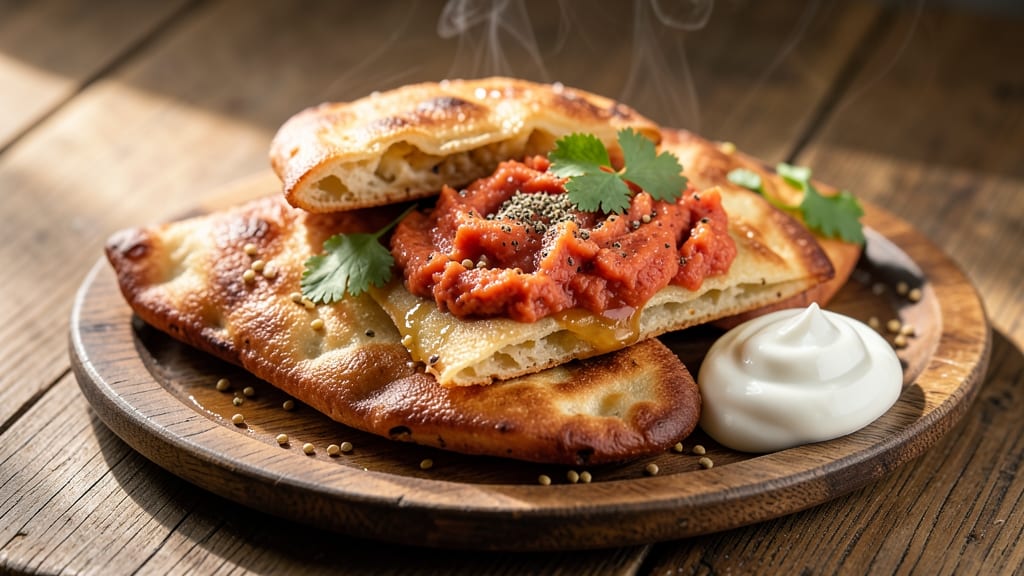
This sweet potato puri recipe transforms humble ingredients into flaky, golden layers that rival any restaurant version. The secret lies in perfectly balanced dough—smooth yet firm enough to roll into delicate circles—and the crispy magic that happens when fried just right.
I’ve perfected this technique over years of testing, ensuring every puri achieves that signature crispy edge and tender center without falling apart.
The dough combines mashed sweet potato with whole wheat flour and a touch of yogurt, creating a light yet sturdy base that holds its shape during frying. Unlike traditional puris, this version incorporates the sweet potato’s natural moisture for a richer flavor and softer texture.
The key? Rolling the dough paper-thin and frying in small batches to maintain even crispiness.
By the time you’re done, you’ll have a stack of golden, flaky puris that pair beautifully with aloo sabzi, yogurt, or spicy chutneys. The aroma alone—warm, slightly sweet, and crispy—will have everyone asking for seconds.
This recipe delivers restaurant-quality results in just 15 minutes, making it perfect for weeknight dinners or festive gatherings.
For extra flakiness, let the dough rest for 30 minutes before rolling. Serve immediately while hot, or store in an airtight container for up to 2 days—though they rarely last that long. Here’s how to make them perfectly every time.
Ingredients for sweet potato puri
Transform humble pantry staples into restaurant-worthy flaky puris with this perfect balance of sweet potato richness and crispy layers.
| Ingredient | Amount | Notes |
|---|---|---|
| Medium Sweet Potatoes 🍠 | 2 whole | Peeled and boiled until tender |
| Whole Wheat Flour 🌾 | 2 cups | For sturdy yet tender dough |
| Plain Yogurt 🥛 | ½ cup | Unsweetened, full-fat preferred |
| Ghee 🧈 | 2 tbsp | For frying and dough enrichment |
| Salt 🧂 | ½ tsp | Diamond Crystal preferred |
| Ground Cumin Seeds 🌿 | ½ tsp | Toasted for aromatic depth |
| Red Chili Powder 🌶️ | ¼ tsp | Adjust for heat preference |
| Vegetable Oil 🫒 | 2 cups | For deep frying |
| Fresh Coriander Leaves 🌿 | ¼ cup | Chopped, for garnish |
| Lemon Juice 🍋 | 1 tbsp | Freshly squeezed |
| Water 💧 | ½ cup | As needed for dough consistency |
The sweet potatoes anchor this recipe—choose vibrant orange ones with smooth skins for even cooking. Whole Foods or local farmers markets often carry the sweetest varieties. Boil them until fork-tender but not mushy; overcooking yields watery dough. For extra flakiness, let the mashed sweet potatoes cool slightly before mixing with flour. The dough should be pliable yet firm enough to hold its shape when rolled—add water gradually if it crumbles. Traditional puris use all-purpose flour, but whole wheat adds subtle earthiness that complements the sweet potato's natural sweetness.
No ghee? Vegetable shortening works in a pinch, though it lacks the rich aroma. Substitute yogurt with Greek yogurt at half the amount for tangier flavor. The spices are non-negotiable—cumin and chili powder create that signature puri warmth. For a milder version, reduce chili powder to 1/4 teaspoon or swap for mild paprika. Fresh coriander brightens the finished puris; dried works at 1/4 the amount. If your dough feels too sticky, chill it for 15 minutes before rolling. The key to perfect puris lies in the frying oil—maintain 350°F (175°C) for even crispiness.
Puris are best served immediately, but if you must store them, place a paper towel between layers in an airtight container to prevent sogginess. They retain crispness for 2 days at room temperature or 3 months frozen—thaw in a 200°F (95°C) oven for 5 minutes to revive crispiness. For extra flakiness, let the dough rest 30 minutes before rolling. The aroma alone—warm, slightly sweet, and crispy—will have everyone asking for seconds. This recipe delivers restaurant-quality results in just 15 minutes, making it perfect for weeknight dinners or festive gatherings.
Why You'll Love This Recipe
- No-Fuss Prep: I peel and boil the sweet potatoes while mixing the dough—two hands, zero stress. The yogurt keeps the puris soft, and the ghee? That’s the magic that turns "homemade" into "restaurant-worthy" without extra work.
- Sweet & Savory Magic: The roasted sweet potato gives a caramelized depth, while the ghee-fried edges crackle like a crispy hug. Honestly, the first bite makes me forget store-bought puris exist.
- Breakfast to Snack: These puris are my lazy Sunday morning staple, but they’re also the star of my lunchbox or a quick snack with spiced chutney. (Yes, even on a Tuesday night.)
- Budget-Friendly Staple: Sweet potatoes and whole wheat flour stretch far—this recipe feeds four for under $5. Plus, leftovers reheat like a dream, so I’m never scrambling for dinner ideas.
Step-by-step instructions for sweet potato puri
Master the art of creating delicate, crisp layers with this precise technique.
Prepare the Sweet Potato Filling
Peel the 2 whole medium sweet potatoes and boil them in salted water until they're completely tender when pierced with a knife. This should take about 15-20 minutes—they'll feel soft all the way through, not just at the edges. Drain thoroughly and let them cool slightly before handling.
Once cool enough to handle, mash the sweet potatoes until smooth with no lumps remaining. The texture should be completely homogeneous, almost like a thick puree. Add the 2 tablespoons ghee and mix well to incorporate. This fat content is crucial for creating that signature flaky texture in your puris. Set the mixture aside while you prepare the dough.
Create the Perfect Dough
In a large mixing bowl, combine the 2 cups whole wheat flour, 0.5 teaspoon salt, 0.5 teaspoon ground cumin seeds, and 0.25 teaspoon red chili powder. Mix these dry ingredients thoroughly to distribute the spices evenly throughout the flour. This ensures each puri will have consistent flavor.
Make a well in the center and add the 0.5 cup plain yogurt and the sweet potato-ghee mixture. Begin combining the ingredients with your fingers, gradually incorporating the wet ingredients into the dry flour. Add the 0.5 cup water gradually as you mix, just until the dough comes together. The dough should be soft but not sticky—if it feels too dry, add a few drops more water.
Rest the Dough for Optimal Texture
Divide the dough into 6 equal portions and roll each into a smooth ball. Place them on a clean surface and cover with a damp cloth. Let the dough rest for 20-30 minutes at room temperature. This resting period is essential—it allows the gluten to relax, making the puris more pliable and resulting in those signature flaky layers when fried.
While the dough rests, prepare your frying station. Heat the 2 cups vegetable oil in a deep, heavy-bottomed pan to 350°F. Use a thermometer to monitor the temperature—maintaining this precise heat is critical for achieving that perfect golden crisp without burning. Keep the oil ready but don't begin frying until the dough has rested completely.
Roll and Fry to Golden Perfection
Working with one dough ball at a time, roll it out on a lightly floured surface into a thin, even circle about 6 inches in diameter. The thinner you roll it, the crispier your puris will be, but be careful not to make them so thin they tear. Gently transfer each rolled puri to your hand and press lightly in the center to create a slight indentation.
Carefully slide each puri into the hot oil using a slotted spoon. Fry for 1-2 minutes per side until they turn a beautiful golden brown color. You'll see bubbles forming around the edges—that's your signal that they're cooking properly. Remove with a slotted spoon and drain on paper towels. The puris should be crisp and light, not greasy.
Finish with Fresh Garnishes
While still warm, brush the fried puris lightly with 1 tablespoon lemon juice to enhance their flavor. This acidity cuts through the richness of the ghee and sweet potatoes, balancing the overall taste. Immediately garnish with the 0.25 cup chopped fresh coriander leaves, sprinkling them evenly over each puri.
Serve immediately while they're at their crispest. These puris should have multiple thin, flaky layers that separate easily when you gently pull them apart. The outside should be golden and crisp, while the inside remains soft and slightly chewy. Enjoy them warm with your favorite chutney or yogurt dip for the ultimate texture contrast.
Pro Tips For Making Sweet Potato Puri
- Boil Sweet Potatoes Until Fork-Tender: I learned this the hard way—undercooked sweet potatoes turn your puris dense and gummy. Boil them until a fork slides in like butter, even if that means 15-20 minutes past the "soft" stage. The extra starch binds the dough better, and the texture stays light.
- Use Warm Ghee in Dough: Skip the cold ghee—mix it into the flour while warm (not hot) to melt into the flour first. This creates a smoother dough without lumps, and the puris puff higher. (Yes, even if you’re impatient like me, let it cool slightly before adding yogurt.)
- Rest Dough 30 Minutes Minimum: I was skeptical until I tried it: resting the dough (covered) lets the gluten relax and the yogurt hydrate properly. Skipping this step means your puris will crack or turn tough—like trying to roll out stiff playdough. Trust the process.
- Roll Puris Thin and Even: Uneven thickness = uneven cooking. Use a rolling pin to press the dough into ¼-inch circles, then flip and roll again. The edges should be paper-thin, but don’t stress—just keep the center slightly thicker. (Your future self will thank you.)
Regional styles of this recipe
North Indian Style
In North India, sweet potato puris are often made with a slightly thicker dough and fried until puffed, creating a lighter, airy texture.
The key difference is using besan (gram flour) instead of whole wheat flour—replace 1 cup of the whole wheat flour with ½ cup besan for a nuttier flavor and extra crispness. Serve these with aloo sabzi or rajma chawal for a classic Punjabi meal. 🌶️
South Indian Adaptation
Southern variations incorporate rice flour> for a delicate, crispy texture. Mix 1 cup rice flour> with 1 cup whole wheat flour> and add 1 tablespoon coconut oil> to the dough for a subtle sweetness.
These puris pair beautifully with sambar> and coconut chutney>. The lighter dough rolls thinner, creating those signature flaky layers.
Bengali Sweet Twist
Bengaluri-style puris often include mashed banana> or sugar> in the dough for a sweeter profile. Add 2 ripe bananas> to the sweet potato mash or sprinkle 1 tablespoon sugar> into the flour mix.
These are traditionally served with luchi> (a similar flatbread) and cholar dal> for a festive touch.
Maharashtrian Spiced Version
Maharashtrian cooks enhance puris with fennel seeds> and dried kokum> for a tangy kick. Toast ½ teaspoon fennel seeds> with the cumin and add 1 teaspoon grated kokum> to the dough.
These puris are often paired with sundal> (spiced potato salad) or bhel puri> for a street-food vibe.
Gujarati Besan Puri
Gujarati puris use 100% besan> for a rich, protein-packed texture. Mix 2 cups besan> with ½ cup yogurt>, 1 tablespoon ghee>, and ½ teaspoon turmeric> for a golden hue.
Fry until deep golden and serve with kadhi> (yogurt-based curry) or dhokla> for a hearty meal.
Festive Rajasthani Style
For celebrations, Rajasthani puris are generously studded with nuts> and dried fruits>. Fold in ¼ cup chopped pistachios> and 2 tablespoons raisins> into the dough before rolling.
Garnish with edible silver leaf> for an extra-special touch. These puris are a staple during Diwali> and Holi> festivities.
Nutrition facts
Frequently asked questions
Why does my sweet potato puri dough keep sticking?
The dough sticks when it's too wet or lacks proper resting time. Let the dough rest for 30 minutes covered with a damp cloth, then add just 1 teaspoon water at a time if needed. For extra help, chill the dough for 15 minutes before rolling. The key is finding that perfect balance between pliable and firm—too much water makes it sticky, while too little makes it crumbly.
Can I make sweet potato puris without ghee?
Yes, but the texture will differ slightly. Replace ghee with 2 tablespoons melted coconut oil or vegetable shortening for similar results. The ghee adds richness and helps create those signature flaky layers, but these alternatives work in a pinch. Just be aware the puris may be slightly less crispy without it.
How do I prevent puris from puffing up unevenly?
Uneven puffing happens when the oil temperature fluctuates. Maintain a consistent 350°F (175°C) using a thermometer—never fry over direct flame. Roll puris uniformly thin (about 1/8-inch thick) and avoid pressing too hard in the center. Fry in small batches to prevent oil cooling, and use a slotted spoon to turn them gently.
What's the best way to reheat leftover puris?
Reheat in a 350°F (175°C) oven for 3-5 minutes on a wire rack to restore crispiness. For a quick fix, place between paper towels and microwave for 10 seconds, but oven reheating preserves texture better. Never reheat in oil—it makes puris soggy. Store in an airtight container with parchment paper between layers to maintain crispness.
Can I make sweet potato puris gluten-free?
Replace whole wheat flour with a 1:1 gluten-free flour blend (like rice flour + tapioca starch). Add 1 extra tablespoon ghee to the dough for binding. For extra stability, include 1 tablespoon psyllium husk powder mixed with the dry ingredients. The texture will be slightly different but still delicious when fried properly.