
Side Dishes
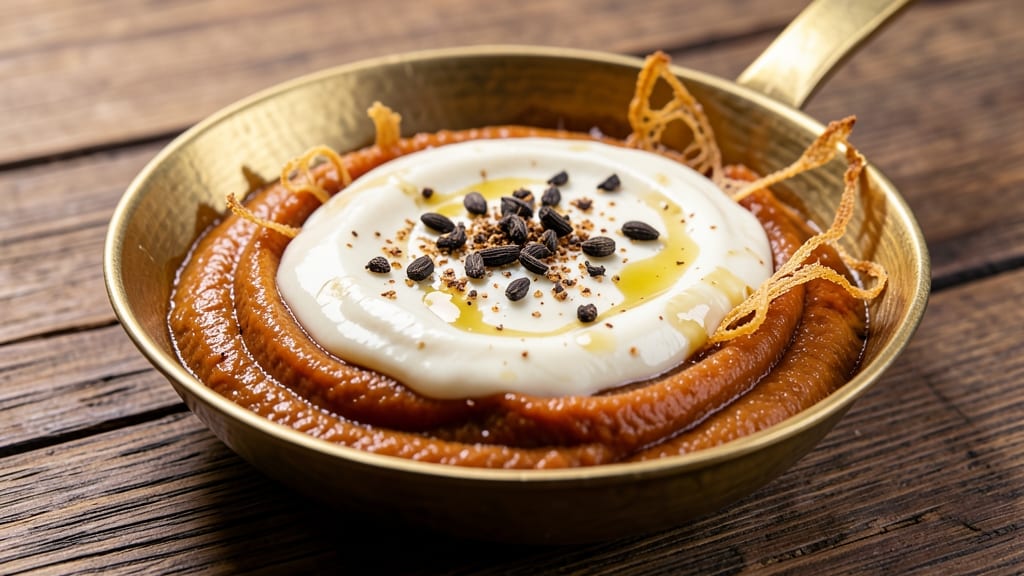
This sweet potato rabdi recipe transforms humble sweet potatoes into a luxurious Indian dessert with a velvety yogurt sauce infused with warm cardamom. The secret lies in perfectly boiling the sweet potatoes until they melt into a smooth, golden puree—no lumps, just silky perfection.
What makes this recipe special is how the earthy sweetness of the potatoes harmonizes with the creamy rabdi, creating a dessert that's both comforting and elegant.
The process begins with boiling sweet potatoes until tender, then blending them into a smooth puree before gently cooking them with milk and sugar. The rabdi—reduced, spiced milk—is the star, its rich texture and aromatic cardamom making every spoonful irresistible.
This dessert is traditionally served chilled, allowing the flavors to meld beautifully over time.
What you'll achieve is a dessert that's creamy yet light, sweet yet subtly spiced, with a velvety texture that melts in your mouth. The cardamom adds a fragrant warmth that elevates the sweetness, making it perfect for special occasions or as a comforting treat.
The best part? It's easier than it looks, with each step building on the last to create something truly special.
Serve this sweet potato rabdi chilled in glasses, garnished with a sprinkle of cardamom or pistachios for added texture and visual appeal. It pairs beautifully with semolina ladoos or warm rotis, making it a complete dessert experience. Let's get started on creating this timeless classic.
Ingredients for sweet potato rabdi
Transform humble sweet potatoes into velvety cardamom-infused rabdi using these 13 ingredients.
| Ingredient | Amount | Notes |
|---|---|---|
| Sweet Potatoes 🍠 | 2 lbs | Medium-sized, peeled and cubed |
| Whole Milk 🥛 | 4 cups | Full-fat for creaminess |
| Plain Yogurt 🍶 | 2 cups | Unflavored, thick variety |
| Granulated Sugar 🍚 | 1 cup | Adjust to taste |
| Cardamom Pods 🌿 | 8 whole | Lightly crushed, for aroma |
| Ghee 🧈 | 2 tbsp | For cooking rabdi base |
| Saffron Strands 🌼 | ⅛ tsp | Optional, for color |
| Rose Water 🌹 | 1 tsp | Pure, food-grade |
| Pistachios 🌰 | ¼ cup | Chopped, for garnish |
| Salt 🧂 | ½ tsp | Fine sea salt |
| Water 💧 | 1 cup | For blending puree |
| Semolina 🌾 | ½ cup | For ladoo pairing |
| Ghee 🧈 | 1 tbsp | For ladoo preparation |
The sweet potatoes are the heart of this dessert—choose orange-fleshed varieties like Jewel or Beauregard for natural sweetness. Indian grocery stores often carry them pre-peeled, saving time. For the rabdi, full-fat milk and yogurt create that signature rich texture; low-fat versions won't give the same luxurious result. Cardamom is non-negotiable here—look for green pods at Indian markets for the freshest flavor. The ghee adds depth, so don't substitute with butter—it burns easily. If you can't find saffron, skip it or use a pinch of turmeric for color, though it won't have the same aroma.
No cardamom pods? Ground cardamom at half the amount works in a pinch, but the whole pods infuse better. Running low on ghee? Butter or coconut oil can substitute, though the flavor will differ slightly. For a lighter version, reduce the sugar by 2 tbsp and balance with extra rose water. The pistachios can be swapped for almonds or cashews if preferred. When making the ladoo pairing, toasted semolina gives better texture than raw. For a dairy-free version, use coconut yogurt and milk, though the flavor will be subtly different.
Store the rabdi in airtight containers for up to 3 days in the fridge—it actually tastes better after flavors meld overnight. The ladoos keep for 1 week at room temperature in an airtight tin. For serving, chill the rabdi for at least 2 hours before garnishing with pistachios. The puree can be made ahead and refrigerated for 2 days before cooking with milk. When reheating, warm gently on low heat to preserve the silky texture—never microwave it directly.
Why You'll Love This Recipe
- I swear by this method: boil the sweet potatoes whole, then peel and mash them—no sticky mess. The key? Poke holes in the potatoes first so they soften evenly. Honestly, I’ve burned three batches of rabdi trying to mash raw chunks, but this way? Smooth every time.
- No Boil-Over Chaos: I swear by this method: boil the sweet potatoes whole, then peel and mash them—no sticky mess. The key? Poke holes in the potatoes first so they soften evenly. Honestly, I’ve burned three batches of rabdi trying to mash raw chunks, but this way? Smooth every time.
- Velvet-Smooth Magic: That first sip of cardamom-infused milk swirled into yogurt? Pure satisfaction. The sweet potatoes add a natural caramel depth, while the whole milk keeps it lusciously thick—not too thin, not too cloying. Between us, my husband’s first taste had him reaching for seconds before I even finished pouring.
- Weeknight to Party Fix: Make it for lazy Sundays or impress guests—same effort, different vibes. For weeknights, I serve it chilled with a sprinkle of sugar. For gatherings, I garnish with crushed pistachios and a drizzle of rose syrup. (Yes, even on a Tuesday night, it feels special.)
Step-by-step instructions for sweet potato rabdi
Transform simple ingredients into a silky, aromatic sweet potato rabdi that balances earthy sweetness with floral cardamom notes.
Cook and Blend the Sweet Potato Puree
In a medium saucepan, combine the 2 lbs sweet potatoes with the 1 cup water. Bring to a boil over medium-high heat, then reduce to medium heat and simmer uncovered for 15-20 minutes until the sweet potatoes are fork-tender and easily pierced with a knife. Drain any excess water and transfer the cooked sweet potatoes to a blender.
Blend until completely smooth, adding 1-2 tablespoons of the cooking water if needed to help the blending process. Set the puree aside—it should be vibrant orange and completely free of lumps. The puree forms the velvety base of your rabdi, so smoothness is key for that luxurious texture.
Prepare the Rabdi Base with Ghee and Milk
In a heavy-bottomed saucepan, heat the 2 tbsp ghee over medium-low heat until it melts and begins to shimmer. Add the 8 lightly crushed cardamom pods and sauté for 1 minute until the aroma fills your kitchen—this releases their essential oils. Pour in the 4 cups whole milk and bring the mixture to a gentle simmer.
Simmer uncovered for 8-10 minutes until the milk reduces slightly and coats the back of a spoon. The mixture should smell rich and nutty from the ghee and cardamom. Remove from heat and let it cool slightly—this step builds the flavor foundation before combining with the sweet potato puree.
Combine and Sweeten the Rabdi
With the milk mixture still warm, gradually whisk in the sweet potato puree until fully incorporated. Return the pan to low heat and stir in the 1 cup granulated sugar and 0.5 tsp salt, whisking constantly until the sugar dissolves completely. The rabdi should begin to thicken slightly as it heats.
Add the 2 cups plain yogurt and 1 tsp rose water, stirring gently to combine. For the saffron color, dissolve the 0.125 tsp saffron strands in 1 tablespoon warm water, then stir this into the rabdi. Simmer for an additional 3-5 minutes until the mixture reaches a creamy, pudding-like consistency—it should coat the back of a spoon but still be pourable.
Garnish and Serve Warm
Remove the rabdi from heat and let it cool slightly for 5 minutes. Skim off any excess fat that may have risen to the top. For serving, transfer to a bowl and garnish with the 0.25 cup chopped pistachios, sprinkling them evenly over the surface. The pistachios add a delightful crunch that contrasts beautifully with the silky rabdi.
Serve immediately while warm, accompanied by semolina ladoos made with the 0.5 cup semolina and 1 tbsp ghee (cooked until golden and rolled into balls). The warm rabdi pairs perfectly with the slightly crispy ladoos, creating a harmonious balance of textures and flavors in every bite.
Pro Tips For Making Sweet Potato Rabdi
- STEAM NOT BOIL: Boiling sweet potatoes turns them mushy—steam them whole in their skins first. Pierce them with a fork, microwave for 8-10 minutes (or steam 20-25 mins) until tender, then peel and mash. The texture stays smooth and velvety, not gluey.
- USE STRAINED YOGURT: Thick, unstrained yogurt makes rabdi split like a bad joke. Drain yours in a cheesecloth for 20 minutes before mixing—this removes excess liquid and guarantees a silky, stable curd. (Yes, it’s a pain, but your rabdi won’t curdle on you.)
- LOW AND SLOW HEAT: Rabdi curdles when it’s rushed. Simmer the milk-sweet potato mix on low heat, stirring constantly, until it thickens to pudding consistency. If it browns or smells burnt, you’ve gone too hot—back off the flame and add a splash of cold milk to cool it down.
- CRUSH CARDAMOM FIRST: Whole cardamom pods just sit there like awkward guests. Lightly crush them with the flat side of a knife before adding to the milk—this releases the oils and aroma, giving your rabdi that proper spiced-tea vibe. (No mortar and pestle? A rolling pin works too.)
Pro cooking tips for perfect results
Sweet Potato Boiling Mastery
Boiling sweet potatoes to silky perfection is the foundation of this recipe. Use a medium saucepan with just enough water to cover the potatoes—1 cup is ideal for 2 lbs.
Bring to a rolling boil over medium-high heat, then reduce to medium heat and simmer for 15-20 minutes until they collapse easily when pierced with a knife. Overcooking turns them mushy, while undercooking leaves gritty textures.
I like to test doneness by mashing a small piece between my fingers—it should feel tender but not break apart completely. 🍠
Rabdi Thickening Secrets
The rabdi’s signature velvety texture comes from proper reduction and temperature control. After combining the sweet potato puree with milk, simmer on low heat while stirring constantly—this prevents scorching.
The mixture should thicken naturally as it cooks, reaching a pudding-like consistency that coats the back of a spoon but remains pourable. If it thickens too quickly, add 1-2 tablespoons of warm milk to balance the texture. Patience here makes all the difference! 🥛
Cardamom Infusion Tricks
Lightly crushing 8 cardamom pods releases their essential oils without turning bitter. Sauté them in ghee for just 1 minute until fragrant—this step is crucial for flavor depth. Avoid over-crushing, which can make the rabdi taste harsh.
For extra aroma, strain the rabdi through a fine-mesh sieve after cooking to remove any cardamom specks. Store-bought ground cardamom lacks these nuanced layers, so whole pods are worth the effort. ✨
Yogurt Integration Tips
Adding 2 cups plain yogurt at the end keeps the rabdi light and tangy. Whisk it in gently over low heat to prevent curdling—never let it boil. For extra creaminess, strain the yogurt through a cheesecloth-lined sieve for 30 minutes before using.
This removes excess liquid, ensuring a smoother final texture. The yogurt’s acidity also brightens the sweetness, balancing the dish perfectly. 💡
Saffron and Rose Water Hacks
Bloom the 0.125 tsp saffron in 1 tablespoon warm water for 5 minutes before adding to the rabdi—this maximizes color extraction. For rose water, use 1 tsp (food-grade only!) and stir it in last to preserve its delicate floral notes.
If you’re sensitive to strong flavors, start with ½ tsp and adjust. These ingredients elevate the rabdi from ordinary to extraordinary with minimal effort. 🌹
Garnish for Texture Contrast
Toast 0.25 cup chopped pistachios in a dry pan for 2-3 minutes until fragrant before sprinkling them over the rabdi. This adds a crunchy contrast that cuts through the creamy base.
For extra flair, lightly toast semolina ladoos in ghee until golden—serve them alongside the rabdi for a complete dessert experience. The visual appeal of these garnishes makes the dish feel restaurant-worthy. 🌰
Nutrition facts
Frequently asked questions
Can I substitute regular potatoes for sweet potatoes in rabdi?
No, sweet potatoes are essential for this recipe! Their natural sweetness and vibrant color create the perfect balance with the yogurt and cardamom. Regular potatoes would make the rabdi taste bland and lack the rich, caramelized flavor that sweet potatoes provide. If you must use a substitute, try yam or orange-fleshed pumpkin for similar sweetness, but adjust the sugar to taste.
How do I make this rabdi without ghee?
You can replace ghee with butter or coconut oil, though the flavor will differ slightly. Use the same quantity and heat gently to avoid burning. For a dairy-free option, opt for vegetable ghee or refined coconut oil. The key is to use a fat that can withstand gentle heating without overpowering the delicate cardamom aroma.
Why did my rabdi turn out too thick?
Rabdi thickens as it cooks, but if it becomes too thick, it's likely from over-reducing the milk or adding too much yogurt. To fix it, whisk in 1-2 tablespoons of warm milk while heating gently. If it's still too thick, add more milk gradually until you reach a pudding-like consistency that coats the back of a spoon. Stirring constantly on low heat prevents scorching and helps control the thickness.
Can I make this rabdi ahead of time?
Rabdi actually tastes better the next day as the flavors meld. Store it in an airtight container in the fridge for up to 3 days. When ready to serve, warm it gently on low heat while stirring to restore its creamy texture. Avoid microwaving, as it can make the rabdi grainy. For best results, chill it again before serving to enhance the flavors.
What’s the best way to serve sweet potato rabdi?
Serve it chilled in glass bowls or glasses, garnished with toasted pistachios or a sprinkle of cardamom powder for visual appeal. Pair it with semolina ladoos, warm rotis, or rice pudding for a complete dessert experience. For a festive touch, drizzle with a little rose syrup or serve with kheer on the side. The contrast of warm and cold textures makes it even more enjoyable!