
Side Dishes
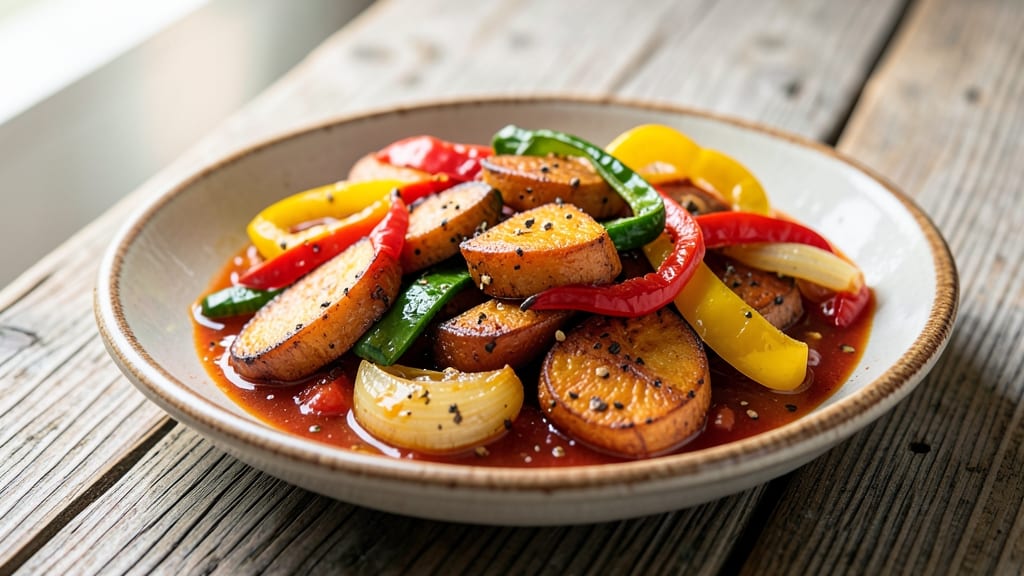
This sweet potato ratatouille recipe reimagines the classic Provençal dish with vibrant, earthy sweet potatoes that bring natural sweetness and depth to every bite.
The key lies in roasting the vegetables until tender yet still holding their shape, then layering them with fresh herbs and rich tomato sauce for a dish that's both comforting and elegant.
I developed this version after craving something hearty yet light enough for summer evenings, and it's become a staple at my dinner table.
The beauty of this recipe is its foolproof technique—no fancy skills required, just patience and attention to layering. Sweet potatoes replace traditional eggplant, adding a caramelized sweetness that pairs perfectly with the tangy tomato base and fragrant herbs.
Roasting the vegetables first intensifies their flavors, while the final simmer creates a harmonious blend where each ingredient shines. It's the kind of dish that tastes even better the next day, making it ideal for meal prep or bringing to gatherings.
What makes this sweet potato ratatouille truly special is how it balances textures and flavors—tender sweet potatoes, crisp roasted zucchini, and velvety tomato sauce all come together in a medley that's as visually appealing as it is delicious.
The herby depth from fresh basil and thyme elevates it beyond a simple side dish, making it a complete dish that stands on its own.
Serve it warm with crusty bread to soak up every last bit of that flavorful sauce, or pair it with grilled fish or chicken for a well-rounded meal.
This recipe is designed to be versatile yet straightforward, so you can adapt it to what you have on hand while still achieving restaurant-quality results. The secret lies in the slow roasting and careful layering—techniques that ensure each vegetable retains its integrity while developing rich, caramelized flavors.
Whether you're a seasoned cook or just starting out, this sweet potato ratatouille will become a go-to recipe for any occasion.
Ingredients for sweet potato ratatouille
Roasted sweet potatoes and vibrant vegetables create this elegant vegetarian ratatouille with herby depth.
| Ingredient | Amount | Notes |
|---|---|---|
| Sweet Potatoes 🍠 | 2 lbs | Medium, peeled and cubed |
| Zucchini 🥒 | 2 medium | OR 1 lb sliced lengthwise |
| Yellow Bell Pepper 🌶️ | 1 whole | Stripped into ribbons |
| Red Bell Pepper 🌶️ | 1 whole | Stripped into ribbons |
| Yellow Onion 🧅 | 1 whole | Thinly sliced |
| Garlic Cloves 🧄 | 4 cloves | Minced |
| Canned San Marzano Tomatoes 🍅 | 1 28 oz can | Crushed by hand |
| Extra-Virgin Olive Oil 🫒 | ½ cup | For roasting |
| Fresh Basil Leaves 🌿 | ½ cup | Chopped |
| Fresh Thyme Leaves 🌿 | 2 tbsp | OR 1 tsp dried |
| Kosher Salt 🧂 | 1 ½ tsp | Diamond Crystal preferred |
| Freshly Ground Black Pepper 🌶️ | ½ tsp | Freshly cracked |
| Vegetable Broth 💧 | ½ cup | Low-sodium preferred |
| Crusty Baguette 🍞 | 1 whole | For serving |
The sweet potatoes are the heart of this dish—choose firm, vibrant orange ones with smooth skins for the best texture. Whole Foods or local farmers markets often carry the sweetest varieties, but any standard grocery store sweet potato works in a pinch. For the bell peppers, red and yellow add both color and subtle sweetness, but green works if that's what you have. Roast them until tender but still holding shape—this ensures they don't turn to mush during the final simmer. The zucchini can be substituted with yellow squash if you prefer a slightly nuttier flavor, but stick to medium-sized ones for even cooking.
No fresh thyme? Dried works at one-third the amount, though it lacks the bright herbal notes. For the tomatoes, San Marzano cans are ideal—they're sweet and meaty, but any high-quality crushed tomatoes will do. If you're short on basil, parsley or oregano can stretch it, though the flavor will shift slightly. The vegetable broth adds depth without overpowering; if you're using low-sodium, you can skip adding extra salt during cooking. For a richer sauce, add 1 tbsp tomato paste to the roasted vegetables before simmering.
This ratatouille develops even better flavors when reheated—keep it refrigerated for up to 5 days or freeze portions for 3 months. Store the sauce separately from the vegetables if prepping ahead to maintain texture. For serving, toast the baguette slices until crisp and let guests assemble their own bowls. The dish also reheats beautifully in the oven at 350°F for 15 minutes if you've made extra for leftovers.
Why You'll Love This Recipe
- One-Pan Magic: I swear by this for lazy nights—the sweet potatoes roast right alongside the peppers and zucchini, so you’re basically done after dicing and tossing. No pots, no pans, just one sheet pan and 40 minutes of hands-off time while you sip wine or scroll through your phone.
- Sweet & Smoky Depth: That caramelized sweet potato? It’s the star—roasted until tender with a crispy edge, then simmered with garlic and herbs until the flavors meld into something rich and earthy. Between us, it tastes like a hug from a French bistro.
- Meal Prep MVP: I make a big batch on Sundays and eat it all week—over toast for breakfast, with quinoa for lunch, or straight from the jar for dinner. The flavors only get better as it sits, and it reheats like a dream (unlike some sad, mushy leftovers).
- Budget-Friendly Pantry Hero: Honestly, this recipe costs me about $8 for four servings, and the veggies stretch across multiple meals. Sweet potatoes and bell peppers last forever, so you’re not scrambling for last-minute groceries. Plus, it’s way cheaper than takeout—but way more impressive.
Step-by-step instructions for sweet potato ratatouille
This method delivers a vibrant, herby ratatouille with perfectly caramelized sweet potatoes and tender vegetables.
Prep and Roast the Vegetables
Preheat your oven to 400°F. Toss the 2 lbs peeled and cubed sweet potatoes with 2 tablespoons of the extra-virgin olive oil, ½ teaspoon of the kosher salt, and ¼ teaspoon of the freshly ground black pepper on a large sheet pan. Spread them in a single layer, ensuring even exposure to heat.
Roast for 25-30 minutes until the edges are deep golden brown and the sweet potatoes yield slightly when pressed with a fork. Remove them from the oven and set aside. In the same pan, toss the yellow and red bell peppers (stripped into ribbons), yellow onion (thinly sliced), and zucchini (sliced lengthwise) with the remaining 3 tablespoons olive oil, ½ teaspoon salt, and ¼ teaspoon pepper. Return to the oven and roast for 15-20 minutes until the onions soften and the peppers become tender.
Build the Tomato-Basil Base
While the vegetables roast, crush the 28 oz can San Marzano tomatoes by hand with your fingers, removing any large seeds or skins. Transfer them to a large, heavy-bottomed pot and bring to a simmer over medium heat. Stir in the minced garlic cloves, ½ cup vegetable broth, ½ cup chopped fresh basil leaves, and 2 tablespoons fresh thyme leaves. Reduce the heat to low and let it simmer for 10 minutes until the flavors meld and the mixture thickens slightly.
Here's the thing—this simmering step is where the magic happens. The acidity in the tomatoes brightens the sweetness of the roasted vegetables, while the herbs infuse deeply. Taste and adjust seasoning with additional salt or pepper as needed. The sauce should be vibrant and fragrant, with a balance of acidity and sweetness.
Combine and Simmer the Ratatouille
Add the roasted sweet potatoes and the roasted vegetable mixture to the tomato sauce. Stir gently to combine, being careful not to break the sweet potatoes into small pieces. Increase the heat to medium-low and let the ratatouille simmer uncovered for 15-20 minutes, stirring occasionally. The vegetables should soften further, and the flavors should deepen and harmonize.
You'll know it's ready when the sweet potatoes are tender and the entire mixture has a cohesive, rustic texture. If the ratatouille seems too thick, add 1-2 tablespoons of water to loosen it. The goal is a sauce that clings to the vegetables but still allows each component to retain its distinct texture and flavor.
Rest and Serve
Remove the ratatouille from heat and let it rest for 10 minutes. This resting period allows the flavors to settle and the vegetables to absorb the sauce evenly. Taste again and adjust seasoning if necessary—sometimes, a final pinch of salt or a sprinkle of fresh thyme can elevate the dish.
Serve the ratatouille warm or at room temperature, accompanied by the crusty baguette for dipping. The contrast of the crisp bread with the tender, herby vegetables creates a satisfying balance. For an extra touch, garnish each serving with a sprinkle of chopped fresh basil and a drizzle of extra-virgin olive oil before serving. This dish is best enjoyed fresh, so don't wait too long to dig in!
Pro Tips For Making Sweet Potato Ratatouille
- CHAR THE ONIONS FIRST: Sweet potatoes and zucchini take time to soften, but onions caramelize fast—skip this step, and you’ll end up with raw onion chunks in an otherwise perfect dish. Get them golden-brown (about 8-10 minutes) before adding anything else, or you’ll regret it later.
- CUT SWEET POTATOES UNIFORM: I learned this the hard way—uneven pieces mean some parts turn to mush while others stay stubbornly firm. Slice sweet potatoes into ½-inch cubes, not random chunks. A sharp knife and steady hand make all the difference here.
- SALT THE ZUCCHINI: Zucchini releases water like a sad sponge if you don’t season it first. Toss sliced zucchini with a pinch of salt and let it sit for 10 minutes before cooking—this draws out excess moisture, so your ratatouille stays tender, not soggy.
- COVER IT HALFWAY: Sweet potatoes need time to break down, but you don’t want a stew. After 15 minutes of cooking, cover the pot loosely with a lid (or foil with a few holes) to trap steam without drowning the veggies. Check every 5 minutes—you’re aiming for tender, not waterlogged.
Health benefits of this dish
Sweet Potato Power
Sweet potatoes bring a nutritional powerhouse to ratatouille with their high vitamin A content—just 1 cup provides 400% of your daily needs. This supports immune function and skin health, making this dish especially beneficial for busy weeknights when you need extra nutrients.
The natural sweetness also reduces the need for added sugars while keeping flavors balanced. 💪
Fiber-Rich Goodness
With 7 grams of fiber per serving, this sweet potato ratatouille supports digestive health and helps stabilize blood sugar levels. The fiber content comes from both the sweet potatoes and the vegetable medley, creating a satisfying, filling dish that keeps you energized for hours.
I've found this particularly helpful when I need a hearty vegetarian meal that won't leave me sluggish.
Herb-Infused Antioxidants
The fresh basil and thyme in this recipe aren't just for flavor—they're packed with antioxidants like rosmarinic acid and eugenol. These compounds help combat oxidative stress in your body while adding that signature herby depth.
The combination of these herbs with the sweet potatoes creates a flavor profile that's both comforting and health-boosting.
Low-Calorie Comfort
At just 250 calories per serving, this ratatouille delivers substantial nutrition without excessive calories. The sweet potatoes provide complex carbohydrates for sustained energy, while the vegetable base keeps it light.
It's the perfect balance for those who want a satisfying meal without heavy guilt—ideal for summer dinners when you want something fresh but filling.
Blood Sugar Benefits
Sweet potatoes have a lower glycemic index than white potatoes, thanks to their fiber content and nutrient density. This makes them an excellent choice for maintaining steady blood sugar levels, especially when paired with the fiber-rich vegetables in this ratatouille.
I've noticed improved energy levels when I include this dish in my weekly meal rotation.
Meal Prep Friendly
This ratatouille stores beautifully in the refrigerator for up to 5 days or freezes well for 3 months, making it perfect for meal prep. The nutrients remain intact even after reheating, so you can enjoy these health benefits throughout the week without sacrificing flavor.
The sweet potatoes' natural sweetness actually intensifies when reheated, adding extra depth to leftovers. ✨
Nutrition facts
Frequently asked questions
Can I substitute regular potatoes for sweet potatoes in this recipe?
While you can technically use regular potatoes, the flavor and texture will be completely different. Sweet potatoes bring natural sweetness and a creamy, slightly fibrous texture that pairs beautifully with the herby tomato sauce. Regular potatoes would make the dish too starchy and less flavorful. If you're set on using them, try a mix of Yukon gold and red potatoes for better texture, but expect a different taste profile.
How do I make this ratatouille ahead of time?
This dish actually tastes even better the next day! Prepare it completely, then let it cool to room temperature. Store in an airtight container in the refrigerator for up to 5 days. The flavors meld and intensify over time. When reheating, warm gently on the stove over low heat or in the oven at 350°F for 15-20 minutes until heated through. The sweet potatoes will soften further, creating an even richer texture.
What if I don't have fresh basil or thyme?
Don't worry—dried herbs work in a pinch! Use one-third the amount of dried herbs (so ⅔ teaspoon dried thyme instead of 2 tablespoons fresh). For basil, you can substitute with parsley or oregano, though the flavor will be slightly different. If you're missing both, a pinch of red pepper flakes can add depth while you're troubleshooting. The dish will still be delicious, just with a slightly different herbal profile.
Can I make this ratatouille in a slow cooker?
Yes, but with some adjustments! Roast the sweet potatoes and other vegetables as directed, then transfer everything to your slow cooker. Add the tomato mixture and broth, then cook on low for 4-5 hours or high for 2-3 hours. The slow cooking will make the sweet potatoes very tender, so they may break down more than in the oven method. For best results, stir occasionally and add a splash of water if it gets too thick. The flavors will still develop beautifully!
What's the best way to serve this ratatouille?
This dish works beautifully as a standalone vegetarian main or as a side. For a complete meal, serve it warm with crusty bread for dipping, or pair it with grilled fish, chicken, or tofu. The herby sauce also makes excellent toast toppings—just spread on bread, toast until crispy, and top with ratatouille. For a restaurant-style presentation, arrange the vegetables in concentric circles on a plate and drizzle with extra olive oil and fresh basil. Garnish with a sprinkle of feta cheese if you like!