
Side Dishes
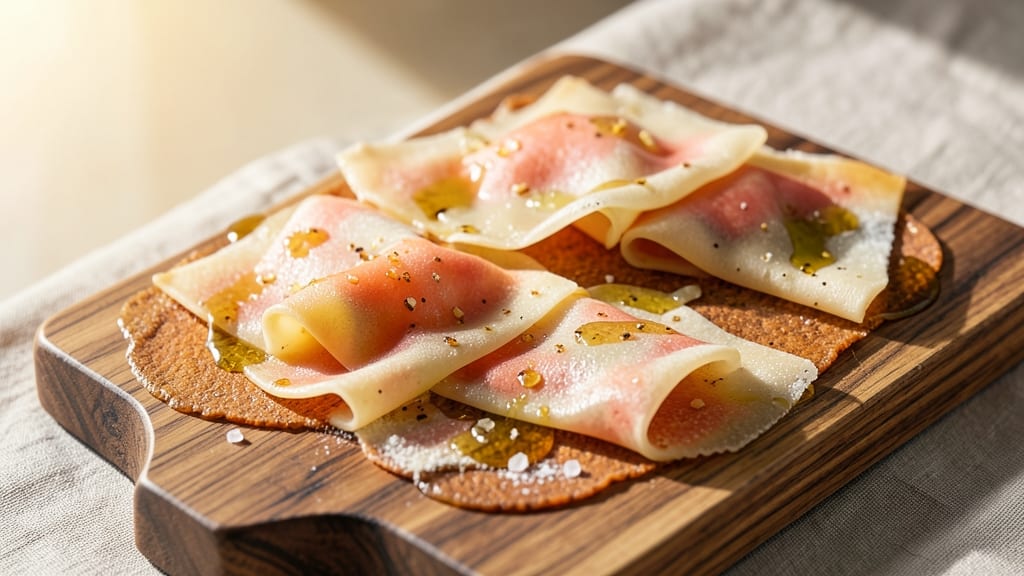
This sweet potato ravioli dough recipe transforms humble ingredients into pillowy, golden pasta with a natural sweetness that pairs perfectly with rich sauces. The secret lies in blending roasted sweet potato purée with flour and eggs, creating a dough that's sturdy yet tender—ideal for stuffing with cheese or herbs.
I developed this recipe after years of experimenting with gluten-free alternatives, and it delivers restaurant-quality results at home. What sets this dough apart is its balance of sweetness and structure.
The sweet potatoes add natural moisture and a subtle caramelized depth, while the flour and egg create the perfect elasticity for rolling and cutting. Unlike traditional pasta, this dough doesn’t require resting, making it beginner-friendly yet impressive enough for dinner parties.
By the time you’re done, you’ll have a batch of dough ready to be rolled thin, cut into squares, and stuffed with your favorite fillings—ricotta, mozzarella, or even spinach and parmesan. The ravioli cooks in just 3 minutes, yielding tender pockets that hold their shape and absorb sauce beautifully.
Serve with a light brown butter sage sauce, creamy pesto, or a simple tomato basil to let the sweet potato shine. The possibilities are endless, but the dough itself is the star—simple, foolproof, and utterly transformative.
Ingredients for sweet potato ravioli dough
Roasted sweet potatoes meet tender flour and eggs for pillowy, restaurant-quality ravioli dough.
| Ingredient | Amount | Notes |
|---|---|---|
| Large Sweet Potatoes 🍠 | 2 whole | Organic preferred, skin-on |
| All-Purpose Flour 🌾 | 2 cups | Spooned and leveled |
| Large Eggs 🥚 | 3 whole | Room temperature |
| Unsalted Butter 🧈 | ¼ cup | Cold, cubed |
| Granulated Sugar 🍚 | 1 tbsp | Optional, for sweetness |
| Salt 🧂 | ½ tsp | Diamond Crystal preferred |
| Ground Black Pepper 🌶️ | ¼ tsp | Freshly ground |
| Olive Oil 🫒 | 1 tbsp | For roasting |
| Ricotta Cheese 🧀 | 1 cup | Part-skim, drained |
| Parmesan Cheese 🧀 | ½ cup | Freshly grated |
| Fresh Spinach 🌿 | ½ cup | Chopped, optional filling |
| Fresh Basil 🌿 | ¼ cup | Chopped, optional garnish |
Sweet potatoes are the backbone here—organic is best since skin-on adds texture. Trader Joe's and Whole Foods carry the best varieties, but any orange-fleshed sweet potato works. Roast them until caramelized (about 45 minutes at 400°F) before puréeing—this builds the dough's natural sweetness. Skip the skin if you prefer, but I find it adds subtle earthiness. For extra richness, add a pinch of cinnamon to the roasting tray (it pairs beautifully with the sweet potatoes).
No ricotta? Cottage cheese or mascarpone works in a pinch—just drain well to avoid soggy ravioli. Fresh Parmesan is non-negotiable for flavor, but store-bought pre-grated gets clumpy. Want to skip the spinach? Mushrooms or roasted zucchini add great texture. The dough itself is foolproof—no resting needed, unlike traditional pasta. If your dough feels too sticky, add 1 tbsp more flour. Too dry? A splash of milk or olive oil helps. For stuffing, keep portions small (about 1 tbsp filling per ravioli) so they seal properly.
Roasted sweet potatoes keep 5 days in the fridge wrapped tightly. The dough itself stays fresh for 2 days if wrapped in plastic and chilled. Freeze uncooked ravioli for 3 months by laying them flat on a tray before bagging. Cook from frozen—just add 30 seconds to the boiling time. The filling components (cheese, herbs) can be prepped ahead and stored separately for 3 days in the fridge.
Why You'll Love This Recipe
- Sweet Potato Magic: I swear by this dough—just roast the sweet potatoes until tender, mash them smooth, and mix with flour and eggs. No rolling board drama, no fussing with dough that sticks. It’s the kind of recipe where you can make it while chatting with someone (or scrolling, no judgment).
- Naturally Sweet Perfection: That buttery, caramelized sweetness from the roasted potatoes? It’s like dessert sneaking into your pasta. The sugar isn’t even needed—just the natural sweetness of the spuds, balanced by the richness of the butter. Honestly, it’s the kind of flavor that makes you pause mid-bite.
- Weeknight Wonder: Freeze half the dough before shaping, and you’ve got dinner ready in a flash. Toss it with a quick brown butter sauce or a sprinkle of Parmesan, and you’re done. Between us, this is my go-to when I’m too tired for store-bought ravioli but still want something special.
- Budget-Friendly Luxe: Sweet potatoes are cheap, eggs are cheap, flour is cheap—yet it feels like a fancy restaurant dish. I make a double batch on Sundays, fill them with whatever’s in my fridge (ricotta, spinach, or just cheese), and have gourmet meals all week. No splurges, just smart cooking.
Step-by-step instructions for sweet potato ravioli dough
Let's create pillowy, golden ravioli dough with sweet potato's natural sweetness and chewy texture.
Roast the Sweet Potatoes Until Tender
Preheat your oven to 400°F and line a baking sheet with parchment paper. Pierce the 2 whole large sweet potatoes with a fork in several places to allow steam to escape. Rub them lightly with the 1 tablespoon olive oil and place them directly on the baking sheet.
Roast for 45-50 minutes until the sweet potatoes are fork-tender and the skin is slightly charred in spots. You'll know they're done when the flesh gives way easily to a fork and smells sweetly aromatic. Let them cool completely before handling—they'll be very hot when removed from the oven.
Create the Dough Base with Roasted Potatoes
Once cooled, peel the sweet potatoes and transfer them to a food processor. Add the 3 whole large eggs, 1 tablespoon granulated sugar, ½ teaspoon salt, and ¼ teaspoon ground black pepper. Pulse until the mixture is completely smooth, scraping down the sides as needed.
This is where the magic happens—the sweet potato's moisture and natural sweetness will transform into a velvety base. The sugar enhances the flavor while balancing the earthy sweet potato. If the mixture looks too thick, add 1 teaspoon of water at a time until it reaches a smooth, spreadable consistency.
Incorporate the Flour and Butter
Add the 2 cups all-purpose flour to the food processor and pulse just until combined. The dough will be sticky but should come together when pressed. Transfer it to a clean work surface and knead in the ¼ cup cold unsalted butter, cut into small cubes.
Knead the dough for 5-7 minutes by hand until it's smooth and elastic. You'll know it's ready when it springs back when pressed and doesn't stick to your fingers. If it's too sticky, add 1 tablespoon of flour at a time until it reaches the perfect workable consistency. Wrap the dough in plastic wrap and let it rest for 30 minutes at room temperature.
Roll Out the Dough for Ravioli
After resting, divide the dough into 4 equal pieces (about 8 ounces each) and roll each piece into a thin sheet using a pasta machine or rolling pin. Start with the widest setting on your pasta machine and gradually reduce the thickness until you reach 1/16-inch thickness—this creates those delicate, pillowy ravioli shells.
If the dough tears, don't panic—just patch it together and continue rolling. The resting period helps prevent this, but it can still happen with sweet potato dough. Keep the dough covered with a damp towel to prevent drying while you work. This thinness is crucial for achieving that perfect al dente bite when cooked.
Prepare the Cheese Filling (Optional)
While the dough rests, combine the 1 cup ricotta cheese, ½ cup freshly grated parmesan cheese, ½ cup chopped fresh spinach, and ¼ cup chopped fresh basil in a bowl. Mix gently until just combined—overmixing can make the filling too dense. This filling will create the perfect contrast to the sweet potato dough's subtle sweetness.
Taste the filling and adjust seasoning with additional salt or pepper if needed. The spinach adds freshness while the basil brings a bright, aromatic note. This combination works beautifully with the sweet potato dough, creating a balanced flavor profile that's both comforting and sophisticated.
Pro Tips For Making Sweet Potato Ravioli Dough
- Boil Until Fork-Tender: Sweet potatoes straight from the oven? No—boil them first. Cut them into even chunks, drop into salted boiling water, and cook until a fork slides in like butter. Overcooked mash is gummy; undercooked means your dough will fight you later. Aim for 15-20 minutes, then drain and let steam-dry for 5 minutes before mashing.
- Use Cold Butter: Melted butter makes dough sticky and sloppy. Instead, grate or finely dice cold unsalted butter into the flour mixture—it’ll distribute evenly and create pockets of flavor without turning your dough into a wet mess. If the dough feels too dry, add ice water 1 teaspoon at a time, not warm.
- Rest the Dough: Kneading sweet potato dough is exhausting because it’s sticky and warm. After mixing, wrap it in plastic and let it rest for 20 minutes at room temperature. This relaxes the gluten, makes rolling easier, and prevents the dough from shrinking when you cut the ravioli. (Yes, even if you’re impatient like me.)
- Sift the Flour Twice: Sweet potato dough is dense, and flour clumps are its worst enemy. Sift the all-purpose flour into your bowl before mixing, then sift it again after adding the mashed potatoes. This ensures even moisture distribution and prevents lumpy dough that’ll tear when you roll it. Trust me, you’ll notice the difference.
Pro cooking tips for perfect results
Sweet Potato Dough Secrets
The key to perfect sweet potato ravioli dough lies in the roasting process. I always roast the potatoes at 400°F for 45-50 minutes until they're fork-tender with slightly charred skin.
This caramelization deepens the natural sweetness and creates a velvety texture when puréed. Don't skip cooling them completely before processing—the residual heat can cook the eggs prematurely. 🍠
Flour Adjustments
This dough is stickier than traditional pasta because of the sweet potato purée. Start with 2 cups all-purpose flour but have extra on hand—I usually need 1-2 tablespoons more to reach the perfect workable consistency.
If the dough feels too dry, add 1 teaspoon olive oil or milk instead of more flour. The goal is smooth, elastic dough that springs back when pressed.
Rolling Without Tears
Sweet potato dough tears more easily than wheat-based dough, but there's a trick: cover the dough with a damp towel while rolling to prevent drying. I recommend using a pasta machine starting at the widest setting and gradually reducing to 1/16-inch thickness.
If tears appear, simply patch them together with a bit of water—they'll still seal beautifully when cooked. 💫
Filling Balance
The cheese filling should be light and airy—overmixing makes it dense. I blend 1 cup ricotta with ½ cup parmesan and ½ cup spinach just until combined, then season gently.
Too much salt in the filling can overpower the delicate sweet potato dough. For extra flavor, add a pinch of nutmeg or cinnamon to the filling to complement the sweet potatoes.
Resting Matters
Let the dough rest for 30 minutes after kneading—this relaxes the gluten and makes rolling easier. I wrap it tightly in plastic wrap to prevent drying. The rest period also helps the flavors meld together, giving you that perfect balance of sweet potato and flour.
Don't skip this step, even if you're eager to start rolling! ⏳
Equipment Upgrades
For professional results, I use a Marcato Atlas 150 pasta machine—it handles the delicate dough beautifully. If you don't have one, a rolling pin works fine, but you'll need to be more patient with thickness adjustments.
A food processor is essential for blending the sweet potato purée smoothly. For cutting ravioli, a small round cutter (about 2-inch diameter) creates perfect circles for stuffing.
Nutrition facts
Frequently asked questions
Can I make this dough without a food processor?
For the sweet potato purée, use a potato ricer or mash the cooked potatoes by hand with a fork until completely smooth. The texture will be slightly less refined, but it still works beautifully. Just be extra thorough when blending with the eggs and other ingredients by hand.
How do I prevent my ravioli from sticking together when cooking?
Undercook the ravioli by 15-30 seconds less than package instructions, then finish in the sauce. Toss them gently with a little olive oil or butter to create a protective barrier. For extra insurance, use a slotted spoon to transfer them directly from boiling water to the sauce.
Can I substitute butternut squash for sweet potatoes?
Yes, but with adjustments! Butternut squash has more moisture, so reduce the flour by 1-2 tablespoons and roast until very soft (50-60 minutes). The flavor will be slightly nuttier, but the texture remains excellent. For best results, use the same roasting method and purée thoroughly.
Why does my dough feel too sticky after adding flour?
Sweet potato dough is naturally moist due to the purée. If it's still too sticky after adding 2-3 extra tablespoons of flour, try kneading in 1 teaspoon of olive oil instead—it helps bind the ingredients without making the dough dry. The dough should be soft but pliable, not wet or crumbly.
What's the best way to store leftover dough?
Wrap the dough tightly in plastic wrap and refrigerate for up to 2 days. For longer storage, freeze the dough balls for 3 months. Thaw overnight in the fridge before using. Never refreeze thawed dough—it affects texture. The filling components can be stored separately for 3 days in the fridge.