
Side Dishes
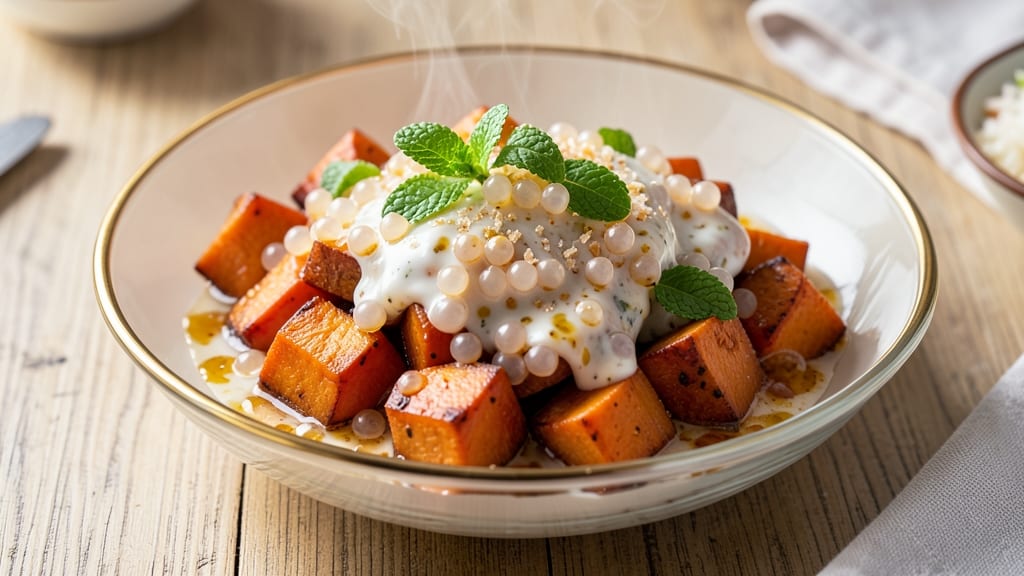
This sweet potato sago recipe transforms humble ingredients into a velvety, coconut-infused dessert that feels like a tropical vacation in every bite.
The secret lies in perfectly cooked sweet potato puree—smooth, naturally sweet, and rich—paired with delicate sago pearls that soak up coconut milk until they're tender yet still hold their signature chewy texture.
What makes this dish special is how effortlessly it balances sweetness and creaminess without needing refined sugar or heavy cream.
The preparation is surprisingly straightforward: boil sago until translucent, simmer sweet potatoes until fork-tender, then blend into a velvety puree while the coconut milk reduces into a fragrant, slightly thickened sauce.
The result is a dish that's equally at home served warm with toasted coconut flakes or chilled with a sprinkle of lime zest—both approaches highlight the natural sweetness of the sweet potatoes and the delicate nuttiness of the sago.
What you'll end up with is a dessert that feels luxurious yet comes together in under 45 minutes, making it perfect for weeknight treats or special occasions.
The combination of earthy sweet potatoes and tropical coconut creates a flavor profile that's both comforting and sophisticated, with just the right amount of texture contrast between the creamy sauce and chewy sago pearls.
This recipe is naturally vegan-friendly (assuming coconut milk is used) and can be easily adjusted for dietary preferences—add a touch of vanilla extract for extra depth, or serve with fresh mango slices for a vibrant topping.
The versatility makes it ideal for both casual family meals and elegant gatherings where you want something memorable without the fuss.
Ingredients for sweet potato sago
Twelve ingredients transform into a tropical dessert with velvety sweet potato puree and chewy sago pearls.
| Ingredient | Amount | Notes |
|---|---|---|
| Sweet Potatoes 🍠 | 2 lbs | Organic preferred, peeled and cubed |
| Sago Pearls 🍡 | ½ cup | Rinsed thoroughly before cooking |
| Full-Fat Coconut Milk 🥥 | 13 ½ oz | High-quality canned, shaken well |
| Light Coconut Milk 🥥 | 1 can | 13.5 oz can, for sauce consistency |
| Coconut Oil 🫒 | 2 tbsp | Unrefined for authentic flavor |
| Coconut Sugar 🍯 | ¼ cup | Or substitute maple syrup |
| Vanilla Extract 🌿 | 1 tsp | Pure Madagascar preferred |
| Lime Zest 🍋 | 1 tsp | Freshly grated for brightness |
| Toasted Coconut Flakes 🥥 | ¼ cup | For garnish, unsweetened |
| Salt 🧂 | ¼ tsp | Fine sea salt for balance |
| Water 💧 | 3 cups | For sago pearl cooking |
| Fresh Mango 🥭 | 1 whole | Optional garnish, sliced |
The sweet potatoes are the foundation—organic or heirloom varieties have the deepest flavor, but any orange-fleshed potato works. Whole Foods or local farmers markets often carry the best quality, but the regular grocery store sweet potatoes are perfectly fine if they're firm and free of soft spots. For the sago pearls, Asian grocery stores typically stock them in bulk, but you can also find them online if your local market doesn't carry them. The coconut milk makes or breaks this dish: Thai Kitchen or Aroy-D brand are reliable for that perfect balance of creaminess and richness. Always shake the can well before opening—settled coconut milk can make the texture uneven.
No sago pearls? Tapioca pearls or mochi pearls work as a substitute, though the texture will differ slightly. Running out of coconut sugar? Maple syrup or agave nectar are excellent swaps—just reduce the amount by one-third since they're sweeter. The vanilla extract is non-negotiable for depth, but if you're out, vanilla bean paste or even a scraped vanilla bean will give you that authentic flavor. For the lime zest, Mexican limes have the most vibrant flavor, but regular limes work too. The coconut flakes should be toasted until golden—a dry skillet over medium heat for 3-4 minutes does the trick perfectly.
Store the cooked sago pearls in the fridge for up to 5 days, covered with a thin layer of coconut milk to prevent drying. The sweet potato puree keeps for 3 days in the fridge, though it reheats beautifully—just warm gently on the stove. For longer storage, freeze both components separately for up to 3 months. When ready to serve, simply reheat the sauce and toss in the pearls. Garnish with fresh mango slices or toasted coconut flakes just before serving to keep them crisp. This dessert stays fresh at room temperature for 4 hours, making it perfect for potlucks or gatherings.
Why You'll Love This Recipe
- No Chopping Needed: I swear by this—just peel, cube, and simmer. Those sweet potatoes soften like butter while the sago pearls plump up in the coconut milk, no knife skills required. Honestly, I make this on nights when I’m too tired to even think about dicing.
- Creamy Without the Guilt: The combo of full-fat and light coconut milk gives it that velvety texture without tasting heavy. That first bite? Pure satisfaction—sweet, tender potatoes wrapped in a gentle, almost custardy coconut hug. (Yes, even on a Tuesday night.)
- Leftover Magic: This dish actually improves the next day. The flavors meld overnight, and reheating it stirs up all the best aromas—like a warm hug in bowl form. I portion it into jars so I can grab it straight from the fridge for breakfast or a quick lunch.
- Pantry Staple Power: Between us, this recipe uses ingredients you might already have. Sago pearls? Check. Coconut milk? Probably. Sweet potatoes? Versatile as they come. It’s the kind of meal that doesn’t drain your wallet or your patience—just pure, reliable comfort.
Step-by-step instructions for sweet potato sago recipe
Master this tropical dessert with perfectly chewy sago pearls and velvety coconut sweetness.
Cook the Sweet Potatoes to Tender Perfection
Peel and cut the 2 lbs sweet potatoes into 1-inch cubes for even cooking. Place them in a medium pot and cover with cold water by 1 inch. Add the 0.25 tsp salt and bring to a boil over high heat. Once boiling, reduce to medium heat and simmer for 12-15 minutes until the sweet potatoes are fork-tender with a slight resistance in the center.
Drain immediately and set aside. The sweet potatoes should be soft enough to mash easily but not falling apart. This texture is crucial—they'll blend into the coconut mixture later. I like to press them gently with a fork to release any excess moisture before proceeding, ensuring a smoother final texture.
Prepare the Sago Pearls for Maximum Chewiness
Rinse the 0.5 cup sago pearls thoroughly under cold water to remove excess starch. Place them in a small saucepan and cover with the 3 cups of water. Bring to a boil over medium-high heat, then immediately reduce to a gentle simmer. Cook for exactly 25 minutes without stirring—this prevents them from breaking apart.
After 25 minutes, the sago pearls should be translucent and chewy with a slight bite. Drain in a fine-mesh strainer and rinse briefly with cold water to stop the cooking process. Let them cool slightly before adding to the coconut mixture. The cooling helps them maintain their shape when combined with the warm sweet potato puree.
Create the Creamy Coconut Base
In a large mixing bowl, combine the 13.5 oz full-fat coconut milk, 1 can light coconut milk, 2 tbsp coconut oil, and 0.25 cup coconut sugar. Whisk vigorously until the sugar dissolves completely and the mixture is smooth. The coconut oil helps create a luxurious, velvety texture that's essential for this dessert.
Add the cooked sweet potatoes and mash them thoroughly with a potato masher or fork until completely smooth. The mixture should be thick and creamy—like a rich pudding. If it's too thick, whisk in 1-2 tablespoons of hot water to reach a spoonable consistency. This step builds the foundation for the dessert's signature silky texture.
Combine and Infuse Flavors
Gently fold the cooled sago pearls into the coconut mixture using a silicone spatula. Work carefully to avoid breaking the pearls while ensuring even distribution throughout the creamy base. Add the 1 tsp vanilla extract and 1 tsp lime zest, stirring well to combine. The lime zest adds a bright citrus note that cuts through the richness of the coconut.
Transfer the mixture to a serving dish and smooth the top with a spatula. Cover with plastic wrap and refrigerate for at least 3 hours, or until completely chilled. This resting period allows the flavors to meld and the textures to set properly. The dessert should have a firm yet creamy consistency when ready to serve.
Serve with Garnish and Fresh Mango
Before serving, sprinkle the chilled dessert with the 0.25 cup toasted coconut flakes for added texture and visual appeal. Slice the 1 whole fresh mango into thin strips and arrange them artistically on top. The mango adds a vibrant contrast to the warm coconut tones and introduces a refreshing sweet-tart element.
Serve immediately for the best experience. Each bite should deliver the perfect balance of creamy coconut, chewy sago pearls, and sweet mango. The lime zest provides a subtle citrus brightness that elevates the tropical flavors. For an extra touch, serve with a dollop of whipped coconut cream on the side.
Pro Tips For Making Sweet Potato Sago
- SOAK SAGO LONGER: I used to skimp on the soaking time—big mistake. Soak sago pearls in cold water for at least 30 minutes (or up to 2 hours if you’re prepping ahead), then rinse well before cooking. This prevents them from turning mushy or sticking together like glue.
- PEEL AND CUBE SMALL: Sweet potatoes should be cut into 1-inch chunks, not thick slices. Smaller pieces cook faster and soak up the coconut milk better, giving you that silky texture instead of dry, uneven bites. (Yes, even if it takes an extra 5 minutes.)
- SIMMER GENTLY AFTER BOIL: Once the sweet potatoes and sago are tender, lower the heat to a bare simmer—not a rolling boil. Too much heat turns the coconut milk grainy and the sago pearls rubbery. A slow, steady simmer for 10 minutes seals in flavor and keeps everything creamy.
- STIR IN COCONUT OIL LAST: Add the coconut oil right at the end, off the heat, and let it melt into the mixture. This keeps the dish from splitting or curdling, and the oil adds a rich finish that’s way more noticeable than if you’d mixed it in earlier. (Trust me, it’s worth the extra 30 seconds.)
Wine and beer pairings for this dish
Tropical White Wine
For this dessert's creamy coconut and sweet potato flavors, a dry Riesling from Germany or Austria is my go-to choice. The wine's crisp acidity and subtle honeyed notes complement the tropical coconut while cutting through the sweetness.
Look for a Kabinett-level Riesling—it's light enough to not overpower the delicate sago pearls but still offers enough body to stand up to the rich sweet potato base. Chill it to 45-50°F before serving for the perfect refreshing contrast. 🍷
Citrusy Sauvignon Blanc
A New Zealand Sauvignon Blanc brings vibrant citrus notes that mirror the lime zest in the dessert. The wine's grassy, zesty character enhances the tropical flavors while adding a refreshing brightness.
I recommend a Marlborough region bottle for its classic gooseberry and passionfruit undertones that pair beautifully with the mango garnish. Serve slightly chilled at 48-50°F to let the wine's crispness shine through each bite of the dessert.
Light-Bodied Beer Pairing
For beer lovers, a Belgian Witbier like Hoegaarden or Stella Artois works surprisingly well. The coriander and orange peel notes in these beers complement the dessert's tropical flavors while the effervescence cleanses the palate between bites. The light body ensures it doesn't overpower the delicate textures.
For a more robust option, try a German Helles Lager—its malty sweetness balances the dessert's natural sweetness beautifully. Serve at 45-50°F to maintain the beer's crispness. 🍺
Spiced Rum Cocktail
For a boozy twist, mix 2 oz dark rum (like Appleton Estate or Kraken) with 1 oz coconut cream, a splash of lime juice, and a pinch of cinnamon. Shake with ice and strain over the dessert.
The rum's caramel notes enhance the sweet potato, while the cinnamon adds warmth that pairs perfectly with the toasted coconut flakes. Serve in small glasses alongside the dessert for dipping spoons—this becomes an instant crowd-pleaser at gatherings. 🍹
Non-Alcoholic Sparkling
For a refreshing non-alcoholic option, serve San Pellegrino Aranciata or Topo Chico Sparkling Water with Lime. The citrusy soda's effervescence complements the dessert's tropical flavors without competing. For something more decadent, try coconut water chilled to 38-40°F—it mirrors the dessert's natural ingredients while providing a light, hydrating contrast.
The subtle sweetness of the coconut water enhances the overall tropical experience. 💧
Nutrition facts
Frequently asked questions
Can I substitute regular potatoes for sweet potatoes in this recipe?
No, sweet potatoes are essential for this dish—their natural sweetness and earthy flavor create the perfect balance with the coconut and sago. Regular potatoes would make the dessert taste starchy and less flavorful. If you're looking for alternatives, try yams or butternut squash, but neither will be identical. The texture difference is also significant—sweet potatoes blend into a smoother puree.
How do I know when the sago pearls are perfectly cooked?
The sago pearls are done when they're translucent and slightly chewy with a tiny bite in the center. They should take exactly 25 minutes of simmering. If you overcook them, they'll turn mushy—test one by pressing gently with a fork. The ideal texture is like al dente pasta.
Can I make this dessert ahead of time?
This dessert actually tastes better after resting. Prepare it up to 24 hours ahead and store it in the fridge. The flavors meld beautifully, and the sago pearls absorb more of the coconut sauce. Just give it a gentle stir before serving. For make-ahead convenience, cook the sago pearls and sweet potato puree separately, then combine just before serving.
What if I can't find sago pearls at my local store?
No problem! You can substitute with tapioca pearls or mochi pearls—both work well, though the texture will differ slightly. Tapioca pearls will be slightly softer, while mochi pearls will be chewier. If using tapioca, reduce cooking time by 5 minutes to avoid mushiness. Asian grocery stores or online retailers are your best bet for authentic sago pearls.
Is this recipe naturally vegan?
Yes, this recipe is completely plant-based when using coconut milk and coconut sugar. The ingredients are naturally vegan, and the dish avoids all animal products. For extra richness, you can add a splash of vegan coconut cream on top. The lime zest and vanilla extract are also vegan-friendly, making this a perfect dessert for all dietary preferences.