
Salads
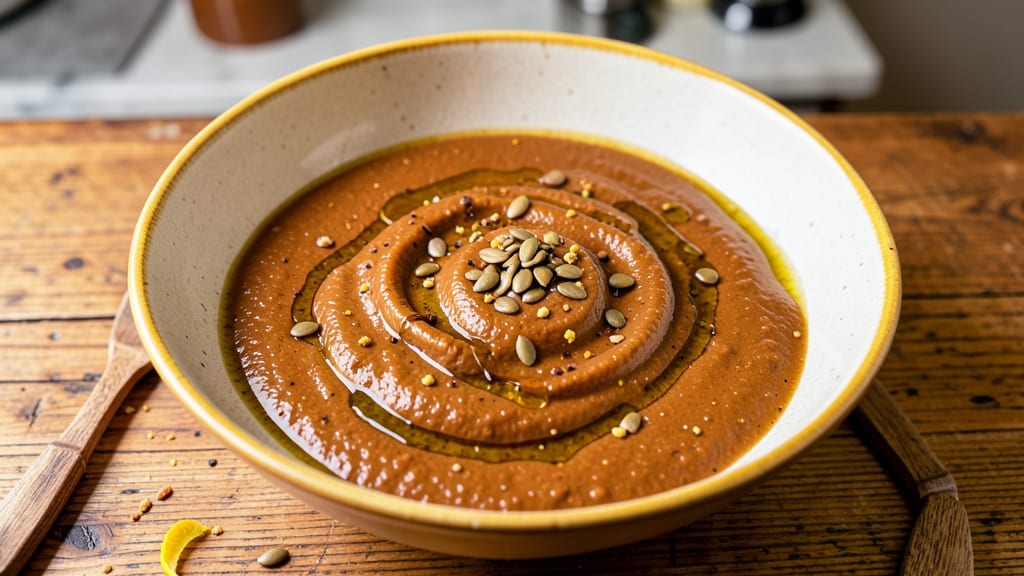
This sweet potato salad dressing recipe transforms humble sweet potatoes into a velvety, roasted-infused dressing that adds depth and warmth to any salad. The secret lies in roasting the sweet potatoes until caramelized, then blending them with tangy vinegar, bright citrus, and aromatic herbs—creating a sauce that’s rich yet balanced.
What makes this dressing special is its versatility: drizzle it over greens, toss with grains, or use it as a dip for roasted vegetables.
The process is straightforward but yields restaurant-quality results. You’ll start by roasting sweet potato cubes until tender and golden, then blend them with olive oil, apple cider vinegar, Dijon mustard, and a touch of maple syrup for natural sweetness.
Fresh herbs like thyme and rosemary add an earthy aroma, while lemon juice brightens the flavor profile. The texture is silky-smooth, with just enough body to coat salad ingredients beautifully.
What sets this dressing apart is its complex flavor—sweet, smoky, and tangy all at once. The roasted sweet potatoes bring a caramelized richness that pairs perfectly with bitter greens or hearty grains, while the vinegar and citrus keep it from being too heavy.
It’s a dressing that elevates simple salads into something special, with a depth you won’t find in store-bought versions.
Best of all, this dressing keeps well in the refrigerator for up to a week, making it perfect for meal prep. Store it in an airtight container, and give it a quick stir before using—it only gets better as the flavors meld.
Whether you’re dressing a hearty kale salad or a light grain bowl, this recipe delivers bold, balanced flavor with minimal effort.
Ingredients for sweet potato salad dressing
Roasted sweet potatoes and tangy vinegar create this velvety dressing with restaurant-quality depth.
| Ingredient | Amount | Notes |
|---|---|---|
| Sweet Potatoes 🍠 | 1 ½ lb | Medium-sized, peeled and cubed |
| Extra-Virgin Olive Oil 🫒 | ½ cup | High quality, fruity variety |
| Apple Cider Vinegar 🍶 | ¼ cup | Raw, unfiltered preferred |
| Dijon Mustard 🌶️ | 1 tbsp | Mild or strong, to taste |
| Pure Maple Syrup 🍯 | 1 tbsp | Grade B for deeper flavor |
| Fresh Lemon Juice 🍋 | 2 tbsp | Freshly squeezed, strained |
| Fresh Thyme Leaves 🌿 | 1 tbsp | Or 1 tsp dried thyme |
| Fresh Rosemary 🌿 | 1 tsp | Finely chopped, stems removed |
| Sea Salt 🧂 | ½ tsp | Diamond Crystal preferred |
| Ground Black Pepper 🌶️ | ¼ tsp | Freshly ground preferred |
The sweet potatoes are the foundation—orange-fleshed varieties like Beauregard roast best, developing that caramelized sweetness. Trader Joe's and Whole Foods carry excellent organic options, but any firm, smooth-skinned sweet potatoes work. Peel and cube them into even 1-inch pieces for consistent roasting. Pro tip: Toss the cubes with a drizzle of olive oil before roasting to prevent sticking and enhance browning. The roasting time varies by oven—aim for tender, golden cubes that collapse slightly when pierced with a fork.
No fresh thyme or rosemary? Dried works at one-third the amount, but fresh delivers that bright, aromatic punch. Running low on maple syrup? Agave nectar or honey (if not vegan) work in a pinch, though maple's molasses notes are ideal. For extra richness, add 1 tbsp tahini or almond butter to the blend. The Dijon mustard can be skipped if you prefer a smoother texture, but it adds that signature tang. Store-bought apple cider vinegar is fine, but raw, unfiltered vinegar has more complex flavor. If you can't find it, use regular apple cider vinegar—just know the flavor will be slightly milder.
This dressing keeps beautifully for 1 week in an airtight container in the fridge. The flavors actually deepen over time, so it only gets better. For longer storage, freeze in ice cube trays—thaw and whisk before using. The texture may thicken slightly after refrigeration; just stir in a splash of water or vinegar to loosen. Portion into small jars for easy grab-and-go use. It's perfect for meal prep: make a big batch and store it with your salads for quick assembly. The dressing also reheats well, making it great for warm grain bowls or as a dip for roasted vegetables.
Why You'll Love This Recipe
- No Roasting Required: I swear by this trick—just boil the sweet potatoes until tender, then mash them into the dressing while they’re still warm. The texture comes out silky, not gummy, and honestly? It’s half the work of roasting.
- Sweet-Savory Magic: That maple syrup and Dijon mustard combo is where this dressing gets its soul—deep, tangy, with just enough sweetness to balance the sharp vinegar. Drizzle it over greens or toss it with roasted veggies, and suddenly everything feels special.
- Weeknight Wonder: Between us, this is my go-to when I’m too tired to think. Store it in jars for up to five days, and it’s ready to jazz up salads, bowls, or even grilled chicken in seconds. (Yes, even on a Tuesday night.)
- Budget Bright Spot: Sweet potatoes and maple syrup stretch further than you’d think—this dressing costs me pennies per serving, and I never regret the swap from pricey bottled dressings. Plus, the leftovers? They’re the reason I meal prep.
Step-by-step instructions for sweet potato salad dressing
Transform humble sweet potatoes into a velvety dressing with deep caramel notes and bright acidity.
Roast Sweet Potatoes Until Caramelized
Preheat your oven to 400°F and line a baking sheet with parchment paper. Arrange the 1.5 lb sweet potatoes (peeled and cubed) in a single layer, leaving space between each piece. This prevents steaming and ensures even browning.
Drizzle the sweet potatoes with 1 tablespoon of the extra-virgin olive oil and sprinkle with ¼ teaspoon sea salt. Toss gently to coat. Roast for 25-30 minutes, stirring once halfway through, until the edges are deeply caramelized and the centers yield slightly when pressed with a fork. The sweet potatoes should smell toasty and aromatic—this is your cue they're ready. Let them cool completely before proceeding; warm sweet potatoes release excess moisture that will dilute your dressing.
Blend Roasted Sweet Potatoes with Wet Ingredients
Transfer the cooled sweet potatoes to a high-powered blender or food processor. Add the remaining 0.5 cup extra-virgin olive oil, 0.25 cup apple cider vinegar, 1 tablespoon Dijon mustard, 1 tablespoon pure maple syrup, and 2 tablespoons fresh lemon juice. The lemon juice adds brightness that cuts through the sweetness, while the vinegar ensures tangy depth.
Blend on medium speed until smooth, scraping down the sides as needed. You're aiming for a silky texture—if you encounter resistance, add 2-3 tablespoons water to help emulsify. Taste the mixture at this stage; it should balance sweet, tangy, and slightly earthy notes. If it needs more acidity, add another ½ teaspoon lemon juice; if it's too sharp, a touch more maple syrup will round it out.
Incorporate Herbs and Seasonings
With the blender running on low speed, gradually add the 1 tablespoon fresh thyme leaves and 1 teaspoon finely chopped fresh rosemary. The herbs should blend seamlessly into the dressing, infusing it with their earthy aroma. Once incorporated, season with the remaining 0.5 teaspoon sea salt and 0.25 teaspoon ground black pepper. Pulse a few times to distribute the seasonings evenly.
For an extra layer of flavor, let the dressing sit at room temperature for 10 minutes before tasting again. This resting period allows the herbs to fully release their oils and the flavors to meld. The dressing should coat the back of a spoon with a velvety consistency—neither too thick nor too thin. If it's too thick, thin with 1 tablespoon water at a time until it reaches your desired texture.
Adjust and Store for Maximum Freshness
Taste the dressing one final time and make any necessary adjustments. The ideal balance should harmonize the caramelized sweetness of the roasted sweet potatoes with the bright acidity of the vinegar and lemon, all while the herbs add a subtle earthy complexity. If the dressing tastes too sweet, add a splash more vinegar; if it's too sharp, a touch of maple syrup will smooth it out.
Transfer the dressing to a clean glass jar or airtight container. Store it in the refrigerator for up to 1 week, where the flavors will continue to deepen. Before using, give it a good stir—sometimes the herbs settle at the bottom. This dressing elevates simple salads, roasted vegetables, or even as a marinade for grilled meats, bringing a unique sweet-tangy profile to every dish.
Pro Tips For Making Sweet Potato Salad Dressing
- ROAST UNTIL TENDER: Sweet potatoes should give just slightly when pierced with a fork—no mushy centers, no rock-hard edges. I used to overcook them into oblivion, but roasting at 400°F (200°C) for 25-30 minutes with a drizzle of olive oil and a pinch of salt does the trick. If they’re still firm, they’ll turn to glue in the dressing.
- PEEL WHEN COOL: Peeling sweet potatoes right after roasting is a disaster—you’ll end up with a pile of burnt skin and frustrated hands. Let them cool for 10 minutes first, then peel under running water. The skin slides off like butter, and you won’t lose half your yield to stubborn char.
- WHISK THE MUSTARD FIRST: Dijon mustard and maple syrup don’t play nice if you add them last. Mix the mustard into the warm olive oil first—it emulsifies instantly and keeps the dressing smooth. I learned this after watching mine split into oil and vinegar puddles. Trust me, it’s worth the extra 10 seconds.
- SWEETEN WITH PRECISION: Maple syrup isn’t just flavor—it’s the glue holding this dressing together. Start with 1 tablespoon, taste, then adjust. Too much? Balance it with an extra splash of vinegar. Too little? The sweetness will fade fast. I keep a small bowl of syrup on hand while stirring so I can tweak without overdoing it.
Regional styles of this sweet potato salad dressing
Southern Comfort Style
In the South, sweet potato salad dressings often incorporate a touch of smoked paprika and hot honey for that signature sweet-and-smoky profile. I like adding ½ teaspoon smoked paprika and 1 teaspoon hot honey (like Chimayo) to the blend for a deeper, more complex flavor.
This variation works beautifully with collard greens or cornbread salads, giving them that Southern soulful touch. Serve it with a side of crispy fried chicken for a true comfort food experience. 🍗
Southwest Spicy Twist
For a Southwest-inspired dressing, blend in 1 teaspoon adobo sauce (from canned chipotles) and ½ teaspoon ground cumin for a smoky, slightly spicy kick. This version pairs perfectly with black bean salads or roasted squash dishes.
I also like adding a pinch of cayenne pepper for extra heat—just ¼ teaspoon is enough to wake up the flavors. Garnish with toasted pumpkin seeds for crunch and texture. 🌶️
French-Inspired Herb Variation
Channel your inner French chef by adding 1 tablespoon finely chopped tarragon and ½ teaspoon Dijon mustard to the blend. This lighter, more herb-forward version works beautifully with goat cheese salads or warm grain bowls.
For extra elegance, finish with a drizzle of truffle oil before serving. The tarragon brings a subtle anise note that complements the sweet potatoes beautifully. 🌿
Asian-Inspired Gingered Dressing
Give your dressing an Asian twist by adding 1 teaspoon grated fresh ginger and 1 tablespoon soy sauce (or tamari for gluten-free). This version pairs wonderfully with cucumber salads or steamed greens.
For extra depth, stir in 1 teaspoon sesame oil before serving. The ginger adds a bright, zesty note that cuts through the richness of the sweet potatoes. 🌱
Classic Italian Herb Blend
For an Italian-inspired version, swap the thyme and rosemary for 1 tablespoon fresh basil and ½ teaspoon dried oregano. Add 1 clove roasted garlic (blended in) for a sweet, mellow depth.
This dressing is perfect for Caprese salads or roasted vegetable platters. The basil adds a fresh, slightly peppery note that brightens the whole dish. 🍅
Modern Vegan Adaptation
To make this dressing fully vegan, use agave nectar instead of maple syrup and ensure your Dijon mustard is vegan-friendly. For extra richness, stir in 1 tablespoon tahini or almond butter before blending.
This version works beautifully with quinoa salads or roasted Brussels sprouts. The tahini adds a nutty depth that enhances the sweet potatoes' natural sweetness. 🌱
Nutrition facts
Frequently asked questions
Can I use regular potatoes instead of sweet potatoes?
Sweet potatoes are essential for that signature caramelized sweetness and velvety texture. Regular potatoes will taste starchy and lack the natural depth. If you're out of sweet potatoes, try yams—they're closely related and work well in this recipe. The roasting process is what transforms the sweet potatoes into a rich, flavorful base for the dressing.
How do I adjust the thickness of the dressing?
The dressing should be silky but not too thin. If it's too thick after blending, add 1 tablespoon water at a time until it reaches your desired consistency. For a thicker texture (great for dipping), blend in 1 tablespoon tahini or almond butter instead. Always taste as you go—adjust gradually to avoid over-diluting.
Can I make this dressing ahead of time?
This dressing actually tastes better after resting. Store it in an airtight container in the fridge for up to 1 week. The flavors meld beautifully over time, and it’s perfect for meal prep. Give it a good stir before using, as the herbs may settle. For longer storage, freeze in ice cube trays—thaw and whisk before serving.
What are the best salads to pair with this dressing?
This dressing shines with hearty greens like kale or spinach, but it also elevates grain bowls, roasted vegetable platters, and even wraps. Try it with quinoa salads, roasted Brussels sprouts, or crispy chickpea salads. The sweet-tangy balance cuts through bitter greens and complements earthy flavors beautifully. It’s also fantastic as a dip for warm, roasted veggies!
Why did my dressing separate?
Separation usually happens if the dressing sits too long without stirring or if the emulsifiers (like mustard) weren’t blended thoroughly. Stir well before using, or blend again with 1 tablespoon water or vinegar to re-emulsify. For future batches, ensure all ingredients are fully combined and let the dressing rest for 10 minutes before tasting—this helps stabilize the texture.