
Side Dishes
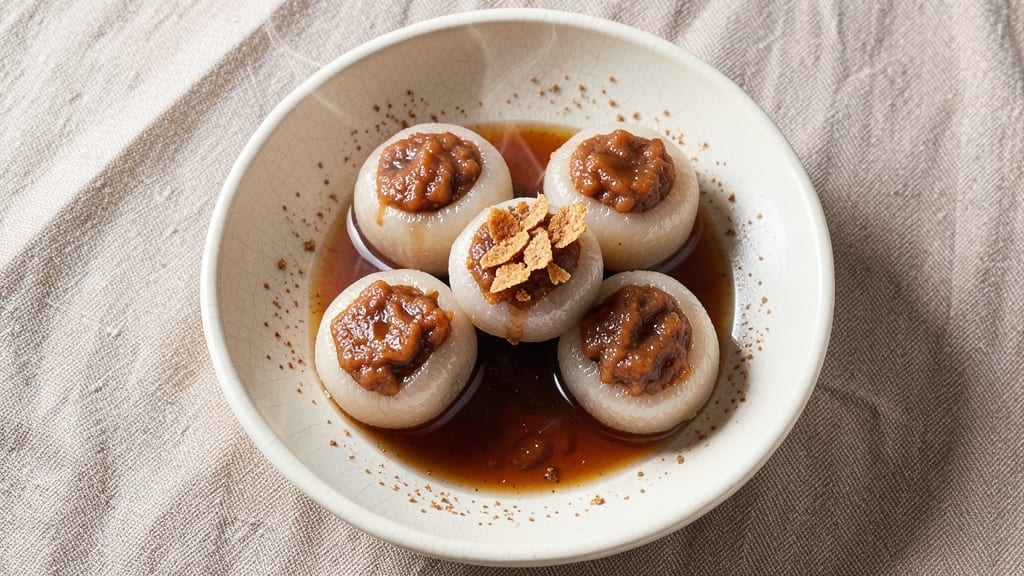
This sweet potato tang yuan recipe transforms humble ingredients into golden, chewy rice balls filled with velvety sweet potato and brown sugar—perfect for Lunar New Year celebrations. The secret lies in the dough's elasticity and the filling's silky texture, achieved through precise cooking techniques that balance chewiness with tenderness.
Every bite delivers a harmonious blend of earthy sweet potato and caramelized sugar, making these dumplings a standout dessert.
The preparation begins with a simple yet critical dough made from glutinous rice flour and water, which must be kneaded until smooth and elastic—this ensures the perfect chewy texture when boiled.
The filling combines mashed sweet potato with brown sugar and tapioca starch, creating a filling that stays moist and flavorful without becoming sticky. The key to success is shaping the balls evenly and boiling them gently to avoid bursting.
What makes this recipe special is its versatility—while sweet potato is traditional, you can easily swap in red bean or peanut fillings for variety.
The golden-brown exterior and fragrant aroma make these tang yuan irresistible, whether served warm with a drizzle of coconut milk or chilled with a sprinkle of sesame seeds. This dish isn’t just a dessert; it’s a celebration of texture and tradition.
Perfect for family gatherings or festive occasions, this recipe delivers restaurant-quality results at home with just a few simple ingredients and techniques. The process is straightforward once you understand the fundamentals, ensuring every batch turns out flawless. Let’s get started on creating these beloved chewy delights.
Ingredients for sweet potato tang yuan
Golden chewy bites start with these simple yet essential ingredients for perfect sweet potato tang yuan.
| Ingredient | Amount | Notes |
|---|---|---|
| Glutinous Rice Flour 🍚 | 1 ½ cups | For chewy texture, not regular rice flour |
| Water 💧 | ¾ cup | Room temperature preferred |
| Sweet Potatoes 🍠 | 1 ½ lb | Orange flesh, peeled and boiled |
| Brown Sugar 🍯 | ½ cup | Packed, for caramelized flavor |
| Tapioca Starch 🌾 | ¼ cup | For filling moisture control |
| Vegetable Oil 🫒 | 1 tbsp | For dough shaping |
| Sesame Seeds 🌰 | 1 tbsp | Toasted for garnish |
| Coconut Milk 🥥 | ¼ cup | Full-fat for richness |
| Salt 🧂 | ¼ tsp | Fine grain preferred |
| Vegetable Shortening 🧈 | 1 tbsp | For dough elasticity |
| Cornstarch 🌾 | 2 tbsp | For rolling surface |
| Rock Sugar 🍯 | 2 tbsp | Optional for boiling water |
The glutinous rice flour is non-negotiable—Bob's Red Mill brand works perfectly, but check for 100% pure glutinous rice flour. Sweet potatoes should be firm and vibrant orange; Costco or Trader Joe's often carry the best organic varieties. Boil them until fork-tender, then mash them smooth. The brown sugar adds that caramelized depth—Light Brown works better than dark for this recipe. Tapioca starch keeps the filling silky, but if you only have cornstarch, use it at the same amount. For the dough, vegetable shortening (like Crisco) gives that perfect chew, but coconut oil works in a pinch.
No tapioca starch? Cornstarch at the same amount works fine, though the texture might be slightly firmer. Short on brown sugar? White sugar plus a pinch of molasses mimics the flavor. The sesame seeds can be swapped for toasted peanuts if you prefer—just toast them first. For the dough, if you can't find glutinous rice flour, mochiko flour (Japanese sweet rice flour) is the next best thing. Rock sugar is traditional for boiling water, but regular sugar works just as well. The key is to keep the water at a gentle simmer—no rolling boil or the dumplings will burst.
Store the glutinous rice flour in a cool, dry place for up to 6 months. Boiled sweet potatoes keep for 3 days in the fridge; mash just before making the filling. The dough can be wrapped in plastic and refrigerated for 2 days or frozen for 1 month. Filled dumplings reheat beautifully—drop them back in simmering water for 5 minutes before serving. These keep for 3 days in the fridge, but they're best enjoyed fresh. Freeze extras by laying them on a tray first, then transferring to a bag.
Why You'll Love This Recipe
- No Pasta Roller Needed: I swear by the simple trick of mixing glutinous rice flour and water—no fancy equipment, just your hands. The dough comes together smoother than store-bought wrappers, and honestly? That’s half the battle won.
- Sweet Potato Magic: Roasted sweet potato filling is where this dish shines—naturally sweet, creamy, and packed with cozy flavor. Between us, the brown sugar caramelizes just enough to make every bite feel like a hug.
- Lunch or Dessert?: These little balls work for breakfast (savory version with soy sauce), dinner (lightly pan-fried), or dessert (boiled in syrup). My kids grab them straight from the fridge—no judgment here.
- Budget-Friendly Stretch: A single batch feeds six, and leftovers reheat beautifully. The ingredients? Pantry staples you’re already using. I’ll be real: this is the kind of recipe that makes grocery day feel like a win.
Step-by-step instructions for sweet potato tang yuan
Here's how to make these irresistible chewy sweet potato balls with a silky brown sugar filling.
Prepare the Sweet Potato Filling
Peel and cut the 1.5 lb sweet potatoes into even chunks, then boil them in water with 2 tbsp rock sugar until fork-tender, about 20-25 minutes. The sugar caramelizes beautifully during cooking, adding depth to the filling.
Once tender, drain and mash the sweet potatoes until completely smooth. Stir in 0.25 cup coconut milk and 0.5 cup packed brown sugar, mixing until the filling is silky and well combined. The mixture should be thick but still spreadable—this is your sweet potato filling. Set aside to cool completely before using.
Make the Tang Yuan Dough
In a large bowl, combine 1.5 cups glutinous rice flour, 0.25 cup tapioca starch, and 0.25 tsp salt. Gradually add 0.75 cup water while stirring until a smooth, elastic dough forms. If it feels too sticky, add 1 tbsp vegetable shortening to improve elasticity.
Knead the dough on a lightly cornstarch-dusted surface for 5-7 minutes until supple and smooth. Cover with a damp towel to prevent drying, then let rest for 30 minutes. This resting period relaxes the gluten and makes the dough easier to work with later.
Shape the Tang Yuan
Divide the rested dough into 16 equal pieces (about 1 oz each) and roll each into a smooth ball. Keep them covered with the damp towel to prevent drying. For the filling, take 1 tsp of sweet potato mixture and flatten it slightly in your palm.
Wrap each dough ball around the filling, sealing the edges gently but firmly. Roll the filled balls in your palms to create a smooth, round shape. Place them on a tray lined with parchment paper, leaving space between each ball as they'll expand slightly during cooking.
Cook the Tang Yuan
Bring a large pot of water to a gentle boil. Add 1 tbsp vegetable oil to prevent sticking, then carefully lower the tang yuan into the water using a slotted spoon. Cook for 8-10 minutes until they float to the surface and turn translucent.
Remove the cooked tang yuan with a slotted spoon and drain well. For extra flavor, toss them gently in 1 tbsp toasted sesame seeds while still warm. Serve immediately with a light drizzle of warm brown sugar syrup or a sprinkle of additional sesame seeds.
Pro Tips For Making Sweet Potato Tang Yuan
- STEAM AT 90% HEAT: I learned this the hard way—sweet potato tang yuan need steam, not boiling water. Set your pot on medium-high (90% heat) and let the water reach a rolling boil first, then drop it down to a simmer. The dumplings will cook evenly without cracking, and the filling stays gooey instead of mushy. (Yes, even if you're impatient like me.)
- GRATE SWEET POTATO DRY: Skip the wet paper towels—patting grated sweet potato dry with a clean kitchen towel makes a real difference. Too much moisture in the filling turns your tang yuan into soggy dumplings, and no one wants that. Aim for a texture like damp sand, not a puddle.
- CHILL THE DOUGH 30 MINUTES: This isn’t the prettiest method, but it’s the tastiest. After mixing glutinous rice flour and water, let the dough rest in the fridge for at least 30 minutes. It firms up enough to roll cleanly and seals better when cooking, so your filling stays put. (Your future self will thank you.)
- USE TAPIOCA FOR STRUCTURE: I was skeptical until I tried it—mix 1 part tapioca starch into your sweet potato filling (about 1 tbsp per cup of grated potato). It gives the dumplings a satisfying bite and prevents them from falling apart when boiling. No need to overwork the dough; just fold it gently around the filling.
Essential equipment for great sweet potato tang yuan
Dough Essentials
Start with glutinous rice flour—this is your secret weapon for that signature chewy texture. I recommend Bob’s Red Mill brand for its consistent quality. A stand mixer with a dough hook (like the KitchenAid Artisan Series) makes kneading effortless, but a sturdy wooden spoon works in a pinch.
For shaping, keep a small bowl of cornstarch nearby to prevent sticking—sprinkle it on your work surface and hands as needed. 🍚
Filling Tools
A fine-mesh sieve helps sift the tapioca starch smoothly into your sweet potato mixture, preventing lumps that can make the filling grainy. For mashing, a potato ricer creates an ultra-smooth texture, but a fork works fine if you’re in a hurry.
A small silicone spatula comes in handy for scraping every last bit of filling from the bowl. I also keep a mini ice cream scoop (about 1 tsp capacity) for portioning filling evenly.
Cooking Setup
A large, deep pot with a tight-fitting lid is essential for boiling—think 6-8 quarts minimum. I use a stainless steel stockpot because it distributes heat evenly and prevents scorching. A slotted spoon with long handles makes it easy to lower and retrieve the tang yuan without splashing.
For extra flavor, add 1 tbsp rock sugar to the boiling water (it dissolves slowly, creating a subtle caramelized aroma).
Finishing Touches
Toast your sesame seeds in a dry small skillet over medium heat for 1-2 minutes until fragrant—this enhances their nutty flavor. A fine-mesh strainer helps drain the cooked tang yuan thoroughly, preventing soggy textures.
For serving, a small saucepan is perfect for making a quick brown sugar syrup (simmer ½ cup brown sugar with ¼ cup water for 3-4 minutes). 🥥
Optional Gadgets
If you’re serious about tang yuan, invest in a dumpling steamer basket with dimples—it prevents sticking and creates those iconic round shapes. A digital kitchen scale ensures precision when dividing the dough (each piece should weigh 1 oz).
For storage, silicone molds keep shaped tang yuan from flattening if you’re prepping ahead. A small ladle helps transfer hot syrup over the finished dumplings without spills.
Nutrition facts
Frequently asked questions
Can I make sweet potato tang yuan ahead of time?
Shape the filled dumplings and store them in an airtight container in the fridge for up to 2 days before cooking. For longer storage, freeze them on a tray first, then transfer to a bag for 1 month. Thaw overnight in the fridge before boiling—no need to defrost completely. The texture stays perfect when reheated gently in simmering water for 5 minutes.
Why did my tang yuan burst while cooking?
Overfilling or using too much filling is the most common cause. Each dough ball should hold about 1 teaspoon of filling—no more! Also, ensure your boiling water is at a gentle simmer, not a rolling boil, which creates steam pressure that makes them burst. If the dough feels too soft, knead it a bit longer to improve elasticity.
What other fillings work well with tang yuan?
Sweet potato is classic, but you can experiment with red bean paste, peanut butter (mixed with brown sugar), or even lotus paste for a floral twist. For a modern touch, try matcha sweet potato by adding 1 teaspoon matcha powder to the filling. Just adjust the sugar to taste—some fillings are naturally sweeter than others.
How do I get the perfect chewy texture?
The key is using glutinous rice flour and kneading the dough until smooth and elastic. If your dough feels too sticky, add 1 tablespoon vegetable shortening while kneading. Also, let the dough rest for 30 minutes before shaping—this relaxes the gluten and prevents tearing. For extra chew, boil the tang yuan in water with 1 tablespoon rock sugar to enhance the caramelized flavor.
Can I bake these instead of boiling?
While boiling is traditional, you can bake them for a crispier exterior! Preheat your oven to 375°F and brush the shaped tang yuan with a light coat of oil. Bake for 15-18 minutes until golden. However, the texture will be slightly firmer than boiled ones. For best results, stick to boiling for that signature chewy bite.