
Side Dishes
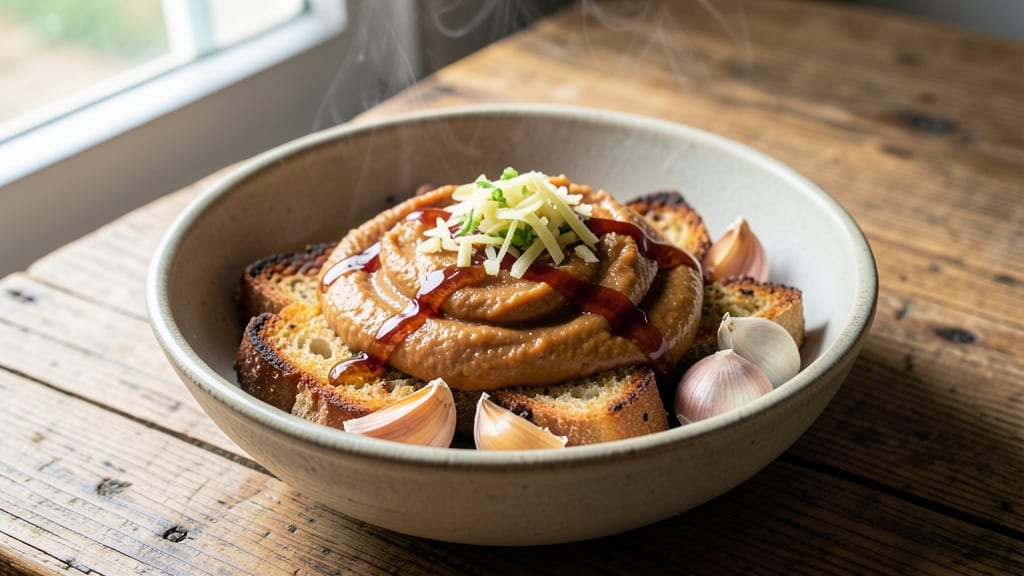
This sweet potato vinegar recipe transforms humble ingredients into a vibrant glaze that elevates roasted vegetables, grilled meats, and even salads. The combination of sweet potato's natural sugars and tangy vinegar creates a balanced, caramelized finish that's impossible to resist.
I developed this recipe after realizing how often I reached for store-bought glazes—until I realized how easy it is to make something even better at home.
The process is straightforward: blend sweet potato puree with vinegar, honey, and aromatic spices, then simmer until thickened into a glossy, sticky consistency. The result is a sauce that's rich enough to stand alone but versatile enough to complement any dish.
What makes this recipe special is its ability to caramelize beautifully when brushed over roasted vegetables, creating a crispy, sweet-tangy crust that's sure to become your new favorite side.
Perfect for weeknight dinners or meal prep, this glaze stays fresh in the refrigerator for up to a week and can even be frozen for longer storage. The sweetness of the potato balances the acidity of the vinegar, while garlic and herbs add depth without overpowering.
Whether you're roasting Brussels sprouts, glazing chicken, or drizzling over tofu, this sauce delivers restaurant-quality results with minimal effort.
Once you try this recipe, you'll never buy store-bought glazes again. The simplicity of the ingredients—just sweet potato, vinegar, honey, and a few pantry staples—makes it accessible, while the technique ensures a professional finish.
Let's get started on creating a glaze that's as easy to make as it is delicious to eat.
Ingredients for sweet potato vinegar
Just ten ingredients transform into a glaze that rivals anything store-bought.
| Ingredient | Amount | Notes |
|---|---|---|
| Sweet Potato Puree 🍠 | 1 cup | Homemade or canned, unsweetened |
| Apple Cider Vinegar 🍏 | ½ cup | Raw, unfiltered preferred |
| Raw Honey 🍯 | ¼ cup | Local honey for depth of flavor |
| Garlic Cloves 🧄 | 3 cloves | Freshly minced, skin-on for texture |
| Fresh Ginger 🌿 | 1 tbsp | Finely grated, peel removed |
| Extra-Virgin Olive Oil 🫒 | 2 tbsp | For richness and balance |
| Low-Sodium Soy Sauce 🍶 | 1 tbsp | For umami depth |
| Fresh Thyme Leaves 🌿 | ¼ tsp | Or 1/8 tsp dried thyme |
| Sea Salt 🧂 | ½ tsp | Diamond Crystal preferred |
| Black Peppercorns 🌶️ | ¼ tsp | Freshly cracked, coarse grind |
Sweet potatoes are the backbone here—organic sweet potatoes from the grocery store's produce section work perfectly, but if you're feeling fancy, grab a few extra at Whole Foods for their vibrant orange hue. The puree should be smooth, so if you're making it from scratch, roast the sweet potatoes until tender, then blend with a splash of water. For vinegar, raw, unfiltered apple cider vinegar gives the best flavor, but white vinegar in a pinch works too. Honey should be raw and local if possible—it adds complexity that store-bought honey can't match. The garlic and ginger are non-negotiable for depth, so don't skip them even if you're short on time.
No raw honey? Maple syrup or agave nectar works in a 1:1 swap, though the flavor will be slightly different. Short on thyme? Fresh rosemary or oregano at the same amount gives a similar earthy note. If you're making this ahead, store the puree and vinegar separately until ready to combine—it keeps for 5 days in the fridge. For the olive oil, avoid light or refined oils—they lack the fruity depth needed here. The soy sauce adds umami, but if you're avoiding it, a dash of fish sauce or coconut aminos works too, though the flavor will shift slightly.
This glaze thickens as it cools, so don't stress if it looks runny right after simmering. Store it in a glass jar with a tight seal—it keeps for 1 week in the fridge and 3 months in the freezer. I like to keep a small jar in the fridge at all times for quick glazing. For best results, reheat gently in a saucepan or microwave until warm. The glaze caramelizes beautifully when brushed over roasted veggies, so save some for that final touch—it's worth the extra minute.
Why You'll Love This Recipe
- No Blender Hassle: I just roast a sweet potato until soft, mash it with a fork, and stir in the vinegar—no puree machine needed. That raw honey ties it all together with just a spoon.
- Tangy-Sweet Balance: The apple cider vinegar cuts through the sweetness while the ginger and garlic add a warm, zesty kick. Honestly, it’s the kind of flavor that lingers in a good way.
- Dress-Up Anything: Drizzle it over roasted greens, toss it with noodles, or even mix it into a marinade—this stuff elevates whatever you pour it on. (Yes, even on a Tuesday night.)
- Lasts All Week: A small jar keeps in the fridge for days, so I make a big batch and use it for salads, soups, or even as a quick glaze. Budget-friendly? Absolutely—just a few pantry staples.
Step-by-step instructions for sweet potato vinegar glaze
This vibrant glaze comes together in minutes with simple techniques for maximum flavor.
Sauté Aromatics Until Fragrant
Heat the 2 tablespoons extra-virgin olive oil in a medium saucepan over medium heat. Add the 3 cloves garlic cloves and 1 tablespoon finely grated fresh ginger, stirring constantly for 2-3 minutes until the garlic turns golden and the ginger loses its raw bite. You'll smell an intoxicating aroma—this is your cue that the aromatics are properly activated.
I like to keep the garlic skin on for texture, but if you prefer smoother results, peel them first. The key here is to cook just until fragrant—not browned. Overcooking turns garlic bitter, and we want that sweet, mellow flavor to shine through in the final glaze.
Combine Wet Ingredients and Simmer
Add the 1 cup sweet potato puree to the pan, stirring to incorporate. Let it cook for 2 minutes until slightly thickened, then pour in the 0.5 cup apple cider vinegar and 1 tablespoon low-sodium soy sauce. Stir well to combine all ingredients.
Bring the mixture to a gentle simmer over medium-low heat, then reduce heat to low. Let it cook uncovered for 8-10 minutes, stirring occasionally, until the liquid reduces by about one-third and becomes slightly syrupy. You're looking for a consistency that coats the back of a spoon but still flows freely—this balance creates that perfect glaze texture.
Sweeten and Season to Perfection
Remove the pan from heat and stir in the 0.25 cup raw honey, 0.5 teaspoon sea salt, and 0.25 teaspoon freshly cracked black peppercorns. Add the 0.25 teaspoon fresh thyme leaves and give everything one final stir. The thyme should be whole leaves—not chopped—so they infuse flavor without becoming bitter.
Here's where it gets good: Let the mixture sit off heat for 5 minutes to allow all the flavors to meld. The honey will continue to soften slightly, and the vinegar's acidity will mellow. Taste and adjust seasoning—you might want to add a pinch more salt or a splash of vinegar if the sweetness feels too dominant.
Strain and Finish the Glaze
Line a fine-mesh strainer with cheesecloth or a coffee filter and strain the glaze into a clean bowl or jar. This step removes any garlic skins or thyme stems, leaving you with a silky-smooth glaze. Press gently on the solids to extract every last drop of flavor.
Let the glaze cool to room temperature before using. If it thickens too much, simply reheat it gently over low heat with a splash of water. This glaze keeps beautifully in the refrigerator for up to 2 weeks, making it perfect for batch cooking. The flavors actually improve as they sit, developing deeper complexity.
Pro Tips For Making Sweet Potato Vinegar
- Simmer Slow and Steady: This isn’t a race—bring the mixture to a gentle boil first, then drop to a low simmer. I learned this the hard way when I rushed it and ended up with a vinegary, unbalanced mess instead of a harmonious blend. Let it bubble quietly for at least 15-20 minutes, stirring occasionally, so the flavors meld properly.
- Peel and Grate Ginger Fresh: Skip the jarred ginger—it’s mushy and lacks the bright zing this recipe needs. Use a microplane or fine grater on fresh ginger, about 1 teaspoon, and add it raw for maximum punch. (Yes, even if you’re impatient like me.)
- Balance the Vinegar Ratio: Start with a 1:2 ratio of sweet potato puree to apple cider vinegar (e.g., 1 cup puree to 2 cups vinegar), then taste as you go. Vinegar can overpower if you’re not careful—adjust by adding honey or a splash more puree until it’s tangy but not sour.
- Infuse Garlic Cold First: Mince the garlic cloves finely and let them sit in the vinegar for 10 minutes before heating. This softens their bite and deepens the flavor without burning. (I was skeptical until I tried it—now it’s non-negotiable.)
Make-ahead tips for this recipe
Prep Ahead Components
Divide your ingredients into two groups to streamline assembly. Store the sweet potato puree and apple cider vinegar in separate airtight containers in the fridge for up to 5 days. This prevents the vinegar from altering the sweet potato's texture prematurely.
When ready to make the glaze, simply combine these with the remaining ingredients—no waiting for ingredients to thaw or soften. 🌱
Batch Cooking Strategy
Double the recipe and freeze half in ice cube trays. Once frozen, transfer the cubes to a ziplock freezer bag for up to 3 months. Thaw overnight in the fridge before using—this works perfectly for quick weeknight meals.
I keep a stash of these in my freezer for those days when I need a fast glaze without sacrificing flavor. The frozen cubes also make portion control easy for smaller applications like drizzling over salads.
Glaze Thickening Tips
If your glaze thickens too much after refrigeration, simply reheat it in a saucepan with 1-2 tablespoons of water over low heat, stirring constantly. For a smoother texture, strain the reheated glaze again through a fine-mesh sieve to remove any congealed bits.
I find this method works best when reheating from the fridge—never microwave, as it can create a skin on the surface and alter the consistency. 💫
Flavor Development Timeline
The glaze tastes best 24-48 hours after making, as the flavors meld and the sweetness mellows. Store it in a glass jar in the fridge, and give it a stir before each use.
For maximum depth, let it sit at room temperature for 10 minutes before using—this allows the aromatics to fully awaken. I like to make a big batch on Sundays so it's ready for the week ahead, and the flavor only gets better with time.
Freezer-Friendly Variations
For a spicier version, add ½ teaspoon of red pepper flakes to the simmering mixture before straining. For a herb-forward twist, swap thyme for 1 teaspoon of fresh rosemary leaves (remove stems after simmering). Both variations freeze beautifully and add exciting flavor profiles to different dishes. Just
Glaze Application Hacks
Use a pastry brush for even coverage on roasted veggies or meats, applying the glaze in two thin layers with a 5-minute rest between applications. This creates a deeper caramelization without overwhelming the dish. For extra shine, add ½ teaspoon of cornstarch to the glaze during the final simmer—it thickens beautifully and gives a glossy finish. I also like to reserve 2 tablespoons of the glaze to drizzle over finished dishes for that restaurant-quality presentation.
Nutrition facts
Frequently asked questions
Can I use regular white vinegar instead of apple cider vinegar?
Yes, you can substitute white vinegar, but the flavor will be milder and less complex. Apple cider vinegar adds a subtle sweetness and depth that complements the sweet potato beautifully. If using white vinegar, consider adding an extra ½ teaspoon of honey or a pinch of cinnamon to enhance the flavor profile.
How do I adjust the sweetness level if I prefer less sugar?
Start by reducing the honey to 2 tablespoons and taste as you go. For a sugar-free option, swap the honey for 2 tablespoons of maple syrup or 1 tablespoon of date syrup. If you want to eliminate sweetness entirely, omit the honey and add an extra ½ tablespoon of vinegar to balance the sweet potato's natural sweetness.
Can I make this glaze without fresh ginger or garlic?
Use ½ teaspoon of ground ginger or 1 teaspoon of garlic powder as substitutes, but the flavor will be less vibrant. For a stronger aroma, add ½ teaspoon of onion powder as well. Fresh ginger and garlic are ideal for depth, but these dried alternatives work in a pinch.
What’s the best way to reheat the glaze if it thickens in the fridge?
Gently reheat the glaze in a small saucepan over low heat with 1-2 tablespoons of water, stirring constantly until smooth. Avoid microwaving, as it can create a skin and alter the texture. For extra smoothness, strain it again through a fine-mesh sieve after reheating. The glaze should return to its perfect drizzling consistency.
Can I use canned sweet potato instead of fresh?
Yes, canned sweet potato works perfectly—just drain and rinse it well to remove excess liquid. Blend it with 1-2 tablespoons of water until smooth for the puree. Avoid sweetened varieties, as they’ll make the glaze too sugary. The texture will be slightly thinner, but it still works beautifully.