
Side Dishes
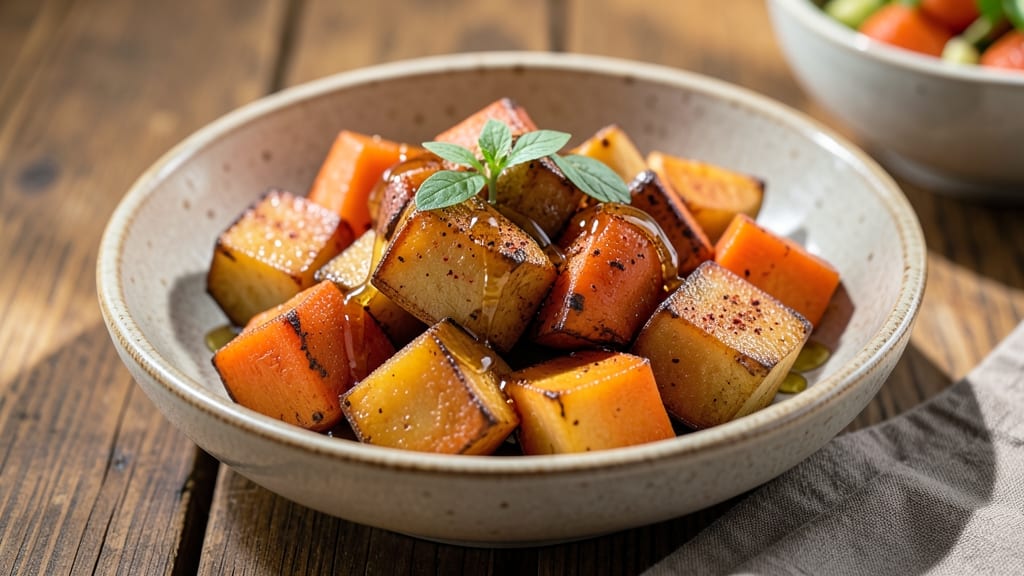
This vegan sweet and earthy turnip, sweet potato, and carrot roast transforms humble root vegetables into a restaurant-worthy side dish with caramelized edges and deep, caramelized sweetness.
The secret lies in roasting them at high heat until tender yet crisp, while a touch of maple syrup and smoked paprika creates that perfect balance of sweetness and smokiness.
I developed this recipe during a particularly chilly autumn when I needed a hearty, satisfying side that would complement any main dish without stealing the spotlight.
The beauty of this recipe is its versatility—it works as a standalone vegetarian main, a side for roasted meats, or even a base for a hearty soup. Sweet potatoes bring natural sweetness, turnips add a subtle earthy depth, and carrots contribute a satisfying crunch.
The roasting process concentrates their flavors, turning them into a rich, caramelized medley that’s impossible to resist. Plus, it’s entirely plant-based, making it perfect for vegan diets or anyone looking for a lighter, nutrient-packed option.
By the time you pull these roasted vegetables from the oven, they’ll be glazed with natural sugars, their edges crispy and golden while the centers remain tender.
The aroma alone will have everyone at the table asking for seconds, and the texture—crispy on the outside, velvety inside—makes it a standout dish.
Serve it alongside grilled chicken, roasted tofu, or even as a hearty bowl on its own with a drizzle of tahini or a sprinkle of fresh herbs.
This recipe is seasonal-friendly—ideal for fall and winter when root vegetables are at their peak. It’s also meal-prep perfect, meaning you can roast a big batch ahead of time and reheat it for days without losing any flavor.
Whether you’re hosting a dinner party or simply craving a comforting side, this dish delivers bold flavor, texture, and versatility in every bite.
Ingredients for turnip sweet potato carrot
Eight root vegetables plus four simple spices. That's all it takes for restaurant-quality flavor.
| Ingredient | Amount | Notes |
|---|---|---|
| Sweet Potatoes 🍠 | 2 lbs | Medium size, peeled and cubed |
| Turnips 🥬 | 1 ½ lbs | Yellow or white, peeled and quartered |
| Carrots 🥕 | 1 ½ lbs | Whole, peeled and cut into sticks |
| Extra-Virgin Olive Oil 🫒 | ½ cup | For roasting, high quality preferred |
| Maple Syrup 🍯 | 2 tbsp | Pure, grade A for best flavor |
| Smoked Paprika 🌶️ | 1 ½ tbsp | For that smoky depth |
| Ground Cinnamon 🌿 | 1 tsp | Enhances natural sweetness |
| Salt 🧂 | 1 ½ tsp | Diamond Crystal preferred |
| Fresh Thyme Leaves 🌿 | 1 tbsp | Or 1 tsp dried thyme |
| Black Pepper 🌶️ | ½ tsp | Freshly cracked for best flavor |
| Vegetable Broth 💧 | ¼ cup | Low-sodium preferred |
The sweet potatoes are your flavor anchors here—orange-fleshed varieties like Beauregard are ideal, but any will work. Turnips add that earthy backbone, so pick firm, heavy ones at the market (the heavier, the sweeter). Carrots? Rainbow carrots add visual pop, but orange or purple work just as well. I always grab my root veggies from local farms when in season—they're sweeter and more flavorful than grocery store imports. If you're buying pre-cut, skip it—cutting them yourself ensures even cooking and better caramelization. The secret to great roasted veggies is uniform size, so take the time to cut everything into similar-sized pieces.
No smoked paprika? Regular paprika plus a pinch of liquid smoke works in a pinch. Short on maple syrup? Agave nectar or coconut sugar (dissolved in a little water) gives similar sweetness. Fresh thyme wilt fast—buy extra and store it properly (wrap in damp paper towels, seal in a bag). The vegetable broth adds moisture without overpowering—low-sodium versions let you control the saltiness. For extra richness, toss in 1 tbsp of tahini with the oil before roasting. And if you're meal prepping, roast an extra batch—these keep beautifully for days.
Roasted veggies taste even better the next day—reheat at 375°F for 10 minutes to restore crispiness. Store in airtight containers for up to 5 days in the fridge, or freeze for 3 months. The maple syrup glaze caramelizes further when reheated, so drizzle with extra olive oil before serving to keep things moist. I always make a double batch—half goes in containers for lunches, and the other half gets served at dinner. The leftovers actually improve with time as flavors meld.
Why You'll Love This Recipe
- One-Pan Magic: I swear by this for nights when I’d rather not wash a million dishes. Toss everything—sweet potatoes, turnips, carrots—on a sheet pan, drizzle with olive oil and maple syrup, and let the oven do the work. That’s it. No chopping boards left sticky, no pots to scrub.
- Sweet & Earthy Harmony: The maple syrup caramelizes into something almost buttery, while the turnips add a sharp, almost peppery bite that cuts through the sweetness. Honestly, it’s the kind of balance that makes you want to eat it straight from the pan—no sides needed.
- Meal Prep MVP: Between us, this is my go-to for lunches all week. Roast a big batch on Sunday, portion it into containers, and you’ve got a hearty, satisfying side (or main) that travels well. Add a sprinkle of salt and pepper, and it’s ready—no reheating drama.
- Budget-Friendly Powerhouse: Turnips and carrots stretch your dollar without sacrificing flavor, and sweet potatoes? They’re practically free at this point. I’ll be real: this recipe keeps my grocery bill low while still feeling like a treat. Plus, the leftovers taste just as good the next day.
Step-by-step instructions for sweet and earthy roasted vegetables
Turn simple roots into a flavor-packed dish with caramelized edges and smoky depth.
Prep the Vegetables for Even Cooking
Start by cutting the 2 lbs sweet potatoes into 1-inch cubes—uniform size ensures they cook at the same rate. I use a sharp chef's knife and cut them into consistent pieces so nothing ends up undercooked or mushy. Peel the 1.5 lbs turnips and cut them into 1-inch chunks, then quarter them for even cooking. For the 1.5 lbs carrots, peel them and cut into 2-inch sticks—this size gives them enough surface area to caramelize beautifully.
Place all the cut vegetables in a large bowl. This is where the magic begins—we're about to create a flavor-packed roast that balances sweetness and earthiness. Don't skip the peeling; the skins on turnips and carrots can be tough and bitter when roasted.
Toss with Oil and Seasonings
In the same bowl, drizzle the ½ cup extra-virgin olive oil over the vegetables and toss gently with your hands until everything is evenly coated. I like to use my hands for this step because it ensures every piece gets that flavorful oil. Add the 2 tbsp maple syrup, 1.5 tbsp smoked paprika, 1 tsp ground cinnamon, 1.5 tsp salt, and ½ tsp black pepper, then toss again until the vegetables are fully coated and glistening.
Here's the thing—smoked paprika and cinnamon are the secret weapons in this dish. They add that perfect balance of smoky warmth and subtle sweetness that makes these vegetables irresistible. Tossing well now means every bite will be packed with flavor.
Roast Until Caramelized
Spread the seasoned vegetables in a single layer on two rimmed baking sheets. I use two sheets to ensure even cooking and prevent overcrowding, which can lead to steaming instead of roasting. Preheat your oven to 425°F while you're arranging the vegetables—this high heat is key for achieving those caramelized edges.
Roast the vegetables for 25 minutes, then give them a good stir. You'll notice the edges starting to turn golden brown—that's the caramelization we're after. After another 15 minutes, check again. The vegetables should be tender when pierced with a fork, with deep golden-brown spots on the edges. If they need more time, return them to the oven for 5-10 minutes more.
Glaze with Maple and Broth
Remove the vegetables from the oven and transfer them to a large bowl. Pour the ¼ cup vegetable broth over the hot vegetables and toss gently to coat. Then add the 1 tbsp fresh thyme leaves and toss again. Return the vegetables to the baking sheets and roast for another 10 minutes at 425°F.
This final step is what elevates the dish from good to amazing. The broth and thyme infuse the vegetables with extra depth of flavor, while the high heat helps create a glossy, caramelized finish. The thyme leaves add a fresh herbal note that brightens up the sweet and smoky flavors.
Serve Warm with Flavorful Edges
Transfer the roasted vegetables to a serving platter and let them rest for 5 minutes before serving. This resting time allows the juices to redistribute, ensuring each bite is tender and flavorful. The vegetables should have deep golden-brown edges with a caramelized sheen, and the aroma should be intoxicating—smoky, sweet, and earthy all at once.
Serve immediately while they're still warm, with a sprinkle of extra fresh thyme if you're feeling fancy. These roasted vegetables are perfect as a side dish or even as a hearty vegetarian main course. The combination of sweet potatoes, turnips, and carrots creates a satisfying texture contrast—creamy sweet potatoes, tender turnips, and crisp-tender carrots—all tied together with that irresistible caramelized crust.
Pro Tips For Making Turnip Sweet Potato Carrot
- CUT TURNIP SLICES THIN: Turnips stay tough if you slice them too thick—aim for ¼-inch rounds. I learned this the hard way after serving rubbery turnips that needed extra chewing. Sweet potatoes and carrots can handle bigger chunks, but turnips need the thinner cut to soften properly.
- ROAST AT 400°F, NOT HIGHER: Cranking the oven to 425°F will burn the edges before the centers soften. Stick to 400°F and give them 35-40 minutes, flipping halfway. The sweet potatoes and carrots will caramelize nicely without turning to charcoal—yes, even if you’re impatient like me.
- PEEL TURNIPS AFTER COOKING: Turnips darken fast when peeled raw, so leave the skins on until after roasting. A quick scrub with a veggie brush works fine—no need for peeling unless the skin’s tough. The peel adds texture, and you won’t waste time dealing with a sad, oxidized turnip pile.
- GLAZE WITH MAPLE LAST 10 MINUTES: Drizzle the maple syrup and olive oil over the veggies only after 25 minutes of roasting. This ensures the glaze caramelizes into a sticky, flavorful crust instead of steaming off into oblivion. (Your future self will thank you for this small tweak.)
Essential equipment for this dish
Rimmed Baking Sheets
You’ll need at least two rimmed baking sheets to roast these vegetables evenly without overcrowding. I recommend 17x13-inch sheets (like USA Pan Half-Sheet Baking Pans) because they provide ample space for a single layer of veggies.
The rims prevent spills, and the heavy-gauge aluminum ensures even heat distribution. If you’re short on space, use one sheet at a time—just rotate the pan halfway through roasting for consistent browning. 🔥
High-Temp Oven Thermometer
A laser thermometer (like the Thermoworks Thermapen ONE) is a game-changer for roasting. Ovens often run hot or cold, and at 425°F, precision matters. I’ve seen home ovens vary by 25°F—too low, and your edges won’t caramelize; too high, and they’ll burn.
Calibrate yours before starting, and check it every 10 minutes during roasting. Pro tip: Place it near the top rack where your sheets will be.
Sharp Chef’s Knife
Cutting 1-inch cubes of sweet potatoes and 2-inch carrot sticks requires a sharp 8-inch chef’s knife (I use Wüsthof Ikon). Dull knives crush veggies, leading to uneven cooking and mushy textures.
Hone your blade before prepping—test it by slicing a leek: if it tears instead of cleanly cutting, it’s time to sharpen. A Wüsthof whetstone keeps it razor-sharp for years. 💪
Mixing Bowls (Large)
Use a stainless-steel bowl (like OXO Good Grips) with at least 8-quart capacity to toss the veggies with oil and seasonings. The rough texture helps grip the slippery sweet potatoes, and stainless steel won’t retain odors like plastic.
For extra grip, add 1 tablespoon of flour to the bowl before tossing—it prevents the veggies from sticking to your hands. A second smaller bowl (for broth/thyme) keeps your workspace organized.
Tongs for Tossing
While hands work for initial coating, long-handled tongs (like OXO Good Grips) are better for stirring during roasting. They let you flip veggies without burning your fingers and reach deep into crowded pans.
I keep a pair by the oven at all times—12-inch length is ideal for rimmed sheets. For extra crispiness, use them to press down on veggies in the last 5 minutes of roasting to enhance caramelization.
Storage Containers (Air-Seal)
Leftovers deserve airtight glass containers (like Pyrex Simply Store) for fridge or freezer storage. Glass preserves flavors better than plastic and reheats evenly. For meal prep, divide into 1-cup portions—each serving reheats perfectly at 375°F for 10 minutes.
Label containers with the date; these veggies stay fresh for 5 days in the fridge or 3 months frozen. Pro move: Add a drizzle of olive oil before sealing to lock in moisture. ✨
Nutrition facts
Frequently asked questions
Can I substitute one of these vegetables if I can't find it?
Swap turnips for parsnips or celery root (both add earthy depth), or replace carrots with beets (roast them separately—they bleed color). For sweet potatoes, regular potatoes work in a pinch, but they won't have the same natural sweetness. The key is maintaining the texture contrast—keep one creamy (sweet potato), one tender-crisp (carrot), and one earthy (turnip).
Why does my recipe turn out mushy instead of caramelized?
Overcrowding or undercooking are the usual culprits. Always spread veggies in a single layer on baking sheets, and roast at 425°F for 40-45 minutes total (not including the glaze step). For extra crispiness, broil for 2-3 minutes at the end. Also, check your oven temp—many run 25°F hot or cold. A laser thermometer solves this instantly!
Can I make this ahead of time for meal prep?
This dish reheats beautifully! Roast as directed, then store in airtight containers for up to 5 days in the fridge. Reheat at 375°F for 10 minutes—the caramelization deepens, and edges crisp up again. For freezing, portion into 1-cup servings and freeze for 3 months max. Thaw overnight in the fridge before reheating.
What's the best way to serve this dish?
These roasted veggies shine as a hearty side for grilled meats, roasted tofu, or black beans. For a complete meal, serve with quinoa or brown rice and a drizzle of tahini-lemon sauce. The smoky-sweet flavors also pair perfectly with spiced lentils or as a topping for vegan tacos. Garnish with fresh cilantro or parsley for brightness.
How can I make this dish spicier?
Boost the heat by adding ½ tsp cayenne pepper or 1 tsp chili flakes with the smoked paprika. For depth, toss in ½ tsp ground cumin and a pinch of cinnamon after roasting. A final sprinkle of flaky sea salt and a squeeze of lime juice before serving adds a tangy kick that balances the sweetness.