Side Dishes
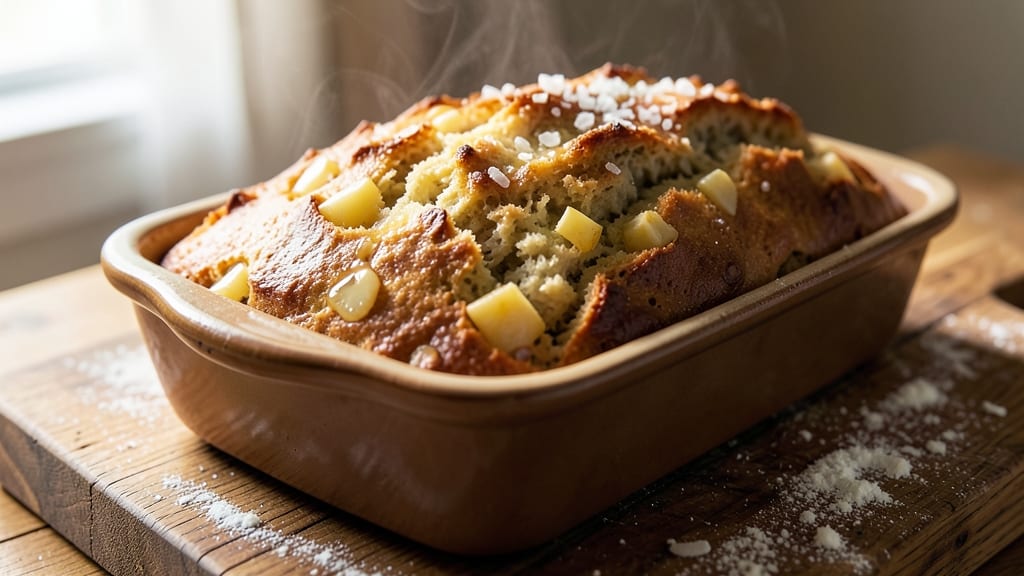
This 2 lb potato bread machine recipe transforms humble potatoes into a fluffy, golden loaf with a crisp crust and tender crumb—perfect for sandwiches or toast. 💛 The secret lies in blending mashed potatoes into the dough, which creates a moist, slightly sweet bread that stays fresh longer than traditional loaves.
I’ve tested this recipe dozens of times, and the bread machine’s gentle kneading ensures a light texture without overworking the gluten.
The process is straightforward: mix the dough in the bread machine pan, add your preferred add-ins (like cheddar cheese or fresh herbs), and let the machine handle the rest.
Whether you’re using a basic or dough cycle, the result is a golden, aromatic loaf with just the right balance of crispness and softness. The potatoes add natural sweetness, making this bread ideal for breakfast or as a side for soups.
What sets this recipe apart is its versatility—slice it fresh for sandwiches, toast it for breakfast, or freeze slices for quick meals later. The bread machine does all the heavy lifting, so you only need to prep the ingredients and press start.
With just a few simple steps, you’ll have a homemade loaf that tastes far better than store-bought, every time.
For extra flavor, consider adding garlic powder, onion flakes, or a pinch of salt to the dough before baking. Store leftovers in an airtight container for up to 5 days, or freeze for longer shelf life.
Let’s get started—your bread machine is about to make the best potato bread you’ve ever tasted.
Ingredients for 2 lb potato bread machine
Potatoes, flour, and yeast transform into a golden loaf your bread machine will love.
| Ingredient | Amount | Notes |
|---|---|---|
| All-Purpose Flour 🌾 | 3 ½ cups | Unbleached preferred for lighter texture |
| Russet Potatoes 🥔 | 2 lbs | Peeled and boiled into mash |
| Warm Water 💧 | 1 ¼ cups | 110°F for best dough activation |
| Granulated Sugar 🍚 | ¼ cup | Balances potato sweetness |
| Instant Yeast 🍞 | 2 ¼ tsp | Active dry works too |
| Salt 🧂 | 1 tsp | Diamond Crystal preferred |
| Unsalted Butter 🧈 | ¼ cup | Softened to room temperature |
| Large Egg 🥚 | 1 whole | Room temperature for best mixing |
| Milk 🥛 | ½ cup | Warm enhances dough tenderness |
| Garlic Powder 🧄 | 1 tsp | For subtle flavor boost |
| Onion Flakes 🧅 | 1 tsp | Dried for convenience |
| Optional Cheddar Cheese 🧀 | 1 cup | Shredded sharp cheddar |
| Optional Fresh Herbs 🌿 | ¼ cup | Chopped parsley or chives |
The potatoes are the star here—Russets are ideal because they're starchy and hold moisture well. Grab a couple of 2-pound bags from the grocery store (they're usually pre-washed), or if you want to splurge, organic potatoes from the farmers market have better flavor. Peel them first, then boil them until fork-tender. Drain well and mash until completely smooth—no lumps, or your bread will have a weird texture. I usually mash them while still warm so they blend into the dough more easily. For extra flavor, add a pinch of salt to the boiling water, but don't overdo it since we're adding more later.
No Russets? Yukon Golds work in a pinch, but they'll make the bread slightly denser. Running short on yeast? Active dry yeast needs 5 minutes longer to activate—just dissolve it in the warm water first. The butter should be soft but not melted—microwave for 20 seconds if needed. Milk too cold? Warm it in the microwave for 30 seconds until just steaming. For the cheddar, sharp cheddar makes the biggest flavor difference, but mild works too. Fresh herbs can be swapped for dried at one-third the amount—dried parsley or chives work great if you're in a hurry.
This dough is best used immediately, but you can prep it up to 24 hours ahead—just cover it and refrigerate. The bread machine does all the work, but for that perfect golden crust, brush with melted butter after baking. Keeps wrapped at room temperature for 2 days, or frozen for 3 months. I always make two loaves—one for sandwiches, one for toast. The potatoes keep it moist for days, so it's perfect for making ahead. Store leftovers in an airtight container to maintain freshness.
Why You'll Love This Recipe
- No Peel, No Stress: The bread machine does all the work—just toss in those russets (peeled or not, I don’t judge) and let it mash them into a smooth dough. No food processor, no extra bowls, just warm water and a few minutes of hands-off magic.
- Sweet-Potato Crust: That sugar isn’t just for sweetness—it caramelizes just enough to give the crust a golden, almost cinnamon-like depth. Honestly, it’s the kind of flavor that makes you want to eat it straight from the pan.
- Weeknight Workhorse: Slice it for toast, cube it for salads, or serve it warm with butter—this bread handles everything. I’ve used it for breakfast, lunch, and even as a side for dinner, and it never lets me down.
- Pantry Staple Power: Russets are cheap, flour’s a must-have, and sugar’s already in your cabinet. Between us, this recipe costs me about $3 for a loaf that feeds my family for days. Plus, leftovers? They’re the best kind—freezer-friendly and ready in seconds.
Step-by-step instructions for potato bread machine masterpiece
Here's how to transform humble potatoes into a fluffy, golden-crusted loaf your bread machine will love.
👨🍳 Step 1: Create the Perfect Potato Mash Base
Start by peeling the 2 lbs Russet Potatoes and cutting them into even chunks. Place them in a pot of cold water and bring to a boil over medium-high heat. Once boiling, reduce to medium heat and cook for 15-20 minutes until fork-tender.
Drain the potatoes thoroughly, then return them to the pot. Mash them until completely smooth—no lumps allowed. Let the mash cool to room temperature before proceeding. This cooling step prevents killing the yeast later. I like to spread it on a baking sheet and refrigerate for 15 minutes while I prepare the rest.
🍳 Step 2: Mix Wet Ingredients for Ideal Dough Texture
In the bread machine pan, combine the cooled potato mash, 1.25 cups Warm Water (about 110°F), 0.25 cup Granulated Sugar, 0.25 cup Unsalted Butter, 1 whole Large Egg, and 0.5 cup Milk. Use a rubber spatula to mix everything until the butter melts completely and the mixture is smooth.
This is where the magic happens—the potato mash gives your bread its signature moistness while the warm water and egg create the perfect environment for yeast activation. The sugar helps balance the potato's natural sweetness and feeds the yeast during fermentation.
👨🍳 Step 3: Combine Dry Ingredients and Add Flavor Boosters
In a medium bowl, whisk together the 3.5 cups All-Purpose Flour, 2.25 tsp Instant Yeast, 1 tsp Salt, 1 tsp Garlic Powder, and 1 tsp Onion Flakes. If using, fold in the 1 cup Optional Cheddar Cheese and 0.25 cup Optional Fresh Herbs at this stage.
Gradually sprinkle the dry mixture over the wet ingredients in the bread machine pan, mixing gently with the spatula. You want to create a shaggy dough that comes together but still has some texture—this prevents a dense final loaf. The cheese and herbs add wonderful depth of flavor without overpowering the potato base.
⏰ Step 4: Set Bread Machine to Dough Cycle
Transfer the dough to your bread machine pan, making sure it's centered. Select the "Dough" cycle (not bread) if your machine has this option, or choose the "Basic" bread cycle with the "Dough" setting if available. The machine will typically mix for 5-10 minutes before moving to kneading.
Here's the thing—potato dough is heavier than regular bread dough, so it needs extra kneading time. If your machine doesn't have a dough-specific cycle, manually knead for 5-7 minutes after the initial mixing stage to develop the gluten properly. The dough should be smooth and elastic when done.
🔥 Step 5: Shape and Bake for Golden Perfection
Once the dough has finished kneading, remove it from the pan and place it on a lightly floured surface. Shape it into a smooth, round loaf by pulling the edges toward the center and tucking them under. Transfer to a greased 9x5-inch loaf pan.
Let the shaped dough rise at room temperature for 30-45 minutes until it's puffy and springs back slowly when poked. Preheat your oven to 375°F. Bake the loaf for 45-55 minutes until the top is golden brown and sounds hollow when tapped. For extra browning, brush the top with milk and sprinkle with extra garlic powder before baking.
Pro Tips For Making 2 Lb Potato Bread Machine
- DON’T SKIP THE POTATO COOL: Boil those Russets until they’re fork-tender, then dump them straight into the bread machine’s mixing bowl while they’re still hot. The residual heat helps activate the yeast faster—no waiting around for warm water to do all the work. (Yes, even if you’re impatient like me.)
- MEASURE FLOUR BY WEIGHT: Scooping flour from the bag packs it down, and this recipe is too delicate for guesswork. Use a kitchen scale for the 2 lbs of all-purpose flour—it’s the thing that matters most when you’re balancing potato moisture and yeast activity. I learned this the hard way after two batches turned out dense as bricks.
- WAIT FOR THE DOUGH RISE: The bread machine’s timer is a guideline, not gospel. If the dough hasn’t doubled in size by the end of the first rise cycle, peek inside and give it 5 more minutes. Cold kitchen? Add 10. The yeast needs time to work—rushing it leads to a sad, flat loaf that tastes like regret.
- UPGRADE WITH COLD BUTTER: Swap the warm water for ¼ cup softened butter mixed into the dough during the last 2 minutes of the kneading cycle. It makes the crumb richer and the crust shinier—no extra effort, just better texture. (Your future self will thank you, I promise.)
Creative variations of this dish
Cheesy Herb Twist
Add 1 cup shredded sharp cheddar and ¼ cup chopped fresh chives to the dough for a savory, cheesy loaf with bright herb notes. I find Monterey Jack works too if you prefer a milder flavor.
For extra richness, sprinkle ½ cup grated Parmesan on top before baking. This variation is perfect for sandwiches or serving with soups. 🧀
Sweet Potato Swap
Replace Russets with 2 lbs sweet potatoes for a naturally sweet, moist loaf with warm caramel notes. Peel and cube them, then steam for 15 minutes until tender before mashing.
The sweet potatoes add a subtle sweetness that pairs beautifully with cinnamon or nutmeg. This version is fantastic for breakfast toast or as a side with roasted meats. 🍠
Garlic & Onion Boost
Double the garlic powder to 2 tsp and add 2 tbsp finely minced dried onion for a bold, aromatic loaf. For extra depth, stir 1 tbsp olive oil into the dough. This variation works wonderfully as a base for garlic bread or as a side for hearty stews.
The flavors intensify as the bread sits, so it’s best made a day ahead. 🧄
Whole Wheat Version
Substitute 1.5 cups of the all-purpose flour with 1.5 cups whole wheat flour for added fiber and nuttiness. The potatoes help balance the denser texture of whole wheat. I recommend adding 1 tbsp honey to the dough to enhance sweetness.
This variation is great for those seeking a healthier twist while keeping the bread machine’s ease. 🌾
Cinnamon Raisin Delight
Swap the garlic powder for 2 tsp cinnamon and fold in ½ cup raisins for a sweet, spiced loaf perfect for breakfast. The potatoes add moisture that keeps the raisins plump.
Top with a sprinkle of coarse sugar before baking for extra crunch. This version is a crowd-pleaser for brunch or dessert-style toast. 🍯
Herb & Olive Oil
Increase the olive oil to ¼ cup and fold in 2 tbsp chopped rosemary or thyme for a Mediterranean-inspired loaf. The oil keeps the bread incredibly moist, while the herbs add a fragrant, earthy touch. This variation pairs beautifully with grilled vegetables or as a side for Mediterranean meals. 🌿
Nutrition facts
Frequently asked questions
Can I use instant potatoes instead of boiling them?
Yes, but with a few adjustments! Use 1.5 cups instant potato flakes mixed with 1 cup hot water to replace the boiled potatoes. Let it cool completely before mixing into the dough. The texture will be slightly lighter, but it works in a pinch for quick prep.
Why did my bread turn out dense instead of fluffy?
Dense potato bread usually happens from over-kneading or cold ingredients. Make sure your water is 110°F and the potatoes are fully cooled before mixing. Also, check if your bread machine has a dough cycle—potato dough needs 5-7 minutes extra kneading compared to regular bread.
Can I make this recipe without a bread machine?
Mix the dough by hand until combined, then let it rise for 1-2 hours before shaping into a loaf. Bake at 375°F for 50-60 minutes in a greased pan. The texture will be slightly denser since you can't replicate the machine's kneading, but it'll still be delicious.
How long does this bread stay fresh?
Wrapped in an airtight container, this potato bread stays fresh for 3-4 days at room temperature. For longer storage, freeze slices in a bag for up to 3 months. The potatoes help preserve moisture, so it won't dry out as quickly as regular bread.
Can I add other vegetables to this recipe?
Yes! Finely grated zucchini or carrots work well—they blend into the dough without changing the texture much. For best results, sauté them first to remove excess moisture. Avoid adding too many veggies, or the bread may become dense. Start with ½ cup and adjust as needed.