
Side Dishes
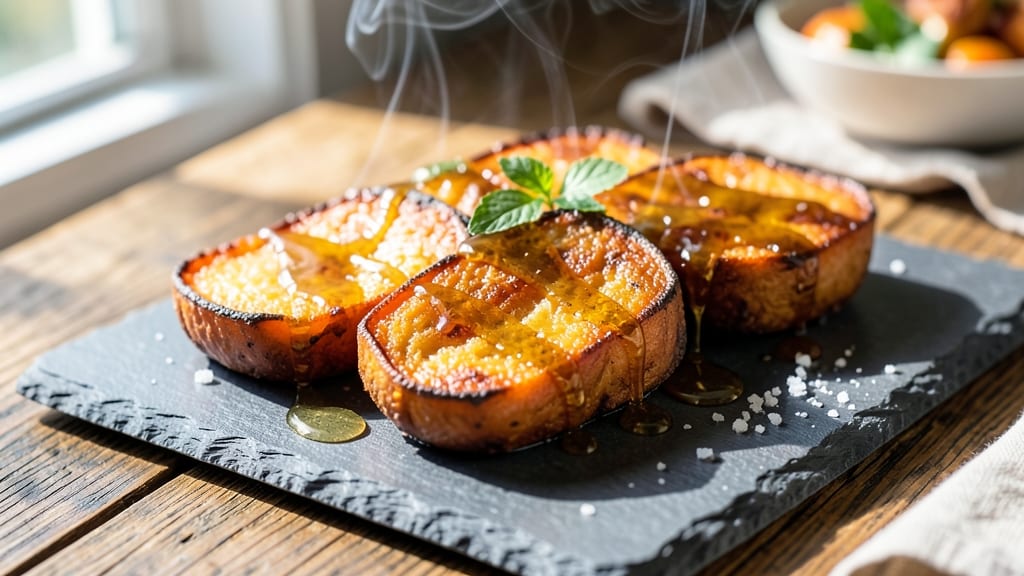
Baked sweet potato medallions transform humble sweet potatoes into restaurant-worthy bites with crispy edges and velvety centers—no fuss, just foolproof foil-sealing. The secret lies in even slicing and high-heat baking, which caramelizes the edges while keeping the interior tender. This technique ensures every medallion delivers that perfect balance of texture and sweetness, making it a crowd-pleaser for any meal.
The foil-sealing method is what elevates these medallions from ordinary to extraordinary. By wrapping the sliced sweet potatoes in foil before baking, you trap steam inside, creating that signature silky interior while the edges crisp to golden perfection.
Seasoning with salt, pepper, and a touch of olive oil is all you need—simple yet effective for highlighting the natural sweetness of the sweet potatoes.
What you’ll end up with is a tray of beautifully caramelized medallions that are crisp on the outside and buttery-soft within.
These medallions hold their shape beautifully, making them ideal for serving as a standalone side or pairing with grilled meats, roasted vegetables, or even as a base for a hearty salad.
The versatility is one of their best features—elevate them with a drizzle of honey or a sprinkle of fresh herbs for added flair.
Ready in just 30 minutes, this recipe is perfect for weeknight dinners or holiday gatherings. The foil-sealing method also makes it a breeze to scale up or down, ensuring you can serve a crowd without extra effort.
Whether you’re looking for a simple side dish or a show-stopping appetizer, these baked sweet potato medallions deliver on both flavor and presentation.
Ingredients for baked sweet potato medallions
Eight simple ingredients transform ordinary sweet potatoes into restaurant-quality medallions with perfect texture contrast.
| Ingredient | Amount | Notes |
|---|---|---|
| Large Sweet Potatoes 🍠 | 2 whole | Medium-sized, peeled and sliced |
| Extra-Virgin Olive Oil 🫒 | 2 tbsp | High-quality, fruity variety |
| Kosher Salt 🧂 | 1 ½ tsp | Diamond Crystal preferred |
| Freshly Ground Black Pepper 🌶️ | ½ tsp | For balanced seasoning |
| Heavy-Duty Aluminum Foil 📄 | 1 sheet | 12-inch size recommended |
| Raw Honey 🍯 | 1 tbsp | Optional drizzle for serving |
| Fresh Rosemary 🌿 | 2 sprigs | For garnish, finely chopped |
| Fresh Thyme 🌿 | 1 sprig | For garnish, finely chopped |
| Garlic Cloves 🧄 | 2 cloves | Minced for optional flavor boost |
The sweet potatoes are the star—choose firm, medium-sized ones with no soft spots. Trader Joe's and Whole Foods carry the best variety, but any grocery store will work. Peeled and sliced into even 1/2-inch medallions, they'll caramelize beautifully. The foil-sealing method is everything here: heavy-duty foil creates that signature steam trap for silky centers. Pro tip: slice them all the same thickness—use a mandoline for precision if you're ambitious, but a sharp knife works too. Freshly peeled potatoes brown faster, so toss them with olive oil immediately after slicing.
No honey? Maple syrup or agave works beautifully for drizzling. Swapping the herbs? Fresh parsley or thyme both pair well—just keep the amount the same. The garlic is optional but adds depth; roast it first for mellow sweetness if you're feeling fancy. For extra crispiness, brush the medallions with a tiny bit more olive oil before sealing. And if you're short on time, microwave the sweet potatoes for 5 minutes first to jumpstart the caramelization. The salt and pepper are non-negotiable—they enhance the natural sweetness without overpowering.
These medallions reheat beautifully—3 minutes at 350°F brings them back to crispy perfection. Store leftovers in an airtight container for 4 days or freeze for 2 months. I always make a double batch: one for dinner, one for lunches. The foil-sealed method means they're ready in minutes—just pop them in the oven and let the magic happen. Garnish with herbs right before serving so they stay vibrant. And if you're serving a crowd, double the recipe—they disappear fast!
Why You'll Love This Recipe
- Foolproof Foil Trick: I swear by this method—just slice, drizzle, and fold. No fancy tools, no stress, and the foil keeps everything tender without drying out. Honestly, I’ve burned sweet potatoes before trying this, so it’s my new non-negotiable.
- Crispy-Creamy Magic: That thin olive oil coating and high-heat bake gives you a caramelized crust while the inside stays buttery soft. It’s the kind of texture that makes you pause mid-bite, and I’ll admit, I’ve been known to eat them straight from the pan.
- Meal Prep MVP: These medallions reheat beautifully—toss them in a container for grab-and-go lunches or pack them in kids’ lunches (yes, even on a Tuesday). They’re sturdy enough to travel but still taste fresh hours later.
- Budget-Friendly Luxury: Sweet potatoes are dirt cheap, and this recipe stretches them further than roasting whole. Between us, I’ve fed four people for under $5 with this, and no one complains about the flavor. That’s a win in my book.
Step-by-step instructions for crispy sweet potato medallions
Here's how to achieve perfectly crispy edges and tender centers every time.
Prep and Season the Sweet Potatoes
Start by peeling the 2 whole large sweet potatoes using a vegetable peeler or sharp knife. Cut them into ½-inch thick medallions—this size ensures even cooking and maximum crispiness. I like to work with a sharp chef's knife for clean cuts, and I always cut against the grain for better texture.
Arrange the medallions in a single layer on a baking sheet. Drizzle the 2 tablespoons of extra-virgin olive oil evenly over them, then sprinkle with the 1.5 teaspoons of kosher salt and 0.5 teaspoon of freshly ground black pepper. Toss gently to coat, making sure every surface gets that flavorful oil and seasoning. The olive oil will help create that gorgeous golden crust while keeping the insides moist.
Foil-Seal for Perfect Texture
Tear off a large piece from the 1 sheet of heavy-duty aluminum foil—about 18 inches square. Place the seasoned sweet potato medallions in the center of the foil in a single layer, leaving space between each piece. This prevents them from sticking together during baking.
Now here's the key technique: fold the foil up around the medallions, creating a sealed packet. Crimp the edges tightly to trap steam inside. This foil-sealing method ensures the medallions cook through evenly while developing that irresistible crispy exterior. The trapped steam keeps the centers silky, while the foil edges create perfect browning.
Bake Until Crispy and Tender
Preheat your oven to 425°F—this high temperature is crucial for achieving that crispy texture. Once preheated, place the foil-sealed packet on the middle rack of your oven. Bake for 25-30 minutes, until the sweet potatoes are fork-tender when pierced with a knife and the foil shows signs of browning.
Here's where attention to detail matters: open the foil carefully after 20 minutes to check for doneness. You'll know they're ready when the edges are golden brown and crispy, while the centers yield slightly to pressure. If they need more time, return them to the oven for another 5 minutes. The foil helps regulate cooking, but you'll still want to monitor for that perfect balance of crispy exterior and tender interior.
Finish with Herbs and Honey (Optional)
Remove the medallions from the foil and transfer them to a serving platter. While still warm, sprinkle with finely chopped 2 sprigs of fresh rosemary and 1 sprig of fresh thyme. The aromatic herbs add a lovely finishing touch that complements the sweetness of the potatoes. For an extra touch of elegance, drizzle with the 1 tablespoon of raw honey just before serving.
If you included the 2 minced garlic cloves in your foil packet (which I recommend for extra flavor), you'll notice their subtle aroma wafting through the dish. The honey not only adds natural sweetness but also enhances the caramelization of the crispy edges. Serve immediately while the medallions are at their peak texture—crispy on the outside, tender and creamy within.
Pro Tips For Making Baked Sweet Potato Medallions
- CUT THICK SLICES: I used to slice them too thin and end up with mushy edges—aim for ½-inch thick medallions (about the width of your thumb). They’ll hold their shape and caramelize properly without falling apart when you flip them.
- SALT BEFORE OIL: Toss the raw slices with salt first, then drizzle the olive oil over them. This lets the salt draw out just enough moisture so the oil clings better and you get that crispy edge instead of a greasy mess.
- FOIL THEM TIGHT: Crumple the foil into a loose ball, then press it flat over the medallions—no gaps. The steam traps heat, and you’ll get even cooking without drying them out. (Yes, it looks ridiculous, but it works.)
- DON’T PEEK UNTIL 20: Resist the urge to check early, even if your oven feels cold. Sweet potatoes need 18-22 minutes at 425°F (400°C) to develop that tender-crisp texture—opening the oven too soon lets heat escape and ruins the timing.
Perfect pairings for these flavors
Protein Pairings
These sweet potato medallions shine alongside grilled or roasted proteins. I love serving them with herb-crusted chicken thighs—the crispy edges complement the tender chicken beautifully. For a lighter option, pair with garlic butter shrimp skewers, where the sweetness of the potatoes balances the briny shrimp. 🌟
If you're serving beef, try reverse-seared ribeye—the rich, caramelized crust of the steak contrasts perfectly with the sweet potato's natural sweetness. For a vegetarian spread, crispy tofu bites with a soy-ginger glaze work wonderfully. The key is balancing textures: crispy medallions with juicy, tender proteins.
Vegetable Companions
Roasted Brussels sprouts with balsamic glaze add a tangy contrast that cuts through the sweetness. I often toss them in 2 tablespoons balsamic vinegar and 1 tablespoon maple syrup, then roast at 400°F for 20 minutes. The caramelized edges mirror the medallions' texture, creating a cohesive plate.
For a fresh twist, serve with a cucumber-avocado salad—slice 1 cucumber and 1 avocado, toss with lime juice, salt, and cilantro. The cool, creamy avocado balances the warm, crispy potatoes.
Another favorite is charred asparagus with lemon zest—just toss 1 bunch asparagus in 1 tablespoon olive oil, roast at 425°F for 12 minutes, and finish with lemon. ✨
Cheese and Bread Pairings
A sharp aged cheddar or goat cheese adds depth to the dish. I like crumbling ½ cup sharp cheddar over the medallions just before serving, letting it melt slightly from the residual heat. For a vegetarian option, whipped goat cheese with a drizzle of honey creates a creamy, tangy contrast.
Warm crusty sourdough bread is a must—toss it with garlic butter and toast until golden. The bread soaks up any extra honey or herbs, making it a perfect companion. If you're feeling fancy, serve with baguette slices topped with provolone and caramelized onions for a sweet-savory bite. 💛
Dessert Pairings
For a sweet finish, serve with dark chocolate-dipped strawberries—the tartness of the strawberries and bitterness of the chocolate complement the caramelized sweetness of the potatoes. I melt 100g dark chocolate (70% cocoa) with 1 tablespoon coconut oil, then dip 12 strawberries, letting them cool on parchment paper.
Another crowd-pleaser is vanilla bean ice cream with a sprinkle of crushed pistachios. The cool creaminess balances the warm, crispy medallions, while the pistachios add a nutty crunch. For a lighter option, lemon sorbet with a mint garnish keeps things refreshing and bright. 🍫
Nutrition facts
Frequently asked questions
Why do the medallions need to be foil-sealed?
The foil-sealing creates a steam trap that keeps the centers silky while the edges crisp up beautifully. Without it, you risk dry or unevenly cooked medallions. The high heat of 425°F works with the foil to caramelize the edges perfectly while maintaining moisture inside.
Can I use regular potatoes instead of sweet potatoes?
While you can use regular potatoes, they lack the natural sweetness and creamy texture that makes sweet potatoes ideal. For best results, stick with sweet potatoes—they caramelize more beautifully and have a superior flavor profile when baked this way.
How do I fix medallions that are mushy instead of crispy?
Mushy medallions usually mean they overcooked. The key is checking at 20 minutes and removing them when edges are golden but centers are still slightly firm. If they're already too soft, try baking at 400°F next time for 20-25 minutes total.
Can I make these ahead of time?
Bake them fresh and store in an airtight container for 4 days in the fridge. To reheat, pop them in a 350°F oven for 3-5 minutes until crispy again. For freezing, bake first, then freeze for up to 2 months—reheat directly from frozen at 375°F for 8-10 minutes.
What's the best way to slice them evenly?
Use a sharp chef's knife and cut against the grain for cleaner slices. For perfect ½-inch medallions, a mandoline works best, but measure each slice with calipers if you're precise. Uneven slices mean some will overcook while others stay underdone.