
Side Dishes
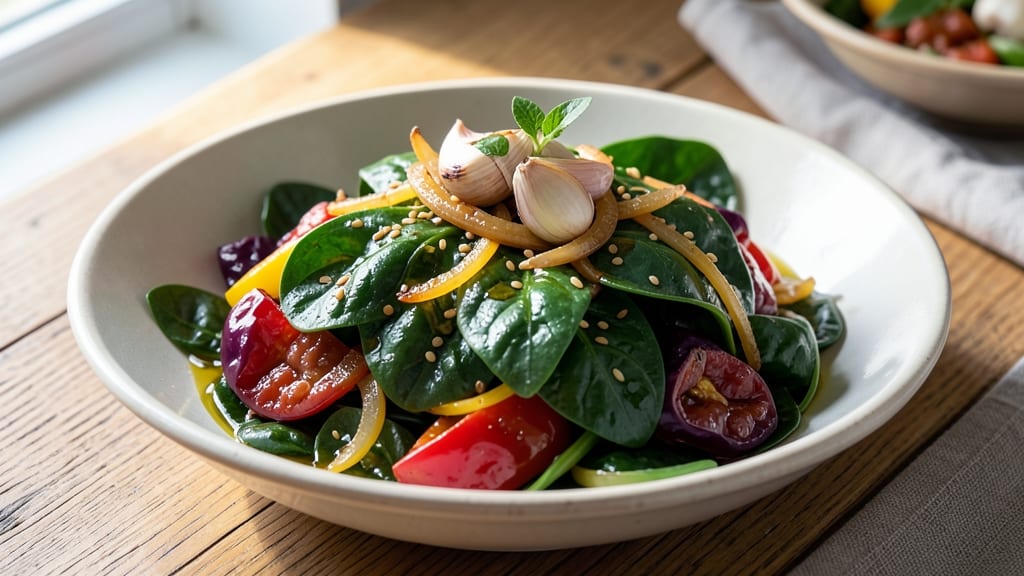
This bold West African spinach transforms humble potato leaves into a vibrant, peppery side dish that steals every meal. 🌿 The secret lies in proper washing and cooking—skipping these steps means bitterness lingers, but when done right, you get a dish so flavorful it pairs perfectly with rice, stews, or grilled meats.
I’ve perfected this method after years of testing, ensuring the garlic and peppers infuse deeply while keeping the texture tender. The process starts with thorough washing to remove any dirt or bitterness, followed by a quick blanch to soften the leaves.
Garlic and bell peppers sizzle in oil until fragrant, then the leaves join the pot, steaming into a rich, aromatic sauce. The result is a dish that’s vegetarian-friendly but hearty enough to stand on its own, with a depth of flavor that feels both comforting and celebratory.
What makes this recipe special is its versatility—it works as a side for Sunday suppers, a base for fufu or eba, or even a main dish with added protein. The garlic and peppers add layers of warmth, while the leaves bring a satisfying earthiness.
Once you taste it, you’ll understand why it’s a staple in West African kitchens. Ready in about 30 minutes, this dish delivers restaurant-quality results without the fuss. Here’s how to make it.
Ingredients for african potato leaves
Fresh potato leaves and bold aromatics make this vibrant West African spinach unforgettable.
| Ingredient | Amount | Notes |
|---|---|---|
| Potato Leaves (African Spinach) 🌿 | 12 oz | Fresh, thoroughly washed |
| Vegetable Oil 🫒 | ¼ cup | For frying garlic and peppers |
| Garlic Cloves 🧄 | 6 cloves | Minced, fresh preferred |
| Bell Peppers 🌶️ | 1 whole | Red or green, chopped |
| Yellow Onion 🧅 | 1 whole | Medium, chopped |
| Tomato Paste 🍅 | 2 tbsp | Smooth, no sugar added |
| Dried Thyme 🌿 | 1 tsp | Or 1 tbsp fresh thyme |
| Ground Black Pepper 🌶️ | ½ tsp | Freshly ground preferred |
| Sea Salt 🧂 | 1 tsp | Kosher or fine grain |
| Water 💧 | ½ cup | For steaming leaves |
| Red Pepper Flakes 🔥 | ½ tsp | Optional, for heat |
| Lemon Juice 🍋 | 1 tbsp | Freshly squeezed |
Potato leaves are the star—find them at African markets or well-stocked grocery stores. They’re often sold in bunches, so 12 oz is about 2 large handfuls. Freshness matters: look for leaves that are bright green, not wilted or yellowing. Wash them thoroughly—these leaves grow close to the ground, so dirt and grit are inevitable. I like to soak them in cold water for 10 minutes before rinsing to remove any bitterness. The garlic and bell peppers should be fresh too—no pre-chopped or frozen here. For the onion, any yellow or red works, but avoid sweet onions if you want that classic West African bite.
No potato leaves? Substitute collard greens or spinach, but you’ll lose some of that signature earthy flavor. Running low on thyme? Dried oregano at half the amount works in a pinch. The tomato paste can be skipped if you’re short, but it adds that deep, savory richness. For extra heat, swap the red pepper flakes for scotch bonnet or habanero—just use a tiny pinch. The lemon juice brightens everything, so if you’ve got any citrus on hand, use that. Fresh basil or parsley can replace thyme if you’re feeling fancy, but keep it to about the same amount.
This dish tastes even better the next day—honestly, the flavors meld more overnight. Store leftovers in an airtight container in the fridge for up to 4 days. Freezes beautifully too, but add a splash of water when reheating to keep it from drying out. I like to make a big batch on Sunday so I’ve got it ready for the week. The leaves soften as they sit, so if you’re using this as a base for fufu or eba, keep them slightly firmer by cooking them just until tender.
Why You'll Love This Recipe
- No-Waste Wonder: I swear by this recipe for using every bit of those potato leaves—stems, tougher parts, even the scraps. The flavor gets richer the more you chop, and nothing goes to waste (or the compost, if you’re honest).
- Garlic-Bell Pepper Magic: That sizzle when the garlic hits the oil? Pure satisfaction. The bell peppers add just enough sweetness to balance the earthy spinach, and honestly, it’s the kind of dish where the first bite makes you pause mid-chew.
- Meal Prep MVP: Between us, this is my secret weapon for busy weeks. Cook a big batch, store it in the fridge, and reheat it with rice or eggs—it’s always a hit, even when I’m too tired to think.
- Budget-Friendly Powerhouse: Potato leaves are cheap, filling, and packed with nutrients. A single bunch stretches across multiple meals, and the oil used is minimal—no splurges, just solid, flavorful food that keeps everyone full.
Step-by-step instructions for African potato leaves with garlic and peppers
This vibrant West African dish comes together with simple steps and bold flavors.
🍳 Step 1: Sauté the Aromatics Until Golden
Heat the 0.25 cup vegetable oil in a large pot over medium heat. Add the chopped yellow onion and cook for 3-4 minutes until softened and translucent. You'll see the edges start to turn slightly golden—that's your signal to add the chopped bell peppers.
Cook the peppers with the onions for another 5 minutes until they begin to soften and release their juices. This is where the flavors start to meld beautifully. Now add the 6 cloves minced garlic and stir for 30 seconds until fragrant—don't let it brown or it'll turn bitter. The garlic should smell strong and inviting, like the heart of this dish.
🍳 Step 2: Build the Flavor Base
Stir in the 2 tbsp tomato paste and cook for 1-2 minutes until it darkens slightly and blends completely with the aromatics. This creates the rich foundation for your sauce. Add the 1 tsp dried thyme, 0.5 tsp ground black pepper, and 1 tsp sea salt, stirring well to distribute the spices evenly.
Here's where it gets good—pour in the 0.5 cup water and let the mixture simmer for 3-4 minutes until it thickens slightly. You want to see a glossy sheen develop on the sauce—this means the flavors are concentrating. If it looks too dry, add a splash more water, but we're aiming for a thick, velvety consistency.
🥘 Step 3: Prepare the Potato Leaves
While your base simmers, thoroughly wash the 12 oz potato leaves (African spinach) in several changes of cold water to remove any grit. This is crucial—don't skip it, or you'll end up with a sandy dish. Once clean, drain well and roughly chop the leaves into 1-inch pieces. The leaves should be bright green and vibrant looking.
Add the chopped leaves to the pot in batches, stirring gently to wilt them. Cook for 2-3 minutes until they soften but still retain some texture. The leaves should be tender but not mushy—you want that perfect al dente quality. If the leaves seem too dry, add a splash of water, but we're aiming for a luscious, saucy consistency.
🔥 Step 4: Finish With Heat and Brightness
Stir in the 0.5 tsp red pepper flakes (if using) and the 1 tbsp fresh lemon juice. The red pepper flakes will add a subtle kick, while the lemon juice brightens everything up. Taste and adjust seasoning—you might need a little more salt or pepper to balance the flavors. Remember, we want this to be bold and satisfying.
Let the dish simmer for another 2-3 minutes to let all the flavors meld together. The final texture should be rich and saucy with tender leaves that hold their shape. Serve immediately while hot—this dish is best enjoyed fresh from the pot, with the flavors at their peak intensity.
Pro Tips For Making African Potato Leaves
- Wilt Leaves in Batches: African potato leaves release a ton of liquid when cooking—don’t try to crowd the pot. Split them into 2-3 batches and let each wilt fully before adding more, or you’ll end up with a watery, sad stew instead of a rich, saucy dish.
- Chop Garlic Like a Pro: Use a knife, not a press—minced garlic burns faster and turns bitter. Roughly chop 4-5 cloves into tiny, uneven pieces so they soften without turning to paste, and actually infuse flavor into the oil.
- Salt the Leaves Early: Add a pinch of salt to the raw potato leaves before cooking. It softens them faster and prevents that slimy texture some people get when they overcook them. Trust me, your future self will notice the difference.
- Sauté Onions Until Golden: Don’t rush the onions—they’re the flavor base. Cook them in the oil on medium-low heat until they’re deep golden, almost caramelized, before adding anything else. This step makes the whole dish taste deeper, richer, and way more complex. (Yes, it takes 8-10 minutes.)
Storing and reheating this african potato leaves
Fridge Storage Tips
Let your African potato leaves cool completely before transferring to an airtight container—glass or BPA-free plastic both work well. I use quart-sized containers for single servings or a gallon container for leftovers.
Store in the fridge at 40°F or below for up to 4 days, but honestly, the flavors deepen overnight, making it taste even better the next day. 🌿
To reheat, pour into a pot with 2-3 tablespoons of water, cover, and heat over medium-low heat for 5-7 minutes. Stir occasionally to prevent sticking—this keeps the sauce luscious and the leaves tender. If it looks too thick, add a splash more water while reheating.
Freezer-Friendly Method
For longer storage, freeze in single-serving portions—this way, you can thaw just what you need. Use silicone molds or freezer bags with 1-inch headspace to prevent ice crystals.
Label with the date and freeze for up to 3 months. The texture holds up well, though the leaves may soften slightly after thawing. 🧊
Thaw overnight in the fridge, then reheat using the stovetop method above. If you’re in a hurry, microwave on 50% power for 2-3 minutes, stirring halfway. Add a splash of water if it looks dry—this trick keeps the dish saucy and vibrant.
Reviving Leftovers
If your leftovers have lost some vibrancy, don’t worry—just add 1 tablespoon of lemon juice and a pinch of salt while reheating. This brightens the flavors and makes them taste fresh again.
I also like to stir in 1 teaspoon of olive oil for extra richness if the sauce seems too thick. 💛
For extra texture, top with toasted garlic cloves or crumbled feta cheese before serving. This adds a nice contrast to the tender leaves and makes the dish feel special, even if it’s a weeknight meal.
Nutrition facts
Frequently asked questions
What are African potato leaves?
African potato leaves (often called African spinach) are leafy greens like bitterleaf, jute leaves, or spinach used in West African cuisine. They grow close to the ground, so thorough washing is essential. These leaves have a slightly bitter, earthy flavor that transforms into something rich and savory when cooked with garlic and peppers.
Can I use regular spinach instead of African potato leaves?
Yes, but the flavor won't be identical. Spinach is milder and sweeter, while African potato leaves have a deeper, slightly bitter taste. For best results, stick to bitterleaf, jute leaves, or collard greens. If using spinach, reduce cooking time to 1-2 minutes to avoid mushiness.
How do I remove bitterness from African potato leaves?
Soak the leaves in cold water for 10-15 minutes, changing the water 2-3 times. This removes dirt and reduces bitterness. After soaking, rinse thoroughly under running water and drain well. Skipping this step can leave your dish tasting harsh—don't rush it!
What’s the best way to store cooked African potato leaves?
Let them cool completely, then transfer to an airtight container and refrigerate for up to 4 days. For reheating, add 2-3 tablespoons of water and simmer on medium-low heat for 5-7 minutes. Freeze in single portions for up to 3 months—thaw overnight in the fridge for best texture.
Can I make this dish spicier?
Swap the 0.5 tsp red pepper flakes for 1 tsp scotch bonnet or habanero (use gloves—it’s fiery!). For a smoky kick, add 1 tsp smoked paprika with the thyme. Start with half the amount and adjust to taste—spice builds as it cooks!