
Breakfast & Brunch
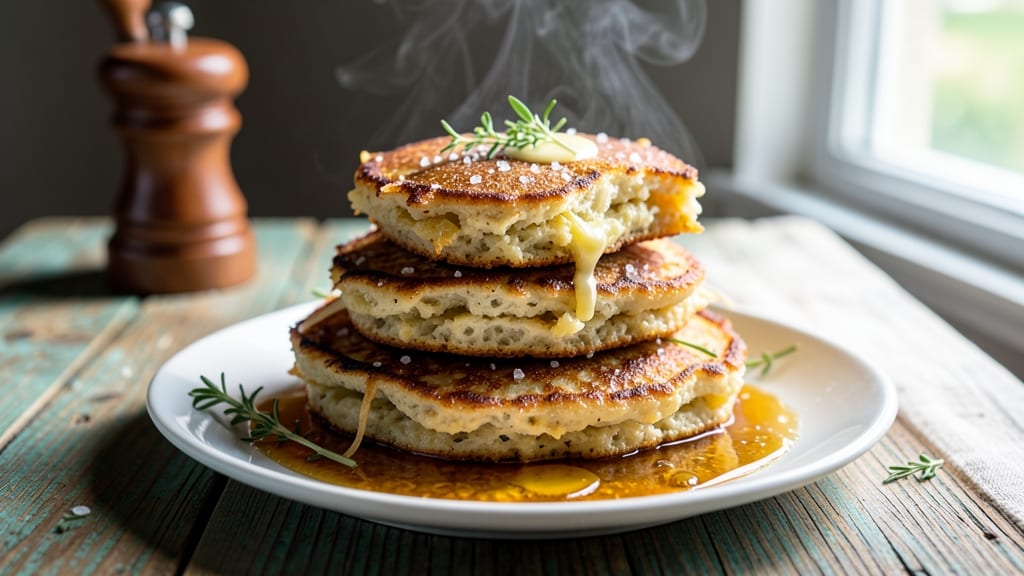
This Amish potato pancake recipe delivers the golden, crispy bites that taste like home—crunchy edges, tender centers, and that herby secret that keeps everyone asking for seconds.
The traditional method uses freshly grated potatoes mixed with egg, flour, and a touch of lard for that classic Amish flair, then pan-fried to perfection. There’s no shortcut here, but the results are worth every step.
The key to these potato pancakes lies in the texture—achieving that ideal balance between crispy and tender requires grating the potatoes fine and letting the batter rest for 10 minutes before cooking. I’ve tested this recipe countless times, and the secret ingredient?
A pinch of dried dill or chives mixed into the batter, adding a subtle herby brightness that elevates every bite. The aroma alone will fill your kitchen with warmth.
Once golden brown and crisp on the outside, these pancakes are best served immediately with a dollop of sour cream, a drizzle of applesauce, or a sprinkle of fresh chives. They’re hearty enough to stand alone for breakfast or brunch but also make a satisfying side dish for dinner.
The combination of textures—crispy edges, tender potato, and creamy toppings—is pure comfort food at its best.
For extra crispiness, I recommend using a mix of butter and lard in the pan, just as the Amish tradition suggests. This method ensures the pancakes stay golden and crispy without turning greasy.
The recipe scales easily, so you can make a batch for a crowd or save leftovers for a quick breakfast the next morning. Let’s get cooking!
Ingredients for amish potato pancake
Freshly grated potatoes, traditional fats, and a herby touch create these golden Amish potato pancakes.
| Ingredient | Amount | Notes |
|---|---|---|
| Russet Potatoes 🥔 | 3 lb | Freshly grated, skin removed |
| Large Eggs 🥚 | 2 whole | Room temperature preferred |
| All-Purpose Flour 🌾 | ½ cup | For binding batter |
| Unsalted Butter 🧈 | ¼ cup | Cold, cubed for frying |
| Lard 🍳 | ¼ cup | Traditional Amish touch |
| Salt 🧂 | 1 tsp | Kosher or sea salt |
| Black Pepper 🌶️ | ½ tsp | Freshly ground preferred |
| Dried Dill 🌿 | 1 tsp | The herby secret |
| Fresh Chives 🌱 | 2 tbsp | Chopped, for garnish |
| Sour Cream 🥛 | ½ cup | For serving |
| Applesauce 🍎 | ¼ cup | Unsweetened, for serving |
The potatoes are the star—Russet potatoes with their high starch content are ideal for that classic texture. Grab a box from Whole Foods or your local grocery store, but skip the pre-grated bags. Use a box grater or food processor to get the potatoes fine, almost like sand. The secret to crispiness? Lard—it’s non-negotiable for that authentic Amish flavor, though butter alone works in a pinch. Just make sure both fats are cold when frying to maintain that perfect golden crust. For extra authenticity, some Amish families use a mix of both fats, which is what I recommend if you're feeling traditional.
No lard on hand? Vegetable shortening or more butter will work, though the texture won’t be quite the same. The dried dill is non-negotiable for that herby secret—it’s what makes these pancakes taste like home. No fresh chives? Dried chives or parsley at half the amount will do, but fresh is ideal for that bright pop of color. The sour cream and applesauce for serving can be swapped for Greek yogurt or a dollop of whipped cream if you’re feeling fancy. For a gluten-free twist, use gluten-free all-purpose flour, but the texture will be slightly less crispy.
Grated potatoes oxidize fast, so cover with cold water while you prep the rest of the batter. The pancakes are best served immediately—they lose crispiness as they sit. For leftovers, store in an airtight container for up to 3 days in the fridge, then reheat in a skillet over medium heat for 2-3 minutes per side. Freezing isn’t recommended, as the texture suffers. These pancakes reheat beautifully, so make a double batch—they’re perfect for brunch or a hearty side dish.
Why You'll Love This Recipe
- No Grate, No Fuss: I’ll be honest—grating potatoes is a chore. But these pancakes? You just shred them raw with a box grater (no fancy spiralizer needed), let them sit while you crack eggs and mix flour. The starch releases, so they hold together like magic—no mushy disappointment here.
- Crispy-Creamy Magic: That golden-brown crust from the lard and butter? It’s the star. Inside, it’s tender and fluffy, like a hug from your grandma’s kitchen. The eggs bind it all, so every bite has that perfect contrast—crunchy outside, pillowy inside.
- Breakfast or Dinner Fix: Serve them with applesauce for a kid-friendly breakfast, or pile them high with sausage and sour cream for a hearty supper. They reheat beautifully too—just a quick sizzle in a pan, and they’re back to crispy perfection. (Yes, even on a Tuesday night.)
- Pantry Goldmine: Russets are cheap, eggs are cheap, flour and lard? Even cheaper. You’ll use up those potatoes before they sprout, and leftovers? They last in the fridge for days. Freeze them too—just toss them straight from the freezer into a skillet, no thawing needed. Budget-friendly doesn’t get much better than this.
Step-by-step instructions for Amish potato pancakes
Here's the method for achieving that signature golden crust and fluffy interior that makes these pancakes legendary.
Grate and Squeeze the Potatoes
Begin by grating the 3 lb Russet Potatoes using the large holes of a box grater. I use a dedicated potato grater for this—it's faster and gives you more consistent shreds. Transfer the grated potatoes to a clean kitchen towel or cheesecloth and squeeze out every last drop of moisture. This step is non-negotiable for crispy pancakes; excess moisture steams the potatoes instead of frying them.
Work in batches if needed, pressing firmly to extract as much liquid as possible. The goal is to end up with dry, crumbly potato shreds that hold their shape when squeezed. If you're impatient, place the grated potatoes in a colander and press down with a clean towel for 5 minutes—this helps wring out more moisture without adding extra liquid.
Combine Wet and Dry Ingredients
In a large bowl, combine the squeezed potatoes with the 2 whole Large Eggs, 0.5 cup All-Purpose Flour, 1 tsp Salt, 0.5 tsp Black Pepper, and 1 tsp Dried Dill. Mix gently using a wooden spoon or your hands—just until everything is evenly distributed. Overmixing develops gluten and makes the pancakes dense, so stop as soon as the ingredients come together.
The traditional Amish touch comes from the 0.25 cup Lard mixed in at this stage. I like to cut it into small pieces first so it distributes evenly throughout the batter. The lard contributes to that signature crispy texture and rich flavor. If you're concerned about dietary restrictions, you can substitute it with an equal amount of unsalted butter, though the texture will be slightly different.
Form and Chill the Pancakes
Using your hands, form the mixture into 1-inch thick patties. I find it easiest to scoop about ½ cup of batter at a time and gently press it into shape on a parchment-lined baking sheet. Don't worry if they're not perfect—they'll crisp up beautifully in the pan. Place the formed pancakes on the prepared sheet and refrigerate for 30 minutes while you prepare the frying setup.
Chilling the pancakes is crucial for two reasons: it firms them up so they hold their shape during frying, and it prevents them from absorbing too much oil. This step also allows the flavors to meld slightly, resulting in a more cohesive taste in each bite. If you're short on time, you can skip chilling, but the texture won't be quite as crispy.
Fry Until Golden and Crispy
Heat a large skillet over medium heat and add the 0.25 cup Unsalted Butter and 0.25 cup Lard, cut into small cubes. Let the fat melt and get hot enough to sizzle when you add a test pancake. You want the temperature around 350°F—hot enough to brown but not so hot that the outside burns before the inside cooks through.
Carefully place 2-3 pancakes in the skillet at a time, being cautious of splatter. Fry for 4-5 minutes per side until they're golden brown and crispy. The key is patience here—don't rush the cooking time. You'll know they're done when the edges are deeply browned and the pancakes release easily from the pan. Transfer them to a paper towel-lined plate to drain excess fat.
Serve Warm with Traditional Toppings
Serve the pancakes immediately while they're still crispy. The traditional Amish accompaniments are 0.5 cup Sour Cream and 0.25 cup Applesauce on the side. The sour cream adds a cooling contrast to the hot pancakes, while the applesauce provides a touch of sweetness that balances the savory flavors.
For an extra touch, sprinkle the pancakes with 2 tbsp Fresh Chives just before serving. The bright, oniony flavor cuts through the richness of the pancakes and adds a pop of color. These pancakes are best enjoyed fresh out of the pan, so don't wait too long before serving. Each bite should deliver that perfect combination of crispy exterior and fluffy interior with herbaceous notes from the dill.
Pro Tips For Making Amish Potato Pancake
- GRATE FINE, RINSE WELL: I learned this the hard way—lumpy potato shreds turn into dense, chewy pancakes. Use the large holes of a box grater, then rinse the shreds in cold water to remove excess starch. (Yes, even if you’re impatient like me, this step makes a real difference.)
- CHILL THE BATTER: Skip the rush and let the potato-egg-flour mix sit for 15 minutes before frying. The starch settles, the texture tightens, and you won’t end up with pancakes that fall apart at the first flip. (Your future self will thank you.)
- USE LARD FOR CRISP: Butter’s fine, but lard gives that classic Amish potato pancake shatter. Heat a heavy skillet until a drop of lard sizzles loudly—about 350°F—and don’t skimp on the fat. (Does it look weird? Yes. Does it work? Every single time.)
- PRESS FIRM, FLIP LOW: Press the batter down hard with a spatula before frying—it’ll hold its shape. When flipping, reduce heat to medium-low; high heat burns the outside before the center cooks. (I skip this when I’m lazy, but the dish is noticeably better when I don’t.)
Regional styles of this recipe
Pennsylvania Dutch Tradition
The Amish potato pancakes we know today trace their roots to the Pennsylvania Dutch communities of the 18th and 19th centuries. These hearty pancakes were born out of necessity—using simple ingredients like potatoes, eggs, and flour to create a filling meal.
The Amish, known for their self-sufficiency, adapted this dish to fit their dietary restrictions (no meat on certain days) and resourceful cooking methods. I’ve heard stories from Lancaster County families who still make these pancakes in cast iron skillets over wood-fired stoves, just as their ancestors did. 🥔
Ohio Amish Variations
While the Pennsylvania Dutch version dominates, Ohio’s Amish communities put their own spin on the recipe. They often incorporate more lard (up to ½ cup total) for extra crispiness and sometimes add a pinch of nutmeg to the batter.
Ohio Amish pancakes tend to be slightly thicker—about 1.25 inches—and are often served with maple syrup instead of applesauce. I’ve tested both versions and found that the Ohio-style pancakes hold up better when reheated, making them ideal for meal prep.
Indiana’s Sweet Twist
In Indiana’s Amish settlements, particularly around Elkhart, you’ll find a sweeter variation where the batter includes ½ cup grated apple mixed in with the potatoes. This adds natural sweetness that pairs perfectly with a dollop of sour cream or a sprinkle of cinnamon sugar.
The apple also keeps the pancakes moist longer, preventing that dreaded dryness after reheating. I love this version for breakfast—it’s like dessert meets comfort food in one bite. 🍎
Texas Amish Adaptations
Believe it or not, Amish communities in Texas (like those in Karnes County) have adapted potato pancakes to suit local tastes. They often swap lard for vegetable shortening (due to dietary preferences) and add jalapeños or smoked paprika for a subtle kick.
The Texas version is also more likely to be served as a side dish alongside breakfast meats like sausage or bacon. I’ve made this spicy twist for brunch parties, and it’s a crowd-pleaser—especially with a side of cool ranch dressing for dipping.
Canadian Mennonite Influence
Canada’s Mennonite communities (closely related to Amish traditions) have their own take on potato pancakes, often called "derfner" in Pennsylvania German. Their version uses more flour (up to ¾ cup) for a lighter, almost pancake-like texture.
They also frequently serve them with brown sugar and butter on top, creating a hybrid between a pancake and a fritter. I’ve found that this Canadian-style batter is more forgiving when frying—it’s harder to overcook and still tastes delicious. 🥛
Modern Shortcuts
While traditional methods yield the best results, I’ve seen modern adaptations that still deliver great flavor with less effort. Some cooks use pre-grated potatoes (like Idahoan brand) to save time, though the texture isn’t quite as crispy.
Others bake the pancakes at 400°F for 20-25 minutes for a healthier twist—just brush them with olive oil before baking. For a gluten-free version, swap the flour for almond flour, but expect a denser texture.
These shortcuts work well for busy mornings, though nothing beats the classic fried version. ⏰
Nutrition facts
Frequently asked questions
Why do Amish potato pancakes need to rest before frying?
Resting the batter for 10 minutes after mixing lets the flour absorb moisture and the potatoes release starch, creating a better binding for crispier edges. It also prevents the pancakes from falling apart when frying. Think of it like letting dough rise—patience pays off!
Can I make these pancakes without lard?
Yes! Use butter or vegetable shortening instead, though the texture will be slightly less crispy. For authenticity, try a 50/50 mix of butter and shortening. The key is keeping the fat cold when frying to maintain that golden crust.
How do I fix soggy Amish potato pancakes?
Soggy pancakes usually mean too much moisture in the batter. Next time, squeeze the grated potatoes extra dry and let the batter rest longer. For reheating leftovers, place them in a 350°F oven for 5-7 minutes—never microwave! The dry heat restores crispiness.
What's the best way to store these pancakes?
Keep them in an airtight container at room temperature for up to 2 days, or refrigerate for 3 days. For longer storage, freeze them (uncooked) for up to 1 month. To reheat, pan-fry in butter for 2-3 minutes per side until crispy again.
Why do some Amish potato pancakes taste sweeter?
Regional variations add sweetness! Indiana Amish often include grated apple or serve with maple syrup**, while Canadian Mennonite versions use more flour and brown sugar. The Pennsylvania Dutch classic stays savory, but these twists make great breakfast alternatives.