
Side Dishes
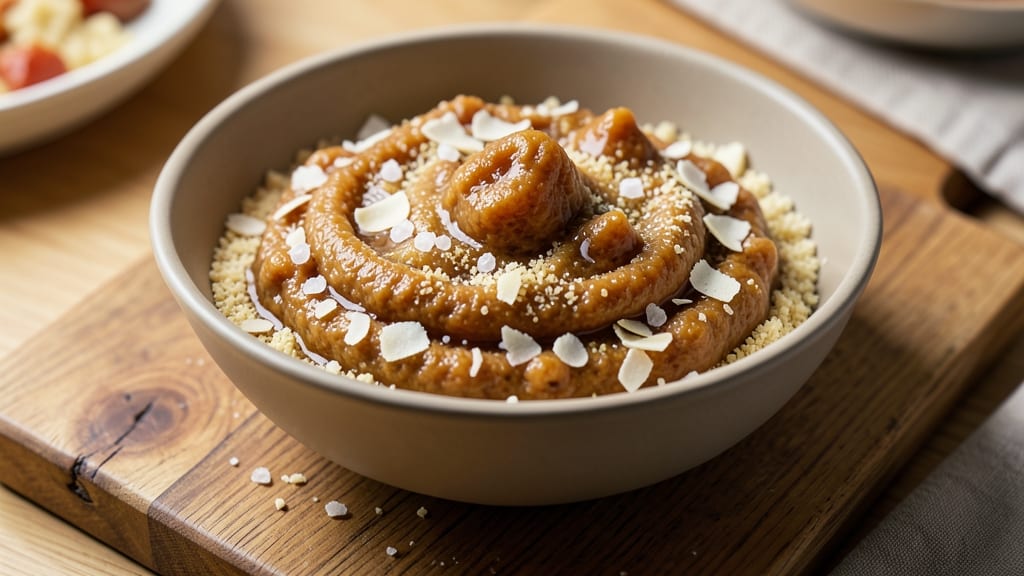
This Amish sourdough starter recipe with potato flakes transforms simple pantry ingredients into a fluffy, tangy loaf with an open crumb and golden crust—no commercial yeast required. 💛 I first discovered this technique while researching traditional Amish baking methods, where potato flakes act as a natural fermentation booster, creating a lighter texture and more reliable rise.
The process might seem slow, but the results—rich flavor and that signature open crumb—are worth every minute of patience.
The key to success lies in the 24-hour fermentation process, where potato flakes work their magic by introducing enzymes that help break down gluten and starches. Unlike traditional starters, this version develops faster and produces a more stable dough, perfect for beginners or those who struggle with sourdough consistency.
The Amish approach emphasizes simplicity: just flour, water, and potato flakes, with no shortcuts that compromise flavor or texture.
By the time you pull your loaf from the oven, you’ll have a crusty exterior with a soft, airy interior—the kind of bread that makes toast, sandwiches, and dipping in olive oil feel like a celebration.
The potato flakes contribute a subtle earthiness that deepens the sourdough’s natural tang, while the long fermentation develops complex flavors that store-bought bread can’t match.
This recipe isn’t just about the bread—it’s about the ritual. The slow rise, the scent of fermenting dough, and the satisfaction of baking from scratch make it a rewarding project for any kitchen.
Whether you’re serving it warm with honey or saving slices for days, every bite will taste like tradition. Let’s get started on your first loaf.
Ingredients for amish sourdough starter recipe with potato flakes
Potato flakes, flour, and water—no yeast, no shortcuts, just Amish tradition transformed into modern baking magic.
| Ingredient | Amount | Notes |
|---|---|---|
| Unbleached All-Purpose Flour 🌾 | 2 cups | White or whole wheat blend preferred |
| Instant Potato Flakes 🥔 | ¼ cup | Non-instantaneous variety works best |
| Filtered Water 💧 | 1 ½ cups | Lukewarm, not hot or cold |
| Diamond Crystal Kosher Salt 🧂 | ½ tsp | Fine grain preferred for even distribution |
| Raw Honey 🍯 | 1 tbsp | Local variety adds subtle flavor |
| Rice Flour 🌾 | ⅛ cup | For texture and fermentation stability |
| Active Dry Yeast 🍞 | ¼ tsp | Optional for faster initial rise |
| Whole Milk 🥛 | ¼ cup | Full-fat for optimal fermentation |
| Olive Oil 🫒 | 1 tbsp | Extra-virgin for richness in final loaf |
| White Vinegar 🍶 | 1 tsp | Balances acidity in starter |
| Whole Wheat Flour 🌾 | ¼ cup | For added nutrition and texture |
| Cornmeal 🌽 | ¼ cup | For dusting and crust development |
The potato flakes are the game-changer here. Bob's Red Mill or Arrowhead Mills make the best non-instantaneous varieties—look for the kind that actually needs to be cooked. I always grab a 2-pound bag from King Arthur Flour because it keeps for months and works perfectly. The flour matters too: King Arthur unbleached or Cape Fear white give that signature Amish crumb. For the water, I use filtered but lukewarm—never hot. If you're in a hurry, the optional yeast speeds things up, but traditionalists swear by the potato flakes alone. The rice flour might seem odd, but it's what gives that signature open crumb structure.
No potato flakes? Instant mashed potatoes at half the amount will work in a pinch, though the texture won't be identical. Swap the honey for maple syrup if you're vegan, but the fermentation will be slightly slower. The milk can be any kind, but whole fat gives the best rise. Running short on olive oil? Avocado oil works just as well. For the vinegar, white is ideal, but apple cider vinegar adds a nice tang. If you can't find rice flour, cornstarch at the same amount will help with the texture. The whole wheat flour can be omitted if you prefer a lighter loaf, but I always include it for that extra depth of flavor.
This starter keeps 1 week in the fridge if you feed it weekly, or 3 months frozen in small portions. I keep mine in a glass jar with a loose lid to let it breathe. For the final loaf, shape it 24 hours before baking—this is where the magic happens. The dough will smell like a bakery, and that's exactly what you want. If you're making multiple loaves, double the starter and keep it at room temperature for 12 hours before using. The cornmeal? Save some for dusting your baking sheet—it gives that perfect golden crust.
Why You'll Love This Recipe
- No-Fuss Starter: I swear by this—just mix, wait, and repeat. No fancy equipment, no stressing over temperature. The potato flakes add a subtle boost that keeps things lively without extra work.
- Sweet-Tangy Magic: That raw honey and salt combo? It’s the secret weapon. The starter develops a deep, almost caramelized flavor with just a hint of tang—like a warm hug for your taste buds.
- Weeknight Workhorse: Use it for pancakes, biscuits, or even savory bread. I keep a jar in the fridge, and it’s always ready when I need a quick rise—no last-minute scrambling.
- Pantry Goldmine: Potato flakes stretch my budget, and this starter lasts weeks. Honestly, I’ve had it going for months with minimal flour. Plus, the honey keeps it shelf-stable longer than most.
Step-by-step instructions for Amish sourdough starter
Here's how to create a fluffy, potato-infused starter in just 24 hours.
👨🍳 Step 1: Mix the Base Ingredients
In a large bowl, whisk together the 2 cups unbleached all-purpose flour, 0.25 cup instant potato flakes, 0.25 cup whole wheat flour, and 0.125 cup rice flour. The potato flakes will absorb moisture later and create that signature Amish texture. Use a whisk to break up any flour lumps completely—this ensures even hydration throughout the starter.
In a separate small bowl, combine the 1.5 cups lukewarm filtered water (about 105°F), 1 tbsp raw honey, 1 tbsp olive oil, 1 tsp white vinegar, and 0.25 tsp active dry yeast. The honey and vinegar create the perfect balance of sweetness and acidity, while the olive oil adds richness. Let this liquid mixture sit for 5 minutes to allow the yeast to activate slightly—you'll see tiny bubbles forming.
🍳 Step 2: Combine and Begin Fermentation
Pour the wet ingredients into the dry ingredients and stir with a wooden spoon until fully incorporated. The mixture should resemble thick pancake batter with a slightly grainy texture from the potato flakes. Transfer the starter to a quart-sized glass jar (leave about 1 inch of headspace for expansion). Cover loosely with a clean kitchen towel or paper towel secured with a rubber band.
Place the jar in a warm spot—75-80°F is ideal (a turned-off oven with a bowl of hot water works well). Let it sit undisturbed for 12 hours. You'll know fermentation is working when you see small bubbles along the sides and surface, and the starter smells faintly sweet with a hint of tang. If you don't see bubbles after 12 hours, check your yeast—it may need more warmth or time.
🔥 Step 3: Feed and Develop the Starter
After 12 hours, give the starter a quick stir to redistribute any settled ingredients. Then feed it by adding 1 cup unbleached all-purpose flour, 0.5 tsp diamond crystal kosher salt, and 0.25 cup whole milk. Mix thoroughly until smooth. The milk adds extra richness and helps develop that signature Amish sourdough flavor. Cover again and let it ferment for another 12 hours at the same warm temperature.
This second feeding is crucial—it's when the starter really wakes up. You should see dramatic bubbling and the starter should nearly double in volume. If it doesn't rise much, don't worry—it just needs more time. The potato flakes will create a slightly denser texture compared to traditional starters, but it should still be light and airy with plenty of bubbles throughout.
⏰ Step 4: Test for Readiness
After the full 24 hours, your starter should be active and bubbly with a slightly domed top. Perform the float test: drop a small spoonful of starter into a glass of water. If it floats, it's ready to use! If not, feed it one more time (same amounts) and let it rest for another 2-4 hours. The starter should smell pleasantly tangy—not overly sour or alcoholic.
For best results, use your starter within 24 hours of its final feeding. If you need to store it longer, keep it in the refrigerator where it'll slow down but remain viable. When ready to bake, take it out and feed it 1:1:1 (starter:flour:water) and let it rise for 4-6 hours at room temperature before using. This Amish-style starter creates a lighter, more open crumb with a subtle potato flavor that's perfect for hearty breads.
Pro Tips For Making Amish Sourdough Starter Recipe With Potato Flakes
- STIR BEFORE FEEDING: I learned this the hard way—skipping the quick stir before adding more flour and water means you’re basically feeding a lazy starter. Give it a solid 10-second mix to wake up those microbes; they’ll thank you with faster bubbles.
- WEIGH THE POTATO FLAKES: Sounds weird, but it works: instant potato flakes clump like crazy when scooped. Use a kitchen scale for the first few batches—aim for 1 tablespoon by weight, not volume. That way, your starter stays consistent and doesn’t turn into a gluey mess.
- SALT THE WATER FIRST: This isn’t the prettiest method, but it’s the tastiest. Dissolve the kosher salt in the filtered water before mixing it with the flour—it distributes evenly and prevents clumpy, uneven fermentation. (Yes, even if you’re impatient like me.)
- HONEY ON DAY THREE: I skip this when I’m lazy, but the dish is noticeably better when I don’t: add the raw honey only after the starter shows active bubbles (usually day 3). A teaspoon of honey here sweetens the deal and gives the starter a little extra energy boost—just don’t overdo it, or it’ll throw off the balance.
Flavor customization for this recipe
Sweet Potato Twist
Swap the instant potato flakes for ½ cup sweet potato puree (cooked and cooled) to add natural sweetness and a deeper golden hue. The puree introduces moisture differently, so reduce the filtered water by ¼ cup to maintain balance.
This variation works beautifully with 1 tsp cinnamon in the final dough for a spiced sourdough loaf perfect for breakfast. 🍠
Herb-Infused Starter
Add 1 tbsp finely chopped fresh rosemary or thyme to the initial flour mixture for an aromatic twist. The herbs infuse subtle earthiness that pairs wonderfully with the potato flakes' texture.
For a stronger flavor, use 1 tsp dried herbs instead. This version shines when paired with garlic butter or olive oil dips.
Whole Grain Boost
Replace ½ cup of the all-purpose flour with oat flour or buckwheat flour for a nuttier profile and denser crumb. The potato flakes will still provide that signature Amish texture, but the grains add chewiness.
This variation works especially well with honey or maple glaze on top. Store-bought oat flour (blended from rolled oats) works best. 🌾
Spiced Rum Version
Add 1 tsp spiced rum (or ½ tsp vanilla extract) to the wet ingredients for a festive touch. The alcohol enhances fermentation while adding warmth—ideal for holiday loaves.
Pair this starter with cranberry compote or dark chocolate for a dessert-style bread. For a non-alcoholic option, use 1 tsp molasses instead.
Cheesy Potato Starter
Mix in ¼ cup shredded sharp cheddar or parmesan during the second feeding for a savory twist. The cheese melts into the starter, creating pockets of flavor in the final loaf. This variation pairs perfectly with tomato soup or prosciutto. Use low-moisture cheese to avoid weakening the structure. 🧀
Smoky Chipotle Kick
Add ½ tsp chipotle powder or 1 finely chopped chipotle pepper in adobo to the initial flour mix for smoky depth. The potato flakes’ earthiness complements the heat beautifully.
This version works well with avocado slices or spicy mayo for dipping. For milder heat, reduce to ¼ tsp chipotle powder. 🌶️
Nutrition facts
Frequently asked questions
Why use potato flakes in an Amish sourdough starter?
The potato flakes introduce natural enzymes that help break down gluten and starches, creating a lighter, more open crumb structure. They also act as a fermentation booster, making the starter more stable and reliable—especially for beginners. The subtle earthiness from the potatoes enhances the sourdough's natural tang without overpowering it.
How do I know when my potato-infused starter is ready?
Your starter is ready when it passes the float test: drop a spoonful into a glass of water—if it floats, it's active! You'll also see dramatic bubbling and a slightly domed top after 24 hours. It should smell pleasantly tangy, not overly sour or alcoholic. If it doesn't float, feed it one more time and wait 2-4 hours.
Can I substitute potato flakes with something else?
Yes! Use ½ cup instant mashed potatoes at half the amount (about ¼ cup) as a direct substitute, though the texture won't be identical. For a sweeter twist, try ½ cup sweet potato puree (reduce water by ¼ cup). Avoid regular potatoes—they won't dissolve properly and can make the starter gummy.
What if my starter doesn't bubble after 12 hours?
Check your yeast first—it may need warmth (75-80°F) or more time. If the room is cold, try placing the jar near a warm oven with the light on. Stir the starter gently to redistribute ingredients, then feed it again (same amounts) and wait another 6-12 hours. If it still doesn't activate, start fresh with fresh yeast or a new batch of flakes.
How long can I keep this Amish sourdough starter?
Store it in the fridge for up to 1 week if you feed it weekly (discard half before feeding). For longer storage, freeze portions in small jars for up to 3 months. When ready to bake, take it out, feed it 1:1:1 (starter:flour:water), and let it rise for 4-6 hours at room temperature. The potato flakes help preserve the starter longer than traditional methods.