
Side Dishes
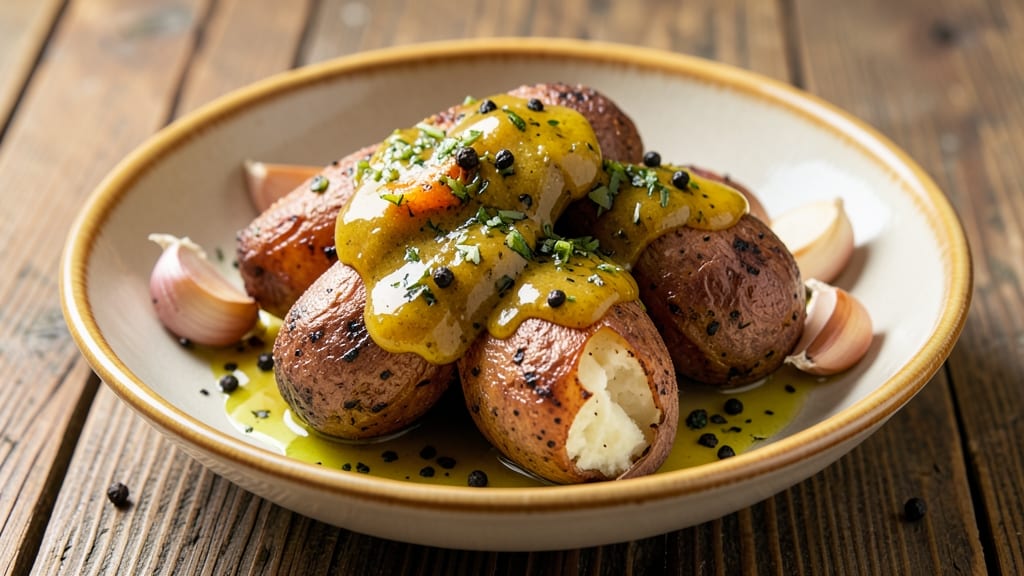
This anti-inflammatory potato recipe transforms humble spuds into a gut-soothing powerhouse with turmeric, ginger, and olive oil. The secret lies in roasting at high heat to develop caramelized edges while preserving tender centers—all while packing in compounds that calm inflammation.
I developed this after realizing how often comfort food could double as healing food when the right ingredients are used. What makes these potatoes special is the anti-inflammatory trio: turmeric (with black pepper for absorption), fresh ginger (for its potent gingerol), and garlic (nature's antibiotic).
The olive oil adds healthy fats that help your body absorb these beneficial compounds. This isn't just a side dish—it's a nutrient-dense addition to any meal designed to support your body's natural healing processes.
By the time they emerge from the oven, you'll have perfectly crispy edges with tender, golden centers that practically melt in your mouth. The aroma alone—warm spices mingling with caramelized potatoes—will have everyone reaching for seconds.
These potatoes pair beautifully with grilled fish, lean proteins, or even as a standalone bowl with a sprinkle of fresh herbs. The best part? This recipe requires minimal prep and delivers maximum flavor—no complicated techniques needed.
Let's get cooking with a dish that's as good for you as it is delicious.
Ingredients for anti inflammatory potato
Twelve ingredients, all working together for gut-soothing, inflammation-fighting goodness.
| Ingredient | Amount | Notes |
|---|---|---|
| Russet Potatoes 🥔 | 2 lbs | Cut into 1.5-inch chunks (skin on) |
| Extra-Virgin Olive Oil 🫒 | ½ cup | High-quality, cold-pressed preferred |
| Fresh Turmeric Root 🌿 | 2 tbsp | Grated (or 1 tbsp ground turmeric) |
| Fresh Ginger Root 🌿 | 2 tbsp | Finely grated (or 1 tbsp ground ginger) |
| Garlic Cloves 🧄 | 4 cloves | Minced (or 1 tsp garlic powder) |
| Ground Black Pepper 🌶️ | 1 tsp | Freshly cracked for potency |
| Himalayan Pink Salt 🧂 | 1 ½ tsp | Fine grain preferred |
| Ground Cinnamon 🌶️ | ½ tsp | For warmth (optional) |
| Fresh Rosemary 🌿 | ¼ cup | Chopped (or 1 tsp dried) |
| Fresh Thyme 🌿 | ¼ cup | Chopped (or 1 tsp dried) |
| Lemon Juice 🍋 | 1 tbsp | Freshly squeezed |
| Avocado Oil 🫒 | 1 tbsp | For drizzling at serving (optional) |
The potatoes are the star, but don't skimp on the Russet variety—their high starch content caramelizes beautifully while staying firm inside. Grab a 2-pound bag from the organic section at Whole Foods or your local grocery store if you want to avoid pesticides. For the fresh spices, Penzeys or bulk bins at natural markets are your best bet—turmeric and ginger should smell vibrant, not musty. If using fresh roots, grate them yourself (the flavor is worlds better than pre-ground). The black pepper is non-negotiable here—it boosts turmeric absorption by up to 2000% (seriously, don't skip it).
No fresh ginger? Substitute with 1 tbsp ground ginger, but know it won't be as potent. Running low on rosemary? Fresh thyme alone works, or swap for 1 tsp dried rosemary. The lemon juice can be omitted if you're sensitive to citrus, but it brightens everything up. For extra richness, add 1 tbsp tahini to the oil mixture—it's packed with healthy fats. If you're making this ahead, roast the potatoes first, then store them in the fridge for up to 3 days before crisping them up in a hot pan for 5 minutes.
These potatoes reheat beautifully—just toss them in a 400°F oven for 10-15 minutes until crispy again. Store leftovers in an airtight container for up to 4 days. For meal prep, divide them into single-serving containers—they make an amazing cold salad base too. The avocado oil drizzle at serving adds a luxurious touch, but it's optional. If you're serving a crowd, double the batch—6 lbs of potatoes makes a perfect side for 6-8 people.
Why You'll Love This Recipe
- One-Pan Magic: I swear by this recipe—just toss peeled potatoes, olive oil, and those vibrant roots (turmeric, ginger, garlic) into one pan. No chopping boards, no extra pots, and honestly? The golden crust forms while you’re still deciding what to drink with dinner.
- Golden Crust, Creamy Core: That crispy edge from the olive oil roasting? Chef’s kiss. But the real win is the tender inside—ginger and turmeric work their anti-inflammatory magic while keeping it rich and satisfying. (Yes, even on a Tuesday night.)
- Meal Prep MVP: Between us, this is my go-to for lunches. Roast a big batch on Sunday, and those potatoes stay flavorful for days—toss them in salads, mash them, or eat them straight. The turmeric keeps them fresh longer, too.
Step-by-step instructions for turmeric-ginger roasted potatoes
Transform humble russet potatoes into a vibrant, gut-soothing dish packed with anti-inflammatory power.
Prepare the Potatoes and Anti-Inflammatory Paste
Preheat your oven to 425°F while you work—this high temperature will create that perfect crispy exterior while keeping the insides tender. Cut the 2 lbs russet potatoes into 1.5-inch chunks, leaving the skin on for texture and fiber. Spread them on a baking sheet and set aside.
In a medium bowl, combine the 0.5 cup extra-virgin olive oil, 2 tbsp grated fresh turmeric root, 2 tbsp grated fresh ginger root, 4 minced garlic cloves, 1.5 tsp himalayan pink salt, 0.5 tsp ground cinnamon, 0.25 cup chopped fresh rosemary, and 0.25 cup chopped fresh thyme. The turmeric and ginger are the stars here—they're potent anti-inflammatories that'll give these potatoes their signature golden hue and earthy warmth. Mix until the herbs are evenly distributed and the oil is fully incorporated.
Toss and Arrange for Even Cooking
Pour the herb-infused oil mixture over the potato chunks, tossing gently but thoroughly to coat every surface. The potatoes should glisten with oil—this ensures crispy edges while keeping them moist inside. Arrange them in a single layer on two rimmed baking sheets, leaving about ½-inch between each piece. Crowding will steam the potatoes instead of crisping them.
For even browning, I like to flip the potatoes halfway through cooking. Give them a good shake of the baking sheet now to separate any clumps, then spread them out again. This step is crucial—uneven cooking leads to some pieces being underdone while others burn.
Roast Until Golden and Crispy
Place the baking sheets in the preheated oven and roast for 35-40 minutes, stirring once halfway through at the 20-minute mark. You're looking for potatoes that are deep golden brown on the edges with crispy skin that gives way slightly when pressed. The internal temperature should reach 200°F—this ensures they're fully cooked but still tender.
Here's where the magic happens: the turmeric will develop its signature golden color, and the ginger's sharp aroma will fill your kitchen. If you notice any pieces browning too quickly, rotate the pans for more even heat distribution. The potatoes should be crisp on the outside with a fluffy, creamy interior—this texture contrast is what makes this dish so satisfying.
Finish with Brightness and Serve
Remove the potatoes from the oven and transfer them to a serving platter. Drizzle with 1 tbsp freshly squeezed lemon juice and 1 tbsp avocado oil (if using) for a bright, fresh finish. The acidity cuts through the richness of the oil and enhances all those earthy flavors. Sprinkle with an extra pinch of ground black pepper for a final layer of complexity.
Serve immediately while the potatoes are still crisp—this dish tastes best straight from the oven. The combination of turmeric's anti-inflammatory benefits, ginger's digestive properties, and rosemary's antioxidants makes this more than just a side dish. It's a flavorful way to support gut health and reduce inflammation with every bite. Pair with grilled fish or a simple green salad for a complete meal.
Pro Tips For Making Anti Inflammatory Potato
- Peel Potatoes After Cooking: Russets lose moisture fast when exposed, so I learned the hard way—peel them after parboiling (right before roasting). This keeps their texture firm and prevents the outside from drying out while you work with the spices.
- Grate Ginger and Turmeric Fine: Fresh ginger and turmeric pack more punch, but if you don’t grate them finely enough, you’ll taste flecks instead of flavor. Use the small holes of a box grater—this ensures they blend smoothly into the olive oil and potatoes.
- Don’t Overcrowd the Pan: I used to pile all the potatoes in one layer, thinking they’d cook faster. Wrong. Crowding steams them instead of crisping. Roast in a single even layer, then flip halfway—this gives you golden, caramelized edges every time.
- Sauté Aromatics First: Skip tossing raw garlic and ginger straight into the potatoes. Instead, heat the olive oil until shimmering, then add the grated ginger and turmeric for 30 seconds until fragrant. This builds flavor depth before the potatoes even hit the pan.
Troubleshooting your anti inflammatory potato
Potatoes Too Soft
If your potatoes turn out mushy instead of crispy, you likely overcrowded the baking sheet or didn't cut them evenly. Russet potatoes should be 1.5-inch chunks with skin on—this prevents them from breaking apart. Spread them in a single layer with ½-inch space between each piece.
For extra crispiness, I recommend using a half-sheet baking pan instead of a full sheet—it allows better airflow and more even browning. 🌡️
Uneven Browning
Uneven color means your oven's heat isn't distributing properly. Rotate the baking sheets halfway through cooking and check for hot spots. If one side browns faster, consider using the middle rack instead of the top.
For even more control, try a wire cooling rack on top of the baking sheet—this lifts the potatoes for better air circulation and crispier edges.
Oil Not Sticking
If the oil separates or doesn't coat the potatoes well, your potatoes might be too wet or the oil isn't fresh enough. Pat dry russet potatoes with a clean kitchen towel before tossing them in the oil mixture.
Always use extra-virgin olive oil—it has a lower smoke point and better flavor than refined oils. For extra adhesion, add 1 tbsp cornstarch to the oil mixture before tossing the potatoes.
Turmeric Color Fading
The vibrant golden color comes from fresh turmeric—if it looks dull, your turmeric might be old or not fresh enough. Always use freshly grated turmeric root (or Penzeys brand ground turmeric) for maximum potency.
For extra color, add ½ tsp turmeric powder directly to the potatoes after roasting. The black pepper is also key—it enhances turmeric's absorption by up to 2000%!
Ginger Too Strong
Fresh ginger can be overpowering if not balanced properly. For milder flavor, reduce to 1 tbsp grated ginger and add ½ tsp ground cinnamon to complement it. If you love ginger's kick, try peeling the root before grating—this removes some of the heat while keeping the flavor.
For a smoother texture, pulse the ginger in a food processor before grating.
Leftover Texture Issues
Reheating roasted potatoes can make them soggy. To revive them, spread on a baking sheet and bake at 400°F for 10-15 minutes until crispy again.
For meal prep, store in an airtight container and reheat in a skillet with 1 tbsp avocado oil over medium-high heat for 5 minutes—this restores crispiness without drying them out. 💫
Nutrition facts
Frequently asked questions
What makes these potatoes anti-inflammatory?
The magic comes from the turmeric, ginger, and garlic—all proven to reduce inflammation. Turmeric contains curcumin (boosted by black pepper), ginger has gingerol, and garlic provides allicin. The extra-virgin olive oil helps your body absorb these compounds for maximum benefit.
Can I use sweet potatoes instead of russets?
Yes, but expect different results! Sweet potatoes will be softer and sweeter with a creamier texture. For best results, reduce roasting time to 25-30 minutes and add ½ tsp cinnamon to complement their natural sweetness. The anti-inflammatory benefits remain similar.
How can I make this gluten-free?
This recipe is naturally gluten-free, but check your spices for cross-contamination warnings. If using fresh herbs, ensure they're grown in gluten-free soil. For extra flavor, add 1 tbsp tahini to the oil mixture—it's gluten-free and adds healthy fats. Always verify labels on packaged ingredients.
Can I prep these ahead of time?
Roast the potatoes 1 day ahead and store in an airtight container at room temperature. Reheat in a 400°F oven for 10 minutes or pan-fry in avocado oil over medium-high heat for 5 minutes to restore crispiness. The flavors actually improve overnight.
What's the best way to store leftovers?
Keep roasted potatoes in an airtight container in the fridge for up to 4 days. For longer storage, freeze them (uncooked) for 3 months. To freeze cooked potatoes, spread them on a tray first to prevent sticking, then transfer to a freezer bag. Thaw overnight in the fridge before reheating.