
Side Dishes
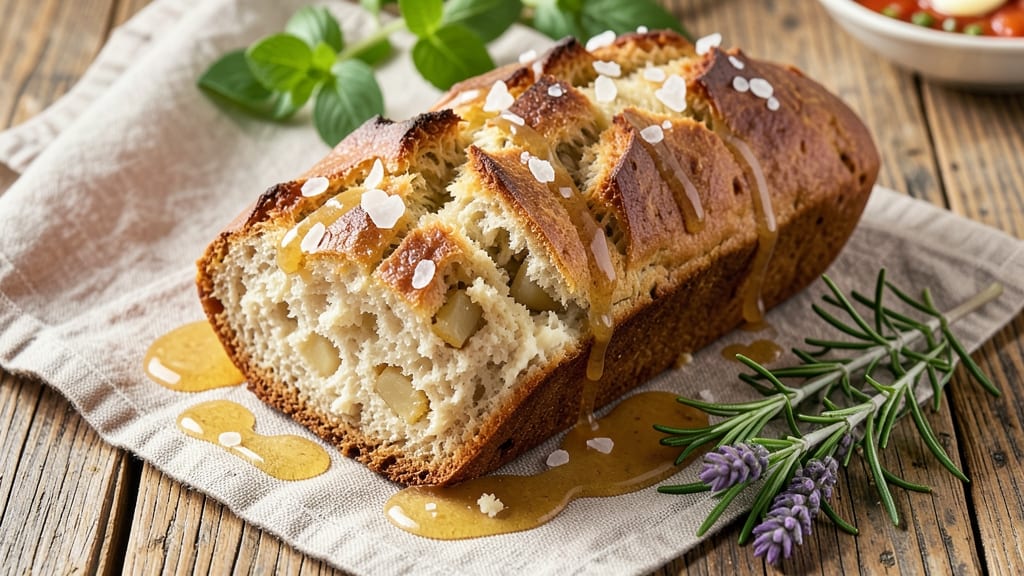
This artisan potato bread recipe delivers a loaf with a crusty exterior and a tender, moist crumb—perfect for sandwiches or serving alongside soups. The secret lies in blending mashed potatoes with traditional bread dough, creating a texture that's both hearty and delicate.
I've perfected this method over years of baking, ensuring every slice has that signature golden crust and fluffy interior.
The process starts with a simple dough of flour, water, yeast, and mashed potato, kneaded just enough to develop gluten without overworking. A touch of butter or egg enriches the dough, giving it that extra artisan richness.
Proofing and shaping are critical—this bread needs time to rise properly for that perfect oven-spring. Baking in a Dutch oven traps steam, creating the ideal environment for a crispy crust and even bake.
What makes this recipe stand out is the balance of techniques: traditional Dutch oven baking meets the modern twist of potato-infused dough. The result is a loaf with complex flavor—slightly sweet from the potatoes, with a satisfying chew and crisp edges.
Each slice stays fresh for days, making it ideal for meal prep or gifting.
Whether you're a seasoned baker or new to artisan bread, this recipe delivers restaurant-quality results at home. The key is patience—letting the dough rise fully and baking it just until the crust reaches that golden hue. Trust the process, and you'll have a loaf that rivals any bakery's finest.
Ingredients for artisan potato bread
Nine simple ingredients transform into a golden-crusted, potato-infused artisan loaf perfect for sandwiches or soups.
| Ingredient | Amount | Notes |
|---|---|---|
| Russet Potatoes 🥔 | 2 lb | Peeled and boiled to mash |
| All-Purpose Flour 🌾 | 3 ½ cups | Bread flour preferred for chew |
| Instant Yeast 🍞 | ½ tsp | Active dry works too |
| Granulated Sugar 🍚 | 1 tbsp | Feeds yeast for rise |
| Unsalted Butter 🧈 | ½ cup | Cold for dough enrichment |
| Large Eggs 🥚 | 1 whole | Room temperature preferred |
| Warm Water 💧 | 1 ¼ cups | 110°F for yeast activation |
| Salt 🧂 | 1 tsp | Kosher salt preferred |
| Olive Oil 🫒 | 2 tbsp | For dough handling |
The potatoes are the secret weapon here. Russets are ideal—their starch content creates that signature moist crumb. I always peel and boil them until fork-tender, then mash them completely smooth. King Arthur or Bob's Red Mill flour is my go-to for the dough—it develops gluten beautifully without being overly dense. The butter and egg add richness, but don't overmix the dough once they're incorporated. For the yeast, Saf-Instant is my preferred brand since it doesn't require proofing in water first, saving time.
No bread flour? All-purpose plus 1 tbsp vital wheat gluten works in a pinch. Egg-free? Replace with 1 tbsp olive oil plus 1 tbsp water—the texture stays close. The olive oil isn't just for handling; it adds subtle flavor and prevents sticking. For a sweeter loaf, add 1 tbsp honey to the dough. The Dutch oven is non-negotiable for that crisp crust, but if you're short on time, a cast-iron skillet works too. Just don't skip the steam—it's what creates that perfect oven-spring.
This loaf stays fresh for 3-4 days at room temperature, wrapped in a clean kitchen towel. For longer storage, freeze slices in a sealed bag for up to 3 months. I always bake an extra loaf—it reheats beautifully in a 350°F oven for 5-10 minutes. The crust gets slightly crispier each time, making it perfect for toast. Store the dough before shaping in the fridge for up to 24 hours if you want to bake it the next day.
Why You'll Love This Recipe
- Five-Ingredient Magic: I swear, this bread only needs five things—no fancy pantry trips. Russet potatoes add moisture and that signature fluff, while the butter keeps it rich without tasting heavy. Honestly, my grocery list for this is shorter than my to-do list on a bad day.
- Crusty-Creamy Dream: The outside gets properly crispy—like a golden hug—while the inside stays soft and pillowy. That’s the potato’s doing, paired with just enough sugar to coax the yeast into working its best. First bite? Pure satisfaction.
- Weeknight & Holiday: I’ve used this to sop up chili, tear into sandwiches, or serve with soup. But here’s the secret: it’s also my go-to for holiday breakfasts. Toast it, slather with butter, and suddenly brunch feels like a celebration. (Yes, even on a Tuesday.)
- Leftovers That Last: This bread stays fresh for days if wrapped tight, and slices beautifully for toast or French toast. Between us, I’ve made a double batch just to have it on hand—because nothing beats warm, homemade bread straight from the fridge. Budget-friendly? Absolutely. Lazy-friendly? Even more so.
Step-by-step instructions for artisan potato bread
Here's how to craft a perfectly textured potato bread with a crisp exterior and tender interior.
Prepare the Potato Base
Begin by peeling the 2 lb Russet Potatoes and cutting them into even chunks. Place them in a pot of cold water and bring to a boil over high heat. Once boiling, reduce to medium-high heat and cook for 15-20 minutes until fork-tender. Drain thoroughly and return the potatoes to the pot.
Using a potato masher or ricer, completely mash the potatoes until smooth. Let them cool to room temperature before proceeding. This cooling step prevents the butter from melting prematurely when incorporated later. If the mash is too thick, add 1-2 tablespoons of the warm water to achieve a smooth, spreadable consistency.
Mix the Dough Ingredients
In a large mixing bowl, combine the 3.5 cups All-Purpose Flour, 0.5 tsp Instant Yeast, 1 tbsp Granulated Sugar, and 1 tsp Salt. Whisk these dry ingredients together until evenly distributed. This ensures the yeast activates properly and the flavor is balanced throughout.
Create a well in the center of the dry mixture and add the 0.5 cup Unsalted Butter (cut into small cubes), 1 whole Large Eggs, and the cooled potato mash. Using a wooden spoon or dough whisk, gradually incorporate the wet ingredients into the dry until a shaggy dough forms. The butter should be cold enough to maintain structure but soft enough to blend smoothly.
Develop the Dough
Transfer the dough to a lightly floured surface and knead for 8-10 minutes by hand or 5-6 minutes in a stand mixer with a dough hook. Add 1 tbsp Olive Oil during kneading for elasticity and moisture retention. The dough should become smooth and slightly tacky, pulling away from the sides of the bowl when tested.
Here's the key: the dough should be soft but not sticky. If it's too dry, add 1 teaspoon of warm water at a time; if too sticky, add 1 tablespoon of flour. Shape the dough into a round loaf, place it in a lightly oiled bowl, cover with a damp towel, and let it rise in a warm place for 1-1.5 hours until doubled in size. This resting period allows the gluten to relax and the flavor to develop.
Shape and Proof the Bread
Punch down the risen dough to release air, then divide it into 4 equal portions (about 1 lb each). Shape each portion into a round loaf by pulling the dough toward you and sealing the seam tightly. Place the loaves seam-side up on a parchment-lined baking sheet, cover loosely with a towel, and let them proof for 30-45 minutes until slightly puffy.
Preheat your oven to 375°F with a baking stone or inverted baking sheet inside. This creates steam for a crisp crust. Brush the tops of the loaves with 1 tablespoon Olive Oil and sprinkle lightly with 1 teaspoon Salt for enhanced flavor and color. Bake for 25-30 minutes until the crust is golden brown and the internal temperature reaches 190°F.
Cool and Serve
Remove the bread from the oven and transfer to a wire rack to cool for 15-20 minutes. This resting period allows the crumb to set and prevents a gummy texture. The bread should have a crisp exterior with a tender, moist interior infused with potato flavor.
Slice the bread while still warm for the best texture. Store any leftovers in an airtight container at room temperature for up to 3 days or freeze for longer storage. The flavor continues to develop over time, making this bread perfect for toasting or serving alongside soups and stews.
Pro Tips For Making Artisan Potato Bread
- BOIL POTATOES UNTIL SOFT: I learned this the hard way—overcooked potatoes make the dough gummy, and undercooked ones taste like chalk. Aim for a fork-tender texture, then drain and let them steam-dry in the colander for 2-3 minutes. That extra step prevents a soggy dough that fights you every time you shape it.
- USE COLD BUTTER: Skip the melted butter—it’s a game-changer. Cut that unsalted butter into cubes and toss it into the flour mix while it’s still cold. The cold butter creates pockets in the dough that make the bread light and flaky, not dense. (Yes, even if you’re impatient like me.)
- DON’T SKIP THE REST: Let the dough rise in a warm spot until it’s almost doubled, then punch it down and let it rise again. The second rise is where the flavor develops, and rushing it means a bread that’s more like a dense loaf than the airy, tender texture you’re after. Give it time—your future self will thank you.
- GRATE POTATOES FRESH: Pre-shredded potatoes? Skip it. Grating them yourself removes excess moisture, which is the thing that matters most for a smooth dough. Use a box grater and squeeze out every last drop with a clean towel before mixing. This isn’t the prettiest method, but it’s the tastiest.
Wine and beer pairings for this dish
Crisp White Wine
An Italian Pinot Grigio or Sauvignon Blanc from New Zealand works beautifully with this potato bread. The bright acidity cuts through the richness of the butter and egg while complementing the subtle sweetness of the potatoes.
I love a chilled Pinot Grigio from Alto Adige—its crisp finish cleanses your palate between bites. 🍷
Hoppy Beer Pairing
A wheat beer or pilsner balances the bread's hearty texture and potato flavor. Try a Belgian Witbier like Hoegaarden—the coriander and citrus notes enhance the bread's natural sweetness. For a lighter option, a cold German Pilsner (like Warsteiner) provides a refreshing contrast to the bread's warmth. 🍺
Rich Red Wine Option
If you prefer red, a light-bodied Pinot Noir from Oregon or Chianti Classico adds depth without overpowering. The earthy notes in Chianti mirror the potato's natural flavor, while Pinot Noir's bright acidity keeps the bread's texture in check. Serve slightly chilled for the best experience. 🍇
Cider for Contrast
For a non-alcoholic option, dry hard cider like Angry Orchard or Woodchuck adds a crisp, slightly tart contrast. The apple notes complement the potato's earthiness, while the effervescence refreshes your palate. A warm cider in fall or a chilled one in summer works perfectly. 🍎
Creamy Dessert Wine
Save a Moscato d'Asti or Riesling for dessert with this bread. The slight sweetness pairs wonderfully with the bread's subtle potato sweetness, especially when served with a spread like herbed goat cheese or honey butter. A chilled Kabinett Riesling from Germany balances the richness beautifully. 🍇
Nutrition facts
Frequently asked questions
Why does this potato bread have a different texture than regular bread?
The mashed potatoes replace some of the water in traditional dough, creating a moist, dense crumb while the butter and egg add richness. The potato starch also helps retain moisture longer, giving each slice a tender bite. This makes it perfect for sandwiches or serving with hearty soups!
Can I make this bread without a Dutch oven?
Yes! Use a cast-iron skillet or place a baking sheet with water on the lower rack to create steam. For best results, preheat your oven with the baking stone or inverted sheet for 30 minutes before baking. The crust may be slightly less crisp, but the interior will still be tender.
How do I know when the dough has risen enough?
Your dough is ready when it's doubled in size and leaves a slight indentation when gently pressed with a finger. For visual confirmation, use the "poke test": press lightly—if it springs back slowly, it's perfect. Overproofing can cause a flat loaf, so keep an eye on it during the 1-1.5 hour rise.
Can I substitute sweet potatoes for regular potatoes?
Sweet potatoes work but will change the flavor and texture. They're naturally sweeter and more moist, which can make the bread denser. If you try it, reduce the sugar to ½ tablespoon and add 1 teaspoon cinnamon for balance. Stick with Russets for the classic potato bread experience.
Why did my bread turn out gummy instead of crusty?
This usually happens from not enough steam during baking or cooling too quickly. Always preheat with a baking stone, use your Dutch oven, and let the bread cool on a wire rack for 15-20 minutes. For extra crispiness, brush the loaves with melted butter after baking.