Side Dishes
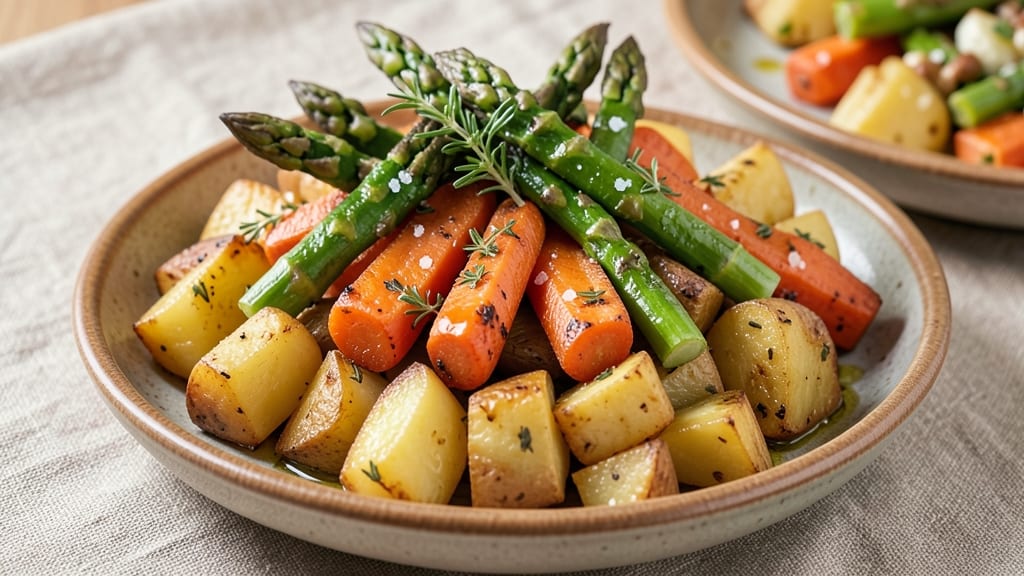
This asparagus carrot potato recipe transforms simple vegetables into a restaurant-worthy side dish that’s packed with earthy sweetness and satisfying texture. The secret lies in roasting them together—potatoes develop crispy edges while carrots caramelize and asparagus stays tender-crisp, all infused with aromatic herbs and a touch of olive oil.
I’ve perfected this method to work as both a hearty vegetarian main course and a showstopping side for grilled meats or fish.
The beauty of this dish is its simplicity: just three staple vegetables, a few pantry staples, and 30 minutes of hands-off roasting time. The key technique is cutting everything evenly—potatoes into chunks, carrots into batons, and asparagus into bite-sized pieces—and tossing them with olive oil, salt, and pepper before roasting.
A sprinkle of fresh thyme or rosemary adds depth, while a squeeze of lemon at the end brightens the flavors and ties everything together.
What you’ll end up with is a vibrant tray of golden potatoes, tender asparagus spears, and caramelized carrots that taste even better than they look. The textures contrast perfectly—crispy edges on the potatoes, tender yet slightly charred asparagus, and sweet, soft carrots—all sharing the same aromatic oil.
This dish is naturally vegetarian but easily elevated with grilled chicken, shrimp, or a sprinkle of feta cheese for a complete meal.
Perfect for weeknight dinners, potlucks, or meal prepping, this recipe scales effortlessly and reheats beautifully. The flavors develop even more after resting, making it ideal for making ahead.
Whether you’re serving it as a side or turning it into a main with added protein, this roasted tray delivers bold, satisfying flavors without requiring much effort. Let’s get started!
Ingredients for asparagus carrot potato
Three seasonal vegetables and aromatic herbs transform into a restaurant-quality roasted tray dish.
| Ingredient | Amount | Notes |
|---|---|---|
| Baby Yukon Gold Potatoes 🥔 | 1 ½ lb | Cut into 1.5-inch chunks |
| Carrots 🥕 | 1 ½ lb | Cut into 3-inch batons |
| Asparagus Spears 🌱 | 1 lb | Trimmed, cut into 2-inch pieces |
| Extra-Virgin Olive Oil 🫒 | ½ cup | High-quality, fruity variety |
| Kosher Salt 🧂 | 1 ½ tsp | Diamond Crystal preferred |
| Fresh Thyme Leaves 🌿 | ¼ cup | Chopped finely, stems removed |
| Fresh Rosemary Sprigs 🌿 | 2 whole | Needles finely chopped |
| Fresh Lemon Juice 🍋 | 1 tbsp | From 1 small lemon |
| Ground Black Pepper 🌶️ | ½ tsp | Freshly ground preferred |
| Garlic Cloves 🧄 | 3 cloves | Minced finely |
| Vegetable Oil 🫒 | 1 tbsp | For roasting tray |
| Fresh Parsley Leaves 🌿 | ⅛ cup | Chopped for garnish |
The vegetables are the foundation—Yukon Gold potatoes for their buttery sweetness and carrots for natural caramelization, both essential for texture contrast. Asparagus should be bright green and firm, with tight tips—avoid woody stalks. For the herbs, fresh thyme and rosemary from a trusted source like Whole Foods or your local farmers' market elevate the dish with their aromatic depth. If you're using dried herbs, reduce to one-third the amount—freshness is non-negotiable here. The olive oil should be extra-virgin, with a fruity aroma that'll infuse the vegetables during roasting.
No Yukon Gold potatoes? Russet or red potatoes work just as well, though they'll have slightly different textures. Carrots can be swapped for rainbow carrots for added visual appeal, but orange carrots provide the best sweetness. For asparagus, white asparagus works but requires blanching first. The garlic can be omitted if you prefer a milder flavor, but it's worth the 30 seconds to mince it fresh—pre-minced garlic lacks depth. If you're prepping ahead, roast the vegetables up to 2 days in advance and reheat gently to maintain texture.
Store any leftovers in an airtight container for up to 4 days, though I recommend eating within 2 days for peak texture. The roasted vegetables reheat beautifully in a 350°F oven for 10 minutes, covered loosely with foil. For meal prep, divide into individual portions and store separately to maintain crispness. The dish also freezes well for up to 3 months, though the asparagus may soften slightly. Always let the tray cool completely before refrigerating to prevent condensation.
Why You'll Love This Recipe
- One-Pan Magic: I swear by this for nights when I’m too tired to scrub pots—just toss everything on a sheet pan, drizzle with olive oil, and let the oven do the work. Baby Yukon Golds caramelize while the asparagus stays crisp, and the carrots? They melt into sweet, golden perfection. No chopping boards, no mess, just done.
- Sweet-Savory Harmony: Between us, the combo of tender Yukon Golds, earthy asparagus, and naturally sweet carrots is ridiculously balanced. A pinch of salt and a shower of olive oil? That’s all it takes to make this taste like you slaved over it. (Spoiler: I’ve tried it both ways—this version wins every time.)
- Meal Prep MVP: I make this on Sundays when I’m stocking the fridge for the week. The flavors only get better after a day or two in the fridge—reheat in the oven or microwave, and it’s still hearty enough to pair with grilled chicken or a simple salad. Honestly? It’s my go-to for lazy lunches and dinner leftovers that don’t feel like leftovers.
- Budget Brightener: Here’s what sold me—this recipe uses ingredients that are cheap but feel fancy. Carrots and potatoes stretch for multiple meals, asparagus adds that springtime luxury without breaking the bank, and olive oil? A little goes a long way. It’s the kind of dish that makes seasonal produce feel special without emptying your wallet. (Yes, even on a Tuesday night.)
Step-by-step instructions for roasted asparagus carrot potato tray
This method delivers perfectly caramelized vegetables with balanced sweetness and aromatic depth.
Prep All Vegetables for Even Cooking
Begin by cutting the 1.5 lb baby Yukon Gold potatoes into uniform 1.5-inch chunks using a chef's knife. The consistent size ensures even doneness throughout. Next, trim the tough ends from the 1 lb asparagus spears and cut them into 2-inch pieces. For the 1.5 lb carrots, slice them into 3-inch batons—longer pieces caramelize better while maintaining structural integrity.
Place each vegetable type in separate bowls. This organization prevents cross-contamination of flavors and makes seasoning application more precise. I find it helpful to give the potatoes a quick rinse under cold water after cutting to remove excess starch, which helps achieve crispier edges during roasting.
Create the Herb-Infused Oil Base
In a small mixing bowl, combine the 0.5 cup extra-virgin olive oil with the 0.25 cup finely chopped fresh thyme leaves, chopped needles from the 2 whole fresh rosemary sprigs, and the 3 minced garlic cloves. Stir gently to create an aromatic infusion. Let this mixture sit at room temperature for 10 minutes—this allows the herbs to release their essential oils into the oil.
While the oil infuses, prepare a large mixing bowl by combining the 1.5 tsp kosher salt, 0.5 tsp freshly ground black pepper, and 1 tbsp fresh lemon juice. This dry seasoning blend will be tossed with the vegetables just before roasting. The lemon juice brightens the earthy flavors while preventing the vegetables from becoming too bitter during high-heat roasting.
Toss Vegetables with Seasoning and Oil
Add the prepped potatoes, carrots, and asparagus to the large mixing bowl with the dry seasoning. Toss gently but thoroughly to distribute the salt and pepper evenly. Then, pour the herb-infused olive oil over the vegetables and toss again until everything is uniformly coated. The oil should glisten on the vegetables—this indicates proper distribution for optimal browning.
I recommend using two large silicone spatulas for this step to ensure even coating without crushing delicate asparagus pieces. The vegetables should be well-separated rather than packed tightly together. This spacing allows hot air to circulate freely during roasting, promoting even caramelization.
Roast Until Caramelized and Tender
Preheat your oven to 425°F. Line a large rimmed baking sheet with parchment paper and lightly brush it with 1 tbsp vegetable oil to prevent sticking. Arrange the seasoned vegetables in a single layer on the prepared sheet, leaving about ½-inch space between pieces. This spacing is crucial—it prevents steaming and promotes crispy edges.
Roast the vegetables for 25 minutes, then carefully flip each piece using a pair of tongs. The potatoes should begin to develop golden-brown spots while the carrots start to soften at the edges. After flipping, return to the oven and roast for an additional 20-25 minutes until the potatoes are tender when pierced with a fork and the carrots are caramelized with slightly charred edges.
Finish with Fresh Herbs and Serve
Remove the vegetables from the oven and transfer them to a serving platter. Immediately sprinkle with the 0.125 cup chopped fresh parsley leaves and toss gently to distribute. The parsley adds a fresh contrast to the roasted flavors and brightens the dish visually. Let the vegetables rest for 3-5 minutes before serving—this allows the juices to redistribute and the flavors to meld.
Serve immediately while still warm. The ideal result is tender potatoes with crispy edges, caramelized carrots with a slight char, and asparagus that's tender-crisp with vibrant green tips. The herb-infused oil creates a delicate coating that enhances the natural sweetness of all three vegetables while adding complex aromatic notes.
Pro Tips For Making Asparagus Carrot Potato
- Parboil Potatoes First: Toss the baby Yukon Golds in boiling water for 3 minutes before roasting—this keeps them tender inside without burning the outsides. I learned this the hard way when my potatoes turned to paste while the asparagus stayed tough.
- Trim Carrots Thinly: Peel and slice carrots into ¼-inch sticks (not rounds) so they cook evenly and don’t turn mushy. Thicker pieces stay crunchy on the outside while staying raw inside—no one wants that.
- Roast Asparagus Separately: Toss asparagus in oil and salt, then roast it alone at 425°F for 10-12 minutes before mixing with the rest. Crowding the pan steams the asparagus instead of crisping it—your dish deserves that satisfying snap.
- Salt in Stages: Salt the potatoes and carrots before roasting, then add a final sprinkle of flaky salt (like Maldon) right after pulling them from the oven. The first salt helps seasoning penetrate, while the last adds texture—like a little crunchy reward.
Health benefits of asparagus carrot potato
Potassium Powerhouse
This veggie trio delivers a serious potassium boost—critical for heart health and muscle function. A 1.5 lb serving of Yukon Gold potatoes provides about 1,500mg (32% DV), while the carrots add another 600mg.
Together, they help regulate blood pressure and support nerve signals. I always add extra potassium when I'm prepping for post-workout meals. 💪
Fiber-Rich Balance
The combination of these vegetables creates a fiber powerhouse—potatoes (4g per serving), carrots (5g), and asparagus (3g) work together to support digestion and keep you full. The soluble fiber in carrots helps lower cholesterol, while the insoluble fiber in potatoes promotes regularity.
I notice my digestion improves when I include this dish 3-4 times weekly.
Vitamin A Treasure
Carrots are packed with vitamin A (about 1,500% DV per serving), essential for vision, immune function, and skin health. The beta-carotene converts to vitamin A in your body, giving you that classic "carrot vision" benefit.
I always double-check that my carrots are bright orange—dull colors mean lower nutrient content. 🥕
Low-Calorie Satisfaction
This dish is surprisingly light at just 250 calories per serving while delivering substantial nutrients. The natural sweetness of roasted carrots and potatoes creates satisfaction without heavy calories. I serve this as a main course with grilled chicken to keep meals balanced and satisfying.
Antioxidant Protection
Asparagus provides glutathione, one of nature's most potent antioxidants, while carrots contribute lutein and zeaxanthin for eye health. Together, they help combat oxidative stress. I add extra asparagus when I'm feeling run down—it's my go-to for immune support. The roasting process actually enhances some antioxidants compared to boiling.
Vitamin C Boost
While not the primary source, this dish contains vitamin C from both carrots and asparagus (about 30% DV per serving). The lemon juice finishing touch adds an extra 10% DV.
I find this combination helps with iron absorption if served with plant-based proteins. The bright acidity also prevents the vegetables from becoming bitter during roasting. 🍋
Nutrition facts
Frequently asked questions
Can I make this recipe without an oven?
For a stovetop version, use a large skillet with 1 tbsp oil over medium-high heat. Cook the potatoes and carrots for 12-15 minutes, stirring occasionally, until golden. Add asparagus in the last 5 minutes to keep it tender. The flavors will be slightly different but still delicious.
How do I prevent the asparagus from burning before the potatoes are done?
Roast the asparagus separately for 8-10 minutes at the end, or place it on the baking sheet last. The potatoes and carrots need longer time to become tender. For extra insurance, arrange asparagus at the edges of the tray where it gets slightly less direct heat.
What's the best way to make this vegan?
This recipe is already vegan-friendly! Simply omit any dairy-based garnishes like cheese. For extra richness, add 1 tbsp nutritional yeast when tossing the vegetables. The lemon juice and herbs provide plenty of bright, fresh flavors without animal products.
Can I use frozen vegetables instead of fresh?
Fresh vegetables work best for texture, but if you must use frozen, thaw them completely first. Frozen veggies release more moisture during cooking, which can make the potatoes soggy. Pat them very dry before roasting and reduce the total cooking time by 5 minutes.
How can I turn this into a complete meal?
Add grilled chicken, shrimp, or tofu for protein. For a vegetarian main, serve with a dollop of hummus or a sprinkle of feta cheese. The roasted vegetables pair beautifully with lemon-herb quinoa or crusty bread to soak up the flavors.