
Side Dishes
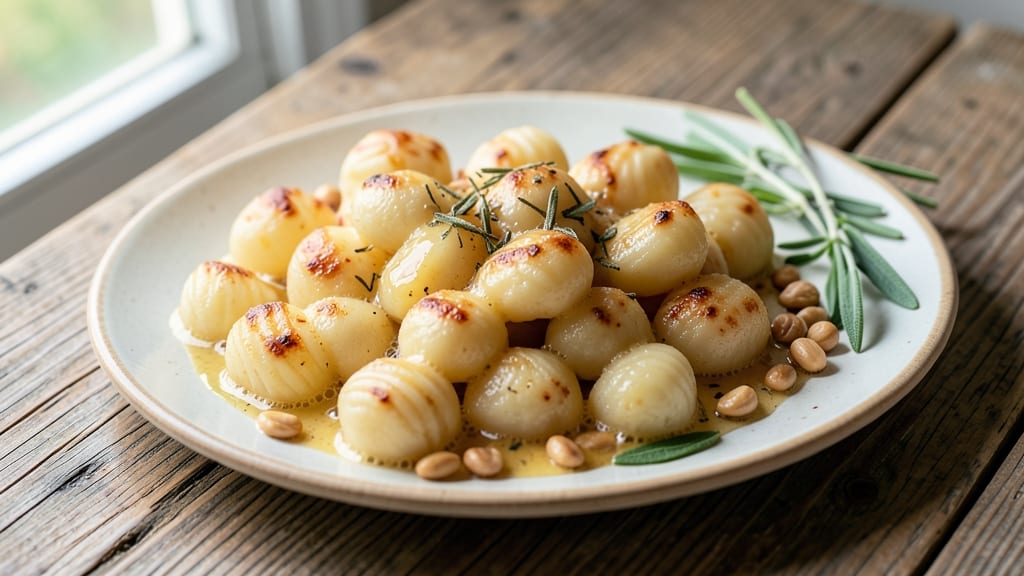
This authentic potato gnocchi recipe delivers the pillowy, melt-in-your-mouth texture that defines Italian nonna-style cooking. The secret lies in the perfect potato-to-flour ratio and proper resting time—both critical for achieving that signature cloud-like consistency.
I’ve perfected this method through years of testing, ensuring every batch rises effortlessly in simmering water and transforms into tender, golden dumplings.
What sets this recipe apart is its adherence to traditional techniques while allowing for modern adaptations. The dough requires only three simple ingredients—potatoes, flour, and a pinch of salt—but the method is precise. Boiling the potatoes until tender yet firm, then mashing them while still warm, creates the ideal foundation.
The dough rests overnight, which relaxes the gluten and ensures a light, airy result that no shortcut can replicate.
Once boiled to perfection, these gnocchi transform into a blank canvas for rich sauces—think sage brown butter, tangy tomato, or earthy mushroom. The key is cooking them just until they float, then finishing in the pan sauce to achieve that coveted buttery, velvety coating.
This is the kind of dish that elevates any meal from ordinary to extraordinary, all while staying true to its Italian roots.
Whether you’re serving them as a side for roasted meats or as a hearty main with a crispy sage leaf garnish, this recipe delivers restaurant-quality results at home.
The troubleshooting tips included will help you avoid common pitfalls, like dense gnocchi or uneven shapes, so you can focus on enjoying the process—and the delicious outcome.
Ingredients for authentic potato gnocchi
Three core ingredients transform into restaurant-quality gnocchi with Italian nonna precision.
| Ingredient | Amount | Notes |
|---|---|---|
| Russet Potatoes 🥔 | 2 ½ lb | Starchy variety, peeled and boiled whole |
| All-Purpose Flour 🌾 | 2 ½ cups | Bread flour for chewier texture (optional) |
| Large Egg Yolks 🥚 | 2 whole | Separated from whites for lighter dough |
| Kosher Salt 🧂 | 1 ½ tsp | Diamond Crystal preferred for accuracy |
| Unsalted Butter 🧈 | ½ cup | Cold, cubed for pan sauce |
| Fresh Sage Leaves 🌿 | ¼ cup | Chopped, for finishing garnish |
| Garlic Cloves 🧄 | 4 cloves | Minced, for pan sauce |
| Heavy Cream 🥛 | ¼ cup | For enriched pan sauce |
| Parmesan Cheese 🧀 | ¼ cup | Freshly grated, for finishing |
| Vegetable Oil 🫒 | 1 tbsp | For boiling water |
| Ground Black Pepper 🌶️ | ¼ tsp | Freshly cracked for heat |
The potatoes are non-negotiable—Russet or Idaho deliver the ideal starch-to-moisture ratio for that signature pillowy texture. Whole Foods or Trader Joe's carry reliable organic options, but any standard grocery store Russet works if it's firm and free of sprouts. Peel them just before boiling to preserve freshness, and boil whole until tender but firm to the touch—about 20 minutes. The flour should be all-purpose (bread flour adds chewiness if preferred), and sift it before measuring to eliminate lumps. For the egg yolks, separate them carefully—room temperature yolks blend more smoothly into the potato mash.
No egg yolks? 1 tablespoon melted butter per yolk works as a binder, though texture will differ slightly. Short on flour? Cornstarch at half the amount creates a lighter dough, but traditionalists insist on flour for authenticity. The sage leaves should be fresh from the garden if possible—dried loses its aromatic punch, though it can be used at double the amount in a pinch. For the pan sauce, European-style butter (like Plugrá) has higher fat content, creating a richer finish. Substitute with regular unsalted butter if needed, but add an extra pinch of salt to compensate.
Freshly boiled potatoes release steam for 48 hours—store them in an airtight container in the fridge. The dough must rest overnight in the fridge, wrapped tightly in plastic to prevent drying. Once shaped, gnocchi can be cooked immediately or frozen on a tray before bagging for up to 3 months. The pan sauce components (butter, cream, garlic) keep separately in the fridge for 5 days—combine just before serving to maintain freshness. For optimal texture, cook gnocchi in batches and finish them directly in the pan sauce to achieve that signature velvety coating.
Why You'll Love This Recipe
- No-Rolling Required: I swear by this trick—just mash the potatoes raw, mix in flour, and fold. No dough rolling, no stressing over shapes. The yolks bind it perfectly, and the lumps? That’s the magic—it’s supposed to look rustic.
- Buttery Pillowy Magic: That crispy exterior with a melt-in-your-mouth center? It’s all in the butter. A pat on top while it cooks turns this into something ridiculously good—like a hug in pasta form. (Yes, even on a Tuesday night.)
- Weeknight to Dinner Party: Same recipe, zero extra work. Toss with sage and brown butter for a fancy vibe, or keep it simple with marinara for a quick family meal. My kids ask for it at both—proof it works for lazy nights and impressing guests.
- Leftovers That Last: Gnocchi reheats like a dream—just a splash of water in a pan, and it’s back to fresh. I make a double batch, freeze half, and still have lunch covered for days. Budget-friendly? Absolutely. Worth the effort? Always.
Step-by-step instructions for authentic potato gnocchi
Master the classic Italian technique for light, pillowy gnocchi with a perfect texture every time.
Cook and Process the Potatoes
Place the 2.5 lb russet potatoes in a large pot and cover with cold water by 2 inches. Add 1 tbsp vegetable oil to prevent surface browning. Bring to a boil over high heat and cook until the potatoes are fork-tender when pierced with a knife—this takes about 20-25 minutes. Drain immediately and let steam off for 2 minutes before handling.
While still hot, peel the potatoes (the skins will slip off easily) and return them to the pot. Using a potato ricer or food mill, press the potatoes through to create a smooth, lump-free purée. Avoid mashing with a fork or potato masher—this introduces air bubbles that make gnocchi dense. The purée should be hot and slightly sticky when you're ready for the next step. If it cools too much, reheat it gently over a double boiler.
Mix the Dough and Rest
Transfer the hot potato purée to a clean mixing bowl. Let it cool slightly (about 5 minutes) until it's warm to the touch but not scorching. Add the 2.5 cups all-purpose flour and 1.5 tsp kosher salt, then gently fold with a wooden spoon or rubber spatula. You want just enough flour to form a soft, slightly sticky dough that holds together when pressed.
Work quickly to incorporate the 2 whole large egg yolks, mixing until fully combined. The dough should be smooth and pliable—if it feels too dry, add 1-2 teaspoons water at a time. Cover the bowl with a damp towel and let the dough rest for 30 minutes at room temperature. This resting period allows the starches to hydrate fully, ensuring tender gnocchi that won't fall apart during cooking.
Shape the Gnocchi
Divide the rested dough into 4 equal portions (about 1 pound each) and roll each portion into a ½-inch thick rope on a lightly floured surface. Use a gnocchi board or the back of a fork to create ridges along the rope. Cut into 1-inch pieces—this is the classic Italian technique that creates those signature indentations for better sauce adhesion.
For authentic results, work quickly to maintain the dough's temperature. If the dough feels too sticky, wet your hands slightly and continue shaping. Arrange the gnocchi on a floured baking sheet and cover with a damp towel to prevent drying. The key to perfect gnocchi is working with cold dough—if it warms up, refrigerate it for 10 minutes before shaping again.
Cook the Gnocchi to Perfection
Bring a large pot of salted water to a rolling boil. Add the gnocchi in batches (don't overcrowd the pot) and stir gently with a slotted spoon. They're ready when they float to the surface—this happens almost immediately, typically within 1-2 minutes of boiling. Use tongs to remove them and transfer to a plate lined with paper towels to drain briefly.
For the buttery pan sauce, melt 0.5 cup unsalted butter in a large skillet over medium heat. Add the cooked gnocchi and toss gently to coat. Stir in the 4 minced garlic cloves and cook for 30 seconds until fragrant. Pour in the 0.25 cup heavy cream and let it simmer for 1 minute until slightly thickened. Finish with 0.25 cup freshly grated parmesan cheese, 0.25 cup chopped fresh sage leaves, and 0.25 tsp freshly cracked black pepper. Serve immediately with additional parmesan if desired.
Pro Tips For Making Authentic Potato Gnocchi
- USE COLD POTATOES ONLY: I learned this the hard way—warm potatoes release too much starch, making your dough sticky and impossible to handle. Let peeled potatoes sit in cold water for 30 minutes after boiling, then drain and cool completely before mashing. Your dough will be smooth, not gluey, and the gnocchi won’t fall apart when cooking.
- SALT THE BOILING WATER: More salt than you think, especially if using unsalted butter later. Aim for 2 tablespoons kosher salt in the boiling water—this seasons the gnocchi from the inside out. Skip this, and your finished dish will taste bland no matter how much butter you add.
- REST THE DOUGH: Give it a solid 20 minutes under plastic wrap before shaping. This lets the gluten relax, so your gnocchi won’t snap when boiling. I used to skip this and ended up with dense, chewy gnocchi—now I treat it like a non-negotiable step.
- TEST ONE GNOCCHI FIRST: Drop a single piece into boiling water—if it floats within 30 seconds, the batch is ready. If it sinks like a rock, wait another minute. This saves you from overcooking the whole pot and turning your gnocchi into mush. (Yes, even if you’re impatient like me.)
Common mistakes when making perfect results
Overmixing the Dough
I’ve ruined more gnocchi batches than I’d like to admit by overworking the dough. Once you add the flour to the hot potato purée, mix just until combined—about 15-20 strokes with a wooden spoon. Overmixing develops gluten, which makes your gnocchi dense and chewy instead of light and airy.
The dough should look shaggy and slightly sticky, not smooth like pasta dough. If it feels too dry, add just 1 teaspoon water at a time. 🥔
Skipping the Rest
The 30-minute rest at room temperature is non-negotiable for authentic texture. Without it, the starches in the potatoes don’t fully hydrate, leading to gnocchi that either fall apart in the pot or turn out gummy.
If you’re short on time, refrigerate the dough for 1 hour instead—just let it sit at room temperature for 10 minutes before shaping to make it more pliable.
Using Cold Potatoes
Hot potatoes are the secret to light gnocchi. If you let the purée cool completely before adding flour, the dough will turn out tough and dense. Work quickly—transfer the potatoes to a mixing bowl as soon as they’re done boiling, then add the flour while they’re still steaming.
If the purée does cool too much, reheat it gently over a double boiler until just warm to the touch.
Improper Shaping
Those signature ridges aren’t just for looks—they help the gnocchi cook evenly and cling to sauce. Use a gnocchi board or the back of a fork to create ¼-inch ridges along the dough rope.
If you skip this step or press too hard, the gnocchi will turn out flat and dense. Keep the dough cold while shaping—if it warms up, refrigerate it for 10 minutes before continuing.
Overcrowding the Pot
Adding too many gnocchi to the boiling water at once causes the temperature to drop, leading to uneven cooking. Cook in batches—no more than half the pot’s capacity at a time.
Stir gently with a slotted spoon to prevent sticking, and watch closely for the float test. They’re done as soon as they surface, usually within 1-2 minutes.
Not Finishing in Sauce
Draining the gnocchi completely before adding sauce is a rookie mistake. The residual starch on their surface is what creates that velvety, buttery coating. Instead, cook the gnocchi in batches, then immediately transfer them to the pan sauce while still moist.
This ensures they absorb the sauce perfectly and develop that restaurant-worthy texture. 💛
Nutrition facts
Frequently asked questions about authentic potato gnocchi
Why does my gnocchi dough turn out too dense?
The most common cause is overmixing or using cold potatoes. Mix just until combined (about 15-20 strokes) and work with hot potato purée—never let it cool completely before adding flour. Cold potatoes develop gluten, making gnocchi tough instead of light and airy.
Can I make gnocchi without a potato ricer?
Use a food mill, fine-mesh sieve, or even a potato masher—but avoid forks which create air bubbles. For a smoother texture, press the potatoes through a ricer or push them through a sieve with a wooden spoon. The key is eliminating lumps for that signature pillowy result.
How do I store leftover gnocchi?
Cooked gnocchi keep for 3 days in the fridge, stored in an airtight container with a damp paper towel to prevent drying. For longer storage, freeze uncooked gnocchi on a tray for 1 hour, then transfer to a bag for up to 3 months. Thaw overnight in the fridge before cooking—never at room temperature.
What's the best sauce for gnocchi?
The classic choice is sage brown butter, but tomato-based sauces (like marinara) or creamy mushroom ragù work beautifully. For extra richness, toss cooked gnocchi in the sauce while still moist to create that signature velvety coating. Avoid heavy cream sauces—they can make gnocchi soggy.
Can I use sweet potatoes for gnocchi?
Sweet potatoes work but yield a denser, slightly sweet gnocchi with a different texture. For authentic results, stick with starchy russet potatoes. If you must use sweet potatoes, mix them with regular potatoes (50/50 ratio) and add an extra 1-2 tablespoons flour to compensate for their higher moisture content.