
Side Dishes
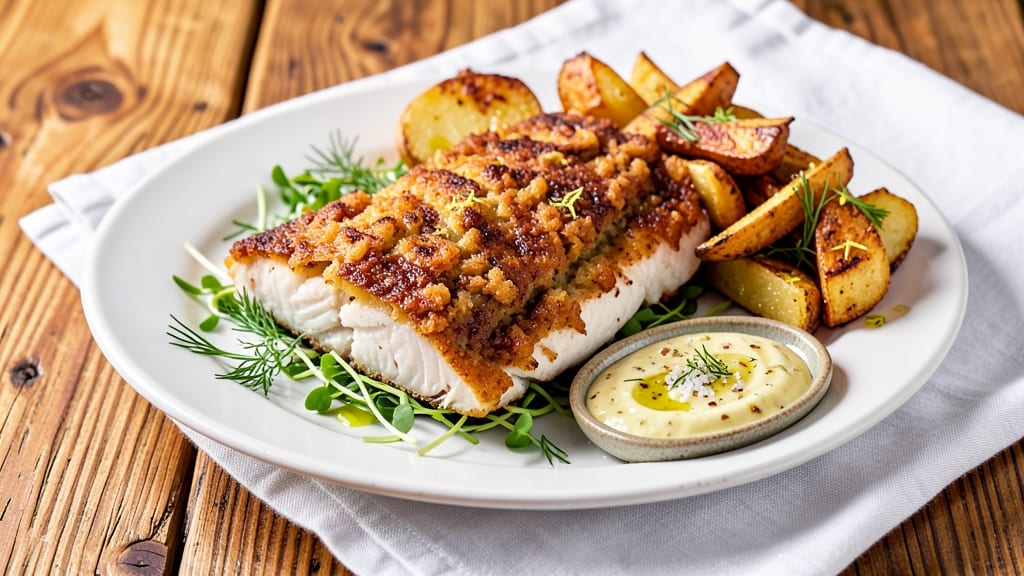
This baked potato crusted cod recipe transforms simple ingredients into a dish that delivers crispy golden crust and flaky fish magic in every bite. The secret lies in blending mashed potatoes with seasonings to create a sturdy, flavorful coating that stays perfectly crisp while protecting tender cod inside.
I developed this recipe after years of perfecting the balance between texture and moisture—no more dry fish or soggy crusts.
What makes this recipe stand out is the technique: we start with a thin layer of seasoned potato mixture, then press the cod gently into it before baking. This ensures the crust adheres perfectly while maintaining that delicate fish texture.
The result is a restaurant-quality dish that's surprisingly simple to prepare, with minimal prep and just 20 minutes of oven time.
By the time you pull this dish from the oven, you'll have a golden, crispy crust that shatters slightly at the edges while hiding perfectly flaky cod underneath. The flavor is rich with herbs and garlic, balanced by the natural sweetness of the potatoes.
This recipe works beautifully as a main course or elegant appetizer—ideal for impressing guests without spending hours in the kitchen.
The best part? Leftovers reheat beautifully, making this an excellent meal prep option. Serve with lemon wedges, tartar sauce, or a fresh salad to complete the presentation. Here's how to create this showstopping dish that tastes like a seafood restaurant favorite.
Ingredients for baked potato crusted cod
The perfect blend of rustic potato and delicate cod creates a restaurant-worthy dish with minimal effort.
| Ingredient | Amount | Notes |
|---|---|---|
| Russet Potatoes 🥔 | 2 large | Baked until tender, skin removed |
| Cod Fillets 🐟 | 4 pieces | Skinless, 6 oz each, even thickness |
| Extra-Virgin Olive Oil 🫒 | 2 tbsp | For greasing baking dish |
| Fresh Dill 🌿 | ¼ cup | Chopped, stems removed |
| Garlic Cloves 🧄 | 4 cloves | Minced for seasoning |
| Lemon Zest 🍋 | 1 tbsp | From 1 medium lemon |
| Salt 🧂 | 1 ½ tsp | Diamond Crystal kosher salt |
| Ground Black Pepper 🌶️ | ½ tsp | Freshly ground preferred |
| Paprika 🌶️ | ½ tsp | Smoked variety for depth |
| Unsalted Butter 🧈 | 2 tbsp | Melted, for brushing |
| Lemon Juice 🍋 | 1 tbsp | Freshly squeezed |
| All-Purpose Flour 🌾 | 1 tbsp | For dusting work surface |
The potatoes are the foundation—Russet potatoes work best for their starch content and neutral flavor. Bake them until completely tender, then mash until completely smooth with no lumps (a food mill or fine-mesh sieve helps). For the cod, skinless fillets of even thickness ensure consistent cooking. I always buy Wild Alaskan cod from the seafood counter at Whole Foods—it stays flaky and never dries out. If you can't find it fresh, high-quality frozen cod works perfectly when fully thawed.
No fresh dill? Dried dill at one-quarter the amount works in a pinch, though fresh is ideal for that bright, herbal note. The lemon zest and juice can be swapped for white wine vinegar if needed, but fresh citrus adds brightness that's hard to replicate. For the paprika, smoked variety adds depth, but regular paprika works too. The butter brushing is non-negotiable—it creates that golden, crispy crust while keeping the fish moist inside. If you're short on time, olive oil brushing works but yields slightly less crispiness.
Prep the potato mixture ahead and store it covered in the fridge for up to 2 days—it actually flavors better overnight. The cod should be patted completely dry before pressing into the potato mixture to ensure a perfect crust. Baked cod reheats beautifully—just 5 minutes at 350°F restores that crispy exterior. For meal prep, portion the baked cod into single servings and freeze with parchment between pieces to prevent sticking. Keeps for 3 months frozen.
Why You'll Love This Recipe
- One-Pan Magic: I swear by this for lazy nights—just mash the potatoes, press them onto the cod, and bake. No bowls to wash, no flipping, just hands-off time while dinner happens.
- Crispy-Creamy Magic: That potato crust? Chef’s kiss. It’s got a satisfying crunch on the outside while the cod stays tender—like a hug from the sea, but better. The dill and garlic make it taste like a fancy dinner, not a weekday hack.
- Weeknight Hero: Between us, this feeds my family of four (plus my dog, who steals bites) and still leaves seconds. Double the batch, store the leftovers for lunch—no sad, soggy fish here.
- Budget Bright Spot: Cod’s affordable, potatoes are cheap, and you’re using every bit. The crust hides any fishy taste, so it’s foolproof for picky eaters (or my skeptical teen). Plus, it’s way prettier than takeout.
Step-by-step instructions for baked potato crusted cod
Here's how to create a restaurant-worthy crust that delivers both texture and flavor perfection.
Prepare the Potato Crust Base
Preheat your oven to 400°F and line a baking sheet with parchment paper. Place the 2 large Russet Potatoes on the sheet, pierce them with a fork in several places, and bake for 45-50 minutes until completely tender when pierced with a knife. The key here is even cooking—rotate the sheet halfway through for consistent doneness.
Once baked, let the potatoes cool slightly, then carefully peel away the skin using a paring knife. Transfer the flesh to a food processor and pulse until you achieve a fine, crumbly texture—similar to breadcrumbs but with a slightly moist consistency. You want it to hold together when pressed but still be light enough to create a crispy crust. If it feels too wet, add 1 tablespoon of all-purpose flour and pulse again.
Season and Shape the Cod Fillets
While the potatoes cool, prepare the seasoning mixture by combining 1.5 teaspoons salt, 0.5 teaspoon ground black pepper, 0.5 teaspoon paprika, 1 tablespoon lemon zest, and 4 cloves minced garlic cloves in a small bowl. Pat each of the 4 pieces cod fillets dry with paper towels—this is critical for achieving that crispy crust later.
Lightly dust a clean work surface with 1 tablespoon all-purpose flour to prevent sticking. Place each cod fillet on the surface and spread about 1 tablespoon of the potato mixture evenly over the top, pressing gently to adhere. Fold the edges of the potato crust up and over the sides of each fillet to create a sealed parcel—this ensures the crust stays intact during baking.
Create the Baking Dish Setup
Lightly grease a 9x13-inch baking dish with 2 tablespoons extra-virgin olive oil, spreading it evenly with a paper towel. Arrange the seasoned cod fillets in the dish, spacing them about 1 inch apart. In a small bowl, whisk together 1 tablespoon lemon juice and 2 tablespoons melted unsalted butter, then pour this mixture evenly over the top of each fillet.
Sprinkle the remaining potato crust mixture evenly over the cod, pressing down gently to ensure good contact. This final layer creates the signature crispy exterior while keeping the fish moist inside. The lemon-butter mixture will infuse flavor and help create a golden-brown finish.
Bake to Crispy Perfection
Transfer the baking dish to the preheated oven and bake for 15-18 minutes until the crust is deep golden brown and the fish flakes easily with a fork. You'll know it's ready when the crust has developed a crisp texture and the internal temperature reaches 145°F—this is the sweet spot for cod's delicate texture.
During the last 2 minutes of baking, sprinkle the 0.25 cup chopped fresh dill evenly over the top for a bright, herbal finish. The dill should be distributed evenly to complement each bite. Remove from the oven and let rest for 5 minutes before serving—this allows the juices to redistribute and ensures each piece stays moist.
Serve with Confidence
Use a fish spatula to carefully transfer each piece to serving plates, being mindful of the delicate crust. The exterior should be crispy enough to hold its shape when lifted, while the interior remains tender and flaky. Serve immediately with additional lemon wedges and a side of steamed vegetables or a fresh salad to complement the rich, savory flavors.
This technique transforms simple ingredients into an elegant dish where the crispy potato crust contrasts beautifully with the delicate cod. The key is in the preparation—properly seasoned, evenly coated, and baked at the right temperature to achieve that perfect balance of textures.
Pro Tips For Making Baked Potato Crusted Cod
- USE A MANDOLINE FOR POTATO SLICES: Thin, even slices are the secret to a crispy crust—no guesswork with a mandoline. I learned this the hard way when my first batch turned out lumpy and uneven. Aim for ⅛-inch slices, and don’t stack them too high or they’ll steam instead of crisp.
- DRY THE COD WELL BEFORE CRUSTING: Pat those cod fillets completely dry with paper towels—wet skin means a soggy crust. I used to skip this, and my crust would always fall apart. Take the extra 30 seconds; your crust will thank you.
- PRESS THE CRUST FIRMLY IN PLACE: Don’t just drop the potato slices on top—they’ll slide off when you flip it. Press each slice gently but firmly into the fish, especially the edges. This isn’t the prettiest method, but it’s the tastiest.
- BAKE AT 400°F UNTIL GOLDEN, NOT JUST DONE: Cod cooks fast, but the crust needs time to crisp—don’t pull it at 165°F. Bake until the edges are deep golden, about 12-15 minutes total. I was skeptical until I tried it; the texture changes everything.
Serving suggestions for baked potato crusted cod
Bright Lemon Sides
Fresh lemon wedges are a must—squeeze them over each piece right before serving to cut through the richness of the potato crust. I like to serve them in a small bowl with a sprig of fresh dill on top for that restaurant-quality touch.
The acidity enhances the cod's natural sweetness while adding a refreshing contrast. 🍋
For an extra zing, prepare a quick lemon aioli by mixing 2 tablespoons mayonnaise, 1 tablespoon lemon juice, and ½ teaspoon lemon zest. Drizzle it alongside the cod for a creamy, tangy complement that pairs perfectly with the crispy crust.
Crunchy Vegetable Contrasts
Steamed asparagus with a sprinkle of toasted almonds adds a satisfying crunch that balances the soft cod. Toss 1 bunch asparagus in 1 tablespoon olive oil, roast at 400°F for 12 minutes, then top with ¼ cup sliced almonds toasted in a dry pan for 2 minutes.
The nutty crunch contrasts beautifully with the potato crust.
A simple green salad with arugula, shaved fennel, and radicchio dressed in a light white balsamic vinaigrette keeps the meal fresh and vibrant. The peppery arugula cuts through the richness, while the fennel adds a subtle anise note that complements the cod's delicate flavor.
Rich Sauce Pairings
Tartar sauce is a classic choice—mix ½ cup mayonnaise, 1 tablespoon capers, 1 tablespoon chopped pickles, 1 teaspoon Dijon mustard, and 1 tablespoon chopped chives. The briny capers and pickles add depth that stands up to the cod's mild flavor.
For something lighter, try a dill yogurt sauce by blending ½ cup Greek yogurt, 1 tablespoon lemon juice, 1 tablespoon chopped fresh dill, and ½ teaspoon salt. This creamy, tangy sauce adds a refreshing contrast to the crispy crust without overpowering the fish.
Bread Service
A warm baguette or crusty sourdough is perfect for soaking up any extra lemon aioli or tartar sauce. Toast the bread lightly and serve it in a basket with a sprinkle of flaky sea salt—the crusty texture contrasts wonderfully with the soft cod and crispy potato topping.
For a gourmet touch, prepare garlic butter bread by mixing 2 tablespoons softened butter with 1 minced garlic clove and ½ teaspoon chopped parsley. Spread it on sliced baguette and toast until golden. The garlic-infused butter adds an extra layer of flavor that ties the whole meal together. 🥖
Nutrition facts
Frequently asked questions
Can I use sweet potatoes instead of Russet potatoes for the crust?
Sweet potatoes will work, but the flavor and texture will differ. Russet potatoes have a neutral taste and higher starch content that creates the ideal crispy crust. Sweet potatoes add natural sweetness and a moister texture, which may make the crust less crisp. If you prefer sweet potatoes, reduce the baking time by 5 minutes and add ½ teaspoon cinnamon to complement their flavor.
How do I prevent the crust from becoming soggy?
The key is proper preparation and baking technique. First, pat the cod fillets completely dry before coating. Then, bake at 400°F for the full 15-18 minutes—don't cut the time short. For extra insurance, place a wire rack on the baking sheet before adding the dish to allow air circulation. This helps the crust crisp while keeping the fish moist inside.
Can I make this recipe ahead of time?
The potato crust mixture can be prepared up to 2 days in advance and stored in the fridge. For the full dish, bake it and let it cool completely, then refrigerate for up to 2 days. To reheat, cover with foil and warm at 350°F for 10 minutes. For freezing, assemble the cod, bake until just cooked (internal temp 140°F), then cool completely and freeze for up to 3 months.
What if my cod fillets are different sizes?
Adjust the baking time based on thickness, not weight. For thicker fillets (>1 inch), increase baking time by 2-3 minutes. For thinner pieces (<½ inch), reduce by 2 minutes. Always check the internal temperature with a meat thermometer—it should reach 145°F for perfect doneness. The crust will crisp at slightly different rates depending on thickness, so monitor closely.
Can I substitute cod with another white fish?
Yes, but texture and flavor will vary. Halibut or haddock work well as they have similar firmness. Avoid delicate fish like tilapia or flounder—they may fall apart when wrapped. For best results, choose a fish with a neutral flavor and similar texture to cod. If substituting, reduce baking time by 1-2 minutes as white fish cooks faster than cod.