
Desserts
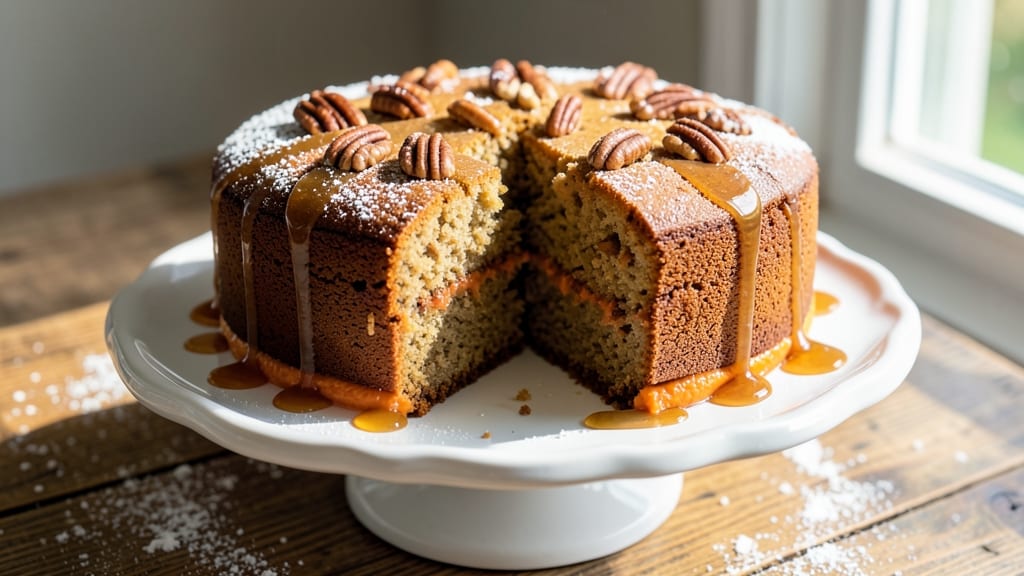
This Southern sweet potato pound cake delivers the perfect balance of spiced moistness and buttery crust that feels like a warm hug from Grandma. 💛 The secret lies in blending sweet potatoes with classic Southern flavors—cinnamon, nutmeg, and brown sugar—creating a tender crumb that stays moist for days.
I developed this recipe after years of perfecting the texture, ensuring it’s rich, fragrant, and just sweet enough to satisfy any dessert craving.
The cake’s magic comes from a few key techniques: using mashed sweet potatoes for natural sweetness and moisture, and a buttery crust that adds a delicate crunch. Unlike traditional pound cakes, this version incorporates warm spices that elevate it from ordinary to downright irresistible.
The result? A slice that’s tender, lightly spiced, and packed with that comforting Southern charm.
Baking at a precise temperature ensures a golden top and perfectly set edges, while the moist interior stays soft and flavorful. The buttery crust adds a touch of elegance, making it ideal for holidays, brunch, or a cozy afternoon treat.
Whether you’re serving it warm with a dusting of powdered sugar or at room temperature with a scoop of vanilla ice cream, this cake is a showstopper.
This recipe is designed to be foolproof, with clear instructions for mixing, baking, and achieving that signature Southern texture. Ready to bake a cake that tastes like home? Let’s get started!
Ingredients for southern sweet potato pound cake
Twelve simple ingredients blend Southern warmth with tender sweetness for a cake that feels like home.
| Ingredient | Amount | Notes |
|---|---|---|
| Sweet Potatoes 🍠 | 2 cups | Mashed, cooked, no skin |
| All-Purpose Flour 🌾 | 3 cups | Sifted, spooned lightly |
| Granulated Sugar 🍚 | 1 ½ cups | White or light brown |
| Light Brown Sugar 🍚 | ½ cup | Packed firmly |
| Unsalted Butter 🧈 | 1 ½ cups | Room temperature, cubed |
| Large Eggs 🥚 | 4 whole | Room temperature |
| Vanilla Extract 🌿 | 2 tsp | Pure, high-quality |
| Ground Cinnamon 🌶️ | 2 tsp | Freshly ground preferred |
| Ground Nutmeg 🌶️ | ½ tsp | Freshly grated |
| Ground Ginger 🌶️ | ½ tsp | Freshly ground |
| Salt 🧂 | 1 tsp | Diamond Crystal kosher |
| Powdered Sugar 🍚 | ¼ cup | For dusting crust |
| Almond Flour 🌰 | ½ cup | For buttery crust |
The sweet potatoes are the heart of this cake. Look for vibrant orange sweet potatoes—the deeper the color, the sweeter and more flavorful they’ll be. Trader Joe's and Whole Foods often carry the best organic varieties, but any well-stocked grocery store will have them. Cook them until completely tender, then mash them smooth—no lumps, no chunks. The texture should be silky, almost like a thick puree. If you're short on time, a 15-minute microwave mash works in a pinch, though stovetop yields the best flavor. For the spices, Penzeys or McCormick ground spices are my go-to—they’re consistent and pack a punch.
No sweet potatoes? Canned pumpkin puree works in a bind, but reduce the sugar slightly since pumpkin is naturally sweeter. Swapping the almond flour for crushed graham crackers gives the crust a different texture but still delicious. Freshly ground spices make all the difference—if you’ve got whole spices, toast and grind them yourself. The butter should be at room temperature but not melted, so let it sit out for 30 minutes before mixing. For the crust, Trader Joe’s almond flour is my favorite, but any finely ground almond flour will do. If you can’t find almond flour, crushed pecans add a lovely Southern twist.
Store the cake in an airtight container at room temperature for up to 3 days, or refrigerate for 5 days if you want to keep it fresh longer. The crust stays crisp for about 2 days, so enjoy it while it’s at its best. For leftovers, reheat slices in the oven at 300°F for 5-10 minutes to restore the crust’s crunch. Freeze the cake in slices for up to 3 months—just thaw at room temperature before serving. This cake is even better the next day, so bake extra for a cozy treat later in the week.
Why You'll Love This Recipe
- No Boil, No Hassle: I just microwave the sweet potatoes whole—peel, slice, and zap for 8 minutes. That’s it. No waiting for water to boil, no peeling mess, and the texture stays velvety smooth.
- Sweet & Spiced Magic: That combo of brown sugar and butter? It’s like a hug in cake form. The sweet potatoes add natural sweetness, but the molassesy brown sugar takes it to ridiculously good—especially with a dusting of cinnamon.
- Breakfast or Dessert: Honestly, I eat this for breakfast with a smear of butter, and my kids beg for it after dinner with whipped cream. It’s that versatile. No judgment here.
- Budget-Friendly Stretch: Sweet potatoes are cheap, and this recipe makes two loaves. I freeze one for lazy mornings or when company drops by unexpectedly. Less waste, more cake.
Step-by-step instructions for Southern sweet potato pound cake
Here's how to create a tender, spiced cake with a buttery crust that stays moist for days.
👨🍳 Step 1: Prepare the Sweet Potato Base
Peel and cube 2 cups of sweet potatoes, then steam or boil until fork-tender (about 15-20 minutes). Drain well and mash until completely smooth—no lumps. I like to press the mashed sweet potatoes through a fine-mesh sieve to ensure an ultra-silky texture. This step is crucial for that signature moist crumb.
Let the mashed sweet potatoes cool completely before using. Warm sweet potatoes can cause the butter to melt prematurely when mixed, leading to a dense cake. Spread the cooled mash on a baking sheet and refrigerate for 30 minutes to firm up slightly—this helps with the next steps.
🍳 Step 2: Cream Butter and Sugars
In a stand mixer fitted with the paddle attachment, beat the 1.5 cups unsalted butter (at room temperature) with the 1.5 cups granulated sugar and 0.5 cup packed light brown sugar on medium speed for 3-4 minutes. The mixture should become light and fluffy, nearly doubling in volume. This creaming process incorporates air, which creates that classic pound cake texture.
Scrape down the sides of the bowl with a rubber spatula to ensure even mixing. The butter should be completely smooth with no visible lumps. If it looks grainy, beat for another 30 seconds—this prevents a dense final product. Here's where the magic happens: proper creaming makes all the difference.
👨🍳 Step 3: Add Eggs and Spices
Add the 4 large eggs (at room temperature) one at a time, mixing on low speed after each addition until fully incorporated. Then add the 2 teaspoons vanilla extract, 2 teaspoons ground cinnamon, 0.5 teaspoon ground nutmeg, 0.5 teaspoon ground ginger, and 1 teaspoon salt. Mix on low speed just until combined—about 30 seconds total.
I always use freshly ground spices for maximum flavor impact. The warm spices complement the sweet potatoes perfectly, creating that classic Southern flavor profile. Don't overmix here—just until everything is evenly distributed. The batter should be thick but pourable.
🥘 Step 4: Combine Dry Ingredients and Fold
In a separate bowl, whisk together the 3 cups all-purpose flour and 0.5 cup almond flour (sifted if not already fine). Gradually add the dry mixture to the wet ingredients in 3 additions, mixing on low speed just until combined after each addition. Be careful not to overmix—stop as soon as the flour disappears.
Gently fold in the mashed sweet potatoes using a silicone spatula. The batter will be thick and slightly sticky—this is normal. The almond flour adds a subtle nutty depth while keeping the cake tender. Don't worry if it looks like too much sweet potato—it'll come together beautifully in the oven.
🔥 Step 5: Prepare and Bake the Cake
Preheat your oven to 350°F. Generously grease a 10-inch tube pan and dust with flour, tapping out any excess. Pour the batter into the prepared pan and smooth the top with a spatula. Sprinkle the 0.25 cup powdered sugar evenly over the top for that classic buttery crust.
Bake for 50-60 minutes until a toothpick inserted in the center comes out clean. The cake should be golden brown and spring back when gently pressed. For even baking, rotate the pan halfway through the baking time. Let the cake cool in the pan for 10 minutes, then invert onto a wire rack to cool completely before slicing.
Pro Tips For Making Southern Sweet Potato Pound Cake
- Boil Sweet Potatoes Until Fork-Tender: I learned this the hard way—undercooked sweet potatoes turn your cake dense and gummy. Boil them until they collapse like overripe fruit when pierced with a fork (about 20-25 minutes for medium-sized tubers). Overcooking won’t hurt, but stopping just shy of mush keeps the texture light.
- Sift Flour Twice for Lighter Layers: Southern pound cakes rely on that tender crumb, and sifting flour twice removes lumps that create tough pockets. Use a fine-mesh sieve and tap it firmly against the bowl—no need to overthink it, just consistent pressure. (Yes, even if you’re impatient like me.)
- Don’t Overmix the Batter: After adding the eggs, mix just until the flour disappears—about 15 strokes max. I used to beat this batter like I was kneading bread, and the result? A cake with the texture of a hockey puck. Let the leavening agents do their job without overworking the gluten.
- Bake Until Internal Temp Hits 205°F: Skip guessing with toothpicks—this cake’s done when the center reaches 205°F. I know, I know, it seems high, but sweet potatoes release moisture slowly, and you want every bite to be moist, not doughy. (Your future self will thank you for the instant-read thermometer.)
Common mistakes when making great southern sweet potato pound cake
Overmixing the Batter
I’ve ruined more pound cakes than I’d like to admit by overmixing the batter. Once you add the flour, mix just until combined—about 20-30 seconds total. Overmixing develops gluten, which makes the cake tough instead of tender.
The batter should look slightly streaky, not completely smooth. Trust the process: stop mixing as soon as the flour disappears. 💛
Skipping the Cooling Step
Warm sweet potatoes will melt the butter prematurely, leading to a dense, greasy cake. Always let your mashed sweet potatoes cool completely before mixing. Spread them on a baking sheet and refrigerate for 30 minutes to firm up. This small step makes a huge difference in texture—don’t rush it!
Incorrect Pan Prep
A poorly greased or floured pan causes sticking and uneven baking. Use a 10-inch tube pan and grease it thoroughly with butter or baking spray, then dust with flour, tapping out excess.
I like to use a pastry brush for even coverage. If the cake sticks, it’s a sign you didn’t prep the pan properly.
Overbaking or Underbaking
Bake until a toothpick comes out clean—but don’t overdo it! This cake is best when slightly underdone in the center. At 350°F, it should take 50-60 minutes. Overbaking dries out the cake, while underbaking leaves it gummy.
Rotate the pan halfway through for even baking. The edges should pull away from the pan, but the center should still jiggle slightly.
Using Cold Ingredients
Cold butter, eggs, or sweet potatoes can cause the batter to separate or the cake to turn out dense. Let your butter, eggs, and mashed sweet potatoes sit at room temperature for 30 minutes before mixing.
Cold ingredients slow down the chemical reactions needed for a light, fluffy texture. Pro tip: Place eggs in warm water for 5 minutes to speed up the process.
Ignoring the Crust
The powdered sugar crust is what makes this cake special! Don’t skip it—sprinkle ¼ cup powdered sugar evenly over the top before baking. If you forget, the cake will still be delicious, but that buttery, crunchy crust is worth the effort.
For extra flair, press the sugar lightly with your fingers to create a smooth, even layer.
Nutrition facts
Frequently asked questions
Can I substitute sweet potatoes with pumpkin?
Yes, you can use canned pumpkin puree in a pinch, but reduce the sugar slightly since pumpkin is naturally sweeter. For best results, use 2 cups pumpkin puree and cut the granulated sugar to 1 cup instead of 1.5 cups. The texture will be slightly different but still delicious!
Why does my cake turn out dense?
Dense cake usually happens from overmixing or using warm sweet potatoes. Let your mashed sweet potatoes cool completely before mixing, and mix the batter just until combined—about 20-30 seconds after adding flour. Cold ingredients and gentle mixing ensure a tender crumb.
How do I store this cake for maximum freshness?
Keep the cake in an airtight container at room temperature for up to 3 days, or refrigerate for 5 days. For longer storage, freeze slices wrapped in plastic for up to 3 months. The crust stays crisp for about 2 days, so enjoy it while fresh!
Can I make this cake gluten-free?
Yes! Replace the 3 cups all-purpose flour with a 1:1 gluten-free flour blend (like Bob's Red Mill). Add 1 teaspoon xanthan gum to help bind the batter. The texture will be slightly different but still moist and flavorful.
What's the best way to serve this cake?
Warm slices with a dusting of powdered sugar make a cozy treat, or serve at room temperature with vanilla ice cream. For extra flair, drizzle with caramel sauce or top with whipped cream. It's perfect for holidays, brunch, or a comforting afternoon snack!