
Side Dishes
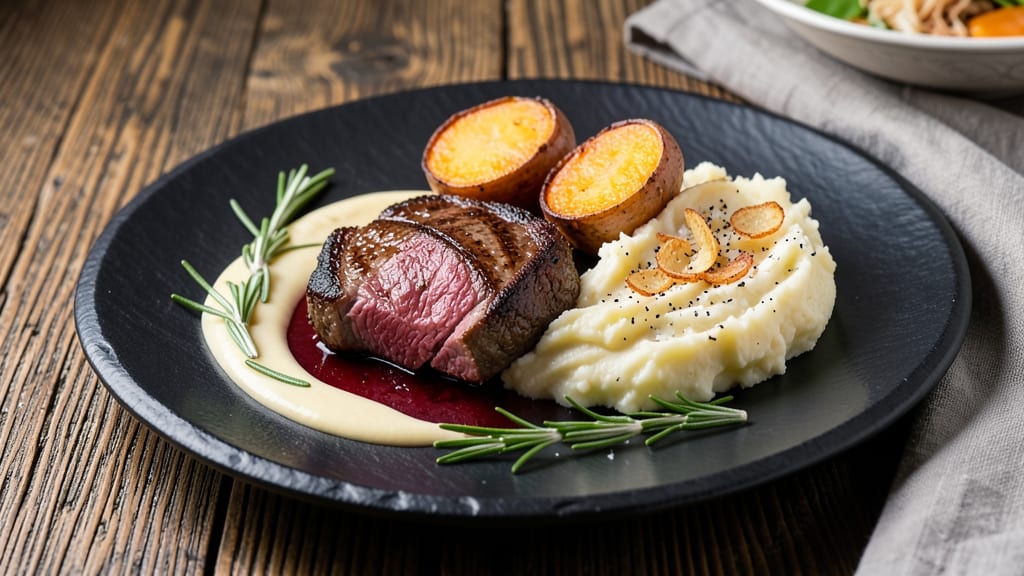
This steak and sweet potato mash recipe transforms a classic comfort food into a restaurant-worthy dish with rich, velvety sweet potatoes and perfectly seared steak.
The secret lies in balancing natural sweetness with umami depth—roasting the sweet potatoes until tender, then blending them with butter and a touch of cream for that signature creamy texture. Meanwhile, the steak develops a deep, caramelized crust while staying juicy inside, thanks to a simple yet precise seasoning technique.
The beauty of this dish is in its simplicity: no fancy equipment or complicated steps, just high-quality ingredients working together. Start with medium-rare steak (about 1-inch thick) seasoned generously with salt and pepper, then sear in a screaming-hot cast-iron skillet for that coveted crust.
While the steak rests, the sweet potatoes roast until fork-tender, ready to be mashed into a smooth, buttery purée. The contrast between the tender steak and the silky mash creates a harmonious balance that’s both satisfying and elegant.
What makes this recipe truly special is how it elevates everyday ingredients into something extraordinary. The mash isn’t just sweet—it’s infused with subtle savory notes from the steak’s pan juices, while the steak benefits from the earthy sweetness of the mash.
Serve it with a drizzle of steak sauce or a sprinkle of fresh herbs for added brightness, and pair it with a crisp green salad or roasted asparagus to round out the meal.
This dish is perfect for a cozy weeknight dinner or a special occasion—it’s hearty enough to stand alone but versatile enough to complement other proteins. The key is timing: let the steak rest while you mash the potatoes, ensuring everything comes together at the same time.
With just a few simple steps, you’ll have a meal that feels indulgent yet approachable, proving that comfort food can be sophisticated too.
Ingredients for steak and sweet potato mash
High-quality steak and sweet potatoes transform into a restaurant-worthy dish with rich umami and velvety texture.
| Ingredient | Amount | Notes |
|---|---|---|
| Medium-Rare Ribeye Steak 🥩 | 1 ½ lb | 1-inch thick, trimmed of fat |
| Large Sweet Potatoes 🍠 | 4 whole | Organic preferred, skin-on |
| Unsalted Butter 🧈 | ¾ cup | Cold, cut into chunks |
| Heavy Cream 🥛 | ½ cup | Full-fat for creaminess |
| Kosher Salt 🧂 | 2 tsp | Diamond Crystal preferred |
| Freshly Ground Black Pepper 🌶️ | 1 ½ tsp | Coarsely ground |
| Garlic Cloves 🧄 | 4 cloves | Roasted for depth |
| Extra-Virgin Olive Oil 🫒 | 2 tbsp | For roasting and searing |
| Fresh Thyme Leaves 🌿 | ¼ cup | Chopped, stems removed |
| Steak Sauce 🍅 | 2 tbsp | Homemade or quality store-bought |
| Fresh Parsley 🌿 | 0.15 cup | Chopped, for garnish |
The ribeye steak is the foundation—look for USDA Choice or Prime with good marbling at Whole Foods or your local butcher. Costco often has excellent pre-trimmed cuts for convenience. For the sweet potatoes, organic is ideal to avoid bitterness, but conventional works fine. Roast them whole for even cooking, then peel before mashing. The butter should be European-style if possible, as it has a higher fat content for a creamier result. Fresh thyme and parsley elevate the dish, so grab them from the grocery store's produce section—look for vibrant, fragrant bunches.
No ribeye? New York strip or filet mignon work well, though ribeye's fat content adds flavor. Substitute heavy cream with coconut cream for a dairy-free option, though texture will differ slightly. If you're short on time, pre-roasted sweet potatoes from the grocery store's deli section save effort. For the steak sauce, homemade with red wine and shallots adds depth, but quality store-bought brands like Heinz or French's are perfectly acceptable. The garlic can be roasted whole with the sweet potatoes for a mellow, sweet flavor—simply squeeze the cloves after roasting.
Steak should rest at room temperature for 30 minutes before cooking for even doneness. Sweet potatoes keep 5-7 days in the fridge once peeled, but roast them fresh for best texture. Store any leftover mash in an airtight container with a layer of plastic wrap pressed against the surface to prevent browning. The steak reheats beautifully in a 350°F oven for 15 minutes, wrapped in foil with a splash of broth. For meal prep, portion the mash into containers and refrigerate for up to 4 days, reheating with a splash of cream to restore creaminess.
Why You'll Love This Recipe
- No-Fuss Steak Night: I’m talking actual dinner in under 45 minutes—peel and cube the sweet potatoes while the steak sears, then mash while it rests. That’s it. No side dishes to juggle, no last-minute scrambling.
- Rich, Unexpected Pairing: The buttery, velvety mash with the caramelized edges of the ribeye? It’s like a hug for your taste buds. Honestly, I didn’t think I’d love sweet potatoes this much—until the heavy cream and salt turned them into something luxurious.
- Weeknight or Weekend: This works for lazy Tuesdays and fancy-ish Fridays. Serve it with a simple salad for a no-stress weeknight, or add roasted asparagus and a glass of wine for a date-night vibe. Same dish, two totally different feels.
- Leftovers That Don’t Suck: Steak stays juicy for days, and the mash? Even better reheated with a splash of cream. I’ve turned Sunday’s dinner into Monday’s lunch without a second thought—no sad, dry leftovers here. Budget win, too.
Step-by-step instructions for steak and sweet potato mash
Master this luxurious pairing with perfectly seared steak and velvety sweet potato mash infused with umami depth.
Roast Sweet Potatoes Until Fork-Tender
Preheat oven to 400°F. Pierce each of the 4 whole large sweet potatoes with a fork in several places to allow steam to escape. Rub the skins generously with 1 tablespoon of the extra-virgin olive oil to promote crispiness. Arrange them on a baking sheet in a single layer, skin-side up.
Roast for 45-50 minutes until a knife slides in easily with just slight resistance. The potatoes should feel soft when squeezed gently but not collapse completely. Rotate the tray halfway through cooking for even browning. The skins will develop a golden hue while the flesh transforms into a creamy, orange-yellow interior perfect for mashing.
Sear the Ribeye to Medium-Rare Perfection
While potatoes roast, heat a cast-iron skillet over medium-high heat until smoking hot. Add the 1.5 lb medium-rare ribeye steak and sear for 3-4 minutes per side for a 1-inch thick cut, pressing gently during the first minute to prevent curling. Season immediately after searing with 1 teaspoon of the kosher salt and ¾ teaspoon of the freshly ground black pepper.
For the final 2 minutes, add 2 tablespoons of the unsalted butter and the 4 roasted garlic cloves (lightly charred in a dry pan for 2 minutes until golden). Baste the steak with the melted butter, then transfer to a cutting board. Let rest for 10 minutes before slicing against the grain into ¼-inch thick strips—this ensures maximum juiciness in every bite.
Create the Umami-Infused Sweet Potato Mash
Drain the roasted sweet potatoes and return them to the baking sheet. Using a potato masher or ricer, break them into chunks while still warm. Transfer to a mixing bowl and add the remaining 0.5 cup unsalted butter (cut into chunks), 0.5 cup heavy cream, remaining 1 teaspoon kosher salt, and remaining ¾ teaspoon black pepper. Mash until completely smooth, scraping the bottom of the bowl occasionally.
For the umami depth, stir in 2 tablespoons steak sauce and 0.25 cup chopped fresh thyme leaves. Fold gently to combine—this creates a luxurious mash with subtle steakhouse notes. The texture should be silky yet slightly rustic, with visible flecks of butter throughout. If too thick, add 1-2 tablespoons hot water to reach your desired consistency.
Finish and Serve with Garnish
Return the mash to the baking sheet and broil for 2-3 minutes until lightly browned on top. This step adds a delicate crispness to contrast the creamy texture. Meanwhile, slice the rested steak against the grain into ¼-inch thick strips. Spoon the mash onto plates, creating a generous base, then arrange the steak strips on top.
Drizzle with any remaining pan juices from the steak and garnish with 0.15 cup chopped fresh parsley. The parsley adds a bright contrast to the rich flavors while the steak's juices create a glossy finish. Serve immediately while the mash is warm and the steak is still carrying its perfect medium-rare temperature.
Pro Tips For Making Steak And Sweet Potato Mash
- USE A THICK CUT STEAK: Ribeye loses moisture fast when sliced thin—go for at least 1.5 inches thick. I learned this the hard way after serving a dry steak that had been cut pre-order. If your butcher won’t trim it, ask for the thickest piece they’ve got. The extra fat also keeps the sweet potatoes from stealing all the flavor during resting.
- PEEL AND CUBE COLD POTATOES: Sweet potatoes are stubborn when hot. Cool them completely after boiling, then peel and cut into even 1-inch cubes—no need to rush. This prevents uneven cooking in the mash and makes mashing smoother. (Yes, even if you’re impatient like me.)
- SALT THE CREAM FIRST: Heavy cream needs salt to taste right, and adding it later means you’ll either miss it or overdo it. Mix ½ teaspoon kosher salt into the cream while warming it—this guarantees seasoning without guessing. I skip this and always wonder why the mash tastes flat.
- REST STEAK ON THE PLATE: Don’t move it to a cutting board right away—rest the steak on the same plate it cooked on, tented with foil. The residual heat finishes cooking while the juices redistribute. I used to transfer it immediately and ended up with a steak that was perfect on the outside but dry inside.
Troubleshooting great steak and sweet potato mash
Overcooked Sweet Potatoes
If your sweet potatoes feel mushy or fall apart when pierced, they’ve likely been overcooked. This happens when roasted beyond 50 minutes at 400°F. To salvage them, mash immediately while still warm—they’ll hold together better than cold potatoes.
For next time, check doneness at 45 minutes by inserting a knife; it should slide in easily but meet slight resistance. 🌟
Dry or Grainy Mash
A dry, grainy mash usually means not enough liquid or overworking the potatoes. Add 1-2 tablespoons hot milk or cream while mashing, and use a ricer instead of a fork for ultra-smooth texture.
I’ve found that European-style butter (like Plugrá) adds more moisture than regular butter. For extra creaminess, fold in 1 tablespoon sour cream at the end.
Steak Too Tough or Dry
An overcooked steak loses moisture and becomes tough. Use a meat thermometer to check for 130-135°F internal temp (medium-rare). If your steak is dry, slice it thinner (¼-inch) and serve with extra pan juices.
For future attempts, let the steak rest for 10-15 minutes before slicing—this redistributes juices. A Lodge cast iron skillet helps retain heat for even cooking.
Uneven Cooking in Steak
Uneven cooking often happens with thicker cuts or inconsistent heat. For 1-inch thick steaks, sear on medium-high heat for 3-4 minutes per side. Avoid moving the steak too early—let it develop a crust before flipping.
If your pan isn’t hot enough, the steak will steam instead of sear. I recommend preheating the skillet for 5 minutes before adding oil and steak.
Mash Too Thin or Watery
Thin mash usually means too much liquid was added. Start with ½ cup heavy cream and adjust gradually—1 tablespoon at a time. For a thicker consistency, mash the potatoes while still hot and let them sit for 2-3 minutes before adding cream.
If the mash separates, gently reheat it in a saucepan with 1 tablespoon butter over low heat, stirring constantly until smooth.
Steak Sauce Too Overpowering
If the steak sauce flavor dominates, reduce the amount to 1 tablespoon instead of 2 tablespoons. For a milder umami boost, replace it with 1 teaspoon soy sauce or Worcestershire sauce.
Balance the richness by adding ½ teaspoon smoked paprika or a pinch of ground cumin to the mash for depth without overpowering. 💫
Nutrition facts
Frequently asked questions
Can I use regular potatoes instead of sweet potatoes?
While you can substitute regular potatoes, the flavor and texture will differ significantly. Sweet potatoes have a natural sweetness and creamier texture that pairs beautifully with steak. If you must use regular potatoes, opt for Yukon Golds and add 1 teaspoon cinnamon or ½ teaspoon nutmeg to mimic the sweetness. The mash will be less rich but still delicious!
How do I keep the steak from sticking to the pan?
Preheat your cast-iron skillet over medium-high heat for 5 minutes before adding oil. Use 2 tablespoons high-smoke-point oil (like avocado or grapeseed) and let it get very hot before adding the steak. Pat the steak bone-dry with paper towels to remove excess moisture—this creates a better crust. Never move the steak until it releases naturally on its own!
What's the best way to reheat leftovers?
For the steak, wrap it in foil with a splash of beef broth and reheat in a 350°F oven for 15 minutes. The mash reheats best in a saucepan over low heat with 1 tablespoon butter or cream, stirring constantly until smooth. Never microwave the mash—it becomes gummy and loses its creamy texture. Reheat just until warm through!
Can I make this dish ahead of time?
Yes! Prepare the mash up to 2 days ahead and store it in an airtight container with plastic wrap pressed directly on the surface to prevent browning. Reheat gently with extra cream. For the steak, cook it fresh to avoid drying out, but you can prep the seasoning and marinade ahead. The flavors actually improve when components are made separately and combined at serving time!
What wine pairs best with this dish?
A bold Cabernet Sauvignon or Malbec complements the rich steak and sweet potatoes perfectly. For white wine lovers, try a Chardonnay with oak notes—the buttery profile enhances the mash. Avoid high-acid wines that might clash with the dish's richness. Red wine also works beautifully with the steak sauce component!