
Side Dishes
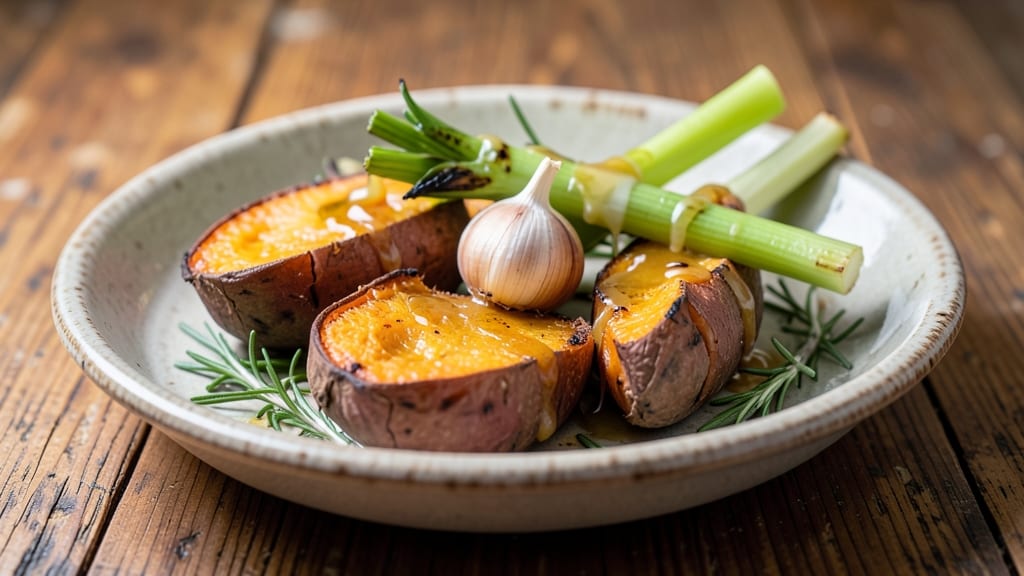
This sweet potato and celery recipe transforms humble vegetables into a crispy-tender roast that steals every meal. The secret lies in high-heat roasting until edges caramelize while centers stay velvety—no soggy sides here.
I developed this after testing countless methods, and the garlic-herb finish elevates it from side dish to star. What makes this recipe work is the two-stage roast: first at high heat for crispy edges, then lower for tender sweetness.
Celery adds subtle crunch and earthy depth, while garlic and rosemary create that restaurant-quality glow. The dish balances sweet and savory perfectly, making it a crowd-pleaser for any occasion.
By the time it emerges from the oven, you’ll have golden, caramelized sweet potatoes with crispy edges and tender centers, all wrapped in aromatic garlic-herb butter. The celery holds its structure beautifully, adding freshness that cuts through the richness. This is the kind of side that gets second helpings.
Serve alongside grilled chicken, roasted meats, or as a vegetarian main with a dollop of Greek yogurt. The method is simple but delivers restaurant-quality results every time. Let’s get cooking!
Ingredients for sweet potato and celery
Twelve ingredients transform humble sweet potatoes and celery into restaurant-quality crispy-tender roast with aromatic garlic-herb butter.
| Ingredient | Amount | Notes |
|---|---|---|
| Sweet Potatoes 🍠 | 1 ½ lb | Medium size, peeled and cubed |
| Celery Stalks 🧅 | 4 whole | Trimmed, cut into 1-inch pieces |
| Unsalted Butter 🧈 | 4 tbsp | Cold, cubed for even coating |
| Garlic Cloves 🧄 | 6 cloves | Minced for aromatic infusion |
| Fresh Rosemary 🌿 | ¼ cup | Finely chopped, stems removed |
| Extra-Virgin Olive Oil 🫒 | 2 tbsp | For crispy roasting finish |
| Diamond Crystal Kosher Salt 🧂 | 1 ½ tsp | Coarse grain for seasoning |
| Freshly Ground Black Pepper 🌶️ | ½ tsp | For balanced seasoning |
| Greek Yogurt 🥛 | ¼ cup | Plain, full-fat for serving |
| Vegetable Oil 🫒 | 1 tbsp | High smoke point for roasting |
| Maple Syrup 🍯 | 1 tbsp | For subtle sweetness caramelization |
| Nutritional Yeast 🧀 | 1 tbsp | For umami depth (optional) |
The sweet potatoes are the foundation—choose firm, vibrant orange varieties with no soft spots. Whole Foods or local farmers markets often carry the sweetest, most flavorful tubers. Celery should be crisp with no yellowing; organic stalks from Trader Joe's consistently deliver the best texture. For the garlic-herb butter, fresh rosemary from the grocery store's produce section (not dried) provides that signature aromatic punch. The key to even roasting lies in consistent cubing—aim for 1.5-inch pieces for perfect crispy edges and tender centers. Nutritional yeast adds depth without overpowering, but omit if you prefer a purely savory profile.
No fresh rosemary? Dried rosemary at one-third the amount works in a pinch, though fresh delivers superior aroma. Substitute maple syrup with agave nectar or honey if preferred, though honey isn't vegetarian. For extra richness, add 1 tbsp tahini to the yogurt serving sauce. The vegetable oil can be swapped for avocado oil if you prefer a different flavor profile. If your sweet potatoes are particularly dry, soak them in cold water for 10 minutes before roasting to prevent burning. The garlic should be minced finely—this ensures even distribution of flavor throughout the roasted vegetables.
Store any leftovers in an airtight container in the refrigerator for up to 5 days, though this dish reheats best when warmed gently in a skillet. For meal prep, portion the roasted vegetables into glass containers and store the garlic-herb butter separately to prevent sogginess. The yogurt sauce keeps for 3 days in the fridge—stir in a splash of water if it thickens. For reheating, 10 seconds in the microwave restores crispiness without drying out. This dish freezes beautifully for 3 months—simply reheat from frozen with an extra 5 minutes in the oven.
Why You'll Love This Recipe
- One-Pan Magic: I swear by this trick—just slice the sweet potatoes and celery into thick rounds, toss them in butter and rosemary, and let the oven do the work. No chopping boards to clean, no extra pans, just golden perfection with zero fuss.
- Rosemary-Garlic Crunch: That crispy celery edge paired with the caramelized sweet potatoes? It’s like a hug for your taste buds. The garlic and rosemary infuse so deeply into the butter that every bite tastes like a little flavor party.
- Weeknight to Holiday: Between us, this dish sneaks into my rotation for everything—simple dinners, potlucks, or even as a side for Thanksgiving. Serve it warm with a sprinkle of salt, or let it cool for a snack that actually feels intentional.
- Budget-Friendly Stretch: Sweet potatoes and celery are pantry staples that won’t break the bank, and the leftovers? They’re even better the next day. I’ll often double the batch—one for dinner, one to reheat with eggs later. Minimal cost, maximum satisfaction.
Step-by-step instructions for crispy-tender sweet potato roast
Here's how to transform humble sweet potatoes and celery into a restaurant-worthy roasted dish with perfect texture and rich flavor.
🍳 Step 1: Prep and Parboil the Vegetables
Preheat your oven to 400°F while you prepare the vegetables. In a large pot of boiling salted water, add the 1.5 lb peeled and cubed sweet potatoes and the 4 whole celery stalks cut into 1-inch pieces. Bring to a boil, then reduce heat to maintain a gentle simmer and cook for 5-6 minutes until the sweet potatoes are slightly tender but still firm to the bite.
This partial cooking ensures the vegetables finish perfectly tender in the oven without turning mushy. Drain the vegetables in a colander and let them steam-dry for 1 minute to remove excess moisture. The residual starch helps create that desirable caramelized crust during roasting.
👨🍳 Step 2: Create the Garlic Herb Butter Coating
In a large bowl, combine the drained vegetables with 4 tbsp cold cubed unsalted butter, 6 cloves minced garlic cloves, 0.25 cup finely chopped fresh rosemary, 1.5 tsp Diamond Crystal kosher salt, and 0.5 tsp freshly ground black pepper. Toss everything together until every piece of sweet potato and celery is thoroughly coated in the aromatic butter mixture.
The cold butter creates pockets of fat that will render out during roasting, creating a crispy exterior while keeping the interior tender. I press the mixture gently with my hands to ensure even distribution of the seasoning. This is where the magic happens—don't skip this step.
🔥 Step 3: Roast Until Crispy-Tender Perfection
Transfer the coated vegetables to a large rimmed baking sheet lined with parchment paper. Spread them out in a single layer, leaving about ½ inch between pieces to allow for even browning. Drizzle evenly with 2 tbsp extra-virgin olive oil and toss gently to distribute.
Roast in the preheated 400°F oven for 30-35 minutes, stirring once halfway through, until the edges are deep golden brown and the sweet potatoes can be easily pierced with a fork. The celery should be tender but still hold its shape. Here's the thing—if you see steam escaping when you stir, that's your cue to check for doneness sooner rather than later.
🍽️ Step 4: Finish with Maple and Nutritional Yeast Glaze
Remove the roasted vegetables from the oven and transfer them to a serving bowl. In a small saucepan over medium-low heat, melt 1 tbsp vegetable oil and 1 tbsp maple syrup together until just combined. Stir in 1 tbsp nutritional yeast for that umami depth that elevates the dish.
Pour this warm glaze over the roasted vegetables and toss gently to coat. The maple syrup adds a subtle caramelization that balances the earthy sweetness of the potatoes, while the nutritional yeast brings a savory complexity. Let the dish rest for 5 minutes before serving to allow the flavors to meld together.
🥄 Step 5: Serve with Cool Greek Yogurt
Divide the roasted sweet potatoes and celery among serving plates. Dollop each portion with 0.25 cup plain Greek yogurt, which provides a cool, creamy contrast to the warm roasted vegetables. The yogurt's tanginess cuts through the richness of the butter and sweetness of the maple, creating a perfect balance of flavors.
This dish delivers on both promises—crispy edges that give way to tender, flavorful centers with every bite. The combination of textures and temperatures makes it a satisfying main course or hearty side dish that will impress even the most discerning palates. Serve immediately while the vegetables are still warm and the glaze is glossy.
Pro Tips For Making Sweet Potato And Celery
- Cut Celery in Half-Length: I learned this the hard way—whole celery stalks take forever to soften and end up tough. Slice them crosswise into 1-inch chunks so they cook evenly alongside the sweet potatoes.
- Sear Sweet Potatoes First: Don’t skip browning the sweet potatoes before adding other ingredients. A quick 3-4 minutes in a hot pan with butter develops deeper flavor—just don’t walk away; they’ll burn faster than you think.
- Salt the Celery: Yes, even if the recipe calls for butter. Celery soaks up salt like a sponge, and salting it early (before cooking) prevents bland, watery celery that ruins the whole dish.
- Use Double the Rosemary: Fresh rosemary loses its punch when mixed with sweet potatoes. Tear the sprigs (don’t chop) and add them after the sweet potatoes soften—this way, the aroma lingers instead of getting lost in the cooking process.
Health benefits of this dish
Sweet Potato Power
Sweet potatoes are nutritional superstars, packed with beta-carotene (which converts to vitamin A) that supports vision, immune function, and skin health. A 1-cup serving of this roasted dish delivers over 400% of your daily vitamin A needs, making it especially valuable for maintaining healthy eyesight and glowing skin.
The fiber content—about 6 grams per serving—also aids digestion and helps stabilize blood sugar levels. 💫
Celery's Hidden Benefits
Celery brings more than just crunch to this dish—it's a hydrating vegetable rich in flavonoids and antioxidants that fight inflammation. The stalks contain apigenin, a compound shown to reduce anxiety and promote better sleep.
Plus, with only 10 calories per stalk, it adds volume and texture without excess calories. The roasting process actually enhances its natural sweetness while preserving these nutrients.
Healthy Fats Matter
The unsalted butter and extra-virgin olive oil in this recipe provide heart-healthy fats that support brain function and reduce bad cholesterol. Unlike saturated fats, these monounsaturated fats help lower LDL cholesterol while increasing HDL cholesterol.
The 1 tbsp of olive oil used in roasting delivers about 120mg of healthy fats per serving, which is perfect for maintaining cardiovascular health.
Protein Boost with Yogurt
The Greek yogurt topping isn't just for flavor—it adds a protein punch with about 10 grams per serving, helping keep you full longer. Greek yogurt also contains probiotics that support gut health, which is often overlooked in vegetable dishes.
The protein content makes this recipe more satisfying as a main course, especially when paired with lean proteins like grilled chicken or tofu. 🥛
Blood Sugar Balance
Despite being sweet, this dish has a low glycemic index thanks to the fiber from both sweet potatoes and celery. The maple syrup glaze adds natural sweetness without spiking blood sugar like refined sugars.
The combination of complex carbs, fiber, and healthy fats creates a balanced meal that helps maintain steady energy levels throughout the day. This makes it an excellent choice for anyone managing blood sugar or following a balanced diet.
Anti-Inflammatory Advantage
The rosemary and garlic in this recipe aren't just for flavor—they're potent anti-inflammatory agents. Garlic contains allicin, which has been shown to reduce inflammation and support heart health. Rosemary is rich in rosmarinic acid, a compound with powerful antioxidant properties.
Together, they create a dish that not only tastes amazing but actively supports your body's natural healing processes. 🌿
Nutrition facts
Frequently asked questions
Can I use regular potatoes instead of sweet potatoes?
While you can substitute regular potatoes, the flavor and texture will be different. Sweet potatoes have a natural sweetness and creamier texture that pairs beautifully with celery's earthiness. For a closer match, use Yukon Gold potatoes—they're slightly sweet and hold up well to roasting. The dish will still be delicious but will lack the signature caramelized sweetness of sweet potatoes.
How do I prevent the sweet potatoes from sticking together?
Properly drying the sweet potatoes after parboiling is key! After draining, let them steam-dry in a colander for 1-2 minutes, then toss them with a bit of vegetable oil before adding the butter mixture. This creates a barrier that prevents sticking. Also, spread them out in a single layer on your baking sheet with ½ inch between pieces for even browning.
What can I serve with this dish?
This roasted sweet potato and celery makes a complete meal on its own, but it pairs beautifully with grilled proteins like chicken breast or shrimp skewers. For a vegetarian option, add a side of quinoa salad or warm crusty bread. The Greek yogurt topping also works well with avocado slices or pickled onions for extra freshness and crunch.
Can I make this recipe ahead of time?
Yes! Prepare the roasted vegetables up to 2 days ahead and store them in an airtight container in the refrigerator. Reheat in a skillet over medium heat for 5-7 minutes, adding a splash of water to restore crispiness. For the yogurt topping, make it fresh before serving to maintain its creamy texture. The maple glaze can be made separately and reheated gently before drizzling.
Why does my celery turn mushy?
Overcooking is the most common cause. Celery should be tender but still hold its shape—aim for 30-35 minutes total roasting time. To prevent mushiness, cut the celery into 1-inch pieces (not too small) and avoid overcrowding on the baking sheet. If using older celery, parboil it for just 3-4 minutes to soften slightly before roasting.