
Side Dishes
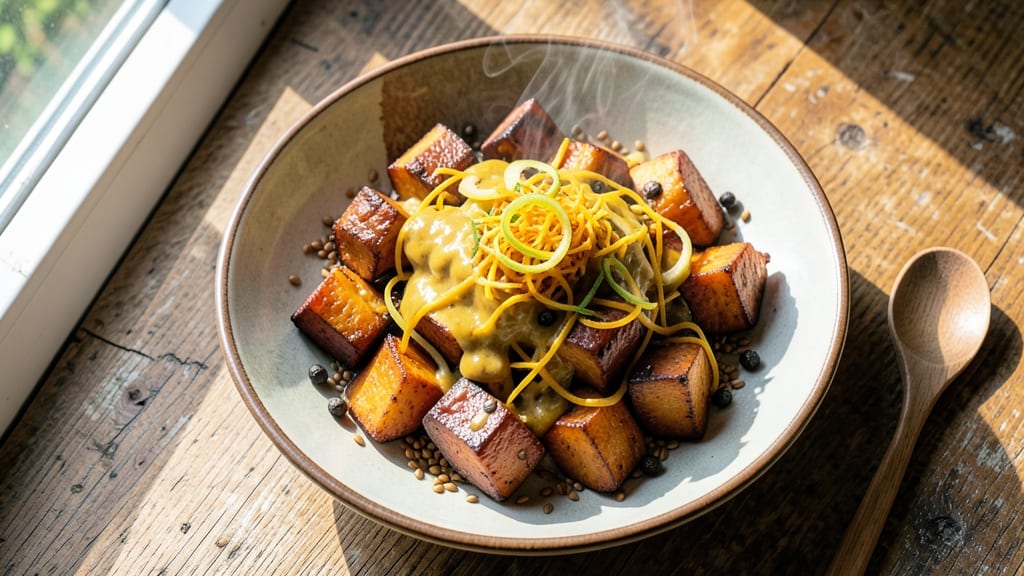
This sweet potato Ayurveda recipe transforms humble sweet potatoes into a vibrant, healing dish that aligns with ancient wellness principles. The secret lies in Ayurvedic spices like turmeric and ginger, which not only enhance flavor but also support digestion and balance energy levels according to traditional practices. I developed this recipe after discovering how simple ingredients—when prepared mindfully—can create meals that nourish both body and spirit.
The process is straightforward yet deeply rooted in Ayurvedic techniques: we temper whole spices in ghee to preserve their medicinal properties, then slow-cook the sweet potatoes until tender and infused with golden, earthy flavors.
This method ensures the spices release their full potential while keeping the dish light and easily digestible—ideal for balancing Kapha dosha or warming the body during cooler months.
What you’ll end up with is a dish that’s as beautiful as it is beneficial: sweet potatoes caramelized to perfection, their natural sugars enhanced by warming spices, and a velvety texture that makes every bite satisfying.
The turmeric-ginger glow isn’t just visual—it’s a testament to the dish’s anti-inflammatory benefits, making it a perfect addition to any mindful meal plan.
Serve this as a standalone vegetarian dish or pair it with steamed greens and a dollop of yogurt for a complete, Ayurveda-inspired meal. The recipe scales effortlessly, so you can enjoy its benefits whether feeding one or many.
Let’s begin with the ingredients that will transform your kitchen into a space of healing and flavor.
Ingredients for sweet potato ayurveda
Simple ingredients with profound Ayurvedic benefits transform into a vibrant, healing dish.
| Ingredient | Amount | Notes |
|---|---|---|
| Sweet Potatoes 🍠 | 2 lb | Medium-sized, peeled and cubed |
| Organic Ghee 🧈 | ½ cup | Clarified butter for Ayurvedic benefits |
| Fresh Turmeric Root 🌿 | ½ oz | Grated, organic preferred |
| Fresh Ginger Root 🌿 | ½ oz | Grated, organic preferred |
| Cumin Seeds 🌶️ | 1 tbsp | Whole seeds for tempering |
| Black Peppercorns 🌶️ | ½ tsp | Whole, freshly crushed |
| Cardamom Pods 🌿 | 4 whole | Lightly crushed for aroma |
| Coconut Milk 🥥 | ½ cup | Full-fat for creaminess |
| Coconut Sugar 🍯 | 2 tbsp | Ayurvedic sweetener |
| Organic Coconut Oil 🫒 | 1 tbsp | For sautéing |
| Diamond Crystal Kosher Salt 🧂 | ½ tsp | Fine grain for balance |
| Fresh Cilantro Leaves 🌿 | ¼ cup | Chopped, for garnish |
| Lemon Juice 🍋 | 1 tbsp | Freshly squeezed |
The foundation of this Ayurvedic dish lies in the quality of your spices and fats. Organic ghee from brands like Ghee Hi or Ancient Organics ensures optimal medicinal properties, while fresh turmeric and ginger roots from your local Indian or health food market provide the most potent anti-inflammatory benefits. For the sweet potatoes, choose organic varieties like Jewel or Garnet—these have the deepest color and natural sweetness. The cumin and cardamom should be whole seeds or pods, not pre-ground powders, to maximize their aromatic potential. Costco or Whole Foods bulk sections are excellent sources for these whole spices, where you can ensure freshness by checking the harvest dates.
No fresh turmeric or ginger? Ground turmeric at half the amount works in a pinch, though the flavor will be less complex. Substituting coconut oil for ghee is acceptable for a vegan adaptation, though it lacks the same depth of flavor. For the coconut milk, full-fat canned versions from brands like Thai Kitchen or Native Forest provide the best creaminess, but light coconut milk can be used if you prefer a lighter texture. The coconut sugar can be swapped for maple syrup or agave nectar if needed, though it will alter the Ayurvedic properties slightly. For the cilantro, dried works at one-third the amount, though fresh is always preferred for that bright, citrusy finish. The lemon juice can be omitted if you're avoiding citrus, but it helps balance the dish beautifully.
Store the grated turmeric and ginger in an airtight container in the refrigerator for up to 5 days, or freeze them in ice cube trays for longer storage. The ghee and coconut oil should be kept in a cool, dark place for up to 6 months past their purchase date. Once cooked, this dish reheats beautifully—simply warm in a pot with a splash of water or coconut milk. The flavors actually deepen over time, making it perfect for meal prep. Portion into glass containers for up to 4 days in the fridge or freeze for 3 months to maintain its vibrant color and healing properties.
Why You'll Love This Recipe
- One-Pot Magic: I swear by this recipe when I’m too tired to wash another pan—just peel, chop, and let the ghee and spices do the work. The cumin seeds toast in seconds, filling the kitchen with that warm, earthy aroma before the sweet potatoes even soften.
- Golden Spice Bomb: Between us, the fresh turmeric and ginger root make this taste like something from a spice shop, not my kitchen. That deep, peppery heat from the cumin? It lingers just enough to keep you reaching for seconds without overpowering the natural sweetness of the potatoes.
- Lunchbox Hero: Honestly, this is my go-to for meal prep—it reheats beautifully and keeps for days without drying out. Pack it cold for work or warm it up with a sprinkle of black salt for a quick dinner. My kids actually eat their veggies this way. (Yes, even on a Tuesday night.)
- Budget Warmth: A single bag of sweet potatoes and a jar of ghee stretch across multiple meals, and the turmeric and ginger last weeks if you grate them fresh. It’s the kind of dish that feels luxurious but costs next to nothing—like a hug for your wallet and your taste buds.
Step-by-step instructions for sweet potato Ayurveda recipe: turmeric-ginger glow
Transform humble sweet potatoes into a vibrant, Ayurvedically balanced dish with golden spices and velvety coconut milk.
Prepare the Sweet Potatoes for Even Cooking
Peel the 2 lb sweet potatoes and cut them into 1-inch cubes for uniform cooking. Place them in a large bowl and toss gently with 1 tablespoon organic coconut oil and ½ teaspoon Diamond Crystal kosher salt. This coating prevents sticking and enhances caramelization during cooking.
Spread the seasoned sweet potatoes in a single layer on a baking sheet lined with parchment paper. Arrange them with space between each cube to allow hot air to circulate evenly. Preheat your oven to 400°F while you prepare the next components—this ensures the potatoes enter a hot environment immediately.
Roast Until Caramelized and Tender
Place the baking sheet in the preheated oven and roast the sweet potatoes for 20-25 minutes, stirring once halfway through. You're aiming for golden-brown edges and fork-tender centers—when pierced with a knife, they should yield slightly but still hold their shape. The high heat caramelizes the natural sugars, creating a sweet foundation for the Ayurvedic spices.
Remove the potatoes from the oven and let them cool slightly for 5 minutes. This resting period prevents the spice mixture from steaming instead of absorbing. While they cool, prepare the turmeric-ginger paste by grating ½ oz fresh turmeric root and ½ oz fresh ginger root using a fine grater or microplane. The bright orange and pale yellow hues signal their potent anti-inflammatory properties.
Temper the Spices in Ghee for Maximum Flavor
In a medium saucepan, heat ½ cup organic ghee over medium-low heat until it melts completely. Add 1 tablespoon cumin seeds, 4 whole cardamom pods, and ½ teaspoon freshly crushed black peppercorns. Stir constantly for 2-3 minutes until the cumin seeds begin to sizzle and release their nutty aroma—this is your signal that the spices are properly toasted.
Immediately add the grated turmeric and ginger to the pan, stirring for 1 minute until the raw flavors mellow and blend with the ghee. The mixture should transform from bright yellow to a deeper, golden hue. Remove from heat and let the spice infusion cool for 3 minutes—this prevents the coconut milk from curdling when combined later.
Combine and Simmer for a Velvety Finish
Return the saucepan to low heat and pour in ½ cup full-fat coconut milk, stirring continuously to prevent scorching. Gradually whisk in 2 tablespoons coconut sugar until dissolved, then add the cooled sweet potatoes. Gently fold everything together, ensuring each cube is coated with the fragrant spice mixture.
Simmer uncovered for 5-7 minutes until the potatoes absorb the coconut milk and the sauce thickens slightly. The dish should have a silky texture with a delicate balance of sweetness from the coconut sugar and warmth from the spices. Taste and adjust seasoning with additional salt if needed—Ayurvedic principles emphasize harmony, so each bite should feel balanced.
Garnish and Serve with Fresh Cilantro
Transfer the sweet potatoes to a serving platter and drizzle with 1 tablespoon freshly squeezed lemon juice. The acidity brightens the flavors and cuts through the richness of the ghee. Sprinkle with ¼ cup chopped fresh cilantro leaves for a pop of color and freshness that contrasts beautifully with the warm spices.
Serve immediately while the potatoes are still warm, as the flavors meld best when enjoyed fresh. Pair with steamed basmati rice or a side of sautéed greens for a complete Ayurvedic meal that nourishes both body and mind. The golden hue and aromatic spices make this dish as visually appealing as it is nutritious.
Pro Tips For Making Sweet Potato Ayurveda
- CHAR THE TURMERIC FIRST: I learned this the hard way—roast the fresh turmeric root in ghee for 2-3 minutes before adding anything else. That’s when it releases its full earthy aroma and deep golden color, not when it’s just simmering in water later. Skip this, and your dish will taste like it’s missing something.
- PEEL POTATOES AFTER COOKING: Yes, even if it sounds counterintuitive. Parboil the sweet potatoes whole with their skins on for 10 minutes first—then peel them while still warm. The skins slide off effortlessly, and you avoid the dry, stringy mess that happens when you peel raw sweet potatoes. (Your hands will thank you too.)
- LOW AND SLOW WITH GHEE: This isn’t a fry—keep the heat at a gentle simmer once the ginger and cumin hit the ghee. I used to rush it, and the cumin would burn before the sweet potatoes softened. Let the ghee bubble just enough to toast the spices, then drop the heat to medium-low and let the potatoes melt into the sauce. Patience here makes the difference between "good" and "wow."
- GRATE GINGER FINE: No, a quick chop won’t cut it. Use the smallest holes on your grater for the fresh ginger—you want it almost paste-like. Buried chunks mean you’ll taste raw ginger bits instead of that smooth, warming depth that balances the sweet potatoes. (And yes, I’ve done the chopping—don’t ask me how I know.)
Regional styles of this sweet potato ayurveda
South Indian Style
In South India, sweet potatoes are often transformed into a comforting, spiced dish called sweet potato rasam or sweet potato sambar. Here, the potatoes are pressure-cooked until tender, then simmered in a tangy tamarind-coconut broth with mustard seeds, curry leaves, and asafoetida for depth.
The dish is traditionally served with steamed rice and papadums, creating a complete, balanced Ayurvedic meal that pacifies Vata dosha. I love adding grated coconut at the end for extra creaminess—it’s a staple in Kerala’s Ayurvedic kitchens. 🌶️
North Indian Ayurvedic Twist
Up north, sweet potatoes are commonly used in dal makhani-inspired dishes or as a side for tandoori dishes. The recipe often includes garam masala, fenugreek leaves, and a touch of yogurt to balance the richness.
A popular variation is aloo sabzi with sweet potatoes, where they’re sautéed in mustard oil (instead of ghee) for a smoky flavor. This version is especially warming for Kapha dosha and is often served with roti or paratha for a hearty meal. 🔥
Kerala’s Sacred Sweet Potato
In Kerala, sweet potatoes are considered a sattvic food—pure, nourishing, and balancing for all doshas. A traditional preparation involves slow-cooking the potatoes with coconut milk, jaggery, and cardamom, then garnishing with grated coconut and cashews.
This dish, called sweet potato payasam, is often made during Vishu, Kerala’s New Year, as a symbol of prosperity. The use of raw jaggery (instead of refined sugar) enhances its Ayurvedic benefits, making it a favorite in Kerala’s Ayurvedic kitchens. 🌿
Bengali Sweet Potato Curry
Bengali cuisine incorporates sweet potatoes into lentil-based curries or as a standalone dish with mustard oil, panch phoron (five-spice blend), and poppy seeds. The potatoes are often boiled first, then simmered in a tomato-onion gravy with coconut and a hint of sugar to balance the flavors.
This dish is a staple during Durga Puja and is believed to boost immunity—especially when paired with steamed rice and mustard greens. The panch phoron adds a smoky depth that’s unmistakably Bengali. 💫
Nutrition facts
Frequently asked questions
Can I use regular potatoes instead of sweet potatoes in this Ayurvedic recipe?
While regular potatoes will work, they lack the natural sweetness and nutrient density of sweet potatoes. Sweet potatoes are rich in beta-carotene (which converts to vitamin A) and have a lower glycemic index, making them ideal for balancing Kapha dosha. If you must substitute, use yams for a closer flavor profile, but expect a slightly different texture and nutritional benefit.
What's the difference between using fresh turmeric vs. ground turmeric?
Fresh turmeric root provides stronger anti-inflammatory benefits and a more complex flavor. The recipe calls for ½ oz grated fresh turmeric because its vibrant color and potent compounds are preserved better than in dried powder. If substituting, use ½ teaspoon ground turmeric, but know the flavor will be milder and the color less intense. For maximum Ayurvedic benefits, fresh is always preferred!
How can I make this recipe vegan?
Replace the ghee with coconut oil and use vegan coconut milk (like So Delicious brand). The dish will still be delicious, though the flavor depth from ghee will be slightly reduced. For extra richness, add 1 tablespoon vegan butter at the end. The Ayurvedic benefits remain similar, though ghee's unique properties are lost.
Can I prepare this dish ahead of time?
Yes! This recipe actually tastes better the next day as flavors meld. Store in an airtight container in the fridge for up to 4 days or freeze for 3 months. Reheat gently with a splash of coconut milk or water to restore creaminess. The spices will deepen in flavor, making it perfect for meal prep. Just add fresh cilantro when serving to maintain vibrancy.
Which dosha does this recipe balance best?
This recipe is particularly beneficial for Kapha dosha due to its warming spices (turmeric, ginger, black pepper) and light coconut milk base. The sweet potatoes provide grounding energy while the spices help metabolize excess ama (toxins). For Vata dosha, the warm flavors and ghee help balance dryness, while Pitta individuals may want to reduce the coconut sugar slightly to avoid overheating.