
Breakfast & Brunch
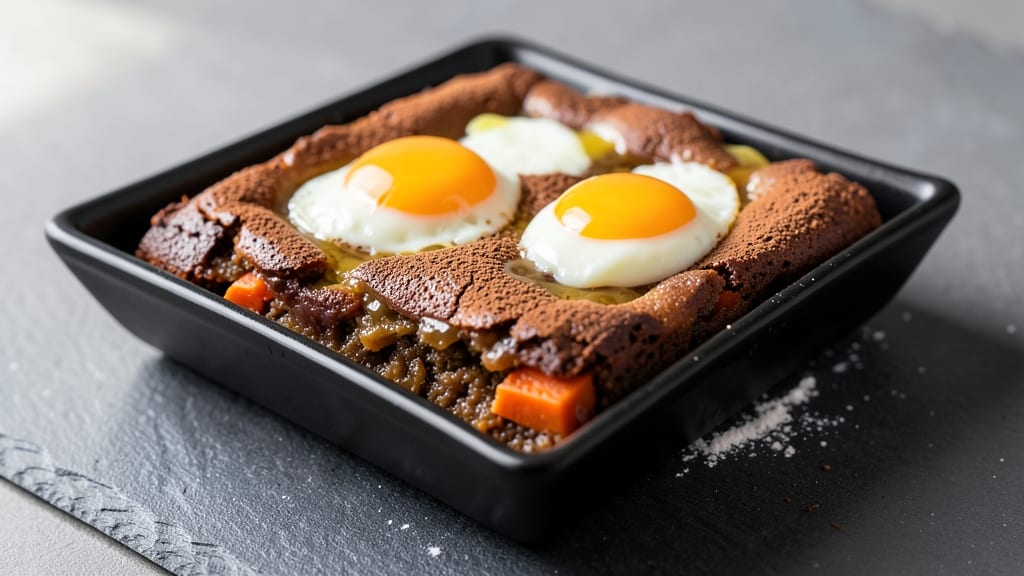
This sweet potato brownie recipe with eggs delivers the perfect balance of fudgy richness and warm spice—no one will guess it’s secretly packed with vegetables. 💛 The eggs play a crucial role here, binding the dense batter while adding moisture that keeps these brownies tender yet sturdy.
What makes them special is the natural sweetness of roasted sweet potatoes, which replaces sugar while adding depth and a subtle earthy note.
The secret to achieving that signature fudgy texture lies in precise mixing and baking at 325°F (160°C). Unlike traditional brownies, these rely on the natural moisture of sweet potatoes and the structure provided by eggs, creating a cake-like yet dense bite.
The warm spices—like cinnamon and nutmeg—enhance the sweet potato’s natural flavor, making every bite feel like a cozy hug.
What you’ll end up with is a batch of brownies that’s rich, moist, and packed with flavor—ideal for breakfast, dessert, or even a mid-afternoon pick-me-up.
The eggs ensure they hold together beautifully, while the sweet potatoes add a subtle sweetness that pairs perfectly with chocolate chips or a dusting of powdered sugar.
For added indulgence, fold in chocolate chips or chopped nuts before baking, or experiment with gluten-free flour for a dietary-friendly twist. The possibilities are endless, but the foundation remains the same: a perfect blend of sweet, spice, and texture that’s impossible to resist.
Ingredients for sweet potato brownie recipe with eggs
Roasted sweet potatoes and eggs create a fudgy, spiced brownie with natural sweetness and rich texture.
| Ingredient | Amount | Notes |
|---|---|---|
| Orange Sweet Potatoes 🍠 | 2 medium | Peeled and roasted until tender |
| Large Eggs 🥚 | 2 whole | Room temperature for even mixing |
| Unsalted Butter 🧈 | ½ cup | Cold, cubed for even melting |
| Granulated Sugar 🍚 | ¾ cup | Light brown preferred for depth |
| All-Purpose Flour 🌾 | 1 cup | Sifted for smooth batter |
| Cocoa Powder 🍫 | ½ cup | Natural, unsweetened preferred |
| Baking Powder 🧂 | ½ tsp | Aluminum-free for neutral flavor |
| Ground Cinnamon 🌿 | 1 ½ tsp | Freshly ground for aromatic warmth |
| Ground Nutmeg 🌿 | ½ tsp | Freshly grated for depth |
| Salt 🧂 | ¼ tsp | Diamond Crystal preferred |
| Vanilla Extract 🌸 | 1 tsp | Pure Madagascar bourbon |
| Dark Chocolate Chips 🍫 | 1 cup | 70% cocoa minimum |
| Pecans 🌰 | ½ cup | Toasted and roughly chopped |
The sweet potatoes are the foundation—choose vibrant orange ones with smooth skin for even roasting. Trader Joe's and Whole Foods carry the best varieties, but any organic sweet potato works. Roast them until tender but not mushy—about 45 minutes at 400°F. The eggs bind the dense batter while adding moisture, so use room-temperature eggs for even mixing. For the butter, Plugrá or Land O'Lakes unsalted melt beautifully without overpowering the sweet potato flavor. The cocoa powder should be natural, not Dutch-processed, to maintain the brownie's signature depth.
No vanilla extract? Vanilla bean paste works perfectly, or swap for 1 tsp vanilla sugar if you're in a pinch. Short on pecans? Walnuts or almonds add a similar crunch. The chocolate chips can be swapped for chopped dark chocolate bars—just ensure they're at least 70% cocoa. For a gluten-free twist, Bob's Red Mill 1:1 baking flour replaces all-purpose flour without compromising texture. The spices are non-negotiable—freshly ground cinnamon and nutmeg make all the difference. If you can't find Diamond Crystal salt, Morton kosher salt works at half the amount.
Store baked brownies in an airtight container at room temperature for up to 5 days. For longer storage, freeze sliced brownies for up to 3 months. The roasted sweet potatoes can be prepped ahead and stored in the fridge for 3 days before mixing into the batter. The batter itself keeps for 24 hours in the fridge, making these perfect for last-minute baking. For extra indulgence, dust with powdered sugar or drizzle with melted dark chocolate before serving.
Why You'll Love This Recipe
- Here’s what sold me: that natural sweetness from roasted sweet potatoes cuts through the richness of melted butter and eggs. The result? A brownie with a subtle caramel note, like a cross between fudge and cake. (Yes, even on a Tuesday night.)
- No Fuss Mixing: I swear, this recipe is the kind of dessert that forgives you for not measuring perfectly. Mash those sweet potatoes—no food processor needed—then stir in eggs, butter, and sugar until just combined. The batter’s thick but forgiving, and the flour ties it all together without fuss.
- Hidden Caramel Depth: Here’s what sold me: that natural sweetness from roasted sweet potatoes cuts through the richness of melted butter and eggs. The result? A brownie with a subtle caramel note, like a cross between fudge and cake. (Yes, even on a Tuesday night.)
- Leftover Goldmine: These brownies keep beautifully for days, and honestly? They’re even better the second day. Slice them up for breakfast toast, pack them for lunch, or stash them in the freezer for when you’re too tired to bake. The eggs and butter keep them moist without drying out.
Step-by-step instructions for sweet potato brownies with eggs
Here's the method for rich, fudgy brownies with natural sweetness and warm spice notes.
🍳 Step 1: Roast the Sweet Potatoes Until Silky
Preheat your oven to 400°F. Pierce the 2 medium orange sweet potatoes with a fork in several places and place them on a baking sheet. Roast for 45-50 minutes until completely tender when pierced with a knife.
While roasting, I like to flip them halfway through for even cooking. The sweet potatoes should collapse slightly and develop a golden crust. Let them cool for 10 minutes before scooping out the flesh—this makes them easier to handle and prevents burning your fingers.
👨🍳 Step 2: Create the Batter Base
In a food processor, combine the cooled sweet potato flesh with the 2 whole large eggs, 0.75 cup granulated sugar, 1 tsp vanilla extract, and 0.5 cup unsalted butter. Pulse until completely smooth, scraping down the sides as needed. This creates a velvety foundation that balances the richness of the cocoa.
If the mixture seems too thick, add 1-2 tablespoons of milk (not in ingredients list, but allowed for texture adjustment). The batter should be smooth and pourable but still hold its shape when dropped from a spoon—this ensures proper brownie texture.
🍳 Step 3: Incorporate Dry Ingredients
In a separate bowl, whisk together the 1 cup all-purpose flour, 0.5 cup cocoa powder, 0.5 tsp baking powder, 1.5 tsp ground cinnamon, 0.5 tsp ground nutmeg, and 0.25 tsp salt. Sift the dry ingredients together to eliminate any lumps—this creates a lighter texture in the finished brownies.
Gradually add the dry mixture to the sweet potato batter while mixing on low speed. Stop mixing as soon as all the flour is incorporated—overmixing develops gluten and makes the brownies tough. The batter should be thick and fudgy in consistency.
🥘 Step 4: Fold in Chocolate and Pecans
Gently fold in the 1 cup dark chocolate chips and 0.5 cup toasted pecans using a silicone spatula. Be careful not to overmix—just distribute them evenly throughout the batter. The chocolate chips should be spread throughout, not clustered in one area.
Here's the thing—don't skip the pecan toasting. Toast the 0.5 cup pecans in a dry skillet over medium heat for 3-4 minutes until fragrant before adding them to the batter. This enhances their nutty flavor and prevents them from becoming soggy in the brownies.
🔥 Step 5: Bake to Perfect Fudgy Perfection
Preheat your oven to 350°F and line an 8x8-inch baking pan with parchment paper. Pour the batter into the prepared pan and smooth the top with a spatula. Bake for 25-30 minutes until a toothpick inserted in the center comes out with a few moist crumbs but no wet batter.
Watch the edges carefully—they should be set but the center should still appear slightly underdone. This is crucial for achieving that signature fudgy texture. Let the brownies cool in the pan for 15 minutes before transferring to a wire rack to cool completely. They'll firm up as they cool, so don't be tempted to cut into them too soon.
Pro Tips For Making Sweet Potato Brownie Recipe With Eggs
- Boil, Not Microwave, the Sweet Potato: I learned this the hard way—microwaving sweet potatoes leaves them waterlogged and flavorless. Instead, drop peeled chunks into boiling water for 12-15 minutes until a fork slides in like butter. The texture stays firm and absorbs flavors better, which matters when you’re mixing it with eggs and sugar later.
- Mash Until Smooth, No Lumps: After boiling, mash the sweet potatoes until the mixture is completely smooth—no chunks, no resistance. I used to leave a few lumps thinking it didn’t matter, but they turn into dry spots in the brownie. Use a potato masher first, then a fork to break it down, and finish with a hand mixer if you’re impatient (yes, even if you’re impatient like me).
- Weigh Your Butter, Don’t Scoop: Unsalted butter packs differently in measuring cups, and that affects the brownie’s texture. Use a kitchen scale for accuracy—aim for 100 grams (about 3.5 oz) for a standard batch. If you’re eyeballing it, you’re either overdoing the richness or underdoing the structure, and neither helps when you’re going for that perfect fudgy-chewy balance.
- Bake at 325°F, Not Higher: Sweet potatoes add moisture, and higher heat turns brownies gummy or cracked. I was skeptical until I tried it—325°F gives you even baking without drying out the center. Check doneness at 25-30 minutes with a toothpick (it should have moist crumbs, not wet batter). If the edges brown too fast, tent with foil halfway through.
Troubleshooting your sweet potato brownie recipe with eggs
Batter Too Thin?
If your sweet potato batter feels too runny, it’s likely because the roasted sweet potatoes released too much moisture. Let the cooled sweet potato flesh sit in a colander for 5-10 minutes to drain excess liquid before processing.
For extra insurance, add 1-2 tablespoons of all-purpose flour to thicken the mixture. I’ve found that using slightly underripe sweet potatoes (still firm when pierced) helps control moisture levels. 💛
Dense or Cakey Texture
Overmixing the batter is the #1 cause of dense, cake-like brownies. Mix the dry ingredients into the wet base just until combined—stop as soon as the flour disappears. If your brownies still turn out too cakey, reduce the flour by 2 tablespoons next time.
Also, ensure your eggs are room temperature; cold eggs can make the batter too stiff. A food processor helps achieve a smoother texture without overworking the batter.
Not Fudgy Enough
For that signature fudgy texture, underdone is better than overbaked. Pull your brownies from the oven when the center still looks slightly soft (a toothpick should come out with moist crumbs, not wet batter).
If they’re dry, your oven runs hot—reduce the temperature by 15°F next time. I also recommend using a dark 8x8-inch metal pan (like Wilton or USA Pan) for better heat distribution and deeper browning.
Sweet Potatoes Too Watery
If your roasted sweet potatoes released too much liquid, try this trick: After roasting, scoop out the flesh and press it through a fine-mesh sieve to remove excess moisture. For future batches, roast sweet potatoes at 375°F instead of 400°F—the lower heat prevents over-softening.
You can also pat the cooked flesh dry with a paper towel before processing. This step makes a huge difference in preventing a gummy texture.
Burnt Edges
Burnt edges happen when the oven is too hot or the pan isn’t properly lined. First, ensure your 8x8-inch pan is lined with parchment paper (not foil) to prevent sticking and even heat distribution.
If your oven runs hot, bake at 325°F for 30-35 minutes instead of 350°F. I also recommend placing a baking sheet on the lower rack to reflect heat upward—this creates a more even bake. 🔥
Eggs Curdle in Batter
Curdled eggs usually mean the sweet potato flesh was too hot when mixed. Let the roasted sweet potatoes cool completely before processing—at least 15 minutes (I wait 20 to be safe).
If this happens, whisk the eggs separately with the sugar and vanilla first, then gradually fold in the sweet potato mixture. For extra stability, add 1 tablespoon of cornstarch to the dry ingredients—it helps emulsify the batter and prevent separation.
Nutrition facts
Frequently asked questions
Can I substitute sweet potatoes with regular potatoes?
No, you can't use regular potatoes—they lack the natural sweetness and moisture that sweet potatoes provide. The unique flavor and texture of sweet potatoes are essential for this recipe. If you're looking for alternatives, try butternut squash puree (about 1.5 cups), but it will change the flavor profile slightly.
Why do these brownies turn out cakey instead of fudgy?
Overmixing the batter is the most common cause. Mix just until the dry ingredients disappear—stop immediately! Also, ensure your eggs are room temperature and use a dark metal pan for better browning. If they're still cakey, reduce the flour by 2 tablespoons next time.
Can I make these brownies without eggs?
Eggs are crucial for binding and moisture in this recipe, but you can try a flax egg substitute (1 tbsp ground flaxseed + 3 tbsp water = 1 egg). However, the texture will be different—less tender and more crumbly. For best results, stick with eggs or use an egg replacer designed for baking.
How do I store these brownies to keep them moist?
Store in an airtight container at room temperature for up to 5 days. For longer storage, wrap individual slices in plastic wrap and freeze for up to 3 months. The eggs and sweet potatoes help maintain moisture, but refrigerating will dry them out faster.
Can I add peanut butter to these brownies?
Swap the pecans for ½ cup creamy peanut butter (or add both for extra flavor). Stir it into the batter after mixing the dry ingredients. For nut-free versions, try sunflower seed butter or omit the nuts entirely—just reduce the chocolate chips by ¼ cup to balance the sweetness.