
Side Dishes
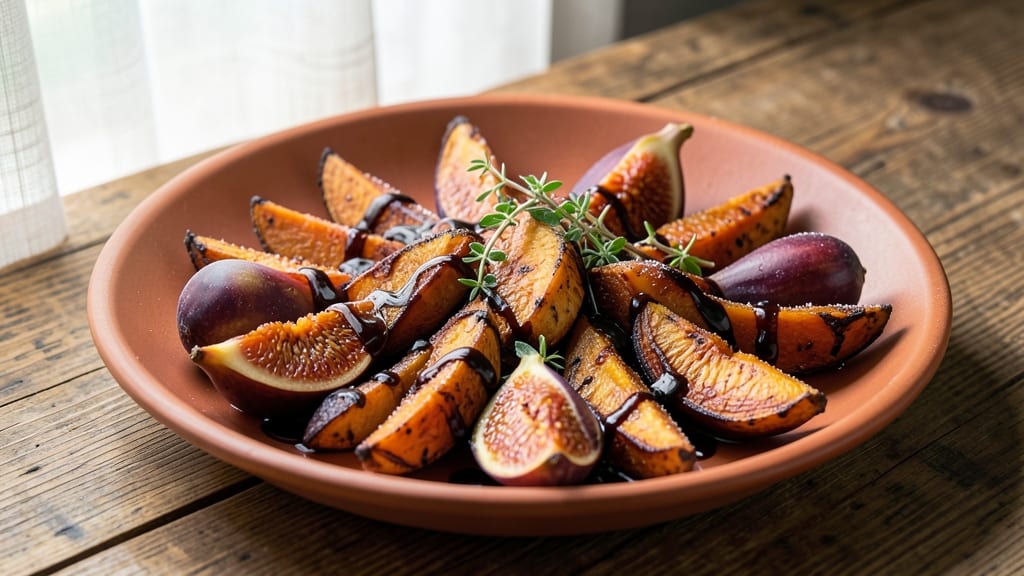
This sweet potato and fig recipe transforms humble ingredients into a restaurant-worthy side dish that balances caramelized sweetness with earthy depth. 🌟 The secret lies in roasting sweet potatoes until tender and crispy while simmering fresh figs in a balsamic reduction—creating a perfect harmony of textures and flavors that elevates any meal.
I developed this dish after realizing how often sweet potatoes and figs were overlooked in home cooking, despite their natural pairing in gourmet dishes.
The process is simpler than it sounds: sweet potatoes roast in the oven until their edges turn golden and caramelized, while figs gently simmer in a tangy-sweet balsamic glaze. This method preserves the natural sweetness of the figs while adding complexity through slow reduction.
The result is a dish that's rich, slightly sticky, and perfectly balanced—sweet enough to satisfy a dessert craving but hearty enough to stand alongside proteins like roasted chicken or grilled salmon.
What makes this recipe truly special is how it transforms ordinary ingredients into something extraordinary with minimal effort. The roasted sweet potatoes develop a deep caramelized crust that contrasts beautifully with the soft, jammy figs, while the balsamic glaze ties everything together with its bright acidity.
This dish is vegetarian-friendly and works equally well as a side or a light main course, especially when paired with a crisp white wine or sparkling water with lemon.
The best part? This recipe scales effortlessly—whether you're serving a crowd or meal prepping for the week. The flavors only deepen as the dish sits, making it perfect for making ahead and reheating.
Let's bring this elegant, autumnal dish to your table and discover why sweet potatoes and figs belong together.
Ingredients for sweet potato fig
Transform ordinary ingredients into an elegant autumnal masterpiece with these carefully chosen components.
| Ingredient | Amount | Notes |
|---|---|---|
| Sweet Potatoes 🍠 | 2 lbs | Medium, uniform size for even roasting |
| Fresh Figs 🍇 | 6 whole | Ripe, plump, preferably Black Mission |
| Balsamic Vinegar 🍷 | ½ cup | Aged, high-quality for depth of flavor |
| Extra-Virgin Olive Oil 🫒 | ¼ cup | Light fruity variety for balance |
| Brown Sugar 🍚 | 2 tbsp | Lightly packed for subtle sweetness |
| Fresh Thyme 🌿 | ¼ cup | Leaves only, finely chopped |
| Fresh Rosemary 🌿 | 1 tbsp | Needles finely chopped, aromatic |
| Salt 🧂 | 1 tsp | Diamond Crystal kosher, for seasoning |
| Black Pepper 🌶️ | ½ tsp | Freshly cracked for warmth |
| Honey 🍯 | 1 tbsp | Wildflower preferred for floral notes |
| Pecans 🌰 | ½ cup | Toasted, roughly chopped for crunch |
| Goat Cheese 🧀 | 4 oz | Soft, crumbled for finishing touch |
The sweet potatoes are the backbone of this dish—look for vibrant orange ones with smooth skin at Whole Foods or your local farmers market. They should feel heavy for their size, a sign of their sweetness. If you can't find fresh figs, Trader Joe's often carries them dried in the baking aisle, but fresh is ideal for that jammy texture. The balsamic vinegar should be aged and dark—look for 'extra aged' labels for maximum depth. I always grab a small bottle of Balzarini if I'm doing a big batch, but regular grocery store brands work fine for weeknight cooking. Toast your pecans in a dry pan until fragrant—they add a satisfying crunch that contrasts perfectly with the soft sweet potatoes.
No fresh thyme? Dried works at one-third the amount, but fresh is worth hunting down—it brightens the dish. Running out of balsamic? Substitute red wine vinegar with 1 tsp sugar to mimic the sweetness. The goat cheese can be swapped for feta or ricotta salata if you prefer a tangier finish. Honey shortages? Maple syrup works beautifully—just reduce the heat slightly to prevent burning. For a nut-free option, toasted pumpkin seeds add a similar earthy crunch. The brown sugar can be swapped for maple syrup or agave if you're avoiding refined sugar, though it'll change the caramelization slightly.
Roasted sweet potatoes keep for 5 days in the fridge, but the figs soften quickly—use them within 2 days of purchase. Store the balsamic reduction separately in a sealed jar for up to 2 weeks in the fridge. The pecans stay fresh for 1 month in an airtight container. Reheat portions gently in a skillet with a splash of water to restore crispiness. This dish reheats beautifully—the flavors actually deepen overnight, making it perfect for meal prep. Freeze the components separately if you're prepping ahead, then assemble fresh when ready to serve.
Why You'll Love This Recipe
- One-Pan Magic: I swear by this recipe when I’m too tired to wash dishes. Toss the sweet potatoes in olive oil, brown sugar, and salt, roast them until caramelized, then top with halved figs and a drizzle of balsamic—no flipping, no fuss, just pure flavor.
- Sweet & Savory Balance: That first bite of warm, buttery sweet potato with the jammy figs and tangy balsamic? It’s like dessert and dinner had a baby. The brown sugar caramelizes into a sticky glaze that makes everything irresistible.
- Weeknight to Weekend: Honestly, this works for everything—a quick weeknight dinner, a picnic spread, or an elegant side for guests. The leftovers reheat beautifully, and I’ve even served it cold as a salad base when I’m in a rush.
- Budget-Friendly Luxury: Figs might seem fancy, but a few fresh ones (or even dried) stretch this recipe far. Sweet potatoes and olive oil are pantry staples, and the balsamic adds depth without breaking the bank. It’s fancy enough to impress, cheap enough to make often.
Step-by-step instructions for sweet potato and fig delight
Here's how to transform simple ingredients into a symphony of caramelized sweetness and aromatic depth.
🔥 Step 1: Roast Sweet Potatoes to Perfect Tenderness
Preheat your oven to 400°F and line a baking sheet with parchment paper. Peel the sweet potatoes and cut them into 1-inch thick rounds—uniform size ensures even cooking. Toss the sweet potato rounds with 2 tablespoons brown sugar, 1 teaspoon salt, and ½ teaspoon black pepper until evenly coated.
Arrange the sweet potatoes in a single layer on the prepared baking sheet, leaving about ½ inch between each piece. This spacing allows for even browning and prevents steaming. Roast for 25-30 minutes until the edges are deep golden brown and a knife slides in easily with just slight resistance. The sweet potatoes should be tender but not falling apart.
I like to flip them halfway through cooking—around the 15-minute mark—to ensure all sides develop that beautiful caramelization. This roasting technique brings out their natural sweetness while creating a crispy exterior that contrasts perfectly with the creamy interior.
🍳 Step 2: Create the Balsamic-Honey Glaze
While the sweet potatoes roast, combine ½ cup balsamic vinegar, 1 tablespoon honey, ¼ cup extra-virgin olive oil, ¼ cup chopped fresh thyme, and 1 tablespoon chopped fresh rosemary in a small saucepan. Place the saucepan over medium heat and bring to a gentle simmer.
Let the glaze reduce for 8-10 minutes until it thickens slightly and coats the back of a spoon. You'll notice the aroma intensify as the thyme and rosemary release their earthy notes. Stir occasionally to prevent sticking, and watch for the color to deepen to a rich amber.
Here's the thing—don't rush this reduction. The longer it simmers, the more concentrated the flavors become. I've found that 10 minutes is perfect for achieving that perfect balance of sweet, tangy, and herbal complexity that complements the sweet potatoes beautifully.
👨🍳 Step 3: Prepare the Figs and Pecan Topping
Halve the 6 whole fresh figs lengthwise and remove any stems. Arrange them cut-side down on a separate baking sheet. Brush the cut sides generously with the remaining ¼ cup extra-virgin olive oil—this helps them caramelize beautifully. Roast alongside the sweet potatoes for the last 10 minutes of their cooking time.
In a small dry skillet over medium heat, toast the ½ cup pecans for 3-4 minutes until they're fragrant and lightly golden
While the pecans toast, crumble the 4 ounces goat cheese into small, irregular pieces. This texture adds a creamy, tangy element that ties everything together. Set the crumbled goat cheese aside for the final assembly—it should be at room temperature for best results. Remove the roasted sweet potatoes and figs from the oven. Immediately drizzle the reduced balsamic-honey glaze evenly over both the sweet potatoes and figs. The residual heat will help the glaze cling beautifully to the surfaces, creating a glossy finish. Working quickly, arrange the sweet potato rounds on serving plates, fanning them slightly to showcase their caramelized edges. Place the roasted fig halves alongside the sweet potatoes, cut-side up. Sprinkle the toasted, roughly chopped pecans evenly over the top, then scatter the crumbled goat cheese throughout. This is where the magic happens—the contrast of textures and temperatures. The warm sweet potatoes and figs pair perfectly with the room-temperature goat cheese and toasted pecans. The balsamic glaze ties everything together with its complex sweet-tangy profile, creating a dish that's as visually stunning as it is delicious.🥘 Step 4: Assemble and Finish with Warm Components
Pro Tips For Making Sweet Potato Fig
- ROAST POTATOES UNTIL TOOTHPICK-TESTED: Sweet potatoes should be fork-tender but not falling apart—if you’re still fighting resistance, crank the oven to 425°F (220°C) and roast 10-15 minutes longer. Overcooking turns them mushy, but undercooking means chewy bites that ruin the dish. (Yes, even if you’re impatient like me.)
- TRIM FIGS AT THE LAST MINUTE: Slice figs just before tossing them with the sweet potatoes—oxalic acid (that’s the compound that makes them taste bitter) oxidizes fast. If you prep them early, give them a quick soak in cold water for 5 minutes to mellow the sharpness, then pat very dry before adding.
- SWEAT THE ONIONS FIRST: Skip the raw onion in oil—it burns before caramelizing and makes the whole dish taste harsh. Instead, cook 1 diced onion in olive oil over medium-low heat for 8-10 minutes until translucent and just starting to brown. This builds flavor without bitterness, and the sweet potatoes absorb it like a sponge.
- UPGRADE WITH A SPLASH OF HONEY: Brown sugar is great, but if you’re using it for caramelization, add 1 tablespoon of honey when tossing the roasted potatoes with figs. The honey cuts through the figs’ jammy richness and makes the balsamic glaze cling better. (I was skeptical until I tried it—now I never go back.)
Troubleshooting this dish
Sweet Potatoes Too Dry
If your roasted sweet potatoes emerge dry or crumbly, you likely overcooked them. The ideal texture should be tender with a slight resistance when pierced with a knife.
To prevent this, reduce the oven temperature to 375°F and extend roasting time to 40-45 minutes, checking frequently after 30 minutes. Adding 1 tablespoon of water to the baking pan helps create steam for moisture retention. 🌱
Figs Staying Firm
Figs that refuse to soften during roasting need more time or higher heat. Increase oven temperature to 425°F for the final 10 minutes of roasting, or cover them loosely with foil to trap heat.
Alternatively, simmer halved figs in ¼ cup water for 5-7 minutes before roasting to jumpstart tenderness. Overripe figs soften more easily—choose slightly firm ones for better results. 🍇
Balsamic Glaze Too Thin
A runny glaze usually means insufficient reduction time. Return the pan to low heat and simmer uncovered for an additional 5-8 minutes, stirring occasionally. For thicker consistency, add ½ teaspoon cornstarch mixed with 1 teaspoon water to the reduction, then simmer until it thickens.
If the glaze burns, reduce heat to medium-low and use a heat diffuser or water bath to protect it. 🍷
Pecans Burning Quickly
Toast pecans in batches over medium-low heat to prevent burning. Watch closely—2-3 minutes is ideal for light golden color. If they darken too fast, remove from heat immediately and finish toasting in a 350°F oven for 1-2 minutes.
Using a nonstick skillet also helps prevent sticking and burning. 🌰
Glaze Not Sticking
Cold components cause glaze to bead up. Warm your serving plates in the oven for 5 minutes before assembly, or drizzle glaze while sweet potatoes and figs are still hot from the oven.
For extra adhesion, brush plates with 1 teaspoon olive oil before arranging ingredients. A quick broiler blast for 1-2 minutes can also help set the glaze. ✨
Goat Cheese Too Soft
Room-temperature goat cheese crumbles better but may melt too quickly. Chill crumbled cheese for 10 minutes before serving to maintain texture. For extra stability, mix crumbled goat cheese with 1 teaspoon toasted pecans before sprinkling.
If cheese becomes too runny, serve immediately with chilled components like arugula salad to balance temperatures. 🧀
Nutrition facts
Frequently asked questions
Can I use dried figs instead of fresh?
Yes, but you'll need to adjust the preparation. Soak 6 dried figs in warm water for 10 minutes to rehydrate, then drain and chop them finely. Use 1 tablespoon extra balsamic vinegar in the glaze to compensate for their concentrated sweetness. Dried figs work best in savory versions—consider adding 1 teaspoon cinnamon to the glaze for depth.
How do I store leftovers?
Store components separately: sweet potatoes and figs in an airtight container for 4-5 days, glaze in a sealed jar for 2 weeks, and toasted pecans in a cool, dark place for 1 month. Reheat portions in a skillet with 1 teaspoon water to restore crispiness. The flavors actually deepen overnight—perfect for meal prep!
What's the best wine pairing?
A crisp Sauvignon Blanc or off-dry Riesling complements the dish's sweet-tangy balance beautifully. The wine's acidity cuts through the richness while enhancing the figs' natural fruitiness. For non-alcoholic options, try sparkling water with lemon or hibiscus iced tea—both highlight the dish's autumnal flavors.
Can I make this vegan?
Replace goat cheese with cashew cream (blend ½ cup soaked cashews with 2 tbsp lemon juice) and use maple syrup instead of honey. The balsamic reduction remains vegan as-is. For extra protein, add toasted pumpkin seeds instead of pecans. The dish maintains its elegant balance while becoming plant-based.
Why do my figs turn mushy?
Over-roasting or over-simmering causes figs to break down. Roast them for only the last 10 minutes at 400°F (no longer) and avoid adding water when simmering. For extra tenderness, blanch figs in boiling water for 30 seconds first, then roast. Choose slightly firm figs—they soften more predictably than overripe ones.