Side Dishes
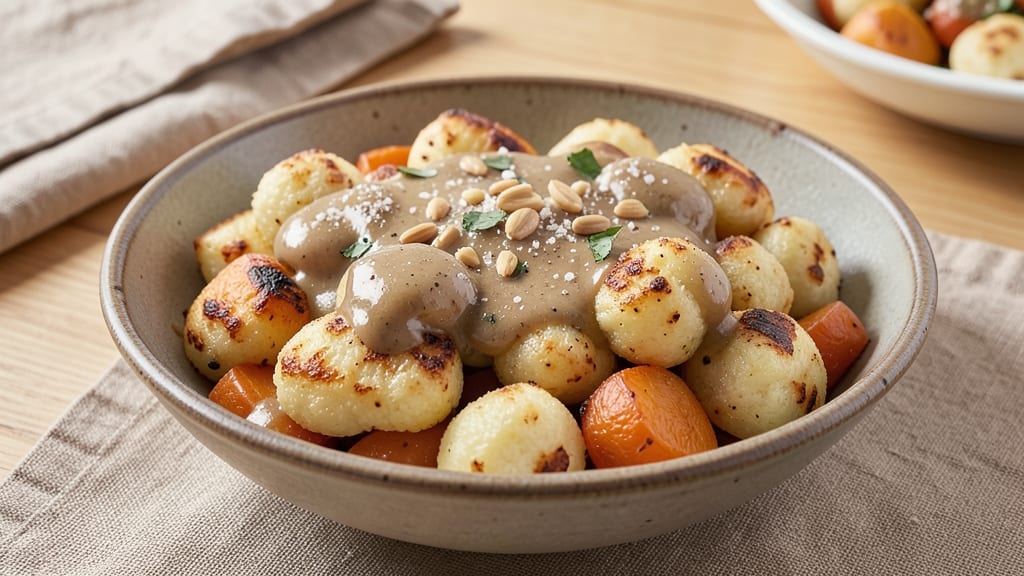
Sweet potato gnocchi recipe ideas transform humble ingredients into pillowy, golden dumplings with a natural sweetness that pairs perfectly with savory sauces. The secret lies in blending roasted sweet potato purée with flour and eggs, creating a dough that's light yet sturdy enough to hold its shape when boiled.
Unlike traditional potato gnocchi, this version adds vibrant color and a subtle caramelized depth that elevates any meal.
This recipe delivers restaurant-quality results with a technique that's surprisingly simple: mash the purée smooth, fold in flour until just combined (no overworking!), and roll the dough into ropes before cutting into classic ridged dumplings.
The key to perfect texture is boiling them in salted water until they float—about 2-3 minutes—then finishing in a hot pan with butter or olive oil for that signature crispy exterior.
Serve these sweet potato dumplings with classic Italian pairings like sage brown butter, creamy ricotta sauce, or a spicy arrabbiata for a modern twist. The earthy sweetness of the gnocchi balances rich sauces beautifully, making this dish equally at home on a weeknight table or a holiday spread.
Each bite offers a satisfying contrast between tender interior and crispy edges.
For extra flavor, roast the sweet potatoes with garlic or smoked paprika before puréeing, or add a pinch of nutmeg to the dough for warmth. The recipe scales easily—double the batch for dinner guests—and leftovers reheat perfectly in a skillet with fresh butter.
This is comfort food reimagined, where tradition meets innovation in every bite.
Ingredients for sweet potato gnocchi recipe ideas
Roasted sweet potatoes, flour, and eggs transform into golden gnocchi with restaurant-quality texture.
| Ingredient | Amount | Notes |
|---|---|---|
| Large Sweet Potatoes 🍠 | 2 lbs | Orange-fleshed, peeled and roasted |
| All-Purpose Flour 🌾 | 2 cups | Plus 2 tbsp for dusting |
| Large Eggs 🥚 | 2 whole | Room temperature for best mixing |
| Salt 🧂 | 1 tsp | Kosher or sea salt preferred |
| Ground Nutmeg 🌿 | ¼ tsp | Freshly grated for warmth |
| Unsalted Butter 🧈 | 2 tbsp | For finishing and crisping |
| Extra-Virgin Olive Oil 🫒 | 1 tbsp | For roasting sweet potatoes |
| Garlic Cloves 🧄 | 2 cloves | Optional, for roasted flavor |
| Fresh Sage Leaves 🌿 | ¼ cup | Chopped, for brown butter |
| Smoked Paprika 🌶️ | ½ tsp | For roasting sweet potatoes |
| Ricotta Cheese 🧀 | 1 cup | Whole-milk for creaminess |
| Parmesan Cheese 🧀 | ½ cup | Freshly grated, for serving |
The sweet potatoes are the foundation—choose vibrant orange-fleshed varieties like Jewel or Garnet for the best natural sweetness. Roast them whole at 400°F for 45-50 minutes until tender; the skin will peel right off. Whole Foods or local farmers markets often carry the sweetest varieties. For extra depth, roast with a drizzle of olive oil, minced garlic, and a pinch of smoked paprika. The purée should be completely smooth—no lumps—so use a food mill or fine-mesh sieve if needed. The dough comes together with just flour and eggs, but the nutmeg adds that signature warmth that makes these gnocchi feel special.
No ricotta? Substitute mascarpone or even Greek yogurt for a lighter texture, though ricotta’s mild sweetness pairs best with the sweet potatoes. Running short on flour? Swap in 1/4 cup cornstarch for a slightly lighter dough, but traditional flour gives that classic chew. The sage in the brown butter is optional but adds an aromatic depth that balances the sweetness beautifully. If you don’t have fresh sage, dried works at one-third the amount. For a gluten-free version, replace the flour with a 1:1 gluten-free blend, though the texture will be slightly denser. The key is to handle the dough as little as possible—overworking makes gnocchi tough.
Store the dough in the fridge for up to 2 days, covered with a damp towel to prevent drying. Once boiled, gnocchi reheat best in a skillet with a little butter or olive oil—just 2-3 minutes over medium heat. They’ll crisp up perfectly, and the flavors meld even more. For make-ahead convenience, freeze uncooked gnocchi on a tray before boiling, then transfer to a bag for up to 3 months. Thaw overnight in the fridge before cooking. Leftovers keep in the fridge for 3 days, though they’re best enjoyed fresh when the texture is at its peak.
Why You'll Love This Recipe
- No Boil Required: I swear by this trick—roasting the sweet potatoes first softens them perfectly, no peeling or boiling mess. Just toss them in the oven, let them cool, and mash them into pillowy dough with flour and egg. (Yes, even on a Tuesday night.)
- Creamy Nutmeg Magic: That pinch of ground nutmeg? It’s the secret weapon. The warm, earthy note balances the sweetness of the potatoes while keeping the flavor bright—not heavy, not cloying, just ridiculously good. Honestly, I’ve tried skipping it, and I always regret it.
- Weeknight to Fancy: Same dough, endless possibilities. Toss it with sage butter and toasted pine nuts for a dinner party starter, or dump it into marinara for a lazy Sunday supper. The gnocchi holds up to sauces like a dream—no mushy disappointment here.
- Budget-Friendly Luxury: Sweet potatoes are my wallet’s best friend—cheaper than regular potatoes, and they stretch this recipe further. Plus, the leftovers reheat like a champ, whether you’re freezing them for later or serving them up cold in a salad. (My daughter picks out the best pieces first.)
Step-by-step instructions for sweet potato gnocchi
Transform humble sweet potatoes into pillowy, golden dumplings with this foolproof method.
Roast the Sweet Potatoes Until Tender
Preheat your oven to 400°F and line a baking sheet with parchment paper. Pierce the 2 lbs large sweet potatoes with a fork in several places to allow steam to escape. Rub them with 1 tablespoon extra-virgin olive oil and sprinkle with 0.5 teaspoon smoked paprika and 2 cloves garlic cloves (minced, if using). Roast for 45-50 minutes until a knife slides in easily and the flesh is completely tender.
Here's the thing—roasting develops deep sweetness and prevents the gnocchi from turning gummy. Let the potatoes cool slightly before handling, then peel off the skin while still warm. The residual heat makes peeling easier and reduces waste. Transfer the flesh to a food processor and purée until completely smooth, scraping down the sides as needed. You should have about 3 cups of puréed sweet potato.
Mix the Dough and Rest for Optimal Texture
Transfer the sweet potato purée to a large mixing bowl and let it cool to room temperature. This cooling step is critical—warm purée makes the dough sticky and difficult to handle. Add the 2 whole large eggs, 2 cups all-purpose flour, 1 teaspoon salt, and 0.25 teaspoon ground nutmeg to the bowl.
Using a wooden spoon or your hands, gently fold the ingredients together until just combined. You'll notice the dough feels shaggy and uneven at first—that's normal. Avoid overmixing, which develops gluten and creates tough gnocchi. If the dough feels too sticky after mixing, add 1-2 tablespoons more flour. Cover the bowl with plastic wrap and let the dough rest for 30 minutes at room temperature. This resting period allows the flour to hydrate and the dough to firm up slightly for easier handling.
Shape the Gnocchi for Perfect Pillowy Texture
Divide the dough into 4 equal portions and roll each portion into a ½-inch thick rope. Use a sharp knife or bench scraper to cut the ropes into 1-inch pieces. For extra pillowy gnocchi, roll each piece gently over a wooden gnocchi board or the back of a fork to create ridges. These ridges help the gnocchi puff up beautifully in boiling water.
Here's where it gets fun—work with one portion at a time to prevent drying. Dust your work surface with 2 tablespoons all-purpose flour (from the "plus 2 tablespoons" in the ingredients) to prevent sticking. As you shape each piece, place it on a floured baking sheet. Cover the shaped gnocchi with a clean kitchen towel to keep them from drying out while you work. You should have about 24-32 pieces depending on the size of your cuts.
Cook the Gnocchi Until Perfectly Pillowy
Bring a large pot of water to a rolling boil and salt it generously (it should taste like the sea). Add the gnocchi in batches, leaving room to stir—they'll expand as they cook. Gently stir the gnocchi with a slotted spoon for 2-3 minutes until they float to the surface. This floating signal means they're perfectly cooked and ready to serve.
Use the slotted spoon to transfer the gnocchi to a serving platter. Toss them gently with 2 tablespoons unsalted butter and 0.25 cup chopped fresh sage leaves for finishing. The sage adds an aromatic depth that complements the sweet potatoes beautifully. For extra richness, sprinkle with 0.5 cup freshly grated parmesan cheese and serve immediately with your favorite sauce or simply with a drizzle of brown butter.
Pro Tips For Making Sweet Potato Gnocchi Recipe Ideas
- BOIL ‘EM UNTIL SOFT: Sweet potatoes should give in like a well-worn couch—no fight left. Test with a fork; if it slides in and out with zero resistance, you’re golden. Overcooking turns them to mush, which means gnocchi that fall apart faster than your willpower on a Monday.
- PEEL WHEN COOL: Hot sweet potatoes are slippery devils. Let them sit for 5 minutes after boiling before peeling—your knife will thank you, and you won’t end up with a pile of puréed flesh on your cutting board. (I learned this the hard way after a very dramatic kitchen incident.)
- DON’T SKIP THE REST: After mixing dough, let it sit for 20 minutes. This isn’t optional—it’s when the flour absorbs properly, so your gnocchi don’t turn into dense, chewy bricks. Cover it with a damp towel if you’re impatient like me; it keeps the dough from drying out while you wait.
- GRATE THE POTATOES: Yes, even if you’re tempted to mash them. A box grater (medium holes) gives you the right texture—no lumps, no gluey dough. I was skeptical until I tried it; now I won’t go back. (Bonus: Save the scraps for sweet potato fries.)
Pro cooking tips for great sweet potato gnocchi recipe ideas
Roasting Perfection
The foundation of great sweet potato gnocchi starts with perfectly roasted potatoes. Roast them at 400°F for 45-50 minutes until tender—this develops their natural sweetness and prevents gummy gnocchi. I always pierce them first with a fork to release steam, then rub with olive oil and smoked paprika.
The skin peels right off when warm, saving you effort. Pro tip: Let the purée cool completely before mixing with flour, or your dough will turn sticky and unmanageable. 🍠
Dough Mastery
This dough is all about gentle handling—overmixing develops gluten and makes gnocchi tough. After combining purée, eggs, and flour, the dough should look shaggy and uneven. Use a wooden spoon to fold just until combined, then rest it for 30 minutes covered.
This resting time lets the flour hydrate properly. If the dough feels too sticky, add 1-2 tablespoons more flour, but don't overdo it or the texture will suffer. I find that working quickly and keeping everything cool is key. 💡
Shaping Secrets
For that classic pillowy texture, shape the gnocchi with ridges using a wooden board or fork. Roll the dough into ½-inch ropes and cut into 1-inch pieces, then gently press each piece with the fork to create ridges. These ridges help the gnocchi puff up beautifully in boiling water.
Work with one portion at a time to prevent drying, and keep everything dusted with flour. I always cover shaped gnocchi with a damp towel while I finish shaping the rest. 🌾
Boiling Like a Pro
Salt your boiling water generously—it should taste like the sea. Add gnocchi in batches and stir gently for 2-3 minutes until they float. This floating signal means they're perfectly cooked. I use a slotted spoon to transfer them to a platter, then finish with butter and sage.
The key is timing—overcooking makes them mushy, while undercooking leaves them dense. Taste one as you go to check for doneness. ✨
Finishing Touches
Finish your gnocchi with butter and sage for that restaurant-quality touch. Toss them gently in a hot pan with 2 tablespoons butter and ¼ cup chopped sage for 1-2 minutes until golden. For extra richness, sprinkle with ½ cup grated parmesan right before serving.
The butter crisps the edges while the sage adds aromatic depth. I always serve with a drizzle of brown butter or a light ricotta sauce to balance the sweetness. 🧈
Nutrition facts
Frequently asked questions
Can I use regular potatoes instead of sweet potatoes?
While you can substitute regular potatoes, the flavor and texture will differ significantly. Sweet potatoes add a natural sweetness and vibrant orange color that pairs beautifully with savory sauces. For a similar texture, use equal parts white or Yukon Gold potatoes and reduce the nutmeg to ¼ teaspoon since they're less sweet. The dough will be slightly less tender, but still delicious!
Why did my gnocchi turn out dense instead of pillowy?
Dense gnocchi usually happen from overmixing the dough or undercooking. Gently fold the ingredients just until combined—overworking develops gluten, making them tough. Also, cook them until they float (2-3 minutes) but remove them immediately after. Let them rest for 5 minutes after boiling before finishing in butter to allow steam to escape and create that signature pillowy texture.
What's the best way to store leftover gnocchi?
Store cooked gnocchi in an airtight container in the fridge for up to 3 days, or freeze uncooked gnocchi on a tray before transferring to a bag for 3 months. To reheat, cook from frozen in boiling water for 1-2 minutes extra, then finish in a pan with butter. For best texture, reheat small batches in a skillet over medium heat with a splash of water to steam them gently.
Can I make this recipe gluten-free?
Yes! Replace the all-purpose flour with a 1:1 gluten-free flour blend (like Bob's Red Mill 1-to-1). You may need 1-2 extra tablespoons since gluten-free flours absorb more moisture. The texture will be slightly denser, but still delicious. For extra binding, add 1 tablespoon cornstarch to the dough. Always test your blend first to ensure proper consistency.
What's the best sauce pairing for sweet potato gnocchi?
The earthy sweetness of these gnocchi pairs perfectly with rich, creamy, or tangy sauces. Try brown butter with sage, ricotta and lemon zest, or spicy arrabbiata. For a lighter option, drizzle with olive oil and cracked black pepper. The key is balancing the natural sweetness—acidic or umami-based sauces work best. My favorite is a simple sage brown butter with a sprinkle of parmesan.