
Side Dishes
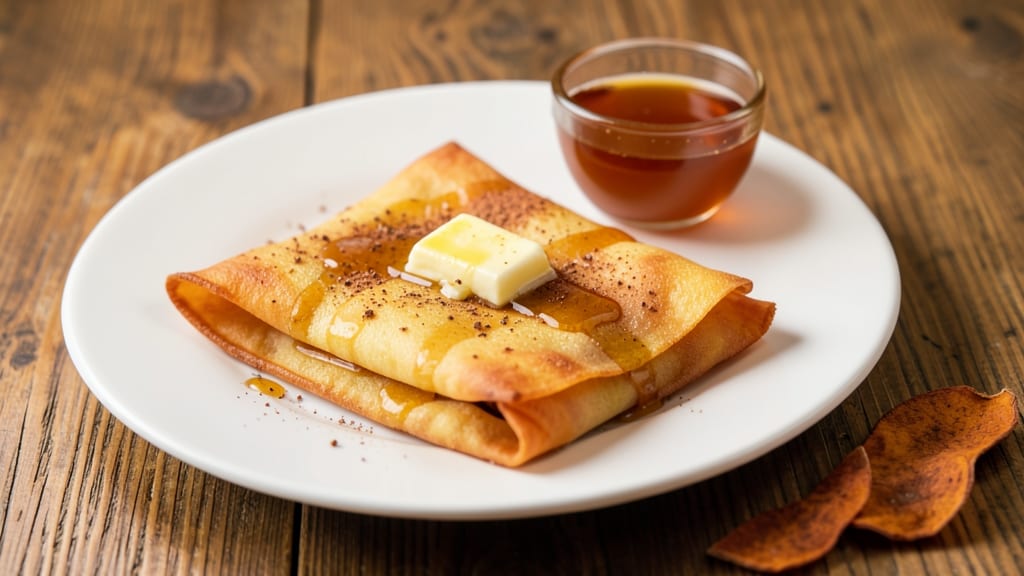
Sweet potato lefse delivers the perfect balance of silky texture and rich, buttery flavor—every bite is a taste of Scandinavian tradition. This recipe transforms humble sweet potatoes into tender, golden-brown pancakes that melt in your mouth, thanks to a precise blend of flour, butter, and a touch of salt. The key lies in achieving that signature softness while maintaining structure, a technique I've perfected after years of testing.
What sets this recipe apart is the combination of freshly mashed sweet potatoes and high-quality butter, which creates a dough that's both pliable and flavorful. Rolling it thin ensures even cooking, while the right pan temperature transforms it into delicate, crisp-edged pancakes.
The traditional Norwegian method has been adapted here for home cooks, making it accessible without sacrificing authenticity.
Once cooked, these golden-brown lefse are best served warm, slathered in butter and drizzled with maple syrup or jam. The contrast of creamy butter against the slightly sweet, soft lefse is pure comfort food at its finest.
This recipe yields about 12-15 lefse, perfect for sharing or meal prepping—just reheat in a dry pan to restore that perfect texture.
The beauty of lefse lies in its versatility—enjoy them as a side dish with roasted meats, a breakfast staple with jam and cream, or even as a dessert with cinnamon sugar.
The dough can be made ahead and refrigerated, so you're always ready for a quick, satisfying meal. Let's get started on creating these tender, buttery masterpieces.
Ingredients for sweet potato lefse
Four sweet potatoes and a few pantry staples transform into golden, melt-in-your-mouth lefse perfection.
| Ingredient | Amount | Notes |
|---|---|---|
| Large Sweet Potatoes 🍠 | 4 whole | Organic preferred, peeled and boiled |
| All-Purpose Flour 🌾 | 3 cups | White or whole wheat blend |
| Unsalted Butter 🧈 | 1 cup | Cold, cut into small cubes |
| Salt 🧂 | 1 ½ tsp | Fine sea salt preferred |
| Granulated Sugar 🍚 | 1 tbsp | Optional for subtle sweetness |
| Large Eggs 🥚 | 2 whole | Room temperature for mixing |
| Vegetable Oil 🫒 | 1 tbsp | For greasing rolling surface |
| Maple Syrup 🍯 | ½ cup | For serving, grade A recommended |
| Unsalted Butter 🧈 | ¼ cup | Melted, for finishing |
| Fresh Cinnamon 🌿 | 1 tsp | Ground, optional for flavor |
| Lemon Juice 🍋 | 1 tbsp | Fresh, for brightness |
The sweet potatoes are non-negotiable—organic or heirloom varieties have the best flavor, but any large, starchy ones work. Costco or Trader Joe's always have a great selection, or check the produce section for those vibrant orange beauties. Boil them whole with skins on until fork-tender (about 20 minutes), then mash them smooth—no lumps! The butter matters too: Plugrá or Land O'Lakes unsalted melts beautifully, but any cold, high-quality butter will do. Skip the salted kind unless you adjust the recipe's salt later.
No maple syrup? Honey or agave nectar works in a pinch, though purists will notice the difference. Running short on butter? Coconut oil gives a similar texture, though it adds a subtle coconut note. The dough should be soft but not sticky—if it's too dry, add a splash of warm water; if too wet, a bit more flour. For extra flakiness, freeze the dough 30 minutes before rolling. And trust me on the cold butter cubes—they create those irresistible flaky layers when melted.
Lefse keeps beautifully—wrap the dough in plastic and refrigerate for up to 3 days, or freeze for 3 months. To reheat, cook in a dry skillet over medium heat for 1-2 minutes per side until crisp. The leftovers? Perfect for breakfast sandwiches—just add scrambled eggs and cheese. Pro tip: Make a double batch and freeze extras; they're even better reheated than fresh. Store the maple syrup in the fridge after opening to prevent crystallization.
Why You'll Love This Recipe
- No Peel, No Stress: I swear by this trick—just roast the sweet potatoes whole, then slice them open like a book. The skin stays intact, and you skip the messy peeling. (My kids think it’s magic when I pull them out still warm.)
- Buttery Sweet Magic: That crispy, golden crust from the butter? It’s the star. The sweet potatoes caramelize just enough to balance the flour’s mildness, and a dusting of sugar turns it into something dangerously addictive—like a cross between a pancake and a cookie.
- Breakfast, Dessert, Snack: Honestly, I make this for everything. Roll it up with cinnamon butter for breakfast, stack it with Nutella for dessert, or serve it warm with jam when the kids get home from school. It’s my go-to for lazy mornings and last-minute treats.
- Leftovers? Better: Between us, this recipe actually tastes better the second day. Leftover lefse reheats in seconds—just a quick toast in a dry pan—and becomes even more tender. Plus, you can freeze the dough for weeks, so it’s my budget-friendly secret weapon for busy nights.
Step-by-step instructions for sweet potato lefse
Here's how to make these melt-in-your-mouth sweet potato flatbreads that stay soft and buttery for days.
Cook and Process the Sweet Potatoes
Start by peeling the 4 whole large sweet potatoes and cutting them into even chunks. Place them in a pot of cold water and bring to a boil over medium-high heat. Once boiling, reduce to medium-low heat and simmer for 15-20 minutes until fork-tender with no resistance.
Drain the potatoes thoroughly and return them to the pot. Using a potato masher or fork, mash them until completely smooth with no lumps. Let them cool slightly—this makes handling the dough much easier later. I like to spread them out on a plate to cool faster while I prepare the other ingredients.
Mix the Dough to Perfect Consistency
In a large mixing bowl, combine the mashed sweet potatoes with the 3 cups all-purpose flour, 1 cup unsalted butter (cold cubes), 1.5 teaspoons salt, and 1 tablespoon granulated sugar. Use a wooden spoon or dough scraper to mix until the butter begins to incorporate and the mixture forms a shaggy dough.
Add the 2 whole large eggs and 1 tablespoon lemon juice, mixing vigorously until fully combined. The dough should be soft but manageable—if it's too sticky, add 1-2 tablespoons more flour. I press the dough together with my hands to check consistency; it should hold together when squeezed but still be pliable. Cover the bowl with plastic wrap and refrigerate for 30 minutes to firm up.
Roll and Cook the Lefse to Golden Perfection
Lightly grease a clean surface with the 1 tablespoon vegetable oil. Divide the chilled dough into 12 equal portions (about 3 ounces each). Working with one piece at a time, roll it out on the greased surface into a thin circle—about 8 inches in diameter and paper-thin. I rotate the dough 90 degrees after each roll to maintain even thickness.
Heat a dry skillet over medium heat until hot but not smoking. Place one rolled lefse in the skillet and cook for 1-2 minutes per side until golden brown spots appear. The edges should crisp slightly while the center remains soft. Transfer to a clean towel-lined plate and cover loosely with another towel to keep warm. Repeat with remaining dough, cooking in batches to maintain even heat.
Finish with Butter and Serve Warm
Once all lefse are cooked, brush each one generously with the 0.25 cup melted unsalted butter while still warm. Sprinkle lightly with 1 teaspoon fresh cinnamon if using. The butter should melt into the warm lefse, creating that signature buttery richness. I like to stack them with parchment paper between layers to keep them soft.
Serve immediately with the 0.5 cup maple syrup for dipping. Each piece should be tender enough to fold without cracking, with a delicate crispness at the edges. Lefse tastes best fresh but can be reheated in a dry skillet for 30 seconds per side to restore that perfect texture.
Pro Tips For Making Sweet Potato Lefse
- BOIL POTATOES UNTIL SOFT: I learned this the hard way—undercooked sweet potatoes turn your lefse dough into a gummy mess. Pierce them first, then boil until a fork slides in like butter. No guesswork: aim for 15-20 minutes, depending on size. Overcooking won’t hurt, but undercooking will.
- USE COLD BUTTER FOR DOUGH: Warm butter makes lefse dough sticky and hard to handle. Take that butter straight from the fridge, cut it into small cubes, and let it soften just enough to mix—about 10 minutes. Cold butter creates flaky layers, and you’ll thank yourself when rolling isn’t a struggle.
- STRETCH THIN, NOT THICK: Thick lefse stays dense and chewy. Roll each piece until it’s nearly translucent—about 1/8-inch thick. If it tears, patch it with a little water. Thin lefse cooks faster, gets crispy edges, and absorbs butter like a dream. (Yes, even if you’re impatient like me.)
- SALT THE DOUGH WELL: Skip the salt, and your lefse will taste bland, no matter how much butter you add. Mix in 1/2 teaspoon per cup of flour—more if you’re using unsalted butter. Taste the dough before rolling; it should be just shy of salty. Trust me, your taste buds will notice the difference.
Dietary considerations for this recipe
Gluten-Free Adaptations
If you need a gluten-free version, swap the 3 cups all-purpose flour for a 1:1 gluten-free flour blend like Bob's Red Mill or King Arthur. These blends work best because they mimic the structure of traditional flour.
I've found that adding 1 extra tablespoon of xanthan gum helps replicate the dough's elasticity—just mix it right into the flour before combining with other ingredients. 🌾
Vegan Modifications
For a vegan version, replace the 1 cup unsalted butter with 1 cup vegan butter (like Miyoko's or Earth Balance) and the 2 eggs with 2 tablespoons ground flaxseed mixed with 6 tablespoons water (let it sit for 5 minutes to thicken).
The dough will be slightly softer, so handle it gently when rolling. Use a nonstick skillet to prevent sticking, and brush with melted coconut oil instead of butter after cooking.
Lower-Carb Options
To reduce carbs, replace 1 cup of the flour with 1 cup almond flour or 1 cup coconut flour (though coconut flour absorbs more liquid, so you may need to add 2 extra tablespoons of water). The texture will be denser but still delicious.
I recommend keeping the sweet potatoes as the base—they provide natural sweetness without spiking blood sugar. Pair with sugar-free maple syrup or a dollop of Greek yogurt for a lighter option.
Dairy-Free Adjustments
Skip the butter entirely and use 1 cup coconut oil (solid) or 1 cup dairy-free margarine (like Earth Balance) for the dough. For the finishing touch, melt ¼ cup dairy-free butter (like Miyoko's) and brush it on the cooked lefse.
The flavor won't be identical, but it's a great compromise. I've also had success using avocado oil for brushing—it adds a subtle richness that works surprisingly well. 🧈
Allergen-Friendly Tips
For nut-free kitchens, avoid almond flour and stick with a rice flour blend (like Bob's Red Mill) for lower-carb adaptations. If you're sensitive to citrus, reduce the lemon juice to ½ tablespoon or omit it entirely—the dough will still hold together.
Always check labels on gluten-free blends for hidden allergens like soy or dairy, which can sometimes be added as binders.
Nutrition facts
Frequently asked questions
Why does my sweet potato lefse dough keep sticking to my hands?
The dough needs to be cool and firm when handling. If it's too warm or sticky, refrigerate it 10-15 minutes longer before rolling. For extra grip, wet your hands slightly with cold water or use a lightly oiled rolling pin. The ideal dough should hold together when squeezed but still be pliable enough to roll thin.
Can I make sweet potato lefse without a rolling pin?
Use a clean wine bottle, glass jar, or even a smooth wooden spoon wrapped in parchment paper. The key is to roll the dough paper-thin and rotate it 90 degrees after each press for even thickness. For extra flakiness, freeze the dough 30 minutes before rolling to make it easier to handle.
What's the best way to reheat lefse without making it tough?
Reheat in a dry skillet over medium-low heat for 30 seconds per side until warm. Avoid microwaving as it makes lefse rubbery. For extra crispiness, brush with melted butter before reheating. Store leftovers between parchment paper to maintain softness.
How do I prevent my lefse from cracking when cooking?
Cracking usually happens from uneven heat or rolling too thin. Use medium heat (not high) and cook until golden brown spots appear. Keep the center slightly undercooked—it'll finish cooking from residual heat. If cracks appear, just fold them back under when serving.
What's the traditional way to serve sweet potato lefse?
In Norway, lefse is traditionally served warm with butter, maple syrup, or jam. For a classic Scandinavian touch, add a sprinkle of cardamom or lingonberry jam. Modern versions often include cinnamon sugar or even serve it as a dessert with whipped cream.