
Side Dishes
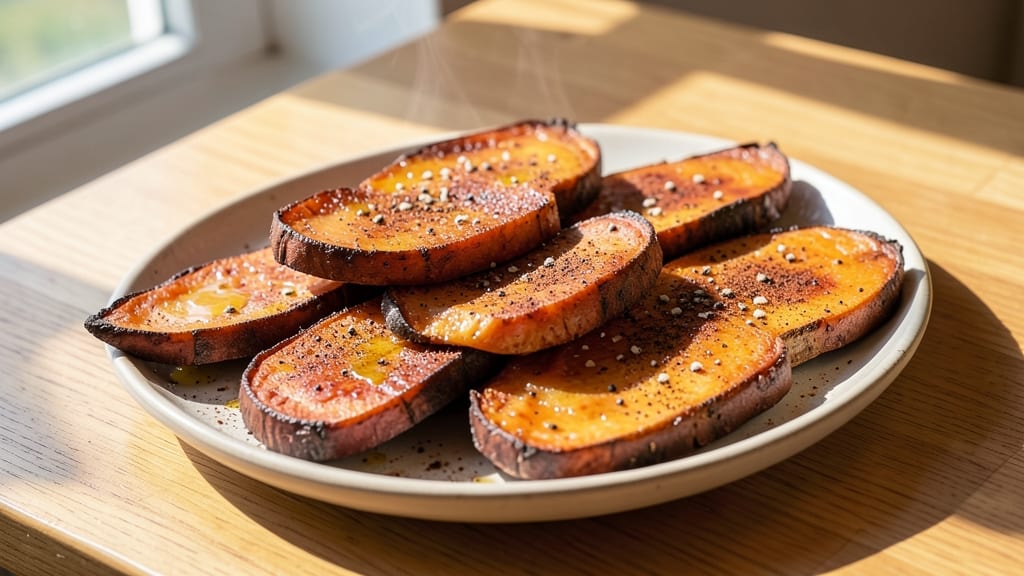
Sweet potato planks deliver restaurant-quality drama with their caramelized edges and tender centers—no fancy equipment required. The secret lies in slicing sweet potatoes into thick planks (about 1/2-inch thick) and roasting them until the edges turn golden and crispy while the inside stays moist.
This technique transforms a simple vegetable into a showstopping side that pairs perfectly with grilled meats or stands alone as a vegetarian main.
What makes these planks special is the balance of texture and flavor. A light coating of olive oil and a sprinkle of salt and pepper ensure they crisp up beautifully in the oven, while the natural sweetness of the potatoes caramelizes into a rich, buttery finish.
The key is patience—roasting at 400°F for about 25-30 minutes guarantees perfectly charred edges without burning. For extra depth, a pinch of smoked paprika or cinnamon adds warmth that complements both savory and sweet dishes.
Once roasted, the planks develop a glossy sheen from their caramelized surface, making them irresistible to pick up. Serve them warm, garnished with a drizzle of honey or a sprinkle of flaky sea salt for a touch of sophistication.
They’re versatile enough to elevate a weeknight dinner or impress guests at a holiday table—all while keeping prep simple and foolproof.
Pair these planks with a protein like grilled chicken or salmon, or serve them alongside a crisp salad for a balanced meal. The natural sweetness and satisfying texture make them a crowd-pleaser, proving that even the simplest ingredients can create something extraordinary with the right technique.
Ingredients for sweet potato planks
Eight essential ingredients transform humble sweet potatoes into restaurant-worthy planks with crispy edges and caramelized sweetness.
| Ingredient | Amount | Notes |
|---|---|---|
| Large Sweet Potatoes 🍠 | 2 whole | Organic preferred, uniform size |
| Extra-Virgin Olive Oil 🫒 | ¼ cup | High-quality, fruity variety |
| Kosher Salt 🧂 | 1 ½ tsp | Diamond Crystal preferred |
| Freshly Ground Black Pepper 🌶️ | ½ tsp | Coarse grind preferred |
| Smoked Paprika 🌶️ | ½ tsp | High-quality for depth |
| Ground Cinnamon 🌿 | ¼ tsp | Freshly ground preferred |
| Raw Honey 🍯 | 2 tbsp | For finishing drizzle |
| Flaky Sea Salt 🧂 | 1 tsp | Maldon preferred for garnish |
The sweet potatoes are the star—opt for organic varieties when possible to avoid pesticide residues, though conventional works fine. Look for uniformly shaped tubers (about 12-15 oz each) at Whole Foods or your local farmers' market for the best texture. The skin should be firm with no soft spots, and the flesh should be deep orange—a sign of natural sweetness. If using conventional potatoes, scrub them thoroughly before slicing. For extra insurance, you can par-cook them in the microwave for 5 minutes to ensure even roasting later.
No extra-virgin olive oil? Avocado oil works equally well for high-heat roasting. Short on smoked paprika? Regular paprika plus a pinch of liquid smoke mimics the flavor profile. The cinnamon adds warmth that pairs beautifully with the caramelized sweetness—if you're avoiding it, nutmeg at half the amount offers a similar depth. For the honey drizzle, ensure it's raw and unfiltered for optimal flavor; if unavailable, maple syrup serves as a worthy substitute. The flaky sea salt is non-negotiable for that final touch of sophistication—Maldon is ideal, but any flaky variety will elevate the dish.
Store sweet potatoes in a cool, dark place for up to 3 months, but use within 2 weeks for optimal flavor. Once roasted, planks reheat beautifully—cover with foil and warm at 350°F for 10 minutes. For meal prep, roast an extra plank and store components separately: oil, salt, and spices in one container, planks wrapped in foil in another. They keep for 3 days in the fridge, though texture softens slightly. Freezing isn't recommended as it alters the crispy texture, but you can freeze the roasted planks for 1 month if you're willing to sacrifice some crunch.
Why You'll Love This Recipe
- One-Pan Magic: I swear by this for nights when I’d rather not wash a million dishes. Just slice those sweet potatoes into thick planks, toss them with olive oil and smoked paprika, and roast—no flipping, no fuss. The oven does all the work while I pretend I’m not actually cooking.
- Smoky-Sweet Crunch: That crispy edge on the outside with the creamy, buttery inside? It’s like a hug from a campfire. The smoked paprika gives it this deep, earthy warmth that pairs perfectly with the natural sweetness of the potato—no extra seasoning needed.
- Meal Prep MVP: Between us, this is my go-to for lunches all week. Roast a big tray on Sunday, let them cool, and store them in the fridge. Reheat in minutes—perfect for work lunches or lazy afternoons when you just want something hearty without the effort.
- Budget-Friendly Crowd Pleaser: Sweet potatoes are dirt cheap, and this recipe stretches them far. I’ve fed four hungry people with one big baking sheet, and everyone—even my picky teenager—comes back for seconds. Plus, the ingredients cost less than takeout but taste way better.
Step-by-step instructions for sweet potato planks
Transform simple sweet potatoes into dramatic, restaurant-worthy planks with this precise method.
Prep and Season the Sweet Potatoes
Begin by scrubbing the 2 whole large sweet potatoes under cool water to remove any dirt. Using a sharp chef's knife, carefully cut each potato lengthwise into ¼-inch thick planks, ensuring even thickness for consistent cooking. I like to work on a cutting board with a damp paper towel underneath to prevent slipping—sweet potatoes can be slippery when wet.
In a small bowl, whisk together the 0.25 cup extra-virgin olive oil, 1.5 teaspoons kosher salt, 0.5 teaspoon freshly ground black pepper, 0.5 teaspoon smoked paprika, and 0.25 teaspoon ground cinnamon until the spices are evenly distributed. This aromatic blend will infuse the sweet potatoes with deep, smoky warmth. Brush this mixture generously over both sides of each plank, making sure to coat the edges thoroughly. Let them sit at room temperature for 10 minutes to allow the seasoning to penetrate slightly.
Roast Until Caramelized
Preheat your oven to 425°F and position a rack in the middle position. Line two rimmed baking sheets with parchment paper for easy cleanup. Arrange the seasoned sweet potato planks in a single layer on the prepared sheets, leaving ½-inch space between each plank. This spacing ensures even browning and prevents steaming, which would make them soggy.
Roast for 20-25 minutes, flipping the planks once at the 15-minute mark. You'll know they're ready when the edges are deep golden brown and the flesh begins to soften slightly when pierced with a fork. The planks should hold their shape but yield gently to pressure. If they brown too quickly, tent them loosely with foil to prevent burning while they finish cooking.
Finish with Honey and Garnish
Remove the planks from the oven and transfer them to a serving platter. While they're still warm, drizzle the 2 tablespoons raw honey evenly over the top, allowing it to pool slightly in the crevices. The residual heat from the planks will cause the honey to caramelize, creating a glossy, sticky finish. Return the platter to the oven for 2-3 minutes to set the honey slightly.
Sprinkle the 1 teaspoon flaky sea salt evenly over the planks just before serving. The salt enhances the natural sweetness and adds a delicate crunch. Serve immediately while the planks are still warm, with the honey glaze slightly runny. The contrast of the crispy edges, tender interior, and sweet-savory glaze makes this dish truly unforgettable.
Optional Broiling for Extra Crisp
For an even more dramatic presentation, transfer the roasted planks to a broiler-safe baking sheet and broil on high for 1-2 minutes. Watch closely—they'll darken quickly to a deep mahogany color with crispy edges. This step intensifies the caramelization and adds a smoky aroma. Be cautious not to burn them, as broilers can be intense. Remove immediately when you see the edges darken to your desired level.
Serve these planks as a showstopping side dish or even as a main course with a simple protein like grilled chicken or a fresh salad. The balance of smoky, sweet, and salty flavors makes them versatile enough for any meal.
Pro Tips For Making Sweet Potato Planks
- CUT THICK, NOT THIN: Sweet potato planks need to be about 1-inch thick—any thinner and they’ll dry out before they caramelize. I used to slice them too thin, wondering why they turned rubbery; thicker slices hold moisture and crisp up properly.
- SALT BEFORE YOU SEAR: Toss the planks with salt and smoked paprika before hitting the pan. The salt draws out moisture, helping the oil cling and creating a better crust. I learned this the hard way—salting after made my planks soggy.
- USE A LIGHT HAND WITH OIL: Drizzle just enough olive oil to coat the bottom of the pan—not drown them. Too much oil steams the potatoes instead of browning them. A light layer lets them sear and develop that smoky, crispy edge.
- FOLD THEM HALFWAY: After 5 minutes on the first side, fold the planks in half and press down gently. This traps the edges, preventing them from curling up and burning while the centers cook through. Sounds weird, but it works—no more burnt tips while the middle stays tender.
Perfect pairings for sweet potato planks
Protein Pairings
Sweet potato planks shine alongside grilled proteins that complement their caramelized sweetness. Try herb-marinated chicken thighs—the juicy, savory meat contrasts perfectly with the crispy edges. For seafood lovers, garlic butter shrimp or seared salmon with lemon adds a bright, briny balance.
I always serve them with pan-seared scallops for an elegant touch that feels restaurant-worthy. 🍗
Vegetable Companions
A crisp, peppery salad cuts through the richness of the planks beautifully. Toss arugula with shaved fennel, lemon vinaigrette, and toasted walnuts for a refreshing bite. Roasted asparagus with garlic and chili flakes adds another layer of smoky heat that pairs wonderfully.
For heartier meals, sautéed kale with crispy pancetta brings salty, crunchy contrast. 🥗
Grain Sides
Warm grains add substance to make these planks a complete meal. Creamy polenta with a sprinkle of Parmigiano-Reggiano soaks up the honey glaze beautifully. For a lighter option, wild rice pilaf with toasted almonds and dried cranberries balances the dish with nutty, tangy notes.
I also love farro salad with roasted cherry tomatoes and basil for a Mediterranean-inspired pairing. 🌾
Dessert Finish
End the meal on a sweet note with vanilla bean ice cream or dark chocolate-dipped strawberries—the cool creaminess contrasts the warm, caramelized planks. For a lighter option, lemon sorbet cleanses the palate while keeping the sweet theme.
If you're serving these as a main, a small scoop of salted caramel gelato ties everything together perfectly. 🍦
Beverage Matchups
A crisp rosé wine with its berry notes complements the dish's sweetness without overpowering it. For beer lovers, a hazy IPA with citrus and hoppy bitterness balances the richness beautifully.
Sparkling ginger beer adds a refreshing zing, while a smoky mezcal cocktail with orange and lime elevates the smoky paprika flavors. 🍷
Global Variations
Transform these planks into a Mexican-inspired dish by adding chipotle powder and lime zest, then serving with black beans and avocado. For an Asian twist, toss with soy-glazed sesame seeds and pair with sticky rice and teriyaki chicken.
In the Middle East, drizzle with harissa and tahini alongside hummus and pita for a bold flavor profile. 🌍
Nutrition facts
Frequently asked questions
Can I use regular potatoes instead of sweet potatoes?
Regular potatoes won't work for this recipe—they lack the natural sweetness and moist texture that makes sweet potato planks special. Sweet potatoes caramelize beautifully and hold their shape during roasting, while regular potatoes would turn mushy and lose their structure. For a similar technique, try roasting regular potato wedges at 425°F for 20 minutes with olive oil and salt, but they won't have the same depth of flavor.
How do I prevent the planks from burning before the inside is cooked?
Watch the oven closely and flip the planks at the 15-minute mark to ensure even browning. If they start to brown too quickly, tent them loosely with foil for the remaining 5-10 minutes to trap heat while allowing moisture to escape. For extra insurance, reduce the oven temperature to 400°F if your kitchen runs hot. The goal is deep golden edges with a tender interior—test with a fork to check doneness.
Can I make sweet potato planks ahead of time?
Roast the planks up to 1 day ahead and store them at room temperature in an airtight container. Reheat in a 350°F oven for 10 minutes covered with foil to restore moisture, then broil for 1-2 minutes to crisp the edges again. For longer storage, refrigerate for up to 3 days (reheat covered) or freeze for 1 month—though texture may soften slightly. Always add the honey and flaky salt fresh before serving for the best flavor.
What's the best way to cut even planks?
Use a sharp chef's knife and a mandoline slicer for perfect ¼-inch thick planks. For a knife-only approach, place the potato on a damp paper towel to grip better, then make ¼-inch deep cuts along the length with a ruler as a guide. Cut all the way through in one motion—hesitation causes uneven slices. If the planks vary in thickness, the thinner ones will overcook, so adjust roasting time accordingly.
Can I skip the honey glaze?
Yes! The honey adds a beautiful caramelized finish, but it's optional. If you prefer, simply sprinkle the roasted planks with a pinch of cinnamon or smoked paprika and serve with a side of yogurt or sour cream for dipping. The natural sweetness of the potatoes will still shine through—just without the glossy sheen. For a savory twist, drizzle with balsamic glaze instead.