
Side Dishes
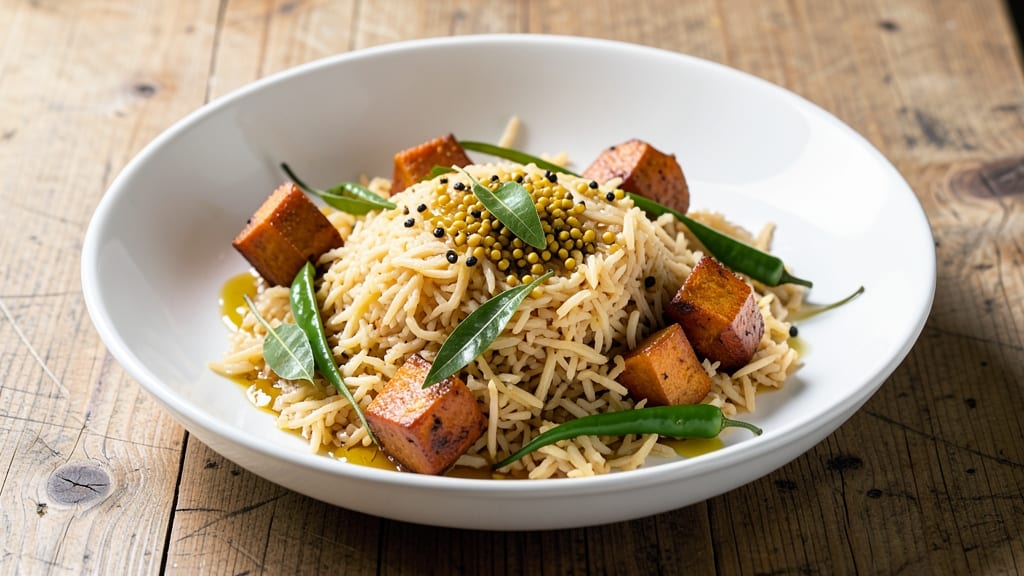
This sweet potato poha recipe transforms humble flattened rice into a crispy, aromatic masterpiece that feels like a hug in a bowl. The secret lies in quick-frying the rice until golden, then layering it with tender sweet potatoes and a fragrant tempering of mustard seeds and curry leaves.
I developed this vegetarian version after years of perfecting the technique—every bite delivers that satisfying crunch followed by soft, flavorful rice.
What makes this dish special is the balance of textures: crispy edges on the rice, tender sweet potatoes, and a creamy yogurt or coconut chutney to tie it all together. The tempering—those sizzling spices—adds depth that elevates simple ingredients into something restaurant-worthy.
Unlike traditional poha, this version incorporates sweet potatoes for natural sweetness and heartiness, making it a complete meal on its own. The result is a dish that’s both comforting and impressive, ready in just 25 minutes with minimal prep.
Serve it with a dollop of yogurt, a sprinkle of peanuts, and a squeeze of lemon for brightness. The contrast of temperatures and flavors makes every spoonful irresistible, proving that comfort food doesn’t have to be complicated.
Perfect for weeknight dinners or weekend brunches, this poha adapts easily to dietary needs—swap sweet potatoes for regular ones if preferred, or add grilled veggies for extra protein. The key is patience during the tempering and frying, but the payoff is worth it.
Ingredients for sweet potato poha
Transform humble poha into restaurant-worthy comfort with these aromatic, textured ingredients.
| Ingredient | Amount | Notes |
|---|---|---|
| Flattened Rice (Poha) 🍚 | 2 cups | Unsoaked, medium thickness preferred |
| Sweet Potatoes 🍠 | 1 ½ lb | Peeled, diced into 0.5-inch cubes |
| Vegetable Oil 🫒 | ½ cup | High smoke point for frying |
| Yellow Mustard Seeds 🌿 | 1 tbsp | Whole, for tempering |
| Curry Leaves 🌿 | ¼ cup | Fresh, lightly crushed |
| Green Chilies 🌶️ | 2 whole | Slit lengthwise, seeds removed |
| Asafoetida (Hing) 🌿 | ¼ tsp | Pinch for aroma |
| Turmeric Powder 🧂 | ½ tsp | Freshly ground preferred |
| Cumin Seeds 🌿 | 1 tsp | Toasted lightly |
| Plain Yogurt 🥛 | ½ cup | Whisked smooth, unsweetened |
| Lemon Juice 🍋 | 2 tbsp | Freshly squeezed |
| Salt 🧂 | 1 ½ tsp | Adjust to taste |
| Peanuts 🥜 | ¼ cup | Roasted, chopped |
| Fresh Cilantro 🌿 | ¼ cup | Chopped, for garnish |
| Ghee or Coconut Oil 🫒 | 2 tbsp | For final drizzle |
The flattened rice is the foundation—medium-thickness poha from Indian specialty stores delivers the best texture. Patel Brothers or Apna Bazaar carry excellent quality, or check the international aisle at Whole Foods. Sweet potatoes should be firm and vibrant—orange-fleshed varieties work best for even cooking. If your store only carries baby sweet potatoes, use them whole and halve them before dicing. For the tempering spices, Penzeys Spices or bulk bins at natural markets ensure potency. Curry leaves are non-negotiable—they provide that signature aroma, but if unavailable, dried curry powder at half the quantity is a decent substitute.
No fresh curry leaves? Dried curry powder at one-third the amount works in a pinch, though the flavor will be subtler. For extra heat, add more green chilies or a pinch of cayenne. The yogurt should be plain and thick—Greek yogurt works beautifully if you prefer a tangier profile. Peanuts can be swapped for cashews or almonds, though peanuts' earthy flavor complements the dish perfectly. The green chilies should be fresh—dried chilies lose their vibrant kick. If you can't find them, jalapeños or serranos work well when finely chopped.
Store prepped sweet potatoes in an airtight container for 3 days—they soften slightly but maintain flavor. The tempering spices lose potency after 1 week, so grind whole spices fresh if possible. This dish reheats beautifully—microwave for 1-2 minutes with a splash of water to restore crispiness. For meal prep, assemble components separately and combine when ready to eat. The peanuts and cilantro stay fresh for 5 days in the fridge, while the yogurt mixture keeps for 3 days if stored properly.
Why You'll Love This Recipe
- 20-Minute Magic: I swear by this when I’m starving but don’t want to slave over the stove. Just boil the sweet potatoes until fork-tender, toss them with the poha, and let the mustard seeds and curry leaves sizzle in oil—no chopping, no fuss, just pure satisfaction.
- Sweet & Smoky Crunch: That contrast? Chef’s kiss. The crispy edges of the poha paired with the creamy, caramelized sweet potatoes—plus the tiny pop of mustard seeds and the earthy curry leaves—wakes up your taste buds like a morning hug. Honestly, it’s the kind of flavor that makes you want to eat it straight from the pan.
- Packable Lunch Hero: Between us, this is my go-to for meal prep. Portion it into containers, and it stays fresh for days—no soggy rice here. My kids grab it for school lunches, and my husband sneaks seconds when he thinks I’m not looking. (Yes, even on a Tuesday night.)
- Budget-Friendly Powerhouse: Sweet potatoes and poha are pantry staples that won’t break the bank, and you’ll have leftovers that taste just as good reheated. I’ll be real: it’s the kind of dish that stretches a few bucks into a full week’s worth of meals without sacrificing taste—or my sanity.
Step-by-step instructions for sweet potato poha
Master this vibrant dish with perfect texture and bold flavors in just 25 minutes.
Prepare the Sweet Potatoes for Perfect Texture
Peel the 1.5 lb sweet potatoes and cut them into ½-inch cubes using a sharp chef's knife. Place them in a medium saucepan and cover with cold water by about 1 inch. Add 1 tsp salt and bring to a boil over medium-high heat. Once boiling, reduce heat to medium and simmer for 8-10 minutes until the cubes are fork-tender but still hold their shape.
Drain immediately and transfer to a colander to cool completely. The potatoes should be cool enough to handle when you're ready to mix them with the poha. If they're still warm, spread them on a wire rack to speed up the process. This cooling step is crucial—warm potatoes will make the poha soggy instead of crispy.
Toast the Spices for Maximum Flavor
Heat 0.5 cup vegetable oil in a large, heavy-bottomed skillet over medium heat. Add the 1 tsp cumin seeds and toast for 30 seconds until they begin to sizzle and release their aroma. Immediately add the 2 whole green chilies (slit lengthwise) and 0.25 cup curry leaves, stirring constantly for 1 minute until the chilies soften slightly and the curry leaves darken.
Reduce heat to low and add the 2 tbsp lemon juice, 0.5 cup plain yogurt, and 0.5 tsp turmeric powder. Stir gently for 2 minutes until the mixture thickens slightly and the raw flavors mellow. Remove from heat and set aside—this spiced yogurt base will form the heart of your poha. The low-and-slow cooking here prevents the yogurt from curdling while developing complex flavors.
Assemble and Temper the Poha
In the same skillet (no need to clean it—the fond adds flavor), add the 2 cups flattened rice (poha) and spread it evenly. Pour over the spiced yogurt mixture and gently fold with a spatula for 1 minute until the poha absorbs the liquid. Add the cooled sweet potato cubes and mix thoroughly, breaking up any large clumps. Sprinkle with 0.25 tsp asafoetida (hing) and 1 tbsp yellow mustard seeds, then fold again to distribute evenly.
Cover the skillet and cook on low heat for 5 minutes, stirring occasionally. The poha should begin to puff slightly and develop a delicate crispness at the edges. This gentle cooking transforms the flat rice into a light, airy base while keeping the sweet potatoes tender. If the mixture looks dry, add 1-2 tablespoons water and fold again—just enough to moisten without making it soggy.
Create the Signature Crispy Topping
Increase heat to medium-high and let the poha cook uncovered for 3-4 minutes, stirring every 30 seconds, until the top develops a golden-brown crust and the edges begin to crisp. This is where the magic happens—the contrast between the crispy top and tender base defines this dish. If the poha starts to stick, add another ½ tablespoon water and fold gently to release it from the pan.
Once the top is crispy, remove from heat and immediately stir in the 0.25 cup roasted, chopped peanuts and 0.25 cup fresh cilantro. The peanuts add texture while the cilantro brightens the dish with freshness. Drizzle with 2 tbsp ghee or coconut oil and fold one last time to distribute evenly. The oil enhances the crispiness and adds a rich, nutty depth to each bite.
Pro Tips For Making Sweet Potato Poha
- SOAK POHA 10 MINUTES: I learned this the hard way—skipping the soak makes the rice turn to mush. Use warm water (just off-boil) and let it sit for exactly 10 minutes, then drain thoroughly. The extra 5 minutes of soaking is what keeps your poha crisp at the edges.
- PEEL SWEET POTATOES COLD: Cut the sweet potatoes raw, then boil them—peeling after cooking saves your fingers and ensures cleaner slices. The skin’s easier to remove when the flesh is soft, and you won’t lose half the potato to peeling mistakes.
- TEMPER MUSTARD SEEDS LOW: High heat burns mustard seeds before they pop. Start with medium-low, then adjust—you want a steady sizzle, not a smoke alarm. Curry leaves should float gently; if they brown too fast, you’ve gone too hot.
- MIX POHA LAST MINUTE: Add the drained poha to the tempering just before serving. Stirring it in too early steams the rice and kills the crisp texture you worked so hard to maintain. Keep the heat off for the final 30 seconds—this is where the magic happens.
Make-ahead tips for this dish
Prep Sweet Potatoes Ahead
Peel and dice the 1.5 lb sweet potatoes the night before, then store them in a sealed container with 1 tsp salt and 1 tbsp lemon juice to prevent browning. This saves 10 minutes of prep time the next day.
When ready to cook, simply drain and pat dry before adding to your poha. The acid in the lemon juice also helps tenderize the potatoes slightly, making them cook faster. 🍠
Toast Spices in Advance
Prepare the tempering spices the day before by lightly toasting 1 tsp cumin seeds, 1 tbsp mustard seeds, and 2 green chilies in 2 tbsp oil until fragrant. Store in an airtight container for up to 5 days.
When cooking, simply reheat these toasted spices in the same skillet before adding the yogurt mixture—this cuts 5 minutes off your active cooking time. The spices retain their aroma better when stored this way.
Assemble Components Separately
For meal prep, cook the sweet potatoes and poha separately, then store in airtight containers for up to 3 days. Keep the yogurt mixture in a separate container—it stays fresh for 3 days when refrigerated.
When ready to serve, simply reheat the components together in a skillet for 5-7 minutes, adding the yogurt mixture last. This method maintains the crispy texture better than fully assembling ahead of time.
Reheat for Crispy Perfection
To restore crispiness after reheating, spread the poha on a baking sheet and broil for 2-3 minutes at 375°F until the edges turn golden again. For stovetop reheating, cook over medium-high heat for 3-4 minutes, stirring constantly, then cover with a lid for 1 minute to trap steam.
Add a splash of water if needed to prevent drying. The key is high heat and quick cooking to revive that signature crunch. 🔥
Garnish Just Before Serving
Always add the peanuts and cilantro fresh after reheating—they lose their texture and flavor when stored with the poha. Keep these garnishes in a separate container and sprinkle them on top just before serving.
The fresh herbs also brighten the dish, making it taste freshly made. For extra flavor, drizzle with 1 tsp ghee right before eating to enhance the crispy texture.
Freeze for Later Use
This poha freezes beautifully for up to 1 month if assembled completely (including yogurt mixture) and stored in a freezer-safe container.
To reheat from frozen, thaw overnight in the fridge, then cook in a skillet over medium heat for 8-10 minutes, stirring occasionally and adding 1-2 tbsp water as needed.
The texture may be slightly softer after freezing, but it still tastes delicious and saves you time on busy days. 💫
Nutrition facts
Frequently asked questions
Can I use regular potatoes instead of sweet potatoes?
You can substitute regular potatoes, but the flavor and texture will differ. Sweet potatoes add natural sweetness and a creamier texture that complements the poha beautifully. If using regular potatoes, boil them slightly longer (12-15 minutes) to achieve similar tenderness, and consider adding a pinch of cinnamon or cardamom to mimic the sweet potato's depth.
Why does my poha turn soggy instead of crispy?
The most common reason is using warm sweet potatoes or adding too much liquid during cooking. Always ensure the sweet potatoes are completely cooled before mixing with poha, and add water only if absolutely necessary—just 1-2 tablespoons at a time. For extra crispiness, cook the final step on medium-high heat and stir frequently to develop that golden crust.
How do I make this dish gluten-free?
This recipe is naturally gluten-free as long as you use certified gluten-free flattened rice (poha). Double-check that your mustard seeds, spices, and peanuts are also labeled gluten-free. The yogurt and sweet potatoes are inherently gluten-free, so no substitutions are needed beyond verifying your ingredients. Always read labels carefully, especially for pre-packaged spices.
Can I make this recipe without curry leaves?
Yes, but the flavor will be subtly different. Curry leaves are essential for that authentic aroma, but you can substitute with ½ teaspoon dried curry powder or 1 teaspoon fresh bay leaves (finely chopped). For a similar earthy note, try ¼ teaspoon ground fenugreek leaves, though it won't replicate the exact flavor. The dish will still taste delicious—just slightly less complex.
What's the best way to serve this dish?
This sweet potato poha makes a complete meal on its own, but it pairs wonderfully with cooling accompaniments. Serve with a dollop of mint chutney or tamarind sauce to balance the richness, or add a side of boiled eggs for extra protein. For a complete Indian-style spread, include pickled onions, cucumber raita, and papadums. The contrast of temperatures and textures makes every bite satisfying.